Jaco’s Wild Side: Where to Find, Help, and Hug the Local Critters (Figuratively, Mostly)
Let’s clear something up: Jaco isn’t exactly the Manuel Antonio of wildlife sanctuaries. You won’t stumble upon a dozen glossy rescue centers competing for your tourist dollars. What you will find is something better—a handful of passionate, boots-on-the-ground operations where real conservation work happens daily, often funded by locals who care more about results than Instagram likes. These aren’t petting zoos disguised as sanctuaries; they’re legitimate wildlife rescue and rehabilitation centers where injured sloths get second chances, orphaned monkeys learn survival skills, and turtle eggs escape poachers’ buckets. If you’re the type who wants to scratch “hold a baby sloth” off your bucket list, you might want to recalibrate those expectations. But if you’re genuinely curious about Costa Rica’s biodiversity and want to support places actually making a difference? Welcome to Jaco’s wild side.
Jaco’s Animal CPR: What ‘Wildlife Rescue’ Really Means Here
Unlike those sprawling operations near San José with gift shops and guided tour scripts, Jaco’s wildlife rescue scene operates on a smaller, scrappier scale. We’re talking dedicated locals and expats who’ve turned their passion into literal round-the-clock care for animals that couldn’t make it without human intervention. There’s no massive government funding here—just veterinary skills, donated supplies, and the kind of determination that has someone bottle-feeding an orphaned howler monkey at 3 AM.
The work itself ranges from acute trauma care—patching up a sloth that tangled with power lines, treating a macaw with a broken wing—to long-term rehabilitation that prepares animals for release back into the wild. Sometimes, though, an animal’s injuries mean they’ll never survive outside human care. That’s when these centers become permanent sanctuaries, providing comfortable forever homes while these animals serve as ambassadors for their species, educating visitors about conservation challenges. It’s Pura Vida with purpose: giving creatures a genuine second shot at life, not just creating photo opportunities for tourists.
Neo Fauna: Your Go-To for the Real Deal (And Why You Should Visit)
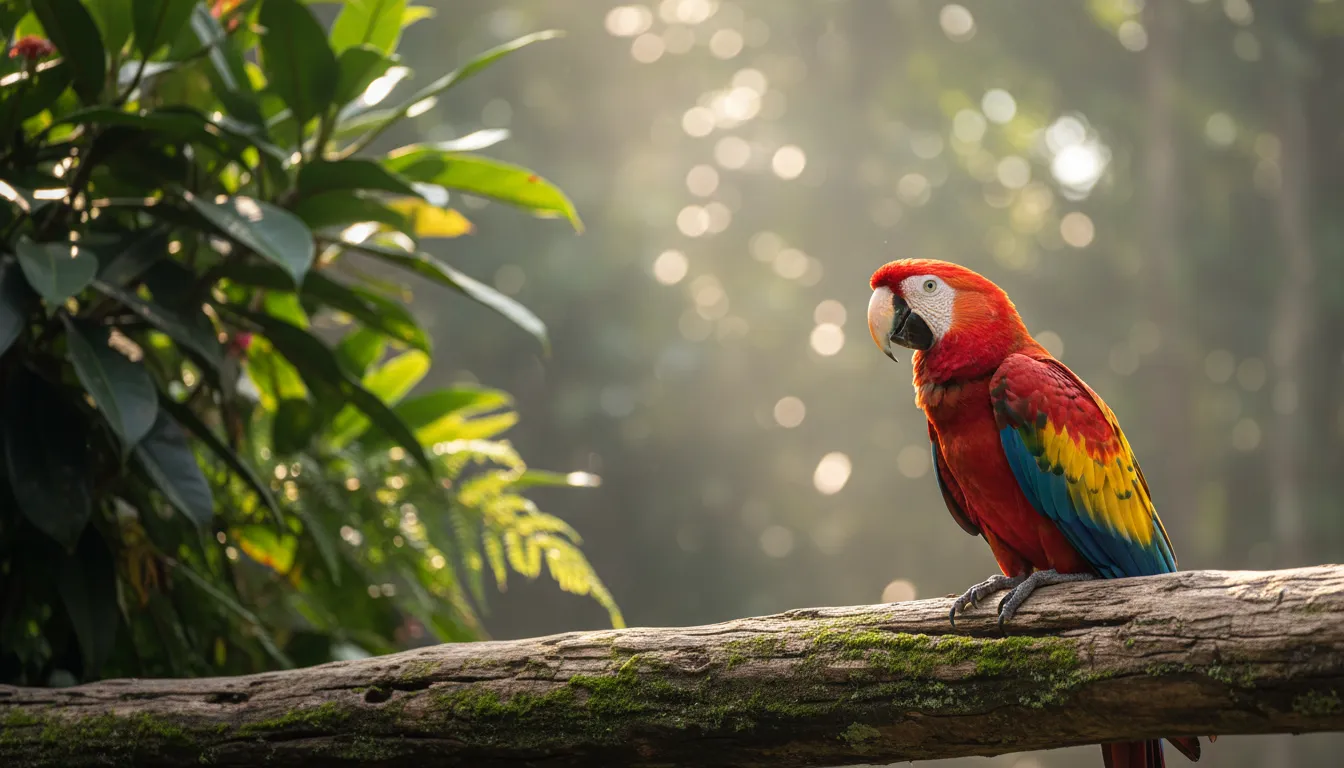
Just fifteen minutes outside Jaco proper, Neo Fauna operates as both wildlife refuge and breeding center—a crucial distinction from your average roadside attraction. This isn’t animals in cages for entertainment; it’s a working facility where scarlet macaws, green iguanas, caimans, and even a few crocodilians receive professional veterinary care and participate in breeding programs for threatened species. The staff here can tell you each animal’s backstory, from the macaw that arrived with clipped wings after years as an illegal pet to the iguana rescued from a kitchen destined to become soup.
Visiting Neo Fauna delivers more than cute photo ops (though you’ll definitely get those). It’s an educational experience where you’ll learn why that sloth moves so slowly (spoiler: it’s not lazy, it’s energy-efficient brilliance), what makes toucans’ beaks so structurally impressive, and how deforestation impacts species you’ve probably never heard of. Your admission fee—refreshingly modest compared to Costa Rica’s pricier attractions—directly funds animal care, from veterinary supplies to specialized diets. Every colón counts when you’re feeding a family of rescued monkeys.
For [digital nomads balancing work and exploration](https://jacobeachzen.com/Family-Friendly Activities/jaco-family-day-trips), Neo Fauna hits the sweet spot: close enough for a morning visit without destroying your productivity, educational enough to feel worthwhile, and genuinely WiFi-adjacent enough that you can upload those animal photos during lunch. It’s the kind of half-day excursion that reminds you why you chose remote work in Costa Rica instead of another coffee shop in Brooklyn.
Beyond the Monkeys: Jaco’s Unsung Heroes (Turtle Nests and More)
While Neo Fauna handles the headline-grabbing rescue work, other conservation efforts operate with less fanfare but equal importance. Take the Hermosa turtle nursery project, operating seasonally on nearby Playa Hermosa. This isn’t a traditional rehabilitation center—it’s a grassroots initiative protecting olive ridley and leatherback turtle eggs from natural predators, poachers, and the increasingly unpredictable high tides that climate change brings.
Volunteers patrol the beach nightly during nesting season (typically July through December), carefully relocating vulnerable nests to protected hatcheries. Sixty days later, those same volunteers facilitate mass releases, watching hundreds of tiny turtles make their instinct-driven dash toward the Pacific. It’s conservation without the infrastructure, proof that rescue work doesn’t always require buildings and budgets—sometimes it just needs people who show up, night after night, to give vulnerable creatures a fighting chance.
Participating in a turtle release or night patrol offers a completely different wildlife experience from visiting Neo Fauna. It’s quieter, more contemplative, and deeply hands-on. You’re not observing rehabilitation; you’re actively participating in it. For families seeking meaningful travel experiences or adventure seekers wanting something beyond typical tourist activities, this represents genuine ecological engagement. Fair warning: watching baby turtles navigate their first moments of life will absolutely wreck you emotionally. Bring tissues.
How You Can Help: From Your Wallet to Your Wits
The most straightforward way to support Jaco’s wildlife rescue efforts? Visit places like Neo Fauna. Your entrance fee isn’t padding corporate profits—it’s buying medication for an injured coati, funding the specialized diet a rehabilitating toucan needs, or covering the salary of trained staff who know the difference between a medical emergency and normal animal behavior. Tourism revenue literally keeps these operations functional.
Beyond visiting, consider direct financial support through animal “adoption” programs or one-time donations. Neo Fauna and similar centers often maintain wish lists of specific needs—everything from fresh produce for herbivores to specialized veterinary equipment. Even small contributions make tangible differences when budgets operate on razor-thin margins.
For those seeking deeper involvement, legitimate volunteer opportunities occasionally exist, particularly during turtle nesting season. However—and this is critical—properly vet any volunteer program before committing. Reputable centers require meaningful time commitments (usually minimum one week), have clear protocols, and never charge exorbitant “volunteer fees” that exceed actual program costs. If someone’s selling you a two-hour “volunteer experience” where you get to hold baby animals, that’s tourism theater, not conservation.
The golden rule for all wildlife interactions: observe, don’t disturb. Keep respectful distances, never feed wild animals (yes, even that seemingly friendly coati begging near your beach towel), and absolutely never attempt DIY wildlife rescue. Found an injured animal? Contact Neo Fauna or local authorities who have training and equipment. Your good intentions without proper knowledge can cause more harm, no matter how pure your motives.
What to Expect (And What NOT to Expect) from a Jaco Wildlife Experience
Manage your expectations before visiting any Jaco wildlife rescue center. You’re not walking into a Costa Rican version of the San Diego Zoo. Facilities might be rustic, infrastructure sometimes rough around the edges, and the gift shop (if one exists) probably stocks exactly three t-shirt designs and some postcards. What these centers lack in polish, they compensate for with genuine passion and measurable impact.
You’ll encounter animals with visible injuries, permanent disabilities, or behavioral quirks from their pre-rescue trauma. That macaw with the damaged wing? It’s not defective—it’s a survivor, living proof that rehabilitation works even when full recovery isn’t possible. These animals serve as ambassadors for their species, their stories powerful reminders of why conservation matters. For families, this creates incredible teaching moments about empathy, resilience, and the real-world consequences of habitat destruction and illegal pet trade.
Staff at these centers are typically knowledgeable, welcoming, and happy to answer questions—but they’re also busy actually caring for animals, which remains their priority over entertaining tourists. Visit with patience, genuine curiosity, and respect for the work happening around you. The reward is authentic interaction with people doing meaningful conservation work, not a choreographed performance designed for TripAdvisor reviews.
After a day immersed in wildlife rescue efforts, returning to Jaco Beach Zen means transitioning from conservation education to comfortable reflection. Our secure property offers families a pool where kids can process their experiences through play, while adults enjoy balcony views and the kind of quiet contemplation that follows genuinely moving experiences. Sometimes the best part of wildlife tourism is the space to think about what you’ve witnessed.
FAQ
Is Jaco a good place to see sloths?
Absolutely, though perhaps not in the quantities of Manuel Antonio. Sloths inhabit trees throughout the Jaco area, particularly in less-developed zones. Neo Fauna often houses rescued sloths recovering from injuries, providing guaranteed viewing opportunities. For wild sloths, early morning hikes in nearby reserves offer your best chances. Remember: if you spot one in the wild, admire from distance and never attempt to touch or feed it, regardless of how slowly it’s moving or how much your Instagram followers would appreciate the content.
Can I volunteer at an animal rescue center in Jaco?
Occasional opportunities exist, primarily during turtle nesting season (July-December) when beach patrol programs welcome committed volunteers. Neo Fauna sometimes accepts volunteers with specific skills—veterinary experience, construction abilities, or long-term availability. Expect legitimate programs to require minimum week-long commitments and thorough orientations. Be skeptical of any “volunteer” opportunity that feels more like paid tourism or promises extensive animal handling without proper training. Real conservation work involves less cuddling, more cleaning enclosures.
Are there guided wildlife tours in Jaco that visit rescue centers?
Several local tour operators include Neo Fauna in their itineraries, often combined with rainforest hikes or other natural attractions. These guided experiences provide transportation and expert commentary, though visiting independently offers more flexibility and often lower costs. For families or those without rental cars, guided tours solve logistical challenges. Just verify that tour operators actually donate portions of fees to the centers visited—some use rescue facilities as stops without contributing financially to their operation.
What should I do if I find an injured animal in Jaco Beach?
First: don’t touch it. Injured animals can bite, scratch, or carry diseases, and untrained handling often worsens injuries. Keep other people and pets away, then immediately contact Neo Fauna (+506 2643-6767) or local authorities. Provide specific location details and describe the animal’s condition without approaching closely. If the animal is in immediate danger (middle of a road, for example), you might carefully move it to safety using a towel or box, but only if you can do so without risking your safety or stressing the animal further. Let professionals handle the actual rescue.
Is Neo Fauna ethical, and do they truly help animals?
Yes, based on observable evidence and local reputation. Neo Fauna operates transparently, maintains appropriate enclosure sizes, prioritizes animal welfare over entertainment, and participates in legitimate breeding programs for threatened species. Staff demonstrate genuine expertise, animals appear healthy and properly cared for, and the facility’s educational mission is clear and consistent. No operation is perfect, but Neo Fauna represents responsible wildlife rescue and conservation. Their animals can’t be released due to injuries or imprinting, making permanent sanctuary the ethical choice rather than attempting doomed reintroduction efforts.
What’s the best time of year to visit an animal rescue in Jaco?
Neo Fauna operates year-round with consistent animal populations, making any time suitable for visits. However, if you want to combine rescue center tours with turtle conservation activities, plan for July through December when nesting and hatching occur. Green season (May-November) means fewer tourists, potentially more intimate experiences, though occasional afternoon rains might adjust your schedule. Dry season (December-April) guarantees better weather but increased crowds. Honestly, any time you can visit benefits these centers through admission fees and awareness.
Are these centers suitable for young children?
Absolutely, with appropriate preparation. Neo Fauna welcomes families and provides educational experiences perfect for curious kids. However, prepare children beforehand that they’ll see real animals with real injuries, not petting zoo entertainment. Some animals might look different than storybook versions—scarred, missing limbs, or behaving unexpectedly. For most children, this becomes a powerful lesson in empathy and conservation. Very young kids (under 4-5) might struggle with the heat and walking, so plan visits during cooler morning hours and bring plenty of water and snacks.
Bahía Azul, unit 7C sits right on this stretch of sand — on the quiet south end of Jacó, a few hundred feet from the water.
Book on Airbnb