Wildlife Wonders: Your Guide to Jaco’s Animal Sanctuaries & Rescue Missions
Let’s be honest: you came to Jaco for the waves and the sunsets. But somewhere between your third beer at a beachfront bar and that morning surf session, you heard howler monkeys absolutely losing their minds in the nearby trees, or spotted a toucan perched overhead like it owned the place. Suddenly, Costa Rica’s legendary wildlife isn’t just a postcard promise—it’s your surprisingly loud wake-up call.
The good news? Beyond our gorgeous stretch of sand, Jaco sits at the doorstep of some genuinely meaningful wildlife experiences. We’re talking rescue centers where that sloth you’re dying to see actually has a backstory, sanctuaries where your admission fee funds real conservation work, and opportunities to witness Costa Rica’s incredible biodiversity without contributing to the sketchy roadside-zoo economy. Whether you’re here with curious kids, killing time between remote work sessions, or plotting your next adrenaline fix, these animal sanctuaries offer a different kind of adventure—one where getting close to nature doesn’t mean exploiting it.
More Than Just Monkeys: What’s a ‘Sanctuary’ Anyway?
Before we dive into where to go, let’s clear something up: not all animal encounters deserve your time or money. That guy on the roadside with a baby sloth wrapped around his neck, charging tourists for selfies? Hard pass. The difference between ethical sanctuaries and exploitative attractions often comes down to one question: who benefits more from this interaction, you or the animal?
Legitimate rescue centers and sanctuaries exist because of three main scenarios: wildlife injured by human activity (think power line electrocutions or car strikes), animals orphaned or abandoned when they can’t survive in the wild, and creatures confiscated from illegal pet trade operations. These facilities prioritize rehabilitation and release when possible. When it’s not—because an animal has permanent injuries or was raised in captivity and lacks survival skills—they provide lifetime care in environments designed around the animal’s needs, not Instagram opportunities.
Here’s the beautiful part about visiting actual sanctuaries: your entrance fee, tour cost, or donation directly funds veterinary care, habitat maintenance, and conservation programs. Unlike traditional zoos focused primarily on exhibition, these centers operate on tight budgets with a single mission—helping animals. That toucan you’re admiring? Your visit literally bought its breakfast. The three-toed sloth dozing in the enclosure? Your admission helped pay for the specialized diet it needs to thrive. It’s tourism with a tangible, feel-good return on investment.
Neo Fauna: Jaco’s Local Gem for Rescued & Rehabilitated Wild Things
Tucked just outside downtown Jaco—close enough that you’ll recognize the turns, far enough that you’ll hear jungle sounds instead of reggaeton—sits Neo Fauna, our area’s best-kept conservation secret. This private wildlife refuge and breeding center doesn’t have the international name recognition of some Costa Rican sanctuaries, but what it lacks in fame, it makes up for in heart and genuine impact.
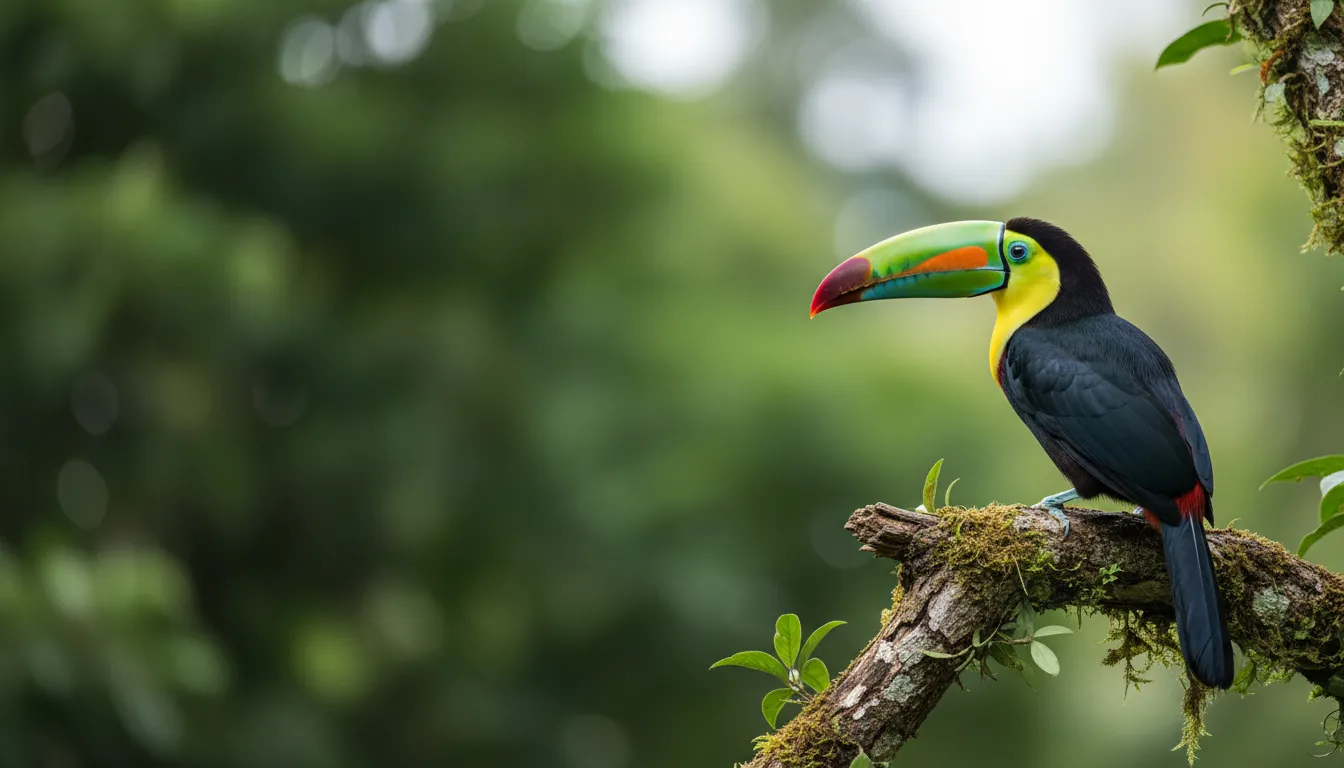
Neo Fauna specializes in local species: toucans with their ridiculously oversized beaks, sloths moving at their characteristic not-quite-glacial pace, poison dart frogs sporting colors that scream “don’t touch me,” and various other Central Pacific residents. But here’s what sets this place apart—every animal has a story, and the staff actually knows them. That three-toed sloth near the entrance? She got tangled in power lines trying to cross the road and suffered burns that prevented her release. The keel-billed toucan in the flight enclosure? Confiscated from someone who thought exotic pets were a good idea until they realized toucans are loud, messy, and terrible roommates.
What really impresses locals (yes, we actually visit) is Neo Fauna’s commitment to breeding programs for endangered regional species. While tourists snap photos, behind the scenes they’re working on genetic diversity projects and raising populations of creatures that are disappearing from Costa Rica’s wild spaces. It’s conservation work happening right in our backyard, often without fanfare or social media glory—just people who genuinely care about keeping Costa Rica’s biodiversity from becoming past tense. A short, easy drive from Jaco Beach Zen makes this a perfect half-day adventure when you need a break from the beach but aren’t ready for an all-day expedition.
Beyond Jaco: Day Trips to Iconic Rescue Centers Worth the Drive
While Neo Fauna represents Jaco’s local conservation heart, some of Costa Rica’s larger rescue operations deserve space on your itinerary if you’ve got the time and wheels. These aren’t quick stops—they’re legitimate day trips—but they offer scope and scale that smaller facilities can’t match.
Rescate Wildlife Rescue Center (formerly Zoo Ave), located near the San José airport in Alajuela, functions as Costa Rica’s largest wildlife rescue and rehabilitation facility. We’re talking jaguars, tapirs, all four Costa Rican monkey species, countless bird varieties, and reptiles that’ll make you grateful for the barriers. If you’re planning your drive from San José to Jaco and have flexibility with your arrival time, Rescate makes a strategic first stop. You’ll witness the country’s biodiversity before you even reach the beach, and you’ll understand why Costa Ricans take “pura vida” and conservation seriously—it’s not just a slogan.
Further south, near Dominical, Alturas Wildlife Sanctuary combines rescue work with genuinely stunning Pacific Ocean views. This facility focuses on species common to the Osa Peninsula region, and their rehabilitation success rates are impressive. What makes Alturas special is the transparency—guided tours explain each animal’s backstory, their rehabilitation progress, and whether they’re candidates for release. It’s educational without being preachy, emotional without being manipulative. The drive from Jaco takes roughly 90 minutes, making it perfect for those times you want to explore the Dominical area and fancy a morning with wildlife before hitting those famous southern beaches.
Pro tip for digital nomads: if you’re tackling these longer drives, consider the journey part of your work-life integration. Dominical has solid co-working spaces where you can knock out a few hours of work before or after your sanctuary visit, making the trip pull double duty on your productivity-and-adventure scorecard.
Getting Involved: Volunteer & Support Opportunities (Beyond Just Visiting)
If snapping photos and moving on feels insufficient—if you’re the type who wants to actually contribute—Costa Rica’s rescue centers need you, possibly more than you realize. Many facilities, including local operations around Jaco, accept volunteers for hands-on work. We’re talking animal care, enclosure maintenance, food preparation, and educational program support. The commitment varies: some centers want weeks or months; others appreciate even a few days of dedicated help.
Honestly, not everyone has time for extended volunteering, especially if you’re here on a typical week-long vacation. That’s where “adopt an animal” programs and direct donations enter the picture. These centers survive on passion, dedication, and budgets held together with hope and duct tape. When you sponsor a specific animal—say, contributing monthly to support a permanently disabled sloth—that money directly funds its specialized diet, veterinary care, and habitat needs. It’s the kind of tangible impact that feels good months after your Jaco tan has faded.
Digital nomads, this is your moment: rescue centers desperately need skills-based volunteering. Can you design a better website? Manage their social media presence? Write grant proposals? Create educational content? Your professional skills might matter more than your willingness to clean enclosures. Reach out directly to facilities you’ve visited—most operate with tiny staff and would welcome someone who can improve their online presence or fundraising infrastructure. You get meaningful work, they get expertise they can’t afford to hire. Everybody wins, especially the animals.
Responsible Wildlife Tourism: How to Be a Good Neighbor to Nature
Let’s talk about the rules, because apparently some people need reminding: observe, don’t disturb. That means absolutely no feeding wild animals, particularly the monkeys who’ve learned that tourists equal snacks. Those cute capuchins at the beach? They’ve become aggressive little jerks because people keep feeding them, and now they’ll literally steal food from your hands—or worse, from your kids’ hands. It’s not cute; it’s a conservation problem we created.
Same goes for sloth selfies. Instagram be damned, handling sloths stresses them profoundly. Their heart rates spike, their already slow digestive systems get disrupted, and repeated handling can genuinely harm them. If someone’s offering you a chance to hold a sloth, that person doesn’t have the animal’s welfare in mind—they have your wallet in mind. Real sanctuaries don’t allow physical contact beyond what’s absolutely necessary for care, and they certainly don’t use animals as photo props.
Maintaining respectful distance applies especially around nesting birds or animals with young. That scarlet macaw building a nest? Give it space. The coati family crossing the trail? Enjoy from where you stand. Your zoom lens was invented precisely for these moments. When booking tours, ask operators directly about their animal welfare practices. Legitimate guides prioritize conservation, maintain proper distances, and won’t promise interactions that responsible tourism simply can’t deliver. If it sounds too good to be true—“hand-feed monkeys!” or “swim with dolphins!”—it probably involves compromised animal welfare.
Spot injured wildlife? Don’t attempt DIY rescue. Contact local authorities or reputable rescue centers immediately. They have the training, equipment, and legal authority to handle sensitive situations. Your intentions might be golden, but that injured iguana doesn’t know you’re trying to help—it knows you’re a potential predator. Leave rescue to rescuers. For more guidance on safely enjoying Jaco’s vibrant wildlife and other eco-friendly adventures in Jaco, we’ve got you covered with practical, local-tested advice.
Frequently Asked Questions
Are there any sloth sanctuaries directly in Jaco Beach?
Neo Fauna, located just outside Jaco proper, houses rescued sloths among other local species. While it’s technically not “in” downtown Jaco Beach, it’s a quick 10-minute drive—close enough for a morning visit before your afternoon surf session. For dedicated sloth sanctuaries with larger populations, you’ll need to venture toward the Caribbean side or up toward Manuel Antonio, but Neo Fauna offers genuine sloth encounters without the schlep. Their resident sloths can’t be released due to injuries or inability to survive in the wild, so they’ve found permanent homes here.
Can I volunteer with animals in Jaco, Costa Rica?
Absolutely, though opportunities vary seasonally and by organization. Neo Fauna and other local wildlife initiatives occasionally accept volunteers, particularly during busy periods or for specific projects. Commitment requirements range from a few days to several weeks. If you’re serious about volunteering, contact facilities directly well before your trip—popular programs fill up fast. Digital nomads staying long-term have the advantage here; you can build relationships with local centers and contribute ongoing skills-based support like social media management, photography, or educational content creation alongside traditional animal care work.
What’s the best way to see monkeys responsibly near Jaco?
Your best bet is hiring a knowledgeable local guide for a mangrove or rainforest tour where monkeys live naturally. These guides know monkey habits, respect their space, and won’t disturb them for tourist photos. Manuel Antonio National Park, about 40 minutes south, practically guarantees monkey sightings—all four Costa Rican species live there. Avoid beach areas where monkeys have become habituated to humans and aggressive from feeding. Never, ever feed wild monkeys or approach groups with babies. Observe from distance, use binoculars or zoom lenses, and let them go about their monkey business undisturbed.
Are animal rescue centers in Costa Rica ethical?
Most legitimate rescue centers in Costa Rica operate ethically, prioritizing animal welfare over profit. However, not every facility calling itself a “sanctuary” meets ethical standards. Red flags include opportunities to hold or take selfies with wildlife, animals performing tricks, or facilities that feel more like roadside attractions than conservation centers. Ethical centers focus on rehabilitation and release, provide lifetime care for unreleasable animals, maintain proper enclosures meeting species needs, employ trained staff, and operate transparently about their animals’ backgrounds. Research before visiting, read recent reviews, and trust your instincts—if something feels exploitative, it probably is.
How far is the Jaguar Rescue Center from Jaco?
The famous Jaguar Rescue Center sits near Puerto Viejo on Costa Rica’s Caribbean coast—roughly five to six hours from Jaco depending on traffic and road conditions. It’s an incredible facility absolutely worth visiting, but not a day trip from Jaco unless you enjoy spending twelve hours in a car. If you’re planning a longer Costa Rica adventure hitting both coasts, definitely include the Jaguar Rescue Center in your Caribbean itinerary. Otherwise, stick with Pacific-side sanctuaries like Neo Fauna, Rescate Wildlife near San José, or Alturas near Dominical for more practical day-trip distances from Jaco.
What should I do if I find an injured animal in Jaco?
First, don’t attempt to handle it yourself—injured animals are unpredictable and potentially dangerous, even small ones. Contact Neo Fauna (they’re closest), local police, or Costa Rica’s wildlife emergency hotline immediately. If you can safely observe the animal from distance without stressing it further, note its location and condition to relay to responders. Don’t offer food or water unless directed by professionals. Take photos from a respectful distance if possible—they help responders assess the situation before arrival. Remember, well-intentioned interference often causes more harm than help. Leave rescue to trained professionals equipped to handle wildlife safely.
Bahía Azul, unit 7C sits right on this stretch of sand — on the quiet south end of Jacó, a few hundred feet from the water.
Book on Airbnb