Beyond the Beach: A Jaco Bird Watching Guide to Costa Rica’s Feathered Wonders
Sure, Jaco’s famous for its surf breaks and sunset cocktails, but here’s what the beach-only crowd misses: this slice of Costa Rica’s central Pacific coast sits at an avian crossroads where coastal birds, mangrove specialists, and rainforest dwellers all show up for the party. Within a 30-minute radius of town, you can spot scarlet macaws performing their morning flyovers, toucans raiding fruit trees, and hummingbirds no bigger than your thumb working the hibiscus blooms. Whether you’re a serious birder with a life list or someone who just thinks toucans are cool, Jaco’s feathered scene delivers without requiring a week-long expedition into the wilderness. Grab your binoculars (or borrow a pair from a tour operator), and let’s explore why this beach town punches way above its weight in the bird watching department.
Why Jaco is a Birder’s Paradise (Even if You’re Just Beach-Bumming)
Jaco occupies a sweet spot where multiple ecosystems collide within walking or short driving distance. You’ve got the Pacific coastline with its pelicans and frigatebirds, mangrove estuaries along the Tárcoles River system, and transitional rainforest climbing into the hills behind town. This habitat diversity translates directly into species diversity—you’re not just birding one environment here.
The real magic happens in those transitional zones where forest meets beach, river meets ocean. These ecological edges concentrate bird activity, especially during feeding times. While Costa Rica’s “more species than North America combined” statistic gets tossed around a lot, what matters locally is accessibility. You can realistically spot 50+ species in a single morning without specialized knowledge or grueling hikes, which is precisely why Jaco works beautifully for casual observers and families alongside serious birders. The iridescent hummingbirds zipping through hotel gardens are just as legitimate as the trogons hiding in Carara’s canopy—it’s all part of the same remarkable ecosystem.
The Undisputed Stars: Where to Find Jaco’s Scarlet Macaw Royalty
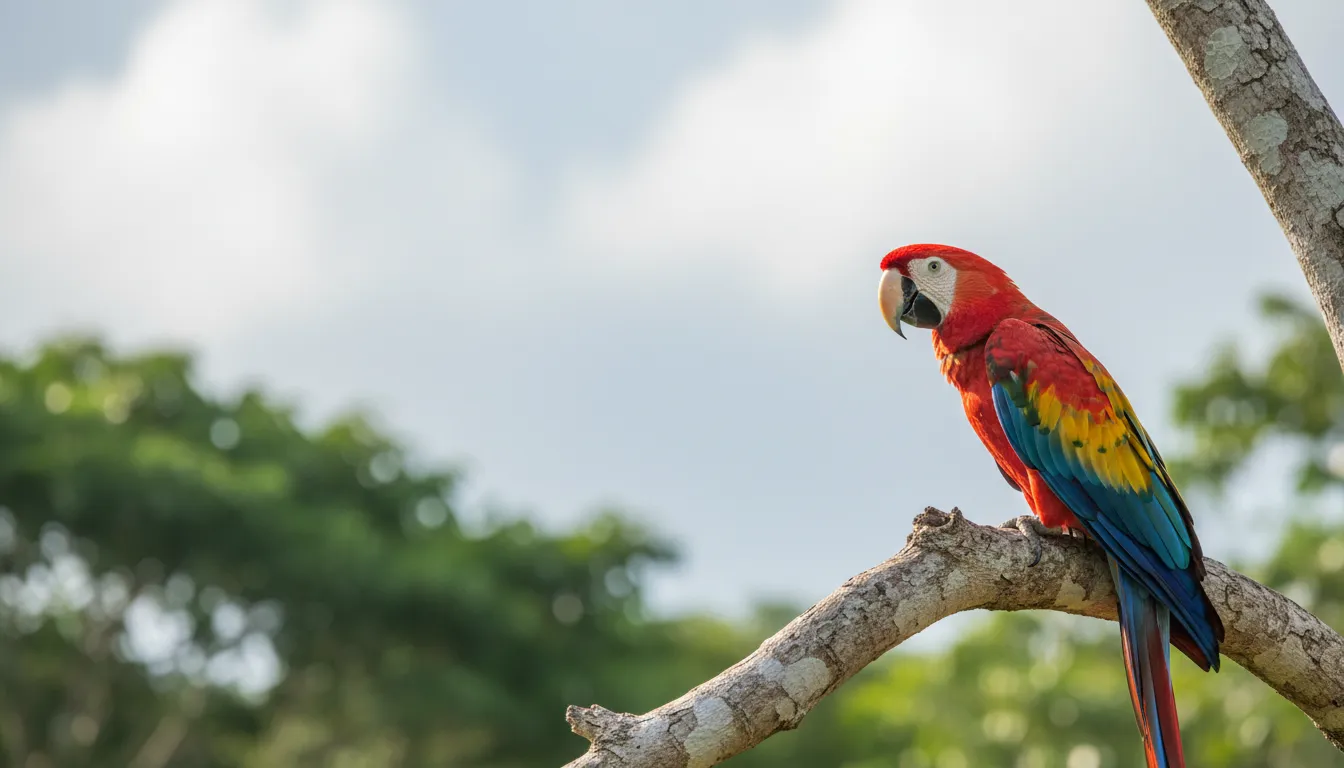
Let’s address the headliners first. Scarlet macaws are Jaco’s avian celebrities, and for good reason—these crimson, blue, and yellow beauties are impossible to ignore when they fly overhead in pairs, squawking loud enough to wake the town. Carara National Park, roughly 30 minutes north of Jaco, hosts one of Costa Rica’s largest remaining wild populations. Your odds of seeing them there approach near-certainty during morning hours, especially along the park’s main trails where they favor specific almond trees.
The Punta Leona area, between Jaco and Carara, offers another reliable viewing zone. Macaws follow predictable flight patterns between roosting and feeding sites, typically at dawn and dusk. If you’re staying anywhere along this stretch of coast, you’ll likely hear their distinctive calls before spotting them—they’re not subtle birds. Keep your eyes on the sky around 6:00 AM and again near sunset.
What makes these sightings especially meaningful is the conservation backstory. Scarlet macaws were dangerously depleted decades ago due to habitat loss and illegal pet trade. Community-led conservation efforts, including the annual Scarlet Macaw Fair in Bijagual each August, helped bring them back from the edge. Today’s healthy population represents a genuine conservation success, making every sighting a small celebration of what’s possible when communities commit to protecting their wildlife.
Beyond the Macaws: Other Must-See Birds of the Jaco Sky
While macaws steal the spotlight, Jaco’s supporting cast deserves equal billing. Toucans, particularly the Chestnut-mandibled Toucan, are surprisingly common around town. Their oversized, rainbow-striped beaks look like nature’s joke until you see them delicately plucking fruit from branches. They tend to stick to the canopy of fruiting trees, so scan upward when you hear their distinctive croaking calls.
Here’s an insider tip: the Royal Butterfly Farm on the road toward Hermosa wasn’t designed as a birding destination, but its gardens have become an accidental hotspot. The fruit trees and flowering plants attract tanagers, honeycreepers, and various hummingbird species. It’s a relaxed way to add several species to your day’s count while also seeing the butterflies.
The smaller forest specialists—trogons with their jewel-toned plumage, motmots with their distinctive racket-tipped tails, and an orchestra’s worth of tiny songbirds—populate the forested areas around Jaco. Often you’ll hear them first: the trogon’s low, repetitive call or the motmot’s soft hooting. Learning to bird by ear dramatically increases your success rate in dense forest where visibility is limited. Even at Jaco Beach Zen, our garden attracts hummingbirds and other small species that appreciate the flowering plants and relative quiet away from the main beach crowds.
Jaco’s Prime Birding Real Estate: Hotspots for Feathered Friends
Carara National Park remains the undisputed heavyweight champion for serious birding around Jaco. The park protects one of Central America’s last significant stands of transitional forest, creating habitat for species that don’t thrive in pure rainforest or dry forest. Guided tours (highly recommended for first-timers) typically start early to catch peak bird activity. Beyond macaws, you’ll have legitimate shots at trogons, woodcreepers, antbirds, and numerous tanager species. The well-maintained trails make it accessible without requiring expedition-level fitness.
The Tárcoles River boat safari offers a completely different birding perspective. From the water, you’ll spot herons, egrets, ibises, and kingfishers working the riverbanks. Most tour operators combine this with a Carara visit, creating a comprehensive morning that covers both aquatic and forest species. Yes, there are also massive crocodiles, which tends to excite the non-birders in your group.
Don’t sleep on Hermitage Park’s trail system for a quick birding fix. It’s an easy, accessible walk that often produces sightings of smaller forest species—wrens, warblers, and various flycatchers. The beauty of this spot is its proximity to town, making it perfect for an hour-long morning walk before other activities. From Jaco Beach Zen, you’re positioned perfectly to hit any of these spots—close enough to make morning departures painless, far enough from downtown chaos to actually hear the birds when you’re back at the property.
Timing is Everything: When to Catch Jaco’s Best Bird Show
Bird activity follows predictable daily patterns, and understanding them dramatically improves your success rate. Dawn to mid-morning (roughly 6:00 AM to 10:00 AM) is prime time. Birds are actively feeding, calling, and moving through the forest canopy. The light is better for photography, temperatures are tolerable, and many species are simply more visible. Late afternoon offers a second, smaller window of increased activity as birds feed again before roosting.
Migratory patterns add another layer. North American migrants arrive between September and April, supplementing the resident population. Species like warblers, vireos, and certain raptors pass through or winter here, boosting the variety available to birders during those months. However, resident species breed during the rainy season (May through November), meaning more vocal activity and potentially easier spotting as males defend territories.
Weather matters more than you might expect. Cloudy mornings often produce better birding than blazing sunshine because birds remain active longer and you’re not squinting into harsh light. Light rain doesn’t stop most species from feeding—they need to eat regardless—so don’t automatically cancel plans if clouds roll in. Just avoid heavy downpours when everything sensibly takes shelter.
Gear Up: Your Essential Bird Watching Kit for Jaco
Binoculars transform bird watching from frustration to revelation. That distant speck becomes a vivid, identifiable bird with proper optics. A mid-range pair (8x42 or 10x42) handles most situations well—powerful enough for distance but not so heavy you’ll abandon them after an hour. If you’re seriously interested but don’t own binoculars, many tour operators provide them, though quality varies.
A local guide represents the single best investment for productive birding, especially if you’re new to tropical species. These guides know individual birds’ territories, identify species by calls alone, and carry spotting scopes to share sightings with the group. Reputable tour operators departing from Jaco employ guides who’ve spent years learning the local avifauna—their expertise is genuinely remarkable. They’ll spot birds you’d walk past ten times without noticing.
Comfort gear matters for sustained sessions. Long, lightweight sleeves protect from sun and insects while keeping you cool. A wide-brimmed hat prevents squinting and sunburn. Quality insect repellent is non-negotiable in forested areas, especially near wetlands. Closed-toe shoes with decent tread handle trails better than sandals. Water and snacks keep energy levels stable during those early starts. A field guide or birding app helps with identification, though your guide will handle most of this. The goal is staying comfortable enough to remain still and attentive—fidgety, uncomfortable birders miss the good stuff.
Frequently Asked Questions
What are the chances of seeing a scarlet macaw in Jaco?
Extremely high if you visit Carara National Park or the Punta Leona area during morning hours. Macaws follow predictable routes between roosting and feeding sites, especially around dawn. Even from Jaco proper, you’ll often hear them flying overhead. A morning visit to Carara with a guide essentially guarantees sightings barring unusual circumstances. Their large size, bright colors, and loud calls make them one of the easiest “signature” species to spot—they’re not exactly hiding.
Do I need a birding guide, or can I go bird watching on my own in Jaco?
You can absolutely self-guide, especially at accessible spots like Hermitage Park or even around town for common species. However, a local guide exponentially increases your success rate for forest species. They know specific territories, identify birds by sound, and carry scopes to share sightings. First-time tropical birders particularly benefit because the sheer number of unfamiliar species can be overwhelming. For Carara specifically, guides provide context about the ecosystem and conservation efforts that enriches the entire experience beyond just checking species off a list.
Is Carara National Park kid-friendly for bird watching?
Yes, with appropriate expectations. The main trails are well-maintained and relatively flat, suitable for elementary-aged kids and up. Younger children’s attention spans may struggle with the quiet patience birding requires, but the macaws and toucans usually deliver enough drama to keep them engaged. Tours typically last 2-3 hours, which hits most kids’ limit anyway. Many families successfully combine birding with the river crocodile tour for variety. Choose a guide experienced with families—they’ll adjust pacing and focus on the showier species kids appreciate most.
What’s the best time of day to go bird watching near Jaco?
Early morning, starting around 6:00 AM, offers peak bird activity. Species are feeding, calling, and moving through the forest, making them easier to locate and observe. Late afternoon provides a secondary window, though typically less productive than morning. Midday birding can work but requires more patience as many species rest during the hottest hours. If you’re serious about maximizing sightings, those dawn tours are worth dragging yourself out of bed for—the difference in bird activity between 6:00 AM and 10:00 AM is genuinely dramatic.
Are there any free bird watching spots in Jaco?
Hermitage Park offers free trail access and regularly produces good sightings of smaller forest species. The Jaco beach area itself hosts coastal birds—pelicans, frigatebirds, and various shorebirds—without any entry fees. Around town, keep eyes open in areas with mature trees and gardens; toucans and parrots don’t respect property boundaries. While Carara charges park admission, the fee is reasonable and supports conservation. The Royal Butterfly Farm charges entrance but provides a pleasant environment for casual birding alongside the butterflies. Free spots work well for supplementing guided tours rather than replacing them entirely.
What kind of specific birds can I expect to see beyond macaws and toucans?
Carara and surrounding areas host trogons (including the stunning Baird’s Trogon), various motmot species, woodpeckers, antbirds, tanagers in multiple colors, hummingbirds, flycatchers, oropendolas with their distinctive hanging nests, and numerous parrot species beyond macaws. Near water, you’ll find herons, egrets, kingfishers, and ibises. Raptors like hawks and caracaras patrol open areas. The exact species depend on habitat, season, and luck, but 30-50 species in a morning at Carara is entirely realistic with decent effort and conditions.
Can I combine a Tárcoles River tour with a visit to Carara for birding?
Absolutely—many tour operators offer exactly this combination, and it makes excellent sense logistically and ecologically. The river tour provides access to aquatic species you won’t see in the forest, while Carara delivers the forest specialists. Most combined tours start early with Carara (better for forest birds), then hit the river mid-morning. You’ll cover two distinct habitats, significantly expanding your species list for the day. The crocodile sightings on the river provide dramatic relief between the more subtle forest birding, which helps maintain energy and interest, especially for mixed groups.
What should I bring for a bird watching tour in Jaco?
Binoculars if you own them, though many tours provide loaners. Wear long, lightweight clothing in neutral colors—bright whites and reds can spook birds. Closed-toe shoes with grip for trails. Wide-brimmed hat and sunscreen. Quality insect repellent, especially for forested areas. Water bottle and small snacks. Camera with zoom capability if you want photos, though managing binoculars and camera simultaneously challenges coordination. A small backpack keeps hands free. Field guide or birding app if you enjoy identification, though your guide handles this. Most importantly, patience and quiet—birding rewards stillness and attention to subtle movements and sounds.
Bahía Azul, unit 7C sits right on this stretch of sand — on the quiet south end of Jacó, a few hundred feet from the water.
Book on Airbnb