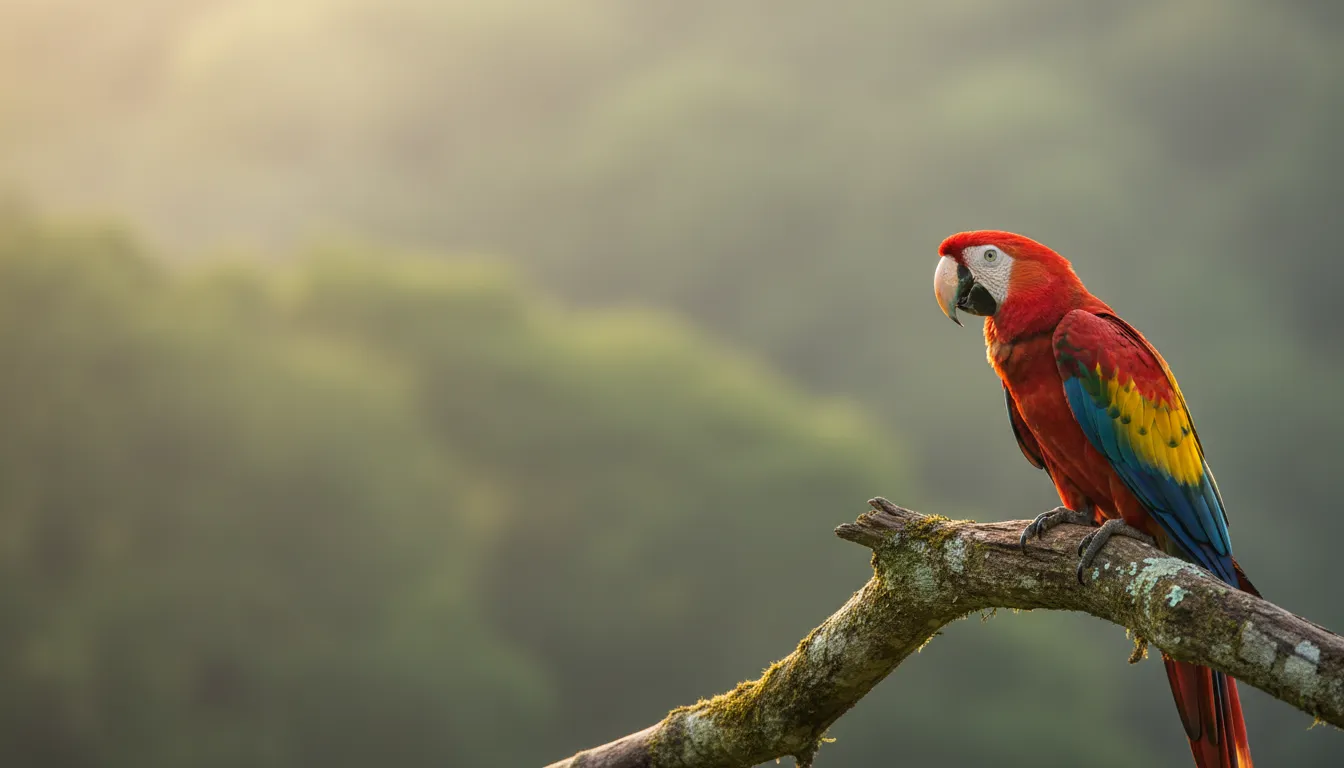
Framing Paradise: Your Insider’s Guide to Wildlife Photography Tours in Jaco, Costa Rica
Let’s get one thing straight: Jaco isn’t just another surf-and-sunset destination where you snap the same beach photo everyone else does. Sure, the waves are spectacular and the sunsets deserve their own Instagram account, but what most visitors miss is the living, breathing wildlife gallery happening just beyond the beach break. I’m talking macaws painting the sky at dawn, sloths perfecting the art of slow motion in rainforest canopies, and crocodiles so massive they look Photoshopped (they’re not). As someone who calls Jaco home, I’ve watched countless travelers walk past extraordinary photo opportunities because they didn’t know where to look—or more importantly, when. This guide is your backstage pass to the wildlife photography experiences that’ll make your portfolio sing, your friends jealous, and your camera work overtime. We’re skipping the tourist traps and heading straight for the shots that capture what makes Costa Rica’s Central Pacific coast genuinely wild.
Beyond the Postcard: Why Jaco is a Wildlife Photographer’s Dream (and How to Nail the Shot)
Here’s what the glossy brochures won’t tell you: Jaco sits at this sweet intersection of accessible infrastructure and legitimate wilderness. We’re not talking about some sanitized nature park where animals show up on cue—this is the real deal, just surprisingly close to civilization. Within a 30-minute radius, you’ve got primary rainforest, mangrove estuaries, and rocky coastlines, each hosting completely different ecosystems and photo opportunities. That scarlet macaw you photograph at sunrise in Carara? By lunch, you could be shooting white-faced capuchins in Manuel Antonio, and by sunset, capturing great blue herons hunting in the Tarcoles mangroves. This concentration of biodiversity isn’t just convenient—it’s rare.
The magic happens because Jaco hasn’t been loved to death yet. Unlike some Costa Rican hotspots where tour buses outnumber toucans, our local guides know the quieter trails, the fruiting trees where spider monkeys gather, and which tide pools attract the most photogenic marine iguanas. They’re not working from a script; they’re reading the forest like you’d read a favorite book, noticing details that turn a decent outing into a career-defining shoot. And yes, that local knowledge matters whether you’re a parent hoping your kids see their first sloth or a serious photographer chasing National Geographic-worthy frames.
What really sets Jaco apart is flexibility. Got a family that loses patience after an hour? There are quick, high-reward spots perfect for short attention spans and guaranteed wildlife encounters. Serious about that perfect shot and willing to wake at 4 AM? Our guides will take you to locations where patience pays off in spades. The rainforest doesn’t care about your skill level, but the right tour makes all the difference between frustration and filling your memory cards with keepers. And speaking of action, Best Ecotourism Experiences in Jaco covers the broader tour landscape, but for photographers, prioritize guides who specifically mention wildlife photography in their offerings, not just wildlife viewing.
Choosing Your Lens: Finding the Perfect Wildlife Photography Tour in Jaco
Not all wildlife tours understand that photographers need different things than casual nature lovers. Sure, everyone wants to see animals, but you need time to adjust settings, wait for better light, and occasionally stay absolutely still while a hummingbird decides whether to cooperate. Generic tours rush you along; photography-focused expeditions understand that sometimes the best use of 20 minutes is waiting for clouds to clear or an iguana to turn its head. Ask potential guides point-blank: do they accommodate photographers, or just tolerate them?
The gold standard? Guides who grew up here, know their birds from their binturongs, and understand the technical side of photography. They’ll position the group for optimal angles, know when morning light hits certain valleys perfectly, and—crucially—recognize the difference between a photo opportunity and a photo you’ll actually keep. These guides won’t just point out a distant speck and call it a toucan; they’ll get you close enough for a frame-filling shot, then give you space to work. Small group sizes matter enormously here. Six people with cameras can be managed; 20 people guarantees you’ll scare off everything interesting.
My honest recommendation? Book tours that start early, even if you’re not naturally a morning person. That 5:30 AM pickup time exists because wildlife doesn’t sleep in, and the light between 6 and 8 AM is genuinely magical—soft, golden, and flattering to everything from feathers to foliage. Tours that start at 9 AM are convenient but you’ve already missed the best action. And speaking of action, Best Ecotourism Experiences in Jaco covers the broader tour landscape, but for photographers, prioritize guides who specifically mention wildlife photography in their offerings, not just wildlife viewing.
Secret Squirrel Spots & Crocodile Clicks: Top Photography Locations Around Jaco
Let’s talk Tarcoles River first, because if you haven’t photographed a 15-foot crocodile, you haven’t really experienced Costa Rican wildlife photography. Most tourists stop at the bridge, snap a few shots of distant reptiles, and leave. Fine for snapshots, terrible for serious photography. Instead, book an afternoon boat tour that gets you eye-level with these prehistoric beauties. The afternoon light is warmer, less harsh than midday, and boat guides know exactly where the big males sun themselves. Bring your longest lens—even 300mm feels short when you want to capture the texture of crocodile hide or that unnerving direct gaze.
Carara National Park deserves its reputation as macaw headquarters, but timing is everything. These birds are most active at dawn and dusk when they’re flying between feeding and roosting areas. The famous Carara Trail offers decent opportunities, but locals know the lesser-visited trails where scarlet macaws nest and feed with less human disturbance. Go during dry season (December through April) when trees are less dense and birds are easier to spot against clearer skies. Bring a fast lens—macaws in flight require quick shutter speeds, and rainforest light is surprisingly dim even on bright days.
Manuel Antonio National Park is worth the drive south, especially if monkeys and sloths are your targets. Yes, it gets crowded, but go on a weekday morning and you’ll still find sections of trail where you can set up and wait without tour groups trampling through your frame. The density of wildlife here is absurd—some days you’ll encounter all four Costa Rican monkey species before lunch. The beach sections offer great opportunities for capturing animals against ocean backgrounds, something you won’t find in pure rainforest locations.
Don’t sleep on Jaco Beach itself for avian photography. Early mornings bring brown pelicans diving for fish, frigatebirds soaring on thermals, and various sandpipers working the tideline. Sunset sessions can yield stunning silhouettes of seabirds against orange skies—accessible, free, and often underutilized by visiting photographers who assume all the good stuff requires a tour.
Finally, Pura Vida Gardens & Waterfall offers controlled opportunities for photographing hummingbirds, butterflies, and colorful frogs. It’s not wilderness, but for macro photography and situations where you need reliable subjects, it’s gold. The waterfall backdrop adds production value to botanical and small wildlife shots, and unlike rainforest locations, the light is more manageable.
Light, Lenses, & Local Love: Essential Tips for Jaco Wildlife Photography
Timing is Everything: Those golden hours photographers obsess over? In the rainforest, they’re not just aesthetic—they’re when animals are actually out and active. Dawn and dusk offer cool temperatures that get wildlife moving, plus that coveted soft, directional light that makes everything from feathers to fur pop. Midday shoots are possible but challenging; the contrast is harsh, animals hide from heat, and your histogram will hate you. Plan serious shoots for early morning or late afternoon, and use midday for location scouting or beach shots where bright light works better.
Gear Up: A telephoto zoom (70-200mm minimum, 100-400mm ideal) is non-negotiable for wildlife work here. You’ll need reach for skittish subjects, and Costa Rican wildlife photography ethics demand keeping respectful distances. A sturdy tripod helps in dim rainforest conditions but can be cumbersome on trails—consider a good monopod as compromise. Humidity is your gear’s enemy, so bring silica gel packets, never leave equipment in sealed bags where moisture accumulates, and our property’s secure environment means you can properly store and maintain gear between shoots. Extra batteries are crucial; humidity drains them faster than you’d expect, and there’s nothing worse than missing the perfect macaw shot because your battery died at 60%.
Patience is a Virtue: Wildlife photography is fundamentally about waiting. You’ll spend far more time standing still than shooting, and that’s normal. The photographers who get extraordinary images aren’t necessarily more skilled—they’re more patient. They arrive early, stay late, and don’t give up after 10 minutes of no action. Let animals habituate to your presence before you start clicking away. The best shots often come 30 minutes into an encounter, once wildlife has decided you’re boring and returned to natural behavior.
Respect the Wild: Your presence should be invisible. Never approach animals closely, use flash, or make noise to get their attention. Don’t feed wildlife ever—it’s dangerous for them and illegal in protected areas. Stay on marked trails, pack out everything you bring in, and if an animal shows stress behaviors (alarm calls, fleeing, aggressive posturing), back off immediately. Remember, Packing for Jaco: Your Essential Guide to a Costa Rican Adventure includes details on appropriate clothing that won’t spook wildlife—earth tones over bright colors, quiet fabrics over noisy synthetics.
Beyond the Lens: What to Do (and Where to Stay) After the Shoot
After spending six hours crouched in humid rainforest waiting for a three-toed sloth to move its head (spoiler: they don’t move much), you’ll need somewhere comfortable to decompress and review the day’s take. Our location hits that sweet spot—close enough to Jaco’s restaurants and nightlife that you can grab excellent ceviche and cold beer within minutes, but far enough from the chaos that you’ll actually sleep well and hear ocean waves instead of traffic.
Jaco’s food scene has evolved beyond typical tourist fare. You’ll find everything from fresh-caught mahi-mahi to surprisingly good Italian, perfect for carb-loading before another early shoot or celebrating when you finally nail that perfect hummingbird shot. The local sodas (small family restaurants) serve authentic Costa Rican casados that cost less than a latte and taste infinitely better than resort buffets. Living Like a Local: Best Restaurants in Jaco breaks down where locals actually eat versus tourist traps.
For digital nomads or serious photographers editing late into the night, our property offers reliable Wi-Fi, comfortable workspaces, and enough peace to actually concentrate on post-processing. You’re not competing with pool parties for bandwidth or fighting background noise while color-correcting. The secure environment means your gear stays safe whether you’re out shooting or just need to leave laptops and cameras while you grab dinner. And that proximity to tour pickup points? You’re not losing an extra hour each way to transportation, which means more time shooting and less time sitting in vans.
Frequently Asked Questions
What’s the best time of year for wildlife photography in Jaco, Costa Rica?
Dry season (December through April) offers the most reliable weather and easier wildlife spotting since vegetation is less dense. However, green season (May through November) brings lush backgrounds, fewer tourists, and increased bird activity during nesting periods. For specific subjects like sea turtle nesting, you’ll want July through November. Honestly, any month offers photographic opportunities—just adjust expectations and pack accordingly. Rain creates dramatic lighting but challenges gear protection.
Do I need special permits for wildlife photography in national parks around Jaco?
No special photography permits exist for recreational or even semi-professional shooting in Costa Rican national parks. You’ll pay standard park entrance fees (around $10-16 USD depending on location), and commercial shoots requiring large equipment, models, or extensive setups might need permission from park administration. Drone photography is generally prohibited in protected areas. Guides handle park logistics, making entry straightforward for visitors.
Are there local guides fluent in English who specialize in photography tours?
Absolutely. Many Jaco-based guides grew up bilingual and understand that photography-focused tours require different pacing and priorities than standard wildlife viewing. When booking, specifically ask about English fluency and photographic experience. Better guides will ask about your equipment and goals upfront, which indicates they’re tailoring experiences rather than running cookie-cutter tours. Reviews mentioning photographers specifically are good indicators.
What kind of wildlife can I expect to photograph in and around Jaco?
The greatest hits include scarlet macaws, toucans, howler monkeys, white-faced capuchins, spider monkeys, three-toed sloths, American crocodiles, green iguanas, Jesus Christ lizards, numerous hummingbird species, and countless tropical birds. Marine life includes pelicans, frigatebirds, and occasional dolphins. Rarer sightings might include ocelots, anteaters, or tapirs, but don’t count on those—when they happen, it’s lottery-level luck. The everyday wildlife alone will keep your camera busy.
Is it safe to bring expensive camera equipment on wildlife tours in Jaco?
Yes, but exercise normal precautions. On guided tours, your gear is generally safe—reputable tour operators understand photographers carry valuable equipment. Avoid leaving gear unattended on beaches or in unlocked vehicles. Our property provides secure storage between shoots, which beats hotel safes that often can’t accommodate camera bags. Rain protection matters more than theft prevention; invest in quality rain covers for tropical downpours that appear without warning.
Can I rent professional photography equipment in Jaco, or should I bring my own?
Jaco lacks professional photography rental shops, so bring your own gear from home or rent in San Jose before heading to the coast. Some tour operators offer basic equipment (binoculars, spotting scopes) but not camera bodies or lenses meeting serious photography standards. If flying internationally, consider insurance for checked camera equipment and always carry essential gear as carry-on. The inconvenience of lugging equipment beats missing shots because you couldn’t rent locally.
Are there opportunities for bird-specific photography tours near Jaco?
Definitely. Several guides specialize in birding tours that work perfectly for photographers since birders and photographers share priorities: early starts, patience, and getting close to subjects. Carara National Park tours often focus heavily on avian species given the macaw populations and diverse bird life. Mention photography specifically when booking since bird-watching tours might move faster than ideal for capturing images. Peak birding season aligns with North American winter when migrants boost local populations.
What are the ethical considerations for photographing wildlife in Costa Rica?
Never approach wildlife closely—use long lenses to maintain safe, respectful distances. Flash photography startles and potentially harms animals, particularly nocturnal species. Don’t alter environments to improve compositions (moving branches, baiting with food). If animals change behavior due to your presence, you’re too close or too intrusive—back off. Support guides and tours prioritizing conservation over entertainment. Leave no trace, stay on trails, and remember that capturing images never justifies stressing or endangering wildlife. Your photos should document natural behavior, not document your intrusion.
Bahía Azul, unit 7C sits right on this stretch of sand — on the quiet south end of Jacó, a few hundred feet from the water.
Book on Airbnb