Shell Yeah! Your Insider Guide to Turtle Nesting in Jaco (and Nearby)
Let’s cut to the chase: if you’re picturing sea turtles nesting on Jaco Beach proper while you sip a craft cocktail at one of the beachfront bars, you might want to adjust your expectations slightly. Jaco town is brilliant for surf, sunsets, and spontaneous nightlife—but for witnessing one of nature’s most ancient rituals, you’ll need to venture about five minutes south to where the real magic happens. The good news? From Jaco Beach Zen’s location, you’re perfectly positioned to chase both waves and wildlife. Think of it this way: we’re close enough to wander downtown for fish tacos, far enough to hear the ocean instead of reggaeton, and absolutely close enough to witness mama turtles doing their thing at neighboring beaches. This guide will tell you exactly where to go, when to show up, and how to do it without being “that tourist” who accidentally photobombs a 100-million-year-old evolutionary miracle with their iPhone flash.
Jaco Beach: More Surf Than Sand Turtles (Mostly)
Here’s the honest truth from someone who actually lives here: Jaco Beach itself is usually too happening for serious turtle nesting. Our beloved main beach is a party animal, not a quiet nursery. Between the surfers catching dawn patrol, the beach volleyball games, the occasional beach bonfire, and the general human activity that makes Jaco, well, Jaco—it’s simply not the serene environment that pregnant sea turtles seek when choosing their maternity ward.
Occasionally, and I mean occasionally, you might spot tracks from a particularly adventurous (or possibly confused) mama turtle who decided to give Jaco Beach a try, or you might catch a super stealthy nighttime appearance. But these sightings are rare enough that they make the local Facebook groups light up with excitement. Don’t plan your entire Costa Rican vacation around witnessing turtle nesting on Jaco Beach specifically—you’ll likely be disappointed, and the turtles appreciate your understanding.
The takeaway? Jaco Beach is still absolutely worth your time for a hundred other reasons (the surfing, the sunsets, the proximity to basically everything), but for your turtle encounter, keep reading.
Playa Hermosa: Jaco’s Backyard Nursery & Conservation Hotspot
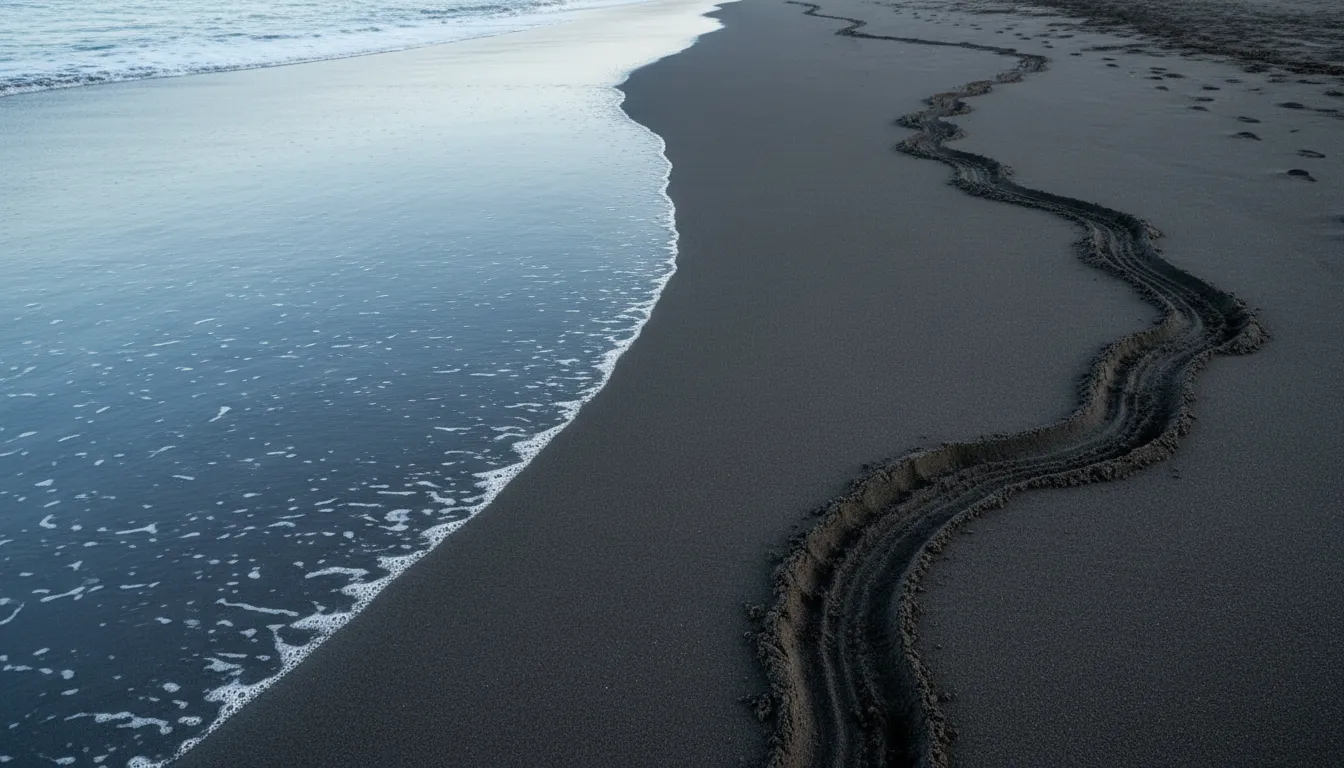
Just a quick 5-10 minute drive south of Jaco’s bustling center lies Playa Hermosa, and this is where the real magic happens. This isn’t just any beach—it’s part of the Playa Hermosa-Punta Mala Wildlife Refuge, an 8-kilometer stretch of protected coastline dedicated specifically to our shelled friends and other wildlife. The contrast between Jaco and Hermosa is striking: darker volcanic sand, fewer people, consistent surf breaks, and most importantly, the kind of peaceful environment that sea turtles have been seeking for millions of years.
This is prime real estate for Olive Ridley sea turtles, who clearly have excellent taste in beachfront property. These medium-sized sea turtles are the most common nesters here, arriving under cover of darkness to dig their nests and deposit around 100 eggs before making their way back to the Pacific. Leatherbacks—the absolute giants of the turtle world, weighing up to 2,000 pounds—also make appearances here, particularly from October to March. Watching a leatherback haul herself up the beach is like witnessing a prehistoric submarine surface onto land.
Our local recommendation? Connect with ASVO (Asociación Salvemos las Tortugas de Parismina) for guided tours at Playa Hermosa. They’re the real heroes on the ground here, patrolling beaches nightly during nesting season, protecting nests from poachers and natural predators, and ensuring these ancient mariners have a fighting chance at survival. Their guides know exactly where to look, how to approach without disturbing nesting mothers, and they’ll share fascinating insights about sea turtle biology that you won’t find in any guidebook.
Remember the golden rules: keep conversations to whispers, phones on silent, and absolutely no flash photography. Turtles are decidedly not fans of the paparazzi, and sudden lights can disorient both nesting mothers and hatchlings, potentially causing them to abandon nesting attempts or head in the wrong direction.
Best Time to See Turtles in Jaco (and When to Play it Cool)
Timing is everything when it comes to turtle watching, and unlike your typical Costa Rican “hurry up and wait” situation, turtles actually keep a somewhat predictable schedule—at least by species and season.
Nesting Season: Olive Ridleys generally prefer the rainy season, roughly June through October, with peak activity happening between August and December. Think of it as their version of a summer vacation, except instead of relaxing, they’re performing one of nature’s most exhausting reproductive rituals. During peak months, you might see multiple turtles on a single night tour at Playa Hermosa.
Hatching Season: August through December is when the tiny hatchlings make their epic dash to the sea, typically 45-60 days after eggs are laid. Watching these ping-pong-ball-sized babies navigate the beach to the ocean is like witnessing a real-life miniature obstacle course, complete with crabs, birds, and the occasional piece of driftwood acting as hurdles. It’s simultaneously adorable and anxiety-inducing.
Leatherbacks: If you’re specifically chasing the giants, leatherback season typically runs October through March, with peak activity in November and December. These massive creatures are less common than Olive Ridleys but infinitely more dramatic to witness.
Night tours (usually starting around 8-10 PM) are your best bet for observing nesting mothers, as turtles almost always come ashore after dark. Dawn is ideal for catching hatchlings making their grand exodus to the Pacific, though many tours will also relocate nests to protected hatcheries and release babies at dusk for safety.
Here’s the reality check: nature doesn’t work on a strict schedule, just like a good Pura Vida lifestyle. Sometimes you’ll arrive during peak season with a reputable guide and only see tracks from earlier in the night. That’s perfectly normal and still pretty cool—those tracks tell their own story. Manage your expectations, embrace the uncertainty, and you’ll have a better experience.
Choosing a Responsible Turtle Tour: Don’t Be ‘That Guy’
Not all turtle tours are created equal, and choosing the right one matters enormously—both for your experience and for the turtles’ wellbeing. Here’s how to separate the conservation-minded operators from the opportunists.
Always opt for tours run by established conservation groups like ASVO or certified local guides with documented ties to environmental organizations. These folks know the regulations inside and out and prioritize the turtles’ wellbeing over making a quick buck from tourists. They’re also typically the ones with legal permission to be on protected beaches after dark.
Ask specific questions about their protocols before booking: What’s their maximum group size? (Smaller is better—ideally under 10 people.) What kind of lighting do they use? (Red-filtered flashlights only, never white lights or phone screens.) What’s their approach distance to nesting turtles? Do they allow touching? (The answer should be absolutely not.) If a tour operator can’t clearly answer these questions or seems annoyed that you’re asking, find someone who can.
Supporting legitimate conservation-based tours means your tourist dollars directly fund ongoing protection efforts, nest monitoring, beach patrols, and environmental education. It’s guilt-free adventure that actually contributes to solving the problems facing sea turtles.
For families: Have the conversation with kids beforehand about why patience and quiet observation are essential parts of this adventure. Frame it as a privilege to witness something special, not a guaranteed show. This is a living lesson in respecting nature, and honestly, most kids rise to the occasion beautifully when given context.
Digital nomads: This is absolutely the kind of meaningful, offline experience worth unplugging for. Leave the laptop at Jaco Beach Zen for the evening, embrace the analog world, and let yourself be fully present for something genuinely remarkable.
Beyond the Beach: Supporting Jaco’s Turtle Conservation Efforts
Can’t make it to a tour during your stay, or want to contribute beyond just showing up for the spectacle? There are plenty of ways to support turtle conservation efforts in the Jaco area.
Many local organizations, including ASVO, welcome donations year-round. Even small contributions help fund beach patrols, equipment, nest protection materials, and educational programs. If you’re planning an extended stay in the area—looking at you, retirees and digital nomads—some organizations accept volunteers for beach patrols and nest monitoring, though this typically requires a time commitment of at least a week.
Simple beach etiquette goes a long way: pack out everything you pack in, avoid leaving any trash (especially plastic, which turtles mistake for jellyfish and consume), don’t dig holes or build sandcastles that could trap hatchlings, and if you’re lucky enough to stumble upon tracks or a nesting turtle on your own, observe from a respectful distance and report the sighting to local authorities.
Finally, spread the word about responsible turtle tourism. Share your experience on social media (after the fact, not during), recommend reputable tour operators, and gently educate fellow travelers who might not understand why these protocols matter. Be an ambassador for our shelled friends, not a disturbance.
Frequently Asked Questions
What are the best months to see turtles nesting near Jaco?
Your best window for Olive Ridley nesting at Playa Hermosa is August through December, with September and October being particularly active. For leatherbacks, target October through March, especially November and December. That said, some nesting activity happens outside these windows—nature doesn’t follow calendars perfectly. Book a tour with ASVO or another reputable operator who monitors nesting activity and they’ll give you the most current information based on what’s actually happening on the beach.
Can I see turtle hatchlings in Jaco Beach?
Hatchlings are extremely rare on Jaco Beach proper for the same reason nesting is rare—too much human activity. Your best chance to witness hatchlings making their dash to the ocean is at Playa Hermosa during hatching season (August-December), either on a dawn tour or through organized hatchling releases that conservation groups sometimes conduct at dusk. These releases often come from protected hatcheries where eggs were relocated for safety, ensuring maximum survival rates.
Is it safe to go on a night turtle tour with my family in Jaco?
Absolutely, when you book with reputable operators. Organizations like ASVO have years of experience conducting family-friendly tours safely. Guides know the beaches intimately, tours typically stay in groups, and the beaches themselves (particularly Playa Hermosa) are generally safe. That said, avoid attempting solo night beach walks to look for turtles—always go with certified guides who have permission to be on protected beaches after dark and know proper safety protocols.
Are there any specific rules for watching turtles in Jaco?
Yes, and they’re non-negotiable. No flash photography or white lights (red-filtered flashlights only). Maintain at least 10 feet distance from nesting turtles. Absolutely no touching turtles or eggs. Keep noise to whispers. Stay behind the turtle, never in front blocking her path. Don’t use phones or cameras during the actual nesting process. If you encounter a turtle on your own, don’t approach—contact local conservation groups. These rules exist because turtles can abandon nesting attempts if disturbed, and hatchlings can become disoriented by artificial lights.
How far is Playa Hermosa from Jaco Beach, really?
From central Jaco Beach to Playa Hermosa is literally 5-10 minutes by car, depending on where exactly you’re starting from and traffic (which is rarely an issue). From Jaco Beach Zen, you’re looking at a quick drive down the coastal road. Many tour operators offer pickup from Jaco accommodations, or you can easily grab a taxi, Uber, or rental car. The proximity is one of Jaco’s secret advantages—you get the town’s energy and amenities while remaining close to quieter natural experiences.
Can I volunteer with sea turtle conservation efforts near Jaco?
Yes, though it requires commitment. ASVO and other local organizations typically accept volunteers, but you’ll need to commit to at least a week, sometimes longer. Volunteer work often includes night patrols, nest monitoring, data collection, and beach maintenance. It’s physically demanding but incredibly rewarding. Contact organizations directly well in advance of your trip to discuss opportunities, requirements, and timing. This is realistically more feasible for extended-stay visitors, retirees, or digital nomads than typical week-long vacationers.
Bahía Azul, unit 7C sits right on this stretch of sand — on the quiet south end of Jacó, a few hundred feet from the water.
Book on Airbnb