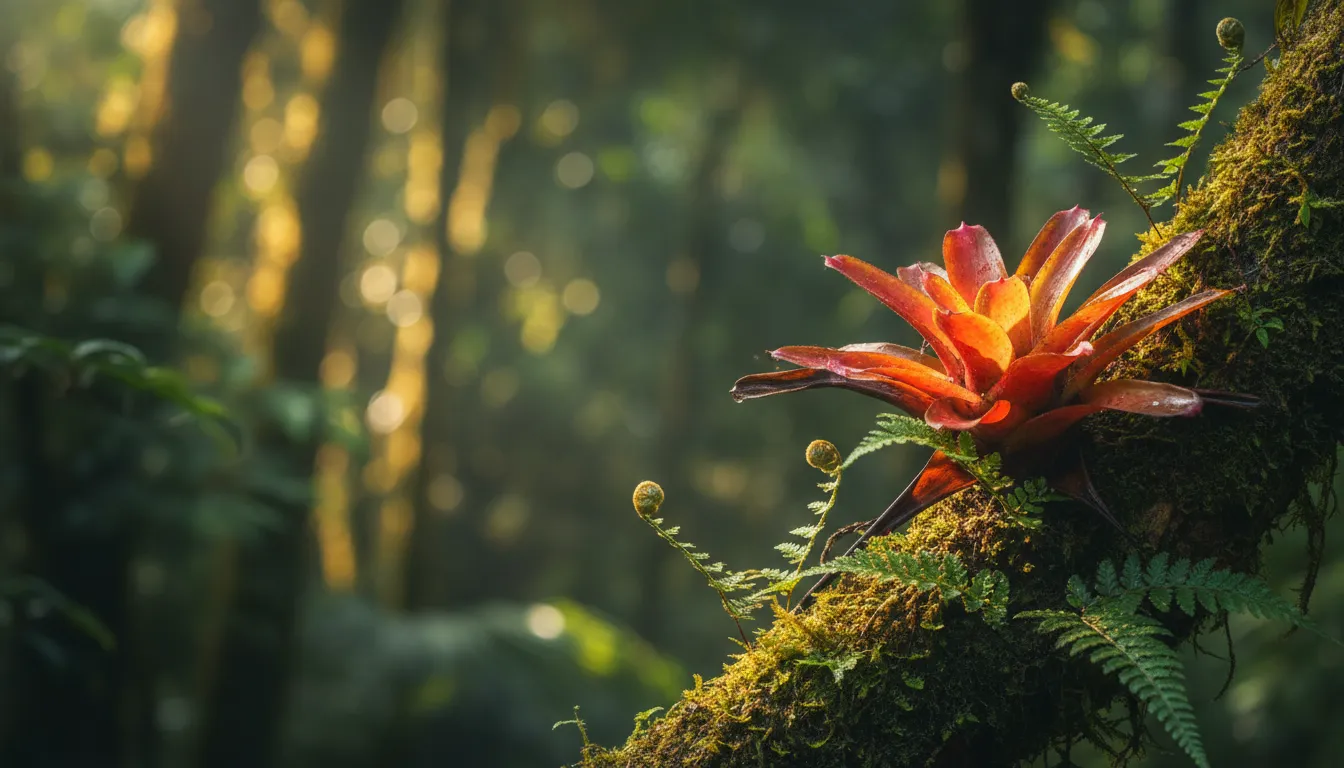
Beyond the Beach: Uncovering Jaco’s Wild Side on Nature Walks & Hikes
Sure, Jaco’s waves are legendary, and the beach scene is electric—but if you think this town is only about surfboards and sunburns, you’re missing half the story. Just beyond the salt-sprayed shoreline lies a world where howler monkeys provide your alarm clock, scarlet macaws streak across the sky like flying rainbows, and rainforest trails reveal secrets that no beach towel can compete with. The beauty of Jaco? You don’t need to choose between beach bliss and wild adventure—here, they’re practically neighbors. Lace up those hiking boots (or at least pack them alongside your flip-flops), because we’re about to show you where the wild things are, and trust us, they’re closer than you think.
Trading Surfboards for Hiking Boots: Why Jaco is a Nature Lover’s Oasis
Jaco sits at one of Costa Rica’s most interesting ecological crossroads—where the dry forests of the northern Pacific collide with the humid rainforests creeping up from the south. This transitional zone creates a wildlife buffet that’s surprisingly diverse for such a compact area. You might spot species typically found hundreds of kilometers apart, all within a morning’s exploration.
What really sets Jaco apart for nature enthusiasts is accessibility. Forget those epic two-hour drives through winding mountain roads that other Costa Rican destinations demand. Many of Jaco’s prime wildlife-spotting locations are a quick ten-to-twenty-minute hop from town. You can genuinely squeeze in a rainforest hike before breakfast and still make your afternoon surf lesson. That’s the Jaco advantage: close enough to wander downtown for fish tacos, far enough to hear the waves—and near enough to immerse yourself in genuine wilderness without the expedition-level planning.
Here’s the secret that experienced naturalists know: the best sightings often come when you slow down. This isn’t an adrenaline rush like ziplining (though we’ve got that too). It’s about pausing on a trail, looking up into the canopy for movement, listening for rustling leaves, watching where the light filters through. Patience rewards you with moments no Instagram filter can improve—a sloth slowly rotating its head to observe you observing it, or a troop of capuchins casually crossing overhead like they own the place. Because, well, they do.
Kid-Friendly Treks (and What to Spot) for the Pint-Sized Explorers
Traveling with little ones doesn’t mean sacrificing wildlife encounters—it just means choosing your trails strategically. Jaco offers several gentle, manageable routes where short legs won’t stage a mutiny, but the discovery factor remains wonderfully high. Think sun-warmed rocks with iguanas basking like miniature dinosaurs, or capuchin monkeys performing aerial acrobatics that’ll have kids squealing with delight.
Our personal favorite for families? The pathway stretching from Jaco Beach’s south end toward the more secluded coves and rocky outcrops. This isn’t technically a “trail” in the formal sense—it’s more of an impromptu nature walk along the coastline where jungle meets sand. Early morning expeditions here have surprised us with sightings of tropical birds, agoutis (adorable guinea-pig-like rodents), and yes, occasionally a sloth hanging motionless in a beachside tree. It’s perfect because you can bail back to the beach anytime energy flags.
Packing smart makes all the difference. Essentials include natural bug spray (the rainforest’s tiny vampires are enthusiastic), refillable water bottles, good sun hats, and perhaps a small magnifying glass for those budding naturalists who want to examine every leaf and insect up close. We’ve seen kids absolutely mesmerized by leafcutter ants marching in formation—simple pleasures often beat elaborate attractions.
Safety first, always: Stick to well-marked paths, especially with children. Consider early morning starts to dodge the midday heat, and remember that even “easy” trails can have uneven surfaces. Watch for slippery rocks near water, and teach kids the golden rule: look but don’t touch. Costa Rica’s wildlife is remarkably tolerant, but they’re still wild animals deserving respect and space.
Carara National Park: Scarlet Macaws, Crocodiles, and Your Rainforest Classroom
If Jaco has a crown jewel for nature walks, Carara National Park wears that crown with considerable flair. Located about fifteen minutes north of town, Carara occupies a unique ecological position as a “transition forest”—that collision zone between northern dry forests and southern rainforests we mentioned earlier. The result? Biodiversity that punches well above its weight class. You might encounter species typically separated by hundreds of kilometers, all sharing the same canopy.
Let’s talk macaws. Carara is THE definitive spot near Jaco for reliably witnessing brilliant scarlet macaws in their natural habitat. These magnificent birds—with their vibrant red, yellow, and blue plumage—often fly overhead in pairs at dawn and dusk, their raucous calls announcing their presence long before you spot them. Watching them soar against a jungle backdrop is genuinely breathtaking, the kind of moment that makes you forgive their 6 a.m. wake-up screeching.
Don’t leave without experiencing the Tárcoles River boat safari—consider it a non-negotiable side quest. This tour showcases truly massive American crocodiles, some stretching four-to-five meters, basking along muddy riverbanks like prehistoric logs. From the safety of your boat, you’ll also spot an incredible array of waterbirds: herons, egrets, roseate spoonbills, and dozens more species. It’s Animal Planet, live and unscripted.
Why splurge on a guide? These trails aren’t always obvious to untrained eyes. An experienced local guide transforms your hike from a pleasant walk into an educational revelation. They’ll point out perfectly camouflaged creatures you’d walk past—leaf-mimicking insects, sleeping bats tucked under leaves, poison dart frogs the size of your thumbnail. They’ll explain symbiotic relationships between plants and animals, identify bird calls, and share forest secrets you’d otherwise completely miss. The investment is absolutely worth it.
Hidden Gems and Local Favorites: Beyond the Tourist Trail
For adventurers craving something beyond the standard tourist circuit, Jaco’s surrounding areas deliver. The Bijagual Waterfall hike, for instance, offers a challenging, rewarding trek through primary jungle to one of Costa Rica’s tallest cascades. This isn’t a casual morning stroll—it’s a legitimate workout involving river crossings and steep terrain. Your reward? Standing before a thundering 200-meter waterfall in near-solitude, surrounded by pristine rainforest. It’s spectacular, demanding, and genuinely memorable.
We know a few quieter spots just outside town where monkey sightings are nearly guaranteed during early morning hours, and the birdwatching rivals anywhere in Costa Rica—without the crowds. These aren’t marked on Google Maps, and we prefer keeping them slightly under the radar to preserve their magic. Let’s just say that staying at a place with genuine local knowledge has its advantages when you’re seeking authentic wildlife encounters rather than tourist-packed viewing platforms.
Ethical wildlife viewing matters tremendously. Always observe animals from a respectful distance. Never feed wildlife—it disrupts their natural behaviors and diets, creating dependency and health problems. No touching, no harassment, no baiting for photos. We’re privileged guests in their home, not the other way around. Costa Rica’s wildlife is remarkably tolerant of human presence, but that trust is easily broken and hard to rebuild.
The beauty of Jaco’s nature scene? There’s genuinely a trail for every energy level and experience. Leisurely beachside strolls watching seabirds? Check. Serious rainforest treks requiring stamina and determination? Absolutely. Something in between? We’ve got you covered.
Tours or DIY? Navigating Jaco’s Nature Adventures
The guided-versus-solo question depends largely on your experience level and what you’re hoping to achieve. Guided tours simplify logistics completely—transportation, timing, equipment, and interpretation all handled. More importantly, professional guides dramatically increase your chances of spotting the cool stuff that expertly blends into its surroundings. That brownish lump on a branch? It’s actually a sloth. Those leaves moving oddly? There’s an iguana perfectly camouflaged. Guides know where to look and when.
Solo exploration is certainly possible for experienced hikers on well-marked trails, though even then, basic precautions apply. Always inform someone of your route and expected return time. Carry sufficient water, a charged phone, basic first aid, and trail snacks. Download offline maps beforehand—cell service can be spotty in forested areas. And honestly? Even experienced naturalists often miss wildlife that guides spot effortlessly through years of practice.
Vetting tour operators matters. Look for companies demonstrating sustainable practices, employing knowledgeable bilingual guides, and maintaining solid safety records. Ask fellow travelers for recommendations, read recent reviews, and don’t be shy about asking operators directly about their environmental commitments and guide qualifications. Legitimate operations welcome these questions.
Timing is genuinely everything for wildlife spotting. Early mornings and late afternoons offer the best activity levels and coolest temperatures. Midday heat sends most animals into siesta mode, and you’ll spend more energy sweating than spotting. Dawn expeditions often deliver the most magical experiences—the forest awakening, birds singing, animals emerging for breakfast, all before the tourist buses arrive.
Frequently Asked Questions
Are Jaco’s nature walks safe for families with young children?
Absolutely, with appropriate trail selection. Stick to well-maintained, clearly marked paths like those at Carara or gentle beachside routes. Avoid steep, muddy, or isolated trails with young kids. Always supervise children closely, bring plenty of water and snacks, start early to avoid heat, and remember that even easy trails require proper footwear—no flip-flops in the jungle. Most local tour operators offer family-specific tours designed for shorter attention spans and smaller legs.
What kind of wildlife can I realistically expect to see on a nature walk near Jaco?
Your likelihood includes monkeys (howler, capuchin, and spider species), sloths, iguanas, agoutis, coatis, basilisk lizards, and numerous tropical birds including toucans, parrots, and at Carara, scarlet macaws. Butterflies are everywhere. With luck and timing, you might spot poison dart frogs, crocodiles (especially at Tárcoles River), or even a tayra. Jaguars and pumas exist locally but are extremely rare and elusive. Patience and early timing significantly improve your odds for quality sightings.
Do I need a guide for hiking in Carara National Park, or can I go solo?
Carara allows independent exploration on its main trails, which are well-maintained and marked. However, hiring a guide transforms the experience entirely. Guides spot camouflaged wildlife you’d walk past, identify bird calls, explain ecosystem relationships, and share insights that make the forest come alive. The investment typically runs $25-40 per person and genuinely elevates your visit from pleasant walk to educational revelation. For first-time visitors especially, we strongly recommend guided tours.
What should I wear and bring on a rainforest hike in Jaco?
Wear lightweight, quick-drying clothes in neutral colors, closed-toe hiking shoes with good traction, and a hat. Bring plenty of water, natural bug spray, sunscreen, a small backpack, and perhaps binoculars for birdwatching. A light rain jacket is wise even during dry season—rainforests are unpredictably wet. Consider a waterproof phone case or bag for electronics. Skip perfumes and bright colors that might attract insects or disturb wildlife. Layers work well since temperatures vary between open areas and shaded forest.
Are there any accessible nature trails near Jaco for those with mobility concerns?
Carara National Park’s Universal Access Trail offers a wheelchair-accessible paved loop through primary rainforest—a rarity in Costa Rica. It’s short (approximately 1.2 kilometers) but delivers excellent wildlife viewing opportunities including frequent monkey sightings. Some beachside nature walks along Jaco’s flatter southern stretches also work for limited mobility, though surfaces are natural and uneven. Tour operators can arrange modified experiences focusing on accessible wildlife viewing from boats or vehicles. Always communicate specific needs when booking.
When is the best time of day to go nature walking or wildlife spotting?
Early morning (6-9 a.m.) reigns supreme for wildlife activity and comfortable temperatures. Animals are actively feeding, birds are vocal, and you’ll beat the heat and crowds. Late afternoon (3-5 p.m.) offers a second-best window as wildlife emerges from midday rest. Avoid midday hikes when possible—the heat is oppressive, and most animals sensibly hide. If visiting during rainy season (May-November), mornings typically offer drier conditions before afternoon showers arrive. Dawn expeditions genuinely deliver the most magical, memorable experiences.
Bahía Azul, unit 7C sits right on this stretch of sand — on the quiet south end of Jacó, a few hundred feet from the water.
Book on Airbnb