Mangrove Tours Jacó: Your Insider’s Guide to Cranky Crocs and Canopy Critters
Sure, Jacó’s surf is legendary, and the beach parties are solid gold, but if you think Costa Rica’s wild side stops at the shoreline, you’re missing half the story. Just north of town, where the Tárcoles River spreads its fingers into the Pacific, lies an ancient mangrove forest teeming with wildlife that’ll make your average zoo look like a pet shop. We’re talking dinner-plate-sized crocodiles, birds so pink they look Photoshopped, and monkeys with better social lives than most of us. This isn’t your manicured resort garden—it’s raw, real, and ridiculously alive. Whether you’re paddling silently through narrow channels or cruising in a covered boat with a naturalist guide, Jacó’s mangrove tours offer a window into an ecosystem that’s equal parts nursery, fortress, and ecological marvel. Let’s dive into why you should trade your flip-flops for binoculars for a morning.
Why Bother with Mangroves? It’s Not Just Mud and Mosquitoes (Promise!)
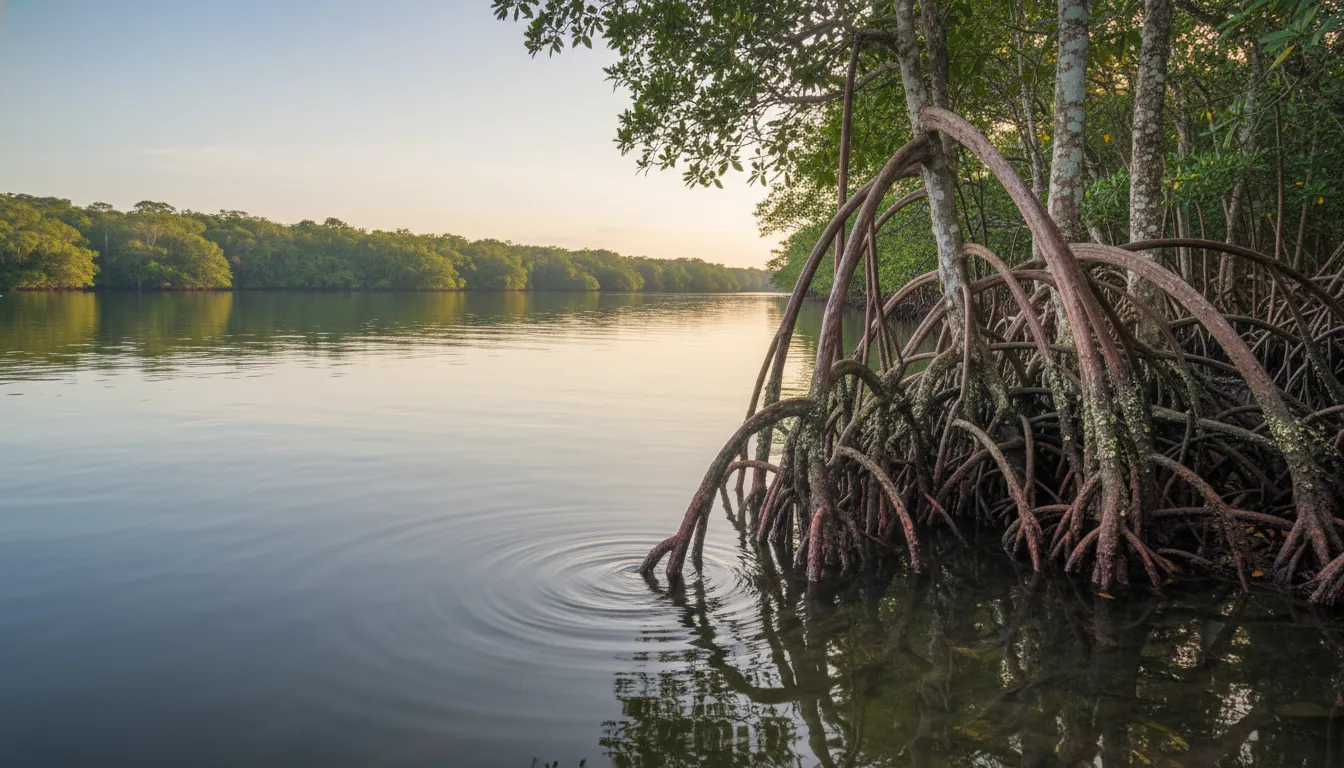
First things first: mangroves aren’t exactly Instagram’s favorite landscape. They’re tangled, muddy, and yes, occasionally buggy. But dismissing them as swampy filler is like skipping the Louvre because you don’t like crowds. Think of mangroves as nature’s coastal architects, building nurseries for fish and fortresses for birds, right where the river meets the Pacific. These salt-tolerant trees with their gnarly aerial roots create a unique buffer zone that protects the coastline from erosion, filters pollutants, and sequesters carbon like nobody’s business.
Unlike that manicured resort garden, this is the real, raw Costa Rica, a vital ecosystem that’s home to more unique creatures than you can shake a selfie stick at. It’s where baby fish hide from predators, where migratory birds refuel during epic journeys, and where crocodiles have been perfecting their sunbathing technique for millennia. The biodiversity here is staggering, and spending a few hours in these tidal forests will fundamentally change how you see “boring” wetlands. Plus, the wildlife encounters are legitimately thrilling—there’s nothing quite like locking eyes with a twelve-foot crocodile from twenty feet away.
The Guacalillo Estuary: Jacó’s Backyard Wildlife Wonderland
Just a 20-minute jaunt north of Jacó, the Guacalillo Estuary and Tárcoles River form a massive mangrove reserve that’s basically a living, breathing natural history museum. This isn’t some tiny puddle you can paddle across in ten minutes; it’s an extensive network of tidal channels, mudflats, and mangrove islands that’ll have you feeling like a true explorer, no pith helmet required. The estuary connects directly to Carara National Park, one of Costa Rica’s premier birding destinations, which means the species diversity here is absolutely off the charts.
What makes this spot special is its accessibility combined with its wildness. You’re not trekking for hours into remote jungle—you’re launching from a boat ramp a short drive from downtown Jacó. From our place at Jacó Beach Zen, you’re practically equidistant from the surf and this incredible ecological launchpad, which means you can catch waves in the morning and crocodiles in the afternoon without breaking a sweat on logistics. The Tárcoles River is also famous for having one of the highest concentrations of American crocodiles anywhere in Central America, so your odds of spotting these prehistoric beasts are essentially 100%. The estuary’s mix of freshwater and saltwater creates unique conditions that support an astonishing array of species, from microscopic plankton to apex predators.
Picking Your Poison: Boat vs. Kayak – Taming the Mangrove Maze
When it comes to exploring Jacó’s mangroves, you’ve got two main options, each with its own vibe and payoff. Boat tours are the classic choice for a reason. You’re in a covered, flat-bottom boat, meaning shade from the sun, dry seats, and accessibility for all ages and mobility levels. Perfect for families, retirees, or anyone who prefers their wildlife viewing powered by an engine and guided by an expert. The boats can navigate both the wide-open sections of the Tárcoles River (crocodile central) and the narrower estuary channels. You’ll have a knowledgeable guide doing the work while you focus on spotting that roseate spoonbill or getting the perfect shot of a basking crocodile. Most boat tours run two to three hours and cover significant ground, maximizing your wildlife encounters.
Kayak tours, on the other hand, are for the slightly more adventurous—or those who skipped leg day at the gym and want to make up for it. Paddle silently through narrower channels, getting up close and personal with the mangrove roots and the critters hiding within. There’s something genuinely magical about gliding through these ancient forests under your own power, with only the sound of your paddle breaking the surface and the occasional screech of a macaw overhead. It’s a real immersion, but be ready for a workout and closer encounters with the local residents of the insect variety. Kayak tours typically explore the calmer estuary areas rather than the main river, and they’re best suited for moderately fit folks who don’t mind a little sweat. Either way, you’re in for wildlife gold.
Who You’ll Meet: The Who’s Who of the Wetland Wild
Crocodiles are the undisputed kings of the Tárcoles River, and we’re not talking cute little lizards here. These are seriously massive American crocodiles—some pushing fifteen feet long—and your guide will know exactly where to find the biggest ones sunning themselves on mudbanks or lurking just beneath the surface. They’re simultaneously terrifying and magnificent, and seeing one in the wild is a bucket-list moment. Fun fact: American crocodiles are less aggressive than their Nile or saltwater cousins, but they still deserve maximum respect and a healthy distance.
Birds, birds, glorious birds. Keep those binoculars handy! Look for the shockingly pink roseate spoonbills, which are exactly as weird and wonderful as they sound—imagine a flamingo designed by committee. Flocks of white egrets, clever cormorants diving for fish, elegant boat-billed herons, and maybe even a shy mangrove hummingbird, a true Costa Rican local. For more on Jacó’s incredible birdlife, check out our guide to birdwatching in Costa Rica. The estuary is also a hotspot for green iguanas, which blend into the foliage so well you’ll walk right past them until they move.
Monkeys and more round out the cast of characters. White-faced capuchins are common, often traveling in troops through the canopy and making a racket that’ll alert you to their presence long before you spot them. You might also encounter sloths moving in slow motion through the branches, northern tamanduas (anteaters) doing their weird shuffle, or Jesus Christ lizards sprinting across the water’s surface. If you’re eager to spot more Costa Rican primates, our post on the local monkey business has you covered. Biological backstage pass: Opt for a biologist-led tour if you want to geek out on the finer points of ecosystem dynamics and species identification. These guides know their stuff and can explain why mangroves matter beyond just being a pretty backdrop for your vacation photos.
Tours Tied Up: Finding the Best Mangrove Guides from Jacó
Most reputable tour operators pick right up from Jacó, often including transfers to and from the estuary, so don’t worry about renting a car just for this adventure. The good operators handle logistics seamlessly, meaning you’re focused on wildlife instead of navigation. Look for guides who are naturalists—they don’t just point at birds; they educate, making the experience richer for everyone, from curious kids to seasoned travelers. A quality guide will explain the interconnectedness of the ecosystem, identify species by sight and sound, and share stories that make the science stick.
Booking through your accommodations—hint: Jacó Beach Zen has excellent recommendations and can connect you with reliable operators—often ensures you get guides with good safety records and deep local knowledge. We’ve vetted the folks we recommend, so you’re not playing roulette with random internet reviews. Tour prices typically range from $50 to $90 per person depending on duration and group size, and most include water, snacks, and all equipment. Morning tours tend to be best for bird activity, while afternoon excursions offer slightly softer light for photography. Either way, you’re in for a show.
Safety First (But Still Fun): Navigating the Mangroves Like a Pro
Let’s be real: you’re entering a wild ecosystem with apex predators, so a little common sense goes a long way. Don’t dally too close to the water’s edge on shore excursions, especially near the Tárcoles River. Crocs are fast, they’re always hungry, and they’ve been perfecting their ambush technique for millions of years. Your guide will keep you at safe distances for observation, but don’t be the hero who decides to creep closer for a better selfie. That’s how people end up as cautionary tales.
Wear sunscreen, a hat, and bug spray—it’s the jungle, folks, so prepare accordingly. Long sleeves and pants are a good idea for kayaking, especially in the narrower channels where branches overhang. The sun reflects off the water mercilessly, so even on overcast days, you’re getting UV exposure. Bring water and stay hydrated; it’s hotter and more humid than you think once you’re out there.
Most importantly, listen to your guide! These folks know the river and its inhabitants like the back of their hand. Their rules aren’t arbitrary buzzkills—they’re for your safety and the creatures’. They’ll tell you when to stay quiet for bird watching, when to keep your hands inside the boat, and which logs are actually crocodiles. Follow their lead, ask questions, and you’ll have an incredible, safe adventure that’ll be the highlight of your Jacó trip.
Frequently Asked Questions
Are mangrove tours in Jacó suitable for young children or older adults?
Absolutely. Boat tours are particularly family-friendly and senior-accessible, with stable platforms, shade, and minimal physical demands. Kids usually love spotting crocodiles and monkeys, and the guides are skilled at keeping younger audiences engaged. Kayak tours require moderate fitness and are typically recommended for ages ten and up. Most operators can accommodate mobility concerns with advance notice, so don’t hesitate to ask when booking.
What’s the best time of day to take a mangrove tour for wildlife spotting?
Early morning tours (around 7-9 AM) offer the best bird activity and cooler temperatures, with species actively feeding after dawn. Late afternoon excursions provide softer light for photography and increased crocodile sightings as they become more active before dusk. Honestly, both are excellent—it depends whether you’re a morning person or prefer sleeping in and catching the sunset glow on the water.
Do I need to be a strong swimmer to go on a mangrove kayak tour?
While basic swimming ability is recommended for kayak tours, you’ll be wearing a life vest the entire time, and guides stay close to the group. The channels are relatively calm and protected, not open ocean. That said, if you’re genuinely uncomfortable in water, the boat tour offers the same wildlife encounters without the paddle workout or risk of a surprise swim.
What should I bring with me on a Jacó mangrove tour?
Essentials: reef-safe sunscreen, hat, sunglasses with a retaining strap, bug spray, water bottle, and binoculars if you’re serious about birding. Cameras are great but bring a waterproof case or dry bag, especially for kayaking. Wear quick-dry clothing and shoes that can get wet. Most tours provide snacks and water, but confirm when booking. Leave valuables and unnecessary electronics at home.
How close do we get to the crocodiles on the Tárcoles River tour?
Boats typically approach within fifteen to twenty feet of sunbathing crocodiles, close enough for excellent photos and observation but maintaining respectful, safe distances. Guides know individual crocodiles’ behaviors and temperaments, positioning boats accordingly. You’ll get close enough to see every scale and tooth, but never dangerously close. It’s thrilling without being reckless, which is exactly how wildlife viewing should work.
Are there ethical concerns about disturbing wildlife during mangrove tours in Costa Rica?
Reputable operators follow strict guidelines to minimize disturbance: maintaining distances, limiting boat noise, avoiding nesting areas during breeding seasons, and never feeding wildlife. Choose guides affiliated with conservation organizations or certified by Costa Rica’s tourism board. Responsible ecotourism actually supports conservation by creating economic incentives for protecting these ecosystems. Ask operators about their practices—good ones will proudly explain their ethical approach.
Bahía Azul, unit 7C sits right on this stretch of sand — on the quiet south end of Jacó, a few hundred feet from the water.
Book on Airbnb