Spotting the Wild Side: Your Insider Guide to Jaco’s Flora & Fauna
Jaco’s not just surf breaks and sunset happy hours—though we excel at both. Step off the beach, and you’re standing at the edge of one of Costa Rica’s most biodiverse corridors, where transitional forests collide to create a wildlife casting call that’d make David Attenborough weep. White-faced capuchins raid mango trees in broad daylight, scarlet macaws screech overhead like flying salsa dancers, and if you’re patient (and lucky), you might spot a sloth doing its best impression of a mossy tree branch. The best part? You don’t need a machete or a PhD in ecology to experience it. From national park day trips to wildlife spotting from your morning coffee spot, Jaco’s flora and fauna scene is as accessible as it is spectacular. This guide cuts through the tourist fluff to show you where, when, and how to encounter the area’s wildest residents—without getting bitten, stung, or politely asked to leave by a territorial howler monkey.
Meet the Locals: Jaco’s Star-Studded Wildlife Cast (No Autographs Please)
Forget Hollywood—our local celebrities wear fur, feathers, and occasionally intimidating amounts of teeth. White-faced capuchins are Jaco’s unofficial greeters, often spotted rifling through trees near the beach or performing acrobatic raids on unattended fruit plates. These guys are smart, charismatic, and absolutely shameless. Howler monkeys announce sunrise with a guttural roar that sounds like a jet engine gargling rocks—romantic if you’re into primal alarm clocks, less so if you enjoy sleeping past six. Squirrel monkeys, the smallest and arguably cutest of the trio, travel in chatty troops and move so fast through the canopy they’re like caffeinated pinballs.
Scarlet macaws are Jaco’s aerial showstoppers, flying in monogamous pairs at dawn and dusk while squawking loud enough to drown out traffic. Their vibrant red-blue-yellow plumage isn’t just Instagram bait—it’s a conservation success story, as these birds have rebounded beautifully in the area thanks to protection efforts. Spot them near river mouths or flying between coastal forests and inland feeding grounds.
Sloths are the area’s most elusive celebrities, rarely seen near town but practically guaranteed on dedicated tours to nearby sanctuaries. Contrary to their sleepy reputation, sloths are strategic energy conservers who can move surprisingly fast when motivated—though “fast” is relative when your baseline speed is glacial. Their camouflage is so effective that even experienced guides sometimes walk past them twice before spotting the telltale moss-covered lump.
Beyond the Beach: Where to Find Jaco’s Finest Wild Exhibits (Without the Zoo Fees)
Carara National Park sits thirty minutes north of Jaco and functions as nature’s VIP lounge. This transitional forest straddles the ecological line between Costa Rica’s dry northwestern forests and the humid rainforests of the south, creating a species mash-up you won’t find elsewhere. The park’s famous Laguna Meándrica trail offers flat, accessible hiking where you’re likely to encounter poison dart frogs the size of thumbnails, Jesus Christ lizards sprinting across pond surfaces, and enough bird species to make your field guide look inadequate. Go early—by 9 AM, the heat turns the trails into saunas and the wildlife retreats to shaded naps.
For crocodile enthusiasts (and honestly, who doesn’t love prehistoric reptiles?), the Tárcoles River boat safari delivers American crocodiles so massive they could audition for monster movies. Some exceed fifteen feet and lounge on muddy banks like leathery logs until they decide to slip into the water with unnerving grace. The same tours showcase an absurd concentration of waterbirds—herons, egrets, ibises, and kingfishers competing for fishing spots while tour boats navigate respectfully around basking crocs. Safety note: admire from the boat. These aren’t the kind of animals that appreciate close-ups.
Even casual exploration around Jaco Beach Zen’s property yields wildlife surprises. We’re positioned just far enough from downtown’s chaos to function as a private nature preserve, yet close enough that your coffee run won’t require expedition planning. Guests regularly spot iguanas sunbathing on garden walls, toucans investigating fruit trees, and the occasional troop of capuchins conducting reconnaissance missions through nearby palms.
Feathered Friends & Flashy Flora: Jaco’s Botanical Wonders & Birding Hotspots
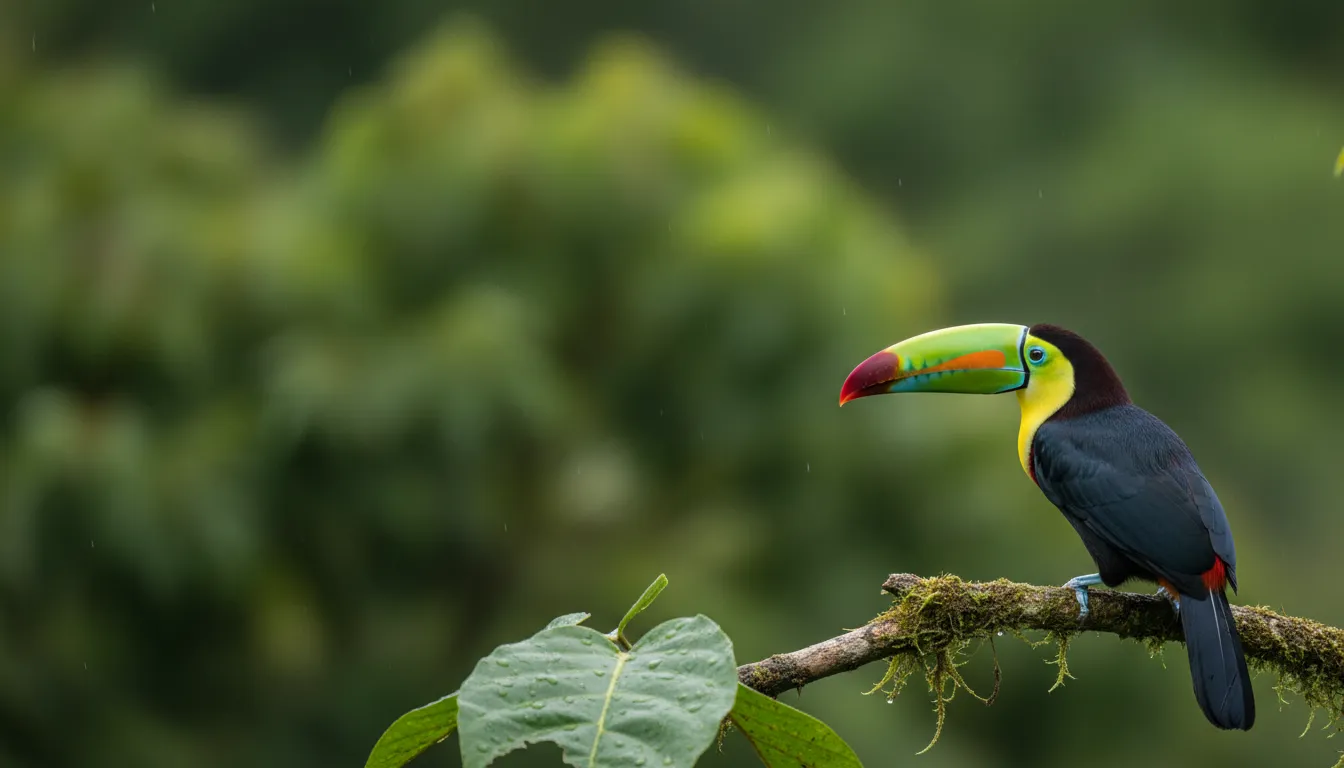
Birdwatchers, dust off those binoculars—Jaco’s a twitcher’s jackpot. Beyond the celebrity macaws, you’ll encounter keel-billed toucans with their rainbow-sherbet beaks, hummingbirds that hover like tiny helicopters, and dozens of heron and egret species stalking shorelines and mangroves. The mangrove estuaries north and south of town are particularly productive for spotting unique waders like boat-billed herons and roseate spoonbills. Early morning offers the best viewing windows when birds are actively feeding rather than hiding from midday heat.
Jaco’s flora puts on a year-round color show that makes botanical gardens look understocked. Hiking trails reveal bromeliads clinging to tree branches like botanical graffiti, orchids blooming in unexpected crevices, and towering Guanacaste trees providing cathedral-like shade for mid-hike snacks. These national trees drop their leaves during dry season, creating a golden carpet underfoot before exploding back into green with the first rains. Heliconias, with their lobster-claw blooms, attract hummingbirds that zip between flowers with territorial intensity.
Pelicans provide daily entertainment right off Jaco Beach, executing dramatic dive-bomb fishing runs that end in spectacular splashes. Watch from Jaco Beach Zen’s beachfront patio with morning coffee in hand—it’s like National Geographic programming without leaving your lounger. Frigatebirds soar overhead on seven-foot wingspans, occasionally harassing other birds mid-flight to steal their catches in aerial piracy that’s both impressive and slightly rude.
Responsible Wildlife Wandering: Keeping it Safe for You and the Critters
Wildlife etiquette starts with distance. Those adorable monkeys? They bite when threatened, stressed, or hangry. Feeding them is tempting but harmful—it disrupts natural diets, creates dependency, and can turn normally cautious animals into aggressive panhandlers. Maintain at least fifteen feet of separation, never corner animals, and resist the urge to touch. Photography is fine; harassment isn’t.
Stick to marked trails in national parks and reserves. This protects fragile ecosystems from erosion and trampling while keeping you away from Costa Rica’s less cuddly residents—fer-de-lance snakes, bullet ants, and other critters best admired from a distance. Closed trails are closed for reasons, usually involving your continued survival or habitat protection. Respect the barriers.
Hiring local certified guides elevates wildlife experiences from “we think we saw something” to “holy cow, look at that.” Guides know animal behavior, optimal viewing times, and secret spots where wildlife congregates. They carry spotting scopes that transform distant specks into clear views of toucans preening or monkeys grooming. More importantly, they interpret what you’re seeing—explaining which frog species to avoid, why that sloth isn’t stuck, and how to identify male vs. female macaws. Support local expertise; your experience and safety will thank you.
FAQ
Are there really monkeys in Jaco Beach, and where can I see them?
Absolutely—white-faced capuchins, howler monkeys, and squirrel monkeys all live in and around Jaco. Capuchins frequently appear near the beach, in hotel gardens, and along forest edges, especially early morning. Howlers are more often heard than seen, their territorial roars echoing from inland forests at dawn. Squirrel monkeys require slightly more effort, typically found in protected areas like nearby Manuel Antonio or on guided rainforest tours. Stay alert during breakfast on beachfront patios—monkeys have zero respect for property boundaries and excellent timing for mango season.
Is it safe to go on a crocodile tour in Jaco, and what should I expect?
Crocodile tours on the Tárcoles River are completely safe when booked through reputable operators using proper boats. You’ll cruise slowly past muddy banks where massive American crocodiles bask, often in shocking proximity. Guides explain crocodile behavior, point out nesting sites, and ensure respectful distances. Expect to see crocs ranging from juveniles to fifteen-foot giants, plus abundant waterbirds fishing alongside them. Tours last roughly two hours. Bring sunscreen, water, and cameras with decent zoom—you’ll want closeups without actually getting close. Never swim in the river or approach banks independently; these are apex predators, not photo props.
What kind of birds can I see near Jaco, and do I need special equipment?
Jaco’s bird list exceeds 400 species, from tiny hummingbirds to massive pelicans. Common sightings include scarlet macaws, toucans, parrots, herons, egrets, frigatebirds, and countless songbirds. You don’t need professional equipment—many species are visible to naked eyes, especially larger ones like macaws and pelicans. That said, binoculars enhance experiences dramatically, revealing details invisible otherwise. Budget binoculars (8x42 magnification) work fine. Serious birders should bring field guides or download identification apps. Early mornings offer peak activity when birds feed before heat sets in.
Are there any sloth sanctuaries close to Jaco where I’m guaranteed to see one?
Several sanctuaries and wildlife rescue centers near Jaco offer guaranteed sloth sightings, though “close” is relative in Costa Rica. The Sloth Institute in Manuel Antonio (about an hour south) focuses on rehabilitation and research but occasionally offers educational tours. Closer options include wildlife combo tours that visit rescue centers housing sloths alongside other animals. While these aren’t wild encounters, they support conservation and provide intimate educational experiences. For wild sloths, guided rainforest hikes in Carara National Park or private reserves offer decent odds, though sightings are never guaranteed—their camouflage is legitimately impressive.
What are the best national parks or reserves for wildlife viewing near Jaco?
Carara National Park tops the list, thirty minutes north, offering accessible trails through transitional forest teeming with macaws, monkeys, crocodiles, and poison dart frogs. Manuel Antonio National Park, an hour south, combines stunning beaches with excellent wildlife—sloths, iguanas, and four monkey species in compact, well-maintained trails. For serious jungle immersion, private reserves like Rainmaker Aerial Walkway provide canopy bridges and waterfall hikes with fewer crowds. Each location offers different experiences: Carara for birds and crocs, Manuel Antonio for beach-wildlife combos, Rainmaker for pristine rainforest. All require entry fees and benefit from guided tours.
Can I encounter dangerous animals while hiking in the rainforest near Jaco, and what precautions should I take?
Yes, but encounters are rare and usually avoidable with common sense. Fer-de-lance snakes are venomous and well-camouflaged; stay on trails, watch where you step, and never reach blindly into vegetation. Bullet ants deliver legendarily painful stings; avoid touching trees without checking first. Africanized bees can be aggressive near hives; if you hear buzzing, retreat calmly without swatting. Most animals want nothing to do with humans and flee before you notice them. Wear closed-toe shoes, long pants on serious hikes, and consider hiring guides who spot hazards before you stumble into them. Statistically, you’re safer in the rainforest than crossing Jaco’s main road.
Bahía Azul, unit 7C sits right on this stretch of sand — on the quiet south end of Jacó, a few hundred feet from the water.
Book on Airbnb