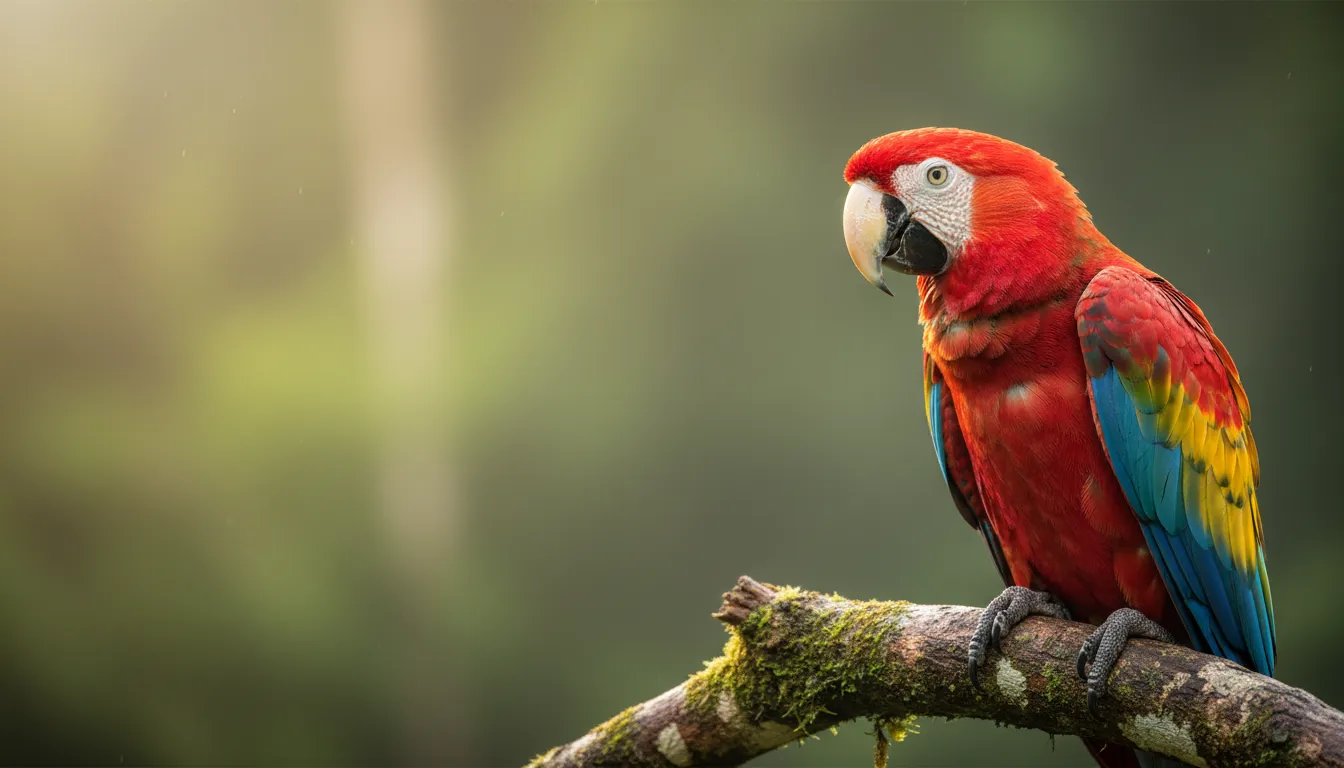
Look, we get it. You came to Jaco for the surf and the sunsets—the kind that turn the sky into a gradient of fire and gold. But here’s the thing: once you’ve ridden a few waves and lounged on the sand, you’ll start hearing it. That low, guttural howl echoing from the hills. The rustle of something moving through the canopy. The unmistakable squawk of a scarlet macaw flying overhead like a feathered sunset with an attitude. Jaco isn’t just a beach town; it’s your front door to some of Costa Rica’s wildest, most accessible jungle. And honestly? You’d be missing half the show if you didn’t venture beyond the shoreline. Whether you’re tracking crocodiles on the Tárcoles River, watching sloths do their best impression of tree moss, or kayaking through mangrove tunnels where baby fish dart like underwater fireworks, this place will surprise you. This is your local’s guide to the best wildlife tours around Jaco—the ones we actually recommend to friends, not just tourists.
Why ‘Pura Vida’ Extends Right Into the Jungle (And Why You Need a Guide)
Jaco isn’t just about the beach; our backyard is a vibrant, noisy, and utterly captivating rainforest, teeming with creatures you won’t find on a city sidewalk. Within a 30-minute drive in any direction, you’re stepping into ecosystems that have been evolving for millions of years. We’re talking transition forests where dry Pacific air meets humid rainforest conditions, creating a biodiversity hotspot that even seasoned naturalists find astonishing. The thing is, understanding Pura Vida here means respecting that rhythm—observing without disrupting, appreciating without possessing.
Think beyond just spotting a monkey—a good local guide knows the difference between a white-faced capuchin’s playful chatter and an agitated howler’s warning, adding layers to your wildlife experience. That seemingly random bird call? Your guide will tell you it’s a crested caracara announcing its territory. That rustling in the undergrowth? Probably an agouti, not a snake (though yes, we have those too). Guides who’ve spent years in these forests can read animal behavior like you read text messages, knowing when to move closer, when to stay silent, and when that sloth you’ve been photographing for ten minutes is about to do absolutely nothing for ten more.
Trying to navigate the jungle solo is like trying to find a specific grain of sand on the beach; a local expert maximizes your chances of seeing that elusive sloth or colorful macaw without disturbing their natural rhythm. They know which trails flood during rainy season, where the poison dart frogs like to hang out, and exactly what time the toucans make their morning commute. More importantly, they keep you safe from genuinely dangerous situations—like mistaking a fer-de-lance for a harmless vine snake, or accidentally cornering a protective mother monkey. The jungle rewards preparation and local knowledge. Go with someone who knows the neighborhood.
The Big Ticket: Crocodile Safaris on the Tárcoles River (No Swimming, We Promise)
Yes, we’re talking about those toothy giants. The Tárcoles River, a quick 30-minute drive north toward the bridge on Route 34, is home to some seriously impressive American crocodiles—we’re talking 15-footers who’ve seen a thing or two. These prehistoric beauties have been basking on these muddy banks long before Jaco had its first surf shop. The river’s brackish water provides the perfect habitat, and the population here is one of the densest in Central America. Stand on the Tárcoles Bridge during the day, and you’ll likely count a dozen crocs lounging below like sunbathers who forgot their towels.
Our favorite local operators use flat-bottomed boats designed for safe, up-close viewing. You’ll get incredible photos, learn about their surprisingly complex lives, and realize why they’re the undisputed kings of this river. These tours typically run about two hours, with captains who’ve been navigating these waters for decades. They know which crocs are territorial, which are just teenagers showing off, and where mama crocs might be guarding nests. The boats get close enough for jaw-dropping photos—pun absolutely intended—but maintain respectful distances. You’ll hear stories about the massive males, nicknamed things like “Osama” and “Bin Laden” by locals (yes, really), who’ve become river celebrities.
Beyond the crocs, the Tárcoles is a birdwatcher’s paradise—kingfishers, herons, and roseate spoonbills are regular guests, making it a two-for-one wildlife show. During our tours, we’ve spotted boat-billed herons hiding in mangrove roots, anhingas drying their wings on dead branches like gothic scarecrows, and the occasional Jesus Christ lizard literally running across the water’s surface. The sheer variety of life along this murky river will make you reconsider everything you thought you knew about ecosystems. Pro tip: morning tours offer better lighting for photography and slightly more active wildlife before the midday heat sets in.
Carara National Park: Where the Scarlet Macaws Steal the Show (and Your Heart)
Just a stone’s throw from Jaco, Carara National Park is a transition forest—where the dry and wet tropics meet—meaning an insane variety of plants and animals, including the iconic scarlet macaw. This 52-square-kilometer protected area is essentially where two different worlds collide, creating habitat diversity that supports over 400 bird species alone. The forest here shifts from deciduous trees that drop their leaves seasonally to evergreen giants dripping with bromeliads and orchids. For wildlife enthusiasts, it’s like having front-row seats to nature’s greatest variety show.
Dawn and dusk are prime macaw time. Watching these magnificent birds fly overhead, squawking their greetings, is a truly unmissable Jaco experience. These aren’t shy little sparrows—scarlet macaws are loud, proud, and utterly spectacular, with wingspans that can reach three feet. They mate for life and travel in pairs or small family groups, announcing their presence with calls that sound like rusty gate hinges crossed with a parrot’s laugh. Early morning tours to visit Carara National Park increase your chances of spotting them heading out for breakfast, usually accompanied by a soundtrack of howler monkeys providing the bass notes.
Keep an eye out for white-faced capuchin monkeys, two-toed sloths (they’re slow, but they’re there!), and a dizzying array of insects. Trust your guide; they’ll spot things you’d walk right past. Those leaves hanging at odd angles? Probably a sloth taking its afternoon nap. That flash of orange in the canopy? Could be a Baltimore oriole or a variable seedeater. The insects here range from iridescent morpho butterflies the size of your hand to leaf-cutter ants marching in highways across the trail, each carrying a piece of leaf like a tiny green umbrella. Your guide’s trained eye will find the camouflaged insects, the nesting birds, and the subtle signs of recent jaguar activity.
This park is fairly accessible, even for families with younger kids or retirees looking for a gentler walk, but the trails can get muddy, so good shoes are a must. The main Universal Trail is wheelchair accessible, while the Laguna Meándrica loop offers a bit more challenge with better wildlife viewing opportunities. Expect humidity—this is rainforest, after all—and pack accordingly. The trails are well-maintained, but during rainy season (May through November), they transform into slippery, muddy pathways where proper footwear makes the difference between a great hike and a comedy of falls.
Mangrove Kayaking & Paddleboarding: Silent Gliding Through Nature’s Nursery
For a quieter, more immersive experience, a guided kayak or stand-up paddleboard tour through the nearby mangroves is unbeatable. It’s like entering a silent, green cathedral. The mangrove ecosystems around Jaco—particularly near the Tárcoles River mouth and along the Herradura Bay coastline—create labyrinthine waterways where roots twist above the water like nature’s own sculpture garden. The stillness here is profound. No engine noise, no crowds, just the gentle splash of your paddle and the occasional plop of a startled fish. Mangrove tours in Jaco offer something the louder boat tours can’t: intimacy with the environment.
You’ll spot all sorts of juvenile fish, crabs, and a huge variety of wetland birds. It’s a fantastic, low-impact activity perfect for families or those looking to reconnect with nature. Mangroves serve as nurseries for countless marine species—those small fish darting around your kayak might grow up to be the snapper or grouper on someone’s dinner plate. You’ll see fiddler crabs waving their oversized claws like tiny traffic directors, colorful Sally Lightfoot crabs scuttling across exposed roots, and if you’re lucky, a green iguana sunbathing on a branch, looking thoroughly unimpressed with your presence. The bird life is exceptional: little blue herons stalking through shallows, yellow-crowned night herons tucked into shady spots, and the occasional magnificent frigatebird cruising overhead.
Local operators know the tides and currents, ensuring a safe and enjoyable journey. Plus, the shade from the mangroves is a welcome respite on a sunny day. Timing is everything with mangrove kayaking—going at high tide means easier paddling and access to narrower channels, while low tide exposes more mudflats where shorebirds congregate. Experienced guides read the water, knowing which channels to take and which to avoid when currents pick up. The canopy overhead provides natural air conditioning, dropping temperatures by several degrees compared to open water. Most tours last two to three hours, giving you plenty of time to explore without exhausting yourself. It’s meditative, educational, and surprisingly good for your core strength.
Beyond the Usual Suspects: Local Gems & Ethical Encounters
Ask your local guide about lesser-known trails or times to visit popular spots. Sometimes the best wildlife encounters happen off the beaten path (but still safely guided). We know a guide who leads predawn hikes to a spot where great curassows—these magnificent ground birds that look like turkeys crossed with punk rockers—reliably forage. Another specializes in night hikes where you’ll spot sleeping toucans, tree frogs that glow like tiny jewels in your flashlight beam, and the reflective eyes of kinkajous raiding fruit trees. These aren’t advertised on tour company websites; they’re the experiences you unlock by asking questions and showing genuine interest.
We always recommend supporting tours that prioritize animal welfare and conservation. A good guide doesn’t just show you animals; they educate you on why protecting them matters. They’ll explain how habitat destruction threatens scarlet macaw populations, why poaching still impacts turtle nesting sites, and what local conservation efforts are making a difference. Ethical operators maintain proper distances, never feed wildlife (which alters natural behaviors and can harm animals), and contribute portions of their profits to conservation initiatives. If a tour promises guaranteed close encounters with sloths or lets you hold wild animals for photos, walk away. That’s exploitation dressed up as ecotourism.
For those seeking a full day of it, combine a morning Carara hike with an afternoon Tárcoles river tour. You’ll be back at Jaco Beach Zen just in time for sunset cocktails. This combo gives you the best of both worlds—terrestrial wildlife in the morning when animals are most active, followed by aquatic and avian species in the afternoon. Most tour operators can arrange pickup and drop-off, making logistics simple. By late afternoon, you’ll be back at the property, tired in the best way, probably covered in a fine layer of jungle dust and river mist, ready to rinse off and swap stories over a cold Imperial beer while the sun melts into the Pacific.
What to Pack for Your Wildlife Adventure (Beyond Just Bug Spray)
Lightweight, quick-drying clothing is your friend here. Even on a boat, you might get splashed, and in the jungle, humidity is real. Think synthetic fabrics or merino wool—cotton takes forever to dry and stays clammy against your skin. Long sleeves and pants might seem counterintuitive in tropical heat, but they protect against sun, bugs, and the occasional thorny branch. Neutral colors (greens, browns, tans) help you blend into the environment, making wildlife less likely to spook. Save the neon pink tank top for the beach.
Closed-toe shoes are non-negotiable for jungle hikes—leave the flip-flops for the beach. Good grip prevents slips. We’re talking hiking shoes or trail runners with actual tread, not fashion sneakers that turn into ice skates on muddy trails. Waterproof is a bonus but not essential; quick-dry is more important. Your feet will get wet. Accept this. Pack an extra pair of socks if you’re particular about comfort. For boat tours, water shoes or secure sandals work fine, but anything you wear should stay on your feet when you’re climbing in and out of boats.
Bring a reusable water bottle (hydration is key!), a hat, sunglasses, and of course, a camera. Trust us, you’ll want to capture these moments. The tropical sun is relentless, even through forest canopy, and dehydration sneaks up fast. A wide-brimmed hat protects your face and neck; baseball caps leave your ears and neck exposed. Polarized sunglasses reduce glare on water tours and help you spot wildlife. For cameras, a zoom lens (at least 200mm) is ideal for distant birds and cautious mammals. Bring extra batteries and memory cards—you’ll take more photos than you think.
Don’t forget binoculars! Many local operators can provide them, but having your own means you won’t miss a single feathered friend or sleepy sloth. Decent binoculars (8x42 or 10x42) transform your experience, bringing distant canopy action into sharp detail. You’ll spot birds you’d otherwise miss entirely, watch monkey interactions, and appreciate just how well that sloth is camouflaged. Also pack: sunscreen (reef-safe, please), insect repellent with DEET for jungle hikes, a small dry bag for electronics on water tours, and a sense of humor when things don’t go exactly as planned. Nature runs on its own schedule, not yours. Once you’re back at the property, toss those muddy clothes in the laundry—we’ve got facilities for that—and settle in to edit your photos.
Frequently Asked Questions
What are the chances of seeing a sloth on a Jaco wildlife tour?
Pretty good, actually, especially in Carara National Park or on dedicated rainforest hikes. Sloths are surprisingly common around Jaco, but their exceptional camouflage makes them hard to spot without a trained guide. Two-toed sloths are more nocturnal, while three-toed sloths are active during the day. Your guide knows their favorite trees and can spot the telltale signs—odd clumps of leaves, unusual branch angles. Early morning tours increase your chances since sloths often move (slowly) to new feeding spots at dawn. Patience helps. They’re not called sloths for nothing.
Are Jaco wildlife tours suitable for young children?
Absolutely, with the right tour selection. Boat tours on the Tárcoles River work great for kids—they’re exciting, relatively short, and offer constant visual stimulation with minimal walking. Mangrove kayaking suits older kids comfortable in boats. Carara’s Universal Trail is stroller-friendly for the littlest ones. Avoid strenuous jungle hikes for very young children; the heat and duration can overwhelm them. Most reputable operators clearly indicate age recommendations. Local guides are usually fantastic with kids, adjusting their presentations to match attention spans and genuinely engaging young naturalists in training.
Do I need to book Jaco wildlife tours in advance, or can I find them last minute?
Both work, but advance booking guarantees your preferred dates and times, especially during high season (December through April). Popular tours like Tárcoles crocodile safaris and Carara park hikes can fill up, particularly for early morning departures when wildlife activity peaks. That said, we’ve seen plenty of visitors book tours 24-48 hours ahead without issues during shoulder season. If you’re flexible on timing and dates, last-minute works. If you’ve got specific must-dos on a tight schedule, book ahead. Many operators offer online booking or will arrange everything through your accommodation’s concierge.
Are there any night wildlife tours around Jaco?
Yes, and they’re absolutely worth experiencing! Several local guides offer night hikes where the forest transforms completely. You’ll spot nocturnal creatures that never show during daylight: kinkajous, tree frogs, sleeping birds, tarantulas, scorpions (they glow under UV light!), and if you’re lucky, olingos or even a tamandua. The soundscape alone—insect choruses, nightjars calling, distant mammals moving through undergrowth—is otherworldly. Night tours require good flashlights and a bit more caution on trails, but they reveal an entirely different side of the ecosystem. Ask locally about guides who specialize in nocturnal wildlife; it’s less advertised but absolutely available.
What’s the best time of year for wildlife spotting in Jaco?
Honestly, year-round is excellent, just different. Dry season (December-April) offers easier hiking conditions, clearer visibility, and animals congregating near water sources, making them easier to spot. Rainy season (May-November) brings lush vegetation, fewer tourists, active breeding behaviors, and migrant bird species. Turtle nesting happens rainy season. Some animals are more visible when foliage thins during dry season; others emerge more during rains when food is abundant. Each season has advantages. The real secret? Early morning wildlife tours outperform afternoon ones regardless of season. Animals are most active at dawn.
How do I choose a reputable and ethical wildlife tour operator in Jaco?
Look for operators who maintain respectful distances from wildlife, never feed animals, employ certified naturalist guides, and contribute to conservation efforts. Ask questions: What’s their approach to wildlife encounters? How do they handle situations where animals show stress? Do they limit group sizes? Red flags include guaranteed animal interactions (you can’t guarantee wild animal behavior), opportunities to touch or feed wildlife, or guides who harass animals to create photo opportunities. Check reviews specifically mentioning guide knowledge and ethical practices. Local certifications from Costa Rica’s tourism board (ICT) indicate legitimate, regulated operations. When in doubt, ask locals—we know who operates responsibly.
Is it safe to hike in the rainforest around Jaco?
With a guide, absolutely. Solo hiking requires more caution and experience. The main safety concerns are getting lost (trails aren’t always well-marked), dehydration, encounters with venomous snakes (rare but possible), and underestimating distances or difficulty. Guides know the terrain, carry first aid equipment, understand animal behavior, and ensure you don’t wander into genuinely hazardous situations. They’ll point out which plants cause skin irritation, where trails flood, and how to avoid disturbing potentially aggressive wildlife. The rainforest isn’t inherently dangerous, but it demands respect and preparation. Think of guides as your safety net and encyclopedia rolled into one.
Can I combine a wildlife tour with other activities like surfing?
Definitely, and many visitors do exactly that. A typical itinerary might include surfing at dawn (best waves anyway), a mid-morning wildlife tour, then beach time in the afternoon. Or surf one day, wildlife the next. Most tours run 2-4 hours, leaving plenty of day for other activities. Jaco’s proximity to multiple ecosystems means you’re never more than 30 minutes from your next adventure. Just be realistic about energy levels—a strenuous jungle hike followed by an afternoon surf session might leave you pleasantly exhausted. Many tour operators offer pickup/drop-off, so logistics are surprisingly simple. You really can have it all here; that’s the Jaco advantage.
Bahía Azul, unit 7C sits right on this stretch of sand — on the quiet south end of Jacó, a few hundred feet from the water.
Book on Airbnb