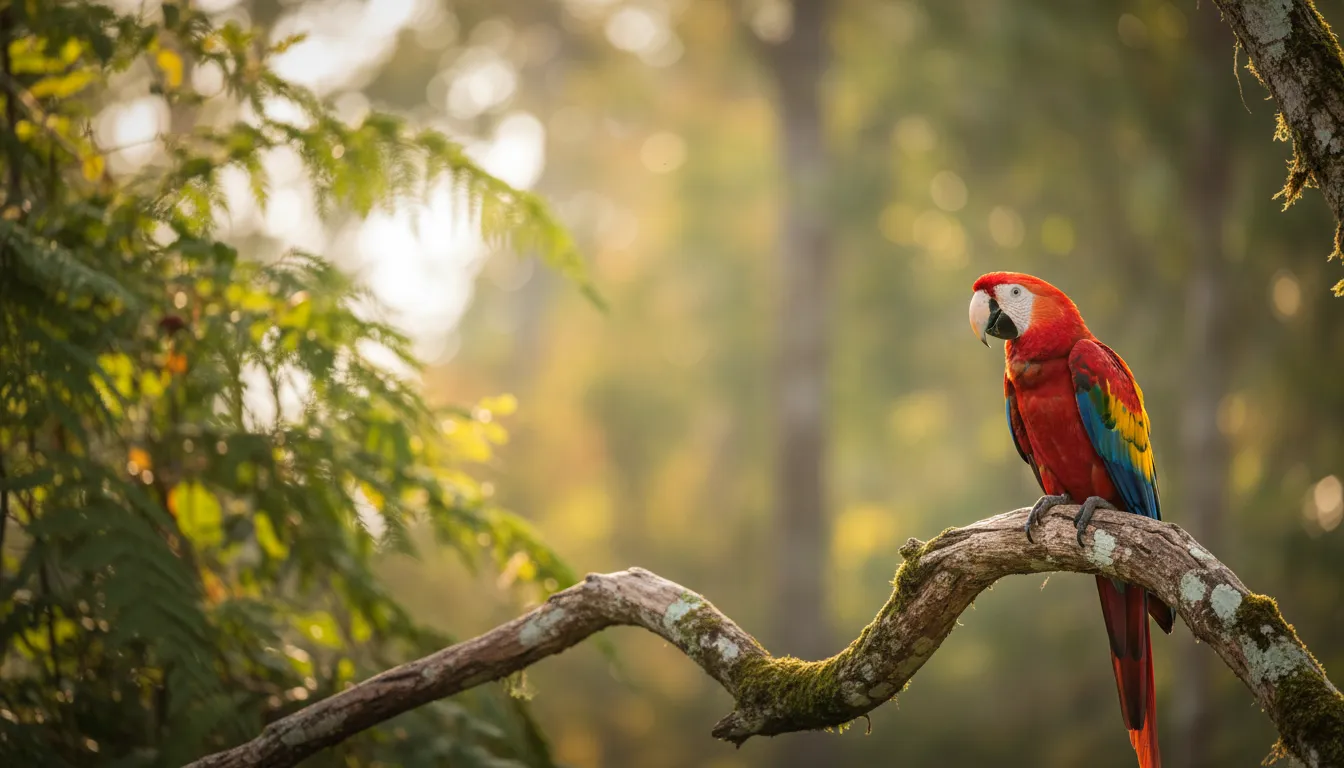
Jaco Wildlife: Your Guide to Sticking Your Lens Where the Wild Things Are (Responsibly, Of Course)
Forget those heavily scripted nature documentaries where camera crews wait weeks for a single shot. In Jaco, you’re practically tripping over scarlet macaws on your morning coffee run, dodging iguanas on sun-warmed sidewalks, and listening to howler monkeys provide the world’s most dramatic dawn alarm clock. This slice of Costa Rica’s Pacific coast sits at an ecological sweet spot where rainforest meets mangrove meets coastline, creating a wildlife variety show that runs 24/7. Whether you’re an aspiring David Attenborough armed with a DSLR or just someone who thinks monkeys are cool, Jaco delivers the goods without requiring a production budget. The best part? Many of these documentary-worthy moments happen within a quick drive—or sometimes just a glance out your window—from your base camp. Ready to roll credits on your own nature film? Let’s scout your locations.
Setting the Scene: Why Jaco is Mother Nature’s Own Film Studio
Jaco didn’t just luck into its wildlife reputation. The town occupies a genuinely special ecological crossroads where multiple habitats converge within minutes of each other. You’ve got dense rainforest clinging to mountainsides, mangrove-lined rivers snaking toward the ocean, and long stretches of Pacific coastline where the surf meets the sand. This habitat diversity translates directly into species diversity—the kind of variety that would make any nature filmmaker weep with joy.
This isn’t one of those places where you need to stage encounters or visit a sad wildlife park. In Jaco, scarlet macaws genuinely are your morning alarm, their squawking formations cutting across the sky as they commute between feeding grounds. White-faced capuchin monkeys legitimately raid fruit trees in residential areas, occasionally pausing to judge your breakfast choices through the window. And yes, iguanas actually do sunbathe on porch railings like scaly, prehistoric cats. The wildlife here isn’t performing for tourists—it’s just living its life, and you happen to have front-row seats to the show.
The Tárcoles River: Where Crocodiles Play the Lead Role (and we keep a safe distance!)
The Tárcoles River isn’t just any waterway. It’s essentially a reptilian red carpet, famous throughout Costa Rica for hosting one of the country’s densest populations of American crocodiles. These aren’t the modest, hide-in-the-reeds types either. We’re talking massive, prehistoric-looking creatures that can reach 15 feet long and seem entirely unbothered by their paparazzi status. Seeing them up close—from a boat, because we’re not complete idiots—ranks among the most viscerally thrilling wildlife encounters you’ll have in Costa Rica.
Guided boat tours represent the only sensible approach here. Beyond keeping you safely separated from the business end of a crocodile, expert guides possess the trained eyes necessary to spot the river’s subtler residents. Jesus Christ lizards (basilisks) literally run across water when startled. Herons, egrets, and ibises work the shallows. Iguanas lounge in riverside trees. Without a guide pointing out these well-camouflaged creatures, you’d miss half the show while fixating on the obvious crocodiles.
Timing matters for croc-spotting. Morning tours generally deliver more active wildlife since crocodiles are cold-blooded and need to warm up with the sun. You’ll catch them hauled out on mudflats, mouths agape in that unsettling thermoregulation pose that looks simultaneously terrifying and oddly vulnerable. Afternoons work too, but mornings typically yield better photo opportunities with softer light and more wildlife movement. If you’re serious about your nature photography, sunrise tours are worth the early alarm.
Carara National Park: Stepping into the Scarlet Macaw Nursery (and so much more)
Just 30 minutes north of Jaco sits Carara National Park, a transitional forest straddling the line between dry Pacific forests and humid rainforests. This in-between status creates incredible biodiversity as species from both ecosystems overlap. For wildlife enthusiasts, it’s basically Christmas morning, every morning.
Carara’s undisputed stars are the scarlet macaws. This park hosts one of Costa Rica’s most accessible populations of these magnificent, ridiculously loud parrots. They roost communally, and witnessing hundreds of scarlet macaws erupting into flight at dawn or returning at dusk ranks among those life-list moments that justify every hour spent in economy class getting here. The sound alone—a cacophony of squawks echoing through the canopy—is unforgettable.
Beyond the macaws, keep your senses alert. Howler monkeys announce their presence with vocalizations that sound like the jungle’s angriest foghorn. Sloths drape across branches in positions that defy both physics and ambition. Anteaters shuffle through leaf litter. The bird list exceeds 400 species for the genuinely obsessed. A local guide here isn’t just helpful—it’s practically mandatory. These guides spot sloths you’d swear were invisible, identify birds by calls you didn’t even register, and explain ecological relationships that transform your walk from pleasant to genuinely educational.
The trails themselves are well-maintained and relatively accessible, making Carara an excellent option for families and those who prefer their jungle trekking on the gentler side. You’re not bushwhacking through dense undergrowth here—you’re walking maintained paths while the wildlife puts on a show around you.
Manuel Antonio National Park: The Instagram Darling with Wild Child Charm
About an hour south lies Manuel Antonio National Park, Costa Rica’s smallest and most popular national park. Yes, it’s beautiful—white sand beaches framed by lush jungle, turquoise water, the whole tropical paradise package. But beyond the postcard aesthetics, Manuel Antonio delivers remarkably accessible wildlife encounters.
Expect crowds, especially during high season when cruise ships disgorge passengers and tour buses arrive in convoys. Don’t let that deter you. The wildlife here has grown remarkably habituated to human presence, sometimes a bit too much. Capuchin monkeys work the beaches like seasoned pickpockets, waiting for tourists to drop their guard (and their snacks). Sloths hang in trees along popular trails, occasionally shifting position just enough to prove they’re alive. Iguanas bask with the confidence of animals who know they’re photogenic.
One critical note: book your tickets online beforehand. Seriously. Manuel Antonio limits daily entries to protect the park, and showing up without a reservation is an excellent way to spend your morning staring at a locked gate while everyone else enjoys the monkeys. Learn from others’ mistakes. Our [Day Trip to Manuel Antonio: Is It Worth It?](/Day Trips/manuel-antonio-day-trip) guide covers the logistics in detail, including timing strategies and realistic expectations.
Closer to Home: Jaco’s Hidden Wildlife Gems (No Driving Required!)
You don’t always need tour operators and national parks to find Jaco’s wild side. Some of the most rewarding wildlife moments happen right in town, requiring nothing more than attention and decent timing.
Take a beach walk at dawn or dusk, and the Pacific shoreline transforms into an active wildlife corridor. Pelicans dive-bomb the surf in formation, executing plunges that look reckless until you see them emerge with fish. Ghost crabs scuttle between holes like tiny, sideways ninjas. During nesting season (typically July through November), you might encounter sea turtle tracks—and if you’re extraordinarily lucky, witness nesting or hatching events. These aren’t guaranteed encounters, but the possibility adds magic to every sunrise stroll.
Look up while walking Jaco’s streets and you’ll spot parrots, toucans, and resident sloth families in the trees. They’re masters of camouflage, blending into the canopy with infuriating effectiveness, but once you train your eyes, you start seeing them everywhere. That lumpy branch? Probably a sloth. That flash of color? Likely a toucan. That sound like someone murdering a squeaky toy? Definitely parrots.
Our property, for instance, sits far enough from downtown’s bustle that waves regularly drown out traffic noise. This relative quiet means the surrounding trees buzz with birdlife and occasionally host monkey troupes who drop by to critique our landscaping choices. It’s like having a live-action nature documentary running from your balcony, no subscription required. When our favorite local tour guides ask where we’re staying, we mention this natural soundtrack as a genuine selling point.
For aspiring nature photographers, Jaco Beach at sunrise and sunset offers incredible opportunities with minimal effort. The light turns dramatic, silhouetting birds against colorful skies, catching pelicans mid-dive, painting the Pacific in impossible colors. You don’t need a telephoto lens the size of a small telescope—just decent timing and willingness to wake up early or stay out late.
Responsible Wildlife Viewing: Don’t Be That Tourist
Here’s where we get serious for a moment, because Jaco’s wildlife abundance comes with responsibility. These aren’t props for your vacation photos—they’re wild animals whose wellbeing depends partly on tourist behavior.
Keep your distance. That perfect selfie with a sloth isn’t worth stressing the animal or risking a bite. Wild animals need personal space, and surprising them can trigger defensive behaviors dangerous for everyone involved. Zoom lenses exist for good reasons.
Never feed wildlife. This rule isn’t negotiable. Feeding disrupts natural diets, creates human dependency, and encourages aggressive behavior. That “cute” monkey begging for chips can become a biting problem when tourists train it to expect handouts. Our food isn’t their food, full stop.
Pack out what you pack in. Jaco’s natural beauty isn’t a dumping ground—it’s a living ecosystem where your water bottle or snack wrapper can harm animals who mistake plastic for food. Leave no trace isn’t just a catchy slogan; it’s basic respect for the environment hosting your vacation.
Support local, ethical tour operators. Choose guides who prioritize animal welfare and environmental sustainability over cheap thrills. These professionals are conservation’s front line, educating visitors while protecting the ecosystems that make Jaco special. They’re worth every colón.
Frequently Asked Questions
What are the best times of day for wildlife spotting near Jaco?
Early morning (6-9 AM) and late afternoon (3-6 PM) deliver peak wildlife activity. Most animals avoid midday heat, making those hours less productive for viewing. Dawn offers the bonus of better light for photography, while dusk brings different species like bats emerging for their night shift. If you’re choosing one time slot, go with morning—you’ll see more diverse activity and beat the heat.
Are there any free spots to see monkeys or birds without a tour?
Absolutely. Jaco Beach itself hosts regular bird activity—pelicans, frigatebirds, parrots overhead. Walk residential areas near the edges of town and you’ll often spot capuchin or howler monkeys in trees. The mangrove areas near the estuary south of town offer free bird watching if you’re patient. Tours add value through expert interpretation and access to restricted areas, but casual wildlife encounters happen freely throughout Jaco.
Is it safe to bring children on crocodile tours or rainforest hikes?
Yes, when you choose reputable operators. Crocodile boat tours are extremely safe—you’re in a stable vessel with experienced guides who maintain safe distances. Rainforest hikes on maintained trails (like Carara’s main paths) are family-friendly, though keep kids close and follow guide instructions. The actual risk is quite low; the education value and memory-making potential are high. Just match the activity to your children’s ages and attention spans.
What should I bring on a Jaco wildlife viewing excursion?
Essentials: binoculars, camera with zoom lens, sunscreen, insect repellent, water bottle, rain jacket (weather changes fast), and closed-toe shoes with good traction. Neutral-colored clothing helps you blend in better than neon beachwear. Bring a small backpack to keep hands free for balancing on trails. Skip perfumes and colognes—strong scents can disturb wildlife and attract insects. A field guide helps but isn’t essential if you have a knowledgeable tour guide.
Are there guided night walks for nocturnal animals in Jaco?
Yes, several local operators offer night walks in areas around Jaco, though these require leaving town for nearby reserves. Nocturnal tours reveal entirely different wildlife—frogs, snakes, sleeping birds, night-active mammals, and insects that look like aliens under flashlight. These walks are genuinely fascinating but require comfort with darkness and close encounters with things that creep. Ask our favorite local tour guides about current night walk options and conditions.
How can I ensure my wildlife tour is ethical and sustainable?
Look for operators who: maintain respectful distances from animals, limit group sizes, employ trained naturalist guides, don’t feed or touch wildlife, and contribute to local conservation. Ask directly about their practices before booking. Cheaper tours often cut corners on ethics, while slightly pricier options typically invest in sustainability. Read recent reviews mentioning animal welfare. Trust your instincts—if something feels wrong during a tour, it probably is.
Can I see sloths easily, or do I need a special tour?
Sloths are common around Jaco but paradoxically easy to miss due to their exceptional camouflage and minimal movement. You might spot them independently while walking around town—look for lumpy “branches” high in trees—but guides dramatically increase your success rate. They know current sloth locations and can spot them from distances where you’d swear there’s nothing but leaves. Manuel Antonio and Carara both offer high sloth encounter probabilities with or without guides.
What’s the difference between Carara and Manuel Antonio for wildlife?
Carara offers a more authentic rainforest experience with fewer crowds, incredible bird diversity, and those famous scarlet macaws. Trails are good but not beach-adjacent. Manuel Antonio combines wildlife with stunning beaches, delivering more “complete package” appeal but with significantly more tourists. For pure wildlife viewing, Carara wins. For families wanting beach time plus animals, Manuel Antonio makes sense. Ideally? Visit both—they’re different enough to justify the time investment, and our guide to Best Jaco Beach Bars: Sip, Watch, and Listen to the Waves helps you unwind between adventures.
Bahía Azul, unit 7C sits right on this stretch of sand — on the quiet south end of Jacó, a few hundred feet from the water.
Book on Airbnb