Beyond the Beach: Unearthing Jaco’s Best National Parks & Wild Trails
Sure, Jaco’s surf breaks are legendary, but here’s the secret locals know: you’re parked at the doorstep of some of Costa Rica’s wildest, most biodiverse national parks. We’re talking scarlet macaws screaming overhead at dawn, three-toed sloths doing their slow-motion thing in the canopy, and crocs sunbathing like prehistoric landlords. The best part? You don’t need a multi-day expedition or a Jeep with a snorkel to reach them. These are legitimate day trips that get you deep into primary rainforest and back to Jaco in time for sunset beers. Whether you’re chasing waterfalls, hoping to check a sloth off your bucket list, or simply want to understand why Costa Rica’s eco-tourism reputation is earned, the national parks radiating from Jaco offer something far more authentic than any zoo ever could.
Why ‘National Park’ Doesn’t Always Mean ‘Far From Jaco’
Jaco occupies a ridiculously strategic sweet spot on Costa Rica’s central Pacific coast. Within a 15-minute to one-hour radius, you’ve got access to two world-class national parks—Carara and Manuel Antonio—plus a constellation of private reserves and hidden jungle trails that most tourists never discover. This isn’t like planning a weekend camping trip; these are genuine morning-departure, afternoon-return adventures. Leave after breakfast, spend five hours immersed in howler monkey symphonies and poison dart frog hunts, and you’re still back at Jaco Beach Zen in time to upload your sloth selfies over strong WiFi while the sun melts into the Pacific.
The geography here is what makes it magical. Jaco sits where the dry tropical forest of the north transitions into the humid rainforests of the south, creating this biodiversity collision zone. That means you’re not just seeing “jungle”—you’re witnessing multiple ecosystems overlapping, which translates to an absurd variety of wildlife in a compact area. It’s the kind of natural jackpot that makes conservation biologists weep with joy and families with short attention spans actually stay engaged. No multi-hour drives through monotonous terrain, no “are we there yet?” meltdowns. Just quick, scenic coastal drives that are half the adventure themselves.
Carara National Park: Where Scarlet Macaws Rule the Air (and Crocs Rule the River)
Carara National Park sits just 15-20 minutes north of Jaco, making it the easiest “serious jungle” day trip you’ll find anywhere. This is where the dry forest meets the rainforest, creating a transitional zone that biodiversity nerds call an “ecotone”—basically nature’s way of showing off. The result? You get species from both ecosystems crammed into one relatively compact park. But let’s be honest: the real headliners here are the scarlet macaws.
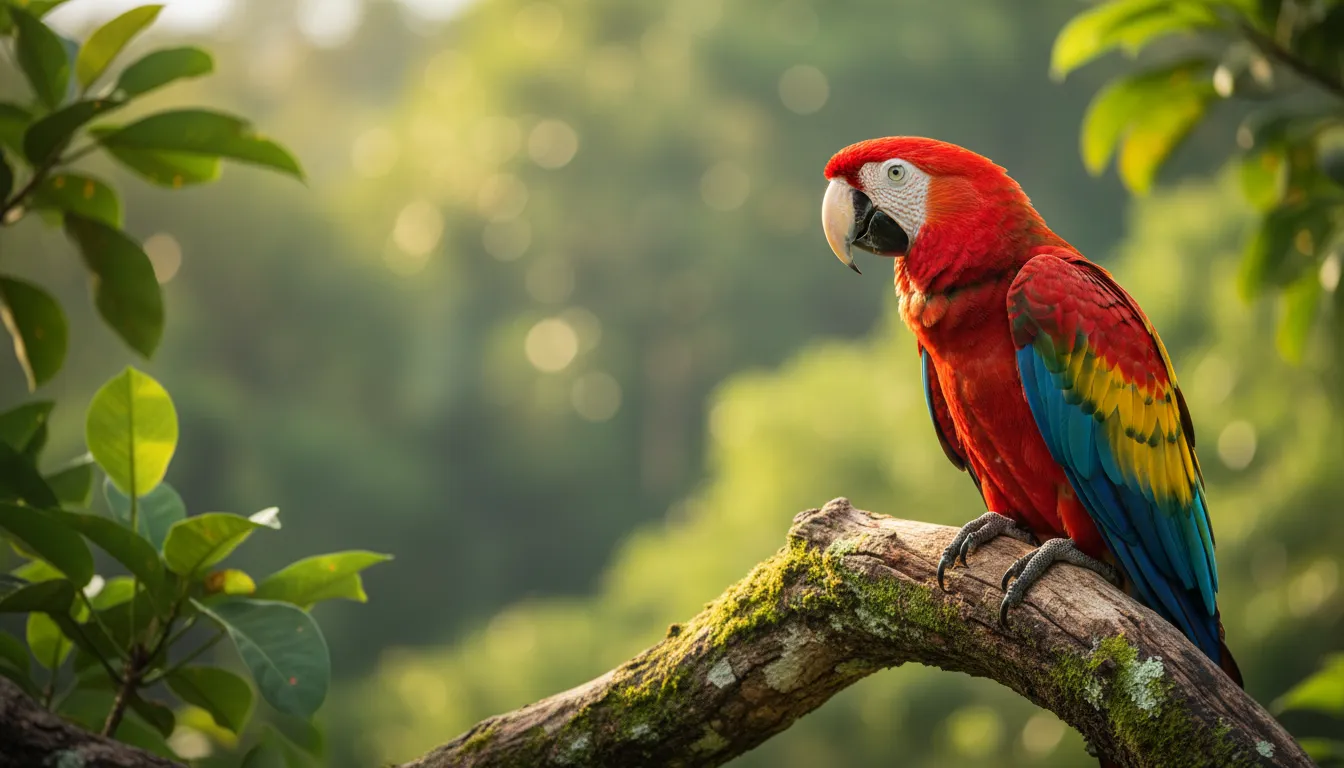
These birds aren’t subtle. Around dawn and dusk, hundreds of them commute between feeding grounds and roosting sites, turning the sky into a shrieking, scarlet-and-blue kaleidoscope. It’s not a “maybe you’ll spot one if you’re lucky” situation; it’s a “cover your ears because they’re loud” guarantee. Bring binoculars, but honestly, you won’t need them—these guys fly low and couldn’t care less about your presence. The best viewing spot is near the park entrance along the main road, where photographers and wildlife enthusiasts gather like paparazzi for the morning and evening shows.
Beyond the macaws, Carara’s trail system is refreshingly accessible. The Laguna Meándrica trail is a flat, well-maintained loop through primary forest where the real treasure hunt begins. Poison dart frogs—those tiny, electric-blue or red amphibians—hang out near wet leaf litter. Howler monkeys bellow from the canopy like they’re auditioning for a death metal band. And if you’re patient and scan the high branches, three-toed sloths blend into the foliage with supernatural skill. Walking these trails feels less like tourism and more like infiltrating a David Attenborough documentary.
Then there’s the Tárcoles River, famous for the “Crocodile Bridge” where tourists stop to gawk at massive American crocodiles lounging on the mudflats. But the real way to experience this river is via a guided boat safari. You’ll glide past crocs that make your average car look small, watch Jesus Christ lizards sprint across the water’s surface, and spot roseate spoonbills, anhingas, and a ridiculous variety of herons. It’s thrilling without being reckless—your guide keeps a respectful distance while you get photos that’ll make your friends question whether you Photoshopped them. For more on jaw-dropping wildlife encounters like these, check out our guide to Jaco’s most jaw-dropping wildlife encounters.
Manuel Antonio National Park: The Poster Child of Costa Rican Coasts (and Its Quirks)
About an hour south of Jaco lies Manuel Antonio National Park, Costa Rica’s crown jewel and simultaneously its most visited protected area. The park delivers on its reputation: white-sand beaches framed by jungle, turquoise water warm enough to swim in year-round, and wildlife so abundant that even the most oblivious tourist will stumble into a sloth sighting. But popularity comes with trade-offs, and if you go in unprepared, you’ll spend more time navigating crowds than enjoying nature.
The park caps daily visitors, and spots sell out—especially during dry season (December through April). Book your entry tickets and guided tour in advance, ideally online, or risk getting turned away at the gate. Arrive early, like “gates open at 7 a.m. and you’re there at 6:45 a.m.” early. Not only will you beat the tour bus invasion, but wildlife is most active in the cooler morning hours. By 10 a.m., the trails feel like a theme park, complete with vendors hawking coconuts and guys with spotting scopes charging $5 for a sloth peek.
The wildlife here doesn’t disappoint, though. White-faced capuchin monkeys are the park’s unofficial mascots—and its most notorious thieves. They’ve learned that tourists equal snacks, and they’re not shy about raiding unattended bags. Keep your food sealed, your backpack zipped, and don’t make eye contact while eating unless you want a monkey mugging. Sloths hang in the trees near the main beach trails, looking like furry coconuts until they move (slowly, always slowly). Iguanas sunbathe on the sand like miniature dragons, and if you’re lucky, you’ll spot squirrel monkeys—Costa Rica’s endangered tiny primates—bouncing through the canopy.
The trails are family-friendly and well-marked, with several leading to stunning beaches where swimming is actually safe (unlike some of Jaco’s wilder surf zones). Playa Manuel Antonio is the postcard shot: calm, clear water perfect for kids, backed by jungle where raccoons sometimes wander onto the sand. It’s genuinely beautiful, but manage your expectations about solitude. This is Costa Rica’s Disneyland of national parks. For quieter, more family-oriented beach options after your park adventure, explore [the best beaches for families in and around Jaco](https://jacobeachzen.com/Family-Friendly Activities/family-beach-days-in-jaco).
What makes Manuel Antonio worth the circus? The sheer reliability of the experience. If you’re traveling with kids who need guaranteed monkey sightings, or you’re a first-timer to Costa Rica who wants the “greatest hits” in one location, this park delivers. Just retreat to the relative calm of Jaco Beach Zen afterward, where the only crowds are the pelicans dive-bombing for fish and you can process your photos in peace.
Rainforest Rambles Beyond the Big Parks: Hidden Gems for the Explorer
If you’ve already checked Carara and Manuel Antonio off your list, or you’re the type who prefers sweat equity over paved trails, Jaco’s surrounding mountains hide some seriously rewarding adventures. The Bijagual Waterfall hike—officially called Manantial de Agua Viva—is not for the casual stroller-pushers. This is a legitimate trek: steep, muddy in sections, and demanding enough that you’ll earn every Instagram-worthy shot.
The payoff? One of Costa Rica’s tallest waterfalls, a ribbon of white water plunging over 600 feet into a jade-green pool surrounded by primary rainforest. The hike takes you deep into the jungle where the canopy closes overhead, bird calls echo like a jungle soundtrack, and you’re reminded that humans are the visitors here. The swimming hole at the base is cold, deep, and absolutely glorious after the climb. Just remember: this isn’t a groomed park trail. Wear proper hiking shoes, bring more water than you think you need, and consider hiring a local guide who knows the terrain and can spot wildlife you’d otherwise miss. For more waterfall chasing near Jaco, dive into chasing waterfalls near Jaco.
Beyond Bijagual, private reserves and eco-lodges around Jaco offer guided nature walks that trade crowd control for intimacy. These tours are often led by local naturalists who grew up in these forests and can identify birds by their calls before you even see them. You’ll learn about medicinal plants, track animal footprints, and support conservation efforts directly—many of these reserves exist because local families chose preservation over development. It’s eco-tourism in its truest form, and the experience feels less like a transaction and more like a privileged peek into someone’s backyard.
These lesser-known trails and reserves are where digital nomads and adventure seekers find their stride. You’re not dodging selfie sticks; you’re genuinely exploring. And because they’re less trampled, the wildlife is often less habituated to humans, meaning shyer species—tayras, ocelots (if you’re impossibly lucky), and a dizzying array of frogs—make appearances that would never happen on a crowded park trail.
Your Park Packing List: Don’t Leave Jaco Without These Essentials
Costa Rica’s rainforests are gorgeous, but they’re also hot, humid, and home to insects that view tourists as a mobile buffet. Packing smart means the difference between a magical day and a miserable slog. First: bug spray. Not the wimpy stuff from the hotel gift shop—bring DEET-based repellent or a natural alternative with lemon eucalyptus. Mosquitoes are manageable, but it’s the no-see-ums and occasional bot fly that’ll ruin your week. Apply generously, reapply after sweating, and don’t skip your ankles.
Water is non-negotiable. Costa Rica’s heat and humidity will dehydrate you faster than you expect, especially on uphill trails. Bring at least two liters per person, more if you’re hiking somewhere strenuous like Bijagual. Refillable bottles are better for the environment and cheaper than buying bottled water at inflated park prices.
Footwear matters. Flip-flops are for the beach, not jungle trails. You need closed-toe shoes with decent tread—hiking boots if you have them, sturdy sneakers at minimum. Trails can be muddy, rocky, or root-covered, and a twisted ankle miles into the jungle is nobody’s idea of a good time. If your shoes can’t handle getting dirty, leave them at Jaco Beach Zen.
Sunscreen, a wide-brimmed hat, and a lightweight rain jacket round out the essentials. Even in dry season, afternoon showers pop up with zero warning. A rain jacket that stuffs into your backpack is a lifesaver. And yes, you need sunscreen even under the canopy—reflected light and breaks in the foliage mean sunburn is still a risk.
Finally, binoculars are the secret weapon for wildlife spotting. Sloths and monkeys hang high in the canopy, often 50+ feet up. Without binoculars, you’re squinting at brown lumps and hoping they move. With them, you’re watching a sloth scratch its belly or a toucan crack open a fruit. Cheap binoculars are better than none; good ones transform the experience entirely.
FAQ
Are the national parks near Jaco safe for solo female travelers?
Absolutely. Costa Rica is one of Central America’s safest countries, and the national parks near Jaco—Carara and Manuel Antonio—are well-patrolled, family-friendly environments. Stick to marked trails, go during daylight hours, and consider joining a guided tour if you want extra security and wildlife-spotting expertise. The bigger risks are environmental (heat, dehydration) rather than personal safety. Solo female travelers regularly explore these parks without incident, and the local tourism infrastructure is accustomed to independent visitors.
Can I visit Carara and Manuel Antonio National Parks on the same day from Jaco?
Technically yes, logistically it’s rushed and not recommended. Carara is 20 minutes north, Manuel Antonio an hour south—they’re in opposite directions. Each park deserves 3-4 hours minimum to enjoy properly. If you’re determined, hit Carara at dawn for the macaw show and lighter crowds, then drive to Manuel Antonio for an afternoon visit. But you’ll be exhausted and miss the magic of lingering. Better to dedicate one full day to each park and actually soak in the experience rather than treating it like a checklist sprint.
What’s the best time of year for wildlife spotting in Jaco’s national parks?
Dry season (December through April) offers easier hiking, clearer trails, and more predictable weather, making wildlife spotting more comfortable. However, green season (May through November) brings lush vegetation, fewer tourists, and animals congregating near water sources—which can actually improve sightings. Nesting seasons for certain birds peak in green season too. Honestly, wildlife is active year-round in Costa Rica. The “best” time depends on whether you prioritize comfort (dry season) or solitude and verdant jungle (green season). Either way, you’ll see animals.
Do I need a guided tour for hiking in Carara or Manuel Antonio, or can I go alone?
You can absolutely self-guide in both parks—trails are marked, and entry doesn’t require a guide. However, hiring a naturalist guide dramatically improves the experience. Guides carry spotting scopes, know where animals hang out, can identify calls and tracks you’d otherwise miss, and share ecological insights that turn a walk into an education. At Manuel Antonio especially, guides help you skip entry lines with pre-arranged tickets. If budget allows, splurge on the guide. If not, go solo and download a Costa Rican wildlife app to help with identification.
Are there any accessible trails in the national parks near Jaco for those with mobility challenges?
Carara’s Laguna Meándrica trail is flat, wide, and wheelchair-accessible for much of its length, making it one of Costa Rica’s most mobility-friendly rainforest experiences. Manuel Antonio has some paved sections near the entrance, but the terrain gets steep and uneven quickly, which limits accessibility. For visitors with mobility challenges, Carara is your best bet, or consider private eco-tours that can tailor routes to physical needs. Always call ahead to discuss specific accessibility requirements, as “accessible” can mean different things in Costa Rica versus North America or Europe.
Can I bring my own food and drinks into Manuel Antonio National Park?
No. Manuel Antonio prohibits outside food and drinks (except water) to prevent wildlife from becoming dependent on human snacks and to reduce litter. This rule is enforced—rangers check bags at the entrance. There are restaurants and vendors just outside the park gates where you can grab lunch before or after your visit. Pack plenty of water in reusable bottles, but leave the sandwiches and snacks at your Jaco accommodation. This policy protects the monkeys (especially capuchins, who are relentless food thieves) and keeps the park cleaner.
What are the chances of seeing a sloth on a rainforest tour near Jaco?
Very high, especially with a guide. Sloths are common in the forests around Jaco, Carara, and Manuel Antonio, but they’re masters of camouflage and move so little that spotting them on your own is tough. Guides know their favorite trees and can spot them instantly with trained eyes and scopes. On a decent guided tour, you’ve got an 80-90% chance of sloth sightings. Even self-guiding in Manuel Antonio, if you look up frequently and scan the cecropia trees (sloths love them), you’ll likely spot at least one furry lump eventually. Patience and binoculars are your friends.
Bahía Azul, unit 7C sits right on this stretch of sand — on the quiet south end of Jacó, a few hundred feet from the water.
Book on Airbnb