Jaco’s Green Heart: Surfing the Waves & Saving the Wildlife (Responsibly, Of Course)
Jaco’s reputation as a surf town precedes it—consistent breaks, warm water year-round, and a nightlife that keeps the energy buzzing long after sunset. But here’s what most visitors don’t realize until they’re already here: some of Costa Rica’s most vital conservation areas are practically in our backyard. Within a 20-minute drive, you can go from ordering a casado at a beachfront soda to watching scarlet macaws paint the sky red, or from catching your morning set to spotting crocodiles sunbathing on riverbanks. It’s this proximity to both wild waves and actual wilderness that makes Jaco more than just another surf destination—it’s a launching pad for responsible exploration. Whether you’re chasing barrels at dawn or toucans at dusk, understanding how these protected areas work (and how to enjoy them without loving them to death) is part of the local code. Consider this your insider’s guide to balancing epic surf sessions with equally epic wildlife encounters, because around here, conservation isn’t just a buzzword—it’s how we keep paradise, well, paradise.
Beyond the Boardwalk: Why Jaco’s ‘Wild’ Side Matters
Jaco isn’t just about killer waves and vibrant nightlife; it’s the gateway to some of Costa Rica’s most vital conservation efforts—think of it as our local secret garden, just a short drive from where you’re reading this. We’re talking about a significant chunk of protected land, not just a patch, where toucans don’t just visit, they live here, and monkeys are your morning alarm clock (if you’re lucky and staying somewhere like Jaco Beach Zen, where the jungle meets the coast without the downtown noise).
The conservation areas surrounding Jaco exist because this region sits at a critical ecological crossroads. The transition from Pacific dry forest to humid coastal rainforest creates biodiversity hotspots that scientists geek out over and travelers accidentally stumble into while looking for the next surf break. These protected zones aren’t just nature’s eye candy—they’re functioning ecosystems that filter our air, protect our coastlines from erosion, and maintain the very conditions that create consistent surf. When you understand that the same coastal dynamics that shape our waves also shape sea turtle nesting patterns, suddenly that “no littering” sign carries more weight.
What makes Jaco unique is how accessible these conservation areas are without feeling overrun. You can genuinely surf in the morning, hike through primary rainforest by midday, and still catch sunset from a beach bar—all without spending half your day in transit. That’s not just convenient; it’s rare. And it means you don’t have to choose between adventure and relaxation, between wildlife and waves. You get both, as long as you show up with a bit of respect and curiosity.
Carara National Park: Where Macaws Soar and Crocs Snooze
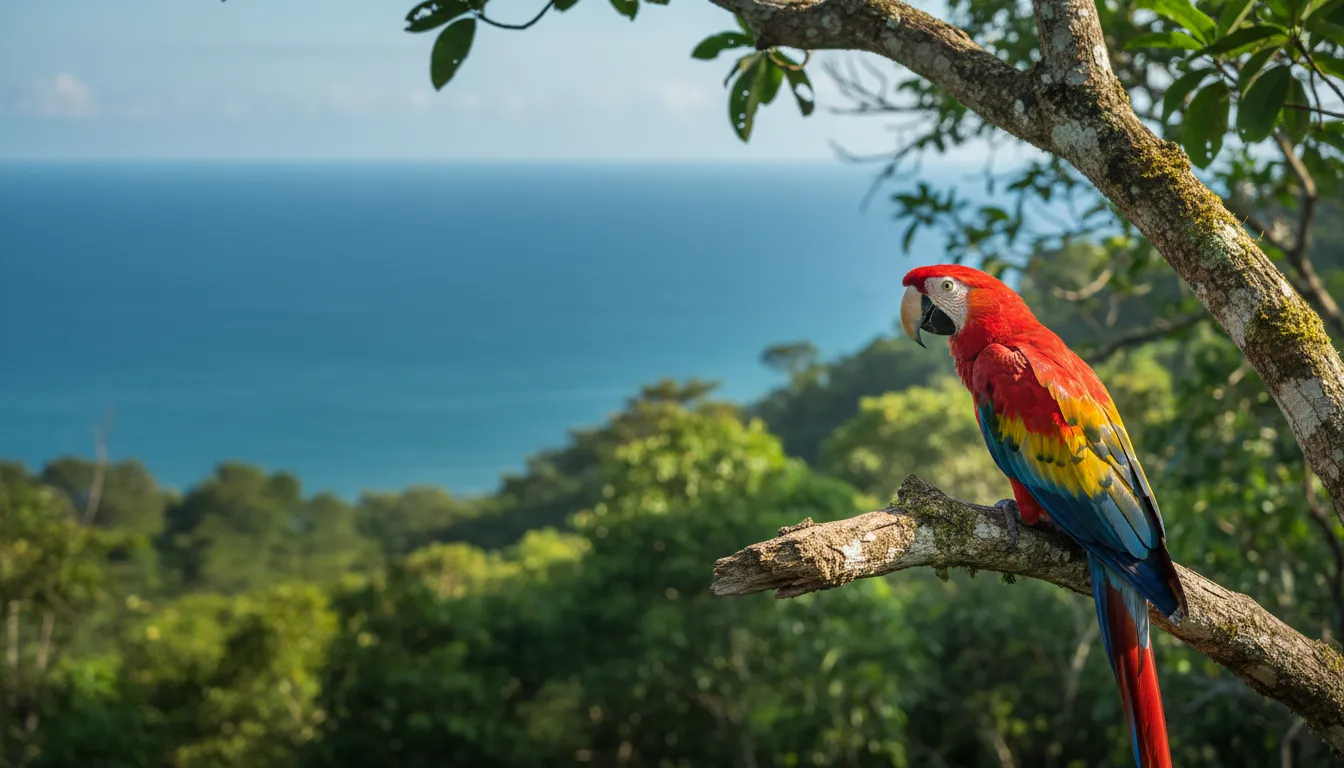
This isn’t your average city park; Carara is a transitional forest, meaning it’s where the dry north literally meets the humid south, making it a biodiversity hotspot you won’t find just anywhere. Located about 25 minutes north of Jaco, this 13,000-acre reserve packs more wildlife per square meter than most places manage in entire provinces. The park’s claim to fame? It shelters one of the largest remaining scarlet macaw populations in Costa Rica, and these birds aren’t shy about making their presence known.
Home to one of the largest remaining scarlet macaw populations in the country, you can’t miss their vibrant squawking flight shows around dawn and dusk—it’s like nature’s own airshow, best viewed from the Carara Bridge or even a boat tour on the Tárcoles River. The bridge itself has become something of a wildlife theater; arrive early morning and you’ll share space with local photographers and visitors gawking at the massive American crocodiles lounging below. Some of these prehistoric-looking beasts stretch over 13 feet long, and yes, they’re as impressive as they are slightly terrifying. The river tours offer a different perspective, gliding past mangroves where boat-billed herons nest and sloths move in slow motion through the canopy.
While surfing inside Carara isn’t a thing (it’s a rainforest, not a reef break!), its proximity means you can squeeze in a world-class wildlife tour before or after hitting the waves, giving you the best of both worlds. Most visitors explore Carara National Park’s wonders via the well-maintained trail system, with options ranging from wheelchair-accessible boardwalks to more challenging rainforest hikes. The early morning slot is worth the alarm clock sacrifice—cooler temperatures mean more active wildlife, and you’ll beat the tour bus crowds by a solid two hours. Pack water, wear closed-toe shoes, and bring binoculars if you have them. The park’s proximity to Jaco means you can be back in time for lunch and afternoon surf, smelling faintly of mosquito repellent and accomplishment.
Hermosa-Punta Mala Wildlife Refuge: More Than Just a Famous Break
Playa Hermosa, just south of Jaco, is renowned for its consistent, powerful waves—a local favorite for experienced surfers (not for the faint of heart or beginners on a big swell), but it’s also a critical nesting site for olive ridley sea turtles. The refuge stretches for nearly nine kilometers of dark sand beach, and what looks like prime surf real estate doubles as one of the Pacific coast’s most important turtle nurseries. During nesting season, roughly July through December, female turtles haul themselves ashore under cover of darkness to dig nests and deposit eggs, a process that’s been happening here for millennia and needs to keep happening if we want future generations to witness it.
This refuge stretches for miles, protecting not just the epic surf but also crucial coastal ecosystems; remember to tread lightly, especially during nesting season, to keep those baby turtles safe. The beach’s black sand absorbs heat differently than lighter beaches, affecting incubation temperatures and, consequently, the sex ratio of hatchlings—warmer nests produce more females, a detail that becomes critical as climate change shifts global temperatures. Local conservation groups monitor nests, relocate vulnerable eggs, and organize nighttime hatchling releases that visitors can sometimes join (check with ASVO or similar organizations operating here).
Sustainable surfing here means respecting the natural environment, parking in designated areas, and joining efforts like beach clean-ups—because good waves and clean beaches go hand-in-hand. The surfing community at Hermosa has generally embraced this ethos; you’ll notice local shapers and surf schools actively participating in conservation initiatives. Practical tips: avoid driving on the beach (it compacts sand and destroys potential nesting sites), pack out everything you pack in, and if you surf at dawn or dusk during turtle season, keep an eye out for nesting females and give them space. The waves aren’t going anywhere, but disturbing a nesting turtle can cause her to abandon the process entirely, wasting hours of effort and dozens of potential hatchlings.
Discovering Jaco’s Smaller, Fiercely Protected Gems
Don’t overlook the micro-reserves and private efforts; places like Punta Leona offer fantastic nature trails and pristine beaches, sometimes with guided tours that reveal hidden waterfalls and resident wildlife. These smaller protected areas might not have the name recognition of Carara, but they punch above their weight in terms of accessibility and intimate wildlife encounters. Punta Leona, for instance, maintains several kilometers of trails through secondary and primary forest where white-faced capuchins are practically guaranteed sightings, and the occasional margay or ocelot leaves tracks for sharp-eyed guides to point out.
Even around Jaco Beach itself, respecting local flora and fauna, like the iguanas and capuchin monkeys that might visit your balcony (if you’re staying at a place like ours, just far enough from the downtown bustle), is part of the local charm. The green iguanas you’ll spot sunbathing on rocks or crossing roads with comical determination are actually important seed dispersers, and the capuchins traveling through coastal corridors connect forest fragments that would otherwise become isolated islands. These aren’t just cute photo ops—they’re indicators of ecosystem health. When monkeys can still move freely between forest patches, it means we haven’t completely severed the green veins that keep Jaco connected to its wild roots.
For those interested in going deeper, uncover more hidden gems in Jaco through lesser-known trails and private reserves that offer everything from waterfall rappelling to canopy tours. And if you’re curious about maximizing wildlife sightings without leaving town, learn where to spot wildlife right from your balcony—because sometimes the best nature experiences happen when you’re sipping morning coffee in your pajamas, watching a troop of howler monkeys navigate the treeline.
Eco-Friendly Surfing: Riding Waves, Respecting Nature
Jaco’s got waves year-round and water warm enough that you’ll forget what a wetsuit feels like—which is exactly how surfing should be, but it also comes with responsibility. The Pacific’s warmth and consistency attract surfers of all levels, but that same accessibility means more potential impact on coastal ecosystems. Eco-friendly surfing isn’t about sacrificing fun; it’s about making choices that ensure the waves—and the marine life that depends on these waters—stick around for decades.
Opt for surf schools and guides who practice and preach environmental stewardship; they’ll often integrate lessons about marine conservation into your wave-riding experience, showing you how to ride responsibly. Look for operations using reef-safe sunscreen (or better yet, rash guards that eliminate the need), avoiding single-use plastics, and educating students about local marine protected areas. Some schools have partnered with marine biologists to offer combination surf-and-snorkel sessions that reveal what’s happening beneath the surface—spoiler: it’s not just sand and fish, it’s entire underwater neighborhoods of crabs, octopuses, rays, and juvenile fish using shallow waters as nurseries. Find the best surf lessons in Jaco that prioritize both progression and preservation.
Participating in local conservation projects, even something as simple as joining a beach clean-up organized by local groups, makes you part of the solution, not the pollution. Monthly clean-ups happen regularly, often coordinated through surf shops, hostels, or environmental groups, and they’re genuinely social events—think beers and barbecue after hauling plastic out of the sand. You’ll meet locals, other travelers, and gain serious street cred in the lineup when regulars recognize you as someone who gives a damn. For a broader perspective on conservation as lifestyle rather than chore, discover sustainability as a way of life in Jaco, where environmental consciousness is woven into daily rhythms rather than treated as tourism theater.
Making Your Jaco Eco-Adventure (and Stay) Effortless
Planning an eco-adventure means knowing how to get around efficiently; reliable transportation to and from these conservation areas is key, whether it’s a rental car or an organized tour. Carara and Hermosa are both accessible via well-maintained roads, but public buses run on Costa Rican time (meaning: flexible), and taxis can add up quickly. Renting a car offers maximum flexibility—you can chase sunrise at the Tárcoles Bridge, surf midday at Hermosa, and still make it back for sunset without checking a bus schedule. Most conservation areas have adequate parking, though arriving early (especially at Carara) ensures you’re not circling for a spot while toucans mock you from the trees.
For digital nomads, finding a place with robust Wi-Fi after a day of exploring Carara or surfing Hermosa means you don’t miss a beat (or a deadline)—because even saving the planet sometimes requires a stable connection. Jaco Beach Zen’s location hits that sweet spot: close enough to downtown that you can walk to dinner, far enough that your Zoom calls aren’t interrupted by passing motorcycles or late-night revelry. The property’s setup caters specifically to travelers who want adventure without sacrificing connectivity, offering workspaces where you can bang out emails between surf sessions and balconies where wildlife spotting happens organically, not on a scheduled tour.
The key to maximizing your time is clustering activities geographically. Pair a morning Carara hike with lunch in nearby Tárcoles (try the ceviche—it’s ridiculous), then swing by Herradura Bay for an afternoon swim or paddleboard session. Or combine a Hermosa surf session with a sunset drive down the coast, stopping at viewpoints where migrating whales breach offshore during season (December through April). When your home base is centrally located and genuinely comfortable, these multi-activity days feel like flow rather than forced march. You’re not just checking boxes on a bucket list; you’re actually experiencing how conservation and recreation coexist when done thoughtfully.
Frequently Asked Questions
Can I surf directly within Jaco’s national parks or wildlife refuges?
No, surfing isn’t permitted within national park boundaries like Carara (which is landlocked rainforest), but several excellent surf breaks exist adjacent to or near protected areas. Playa Hermosa’s refuge designation protects the beach and nesting areas while still allowing surfing—just respect posted restrictions during turtle nesting season. The distinction matters: protected status safeguards ecosystems while smart management allows compatible recreation. You’re surfing near conservation areas, benefiting from the coastal health they maintain, not inside them.
What kind of wildlife can I expect to see near Jaco’s conservation areas?
Carara delivers scarlet macaws, American crocodiles, white-faced capuchins, sloths, and over 400 bird species. Hermosa-Punta Mala protects nesting sea turtles (olive ridleys primarily), plus coastal birds like frigatebirds and brown boobies. Around Jaco itself, green iguanas, capuchin monkeys, coatis, and numerous tropical birds are common sightings. Punta Leona and smaller reserves add possibilities like howler monkeys, agoutis, and if you’re exceptionally lucky, margays or tayras. Early morning and late afternoon offer peak wildlife activity—midday heat sends most creatures into siesta mode, which honestly sounds reasonable.
Are there guided tours available that combine surfing with wildlife viewing?
Yes, several local operators offer combination packages, though they’re typically sequential rather than simultaneous (surfing while birdwatching is ambitious even for Jaco). Common pairings include morning surf lessons followed by afternoon Carara tours, or sunrise wildlife boat tours on the Tárcoles River followed by midday surf sessions. Some surf schools partner with eco-tour companies to create custom packages for families or groups wanting both experiences. DIY is also totally doable—surf early, tour mid-morning, repeat—but guided combos handle logistics and transportation, which matters when you’re jet-lagged or just don’t want to think.
How can families with young children safely explore Jaco’s nature reserves?
Carara’s Universal Access Trail is completely wheelchair and stroller accessible, making it perfect for young kids—it’s paved, shaded, and short (less than 1km loop). Stick to established trails, bring plenty of water and snacks, apply serious bug spray, and time visits for early morning when temperatures are manageable. Most reserves prohibit touching or feeding wildlife (smart policy, prevents both injuries and dependency), so teach kids the “look but don’t touch” rule early. Local guides experienced with families can pace hikes appropriately and point out kid-friendly wildlife like colorful frogs and butterflies, making education entertaining rather than exhausting.
What’s the best way to practice eco-friendly surfing in Jaco?
Use reef-safe sunscreen or full-coverage rash guards, avoid single-use plastics (bring refillable water bottles), respect marine life (don’t chase rays or stand on rocks covered in sea urchins), and participate in beach clean-ups when possible. Choose surf schools and rental shops with demonstrated environmental commitments—look for those using eco-friendly waxes, organizing conservation events, or partnering with local environmental groups. Pack out everything you bring to the beach, dispose of broken leashes and wax properly, and if you see trash in the lineup, grab it. Small actions compound when everyone participates.
Are there any specific rules or etiquette for visiting protected areas around Jaco?
Stay on marked trails (wandering off damages vegetation and disturbs wildlife), never feed animals (it alters natural behavior and creates dependency), keep noise levels reasonable (you’re a guest in their home), and pack out all trash. Most areas prohibit collecting plants, shells, or creatures—look and photograph, but leave everything as you found it. During turtle nesting season at Hermosa, avoid beach driving, keep flashlights off or red-filtered (white light disorients hatchlings), and give nesting females wide berth. If visiting with guides, tip appropriately—these folks are often underpaid educators doing critical conservation work while showing you an incredible time.
Bahía Azul, unit 7C sits right on this stretch of sand — on the quiet south end of Jacó, a few hundred feet from the water.
Book on Airbnb