Jaco’s Wild Side: Unearthing Biodiversity Hotspots Beyond the Beach Break
Sure, you came to Jacó for the waves—we get it. The surf here is legendary, and the Pacific sunsets don’t exactly hurt the vibe either. But here’s what most visitors miss while they’re waxing their boards: Jacó sits smack in the middle of one of the planet’s most biodiverse corridors. We’re talking scarlet macaws flying overhead during your morning coffee, howler monkeys providing your wake-up call, and sloths hanging out (literally) in trees you can see from downtown. This isn’t some distant national park you need to drive hours to reach—this is your backyard safari, and it’s spectacularly alive. From our place at Jaco Beach Zen, we watch this wildlife show daily, and trust us: once you tune into Jacó’s wild frequency, the beach suddenly becomes just one chapter of a much bigger story.
Beyond the Surf: Why Jacó is a Biodiversity Goldmine, Not Just a Wave Machine
Forget what you’ve heard about Jacó being just a surf town with good pizza. While we absolutely have both those things (and the pizza is legitimately good), this spot is actually an ecological convergence zone where three distinct ecosystems crash into each other like a biological party. You’ve got the Pacific Ocean on one side, primary rainforest creeping down from the mountains, and mangrove estuaries threading through it all. This creates microclimates that support an absurd density of species—over 850 bird species in Costa Rica, and a good chunk of them pass through or live right here.
This isn’t the kind of biodiversity you read about in a textbook and never actually see. We’re talking about a living, breathing ecosystem where you can spot three different monkey species before lunch, photograph a Jesus Christ lizard sprinting across water, and watch toucans argue over fruit in a tree outside your Airbnb. The transitional nature of Jacó’s geography—where wet Pacific lowlands meet drier coastal zones—means animals from both environments show up here. It’s like living at the world’s best ecological crossroads, except instead of a truck stop, you get poison dart frogs.
Carara National Park: Where Scarlet Macaws Paint the Sky (and Other Jungle VIPs Hang Out)
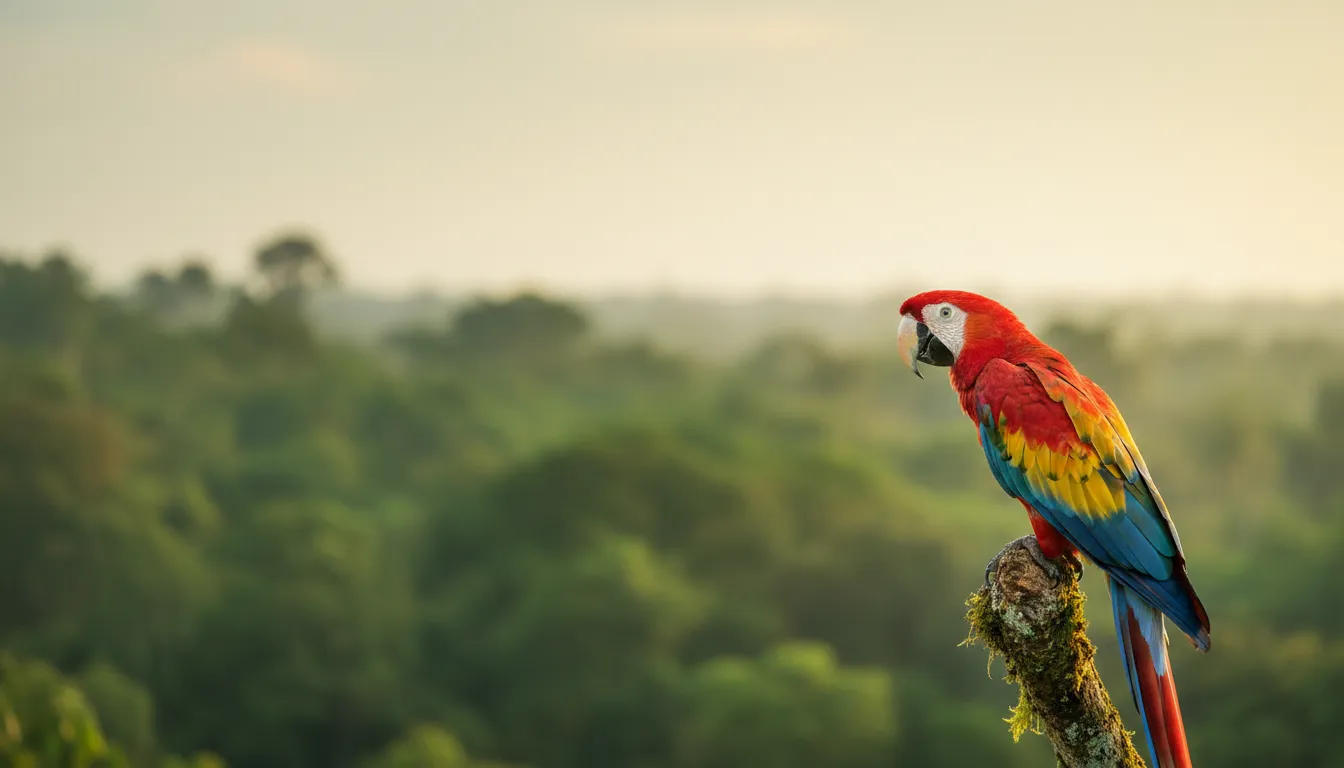
Twenty minutes north of Jacó, Carara National Park is where Costa Rica shows off. This 52,000-acre transitional forest sits right on the biological boundary between North and South American ecosystems, creating a species mashup you won’t find anywhere else. But let’s be honest—most people come here for one reason: scarlet macaws. These magnificent, loud-mouthed parrots are Carara’s celebrities, and for good reason. Arrive at sunrise near the Tárcoles River bridge, and you’ll witness dozens of them flying overhead in pairs, their red-and-blue plumage catching the early light like flying stained glass.
Here’s the insider move: Carara has two main trails—Laguna Meándrica and Quebrada Bonita. The latter is less crowded and better for spotting the park’s other residents: three-toed sloths moving at their characteristic glacial pace, white-faced capuchin monkeys staging elaborate heists of tourists’ snacks, and if you’re lucky, a giant anteater shuffling through the underbrush. The park hosts over 400 bird species, including the rare orange-collared manakin, whose mating dance looks like it was choreographed by a caffeinated hummingbird. Bring binoculars, but honestly, the macaws are big enough to see with your naked eye.
What makes Carara special is its accessibility. The trails are well-maintained, and certified guides posted at the entrance can show you things you’d walk right past otherwise—like that “stick” that’s actually an insect, or the tiny strawberry poison dart frog tucked under a leaf. From Jaco Beach Zen, it’s an easy morning trip, which means you can be back for an afternoon surf session or a nap in our hammock while the resident macaws fly overhead. Check out [our guide to Jaco’s best day trips](https://jacobeachzen.com/Family-Friendly Activities/jaco-family-day-trips) for more timing tips, and if you’re new to birding, the essential guide to Costa Rica birdwatching for beginners will get you up to speed fast.
Manuel Antonio National Park: The Poster Child of Costa Rican Wildlife (and How to Beat the Crowds)
Yes, Manuel Antonio is famous. Yes, it gets crowded. And yes, it’s still absolutely worth visiting if you approach it strategically. Located about an hour south of Jacó, this compact national park packs an almost ridiculous amount of wildlife into a small area—white-faced capuchins that will literally photobomb your selfies, sloths draped over branches like furry throw pillows, and three-toed sloths that occasionally grace the canopy. The beaches here are postcard-perfect, and the combination of accessible wildlife and stunning coastline makes it Costa Rica’s most-visited park.
Here’s how to do it right: visit midweek (Tuesday through Thursday), arrive when the park opens at 7 AM, and hire a certified guide at the entrance. Yes, you can wander solo, but guides carry telescopes that turn a distant brown blob into a perfectly framed sleeping sloth. They also know where the pygmy squirrel monkeys hang out—an endangered species you won’t see anywhere else in Jacó. The guides speak decent English and have an uncanny ability to spot camouflaged creatures you’d swear were invisible.
The drive to Manuel Antonio is half the adventure. The coastal highway hugs dramatic cliffs, and if you keep your eyes peeled (passenger seat only, please), you’ll spot roadside iguanas sunbathing on fence posts and flocks of green parakeets streaking through the palms. Pack water, sunscreen, and a sealed bag for your snacks—the capuchins here are professional thieves with zero shame. For more coastal exploration ideas, check out exploring the best beaches near Jaco.
The Jacó Rainforest: Your Backyard Safari, Steps from Our Door
Here’s the secret nobody tells you: you don’t need to drive anywhere to find wildlife in Jacó. The rainforest literally starts at the edge of town, and within a ten-minute walk from downtown (or about five minutes from our property), you can be deep in primary forest watching capuchin monkeys raid fruiting trees. The trails here aren’t on Google Maps, and that’s kind of the point—these are the paths locals use, where you’ll spot iguanas bigger than house cats and hear the unmistakable rumble of howler monkeys announcing their territorial claims.
Timing is everything. Head out at dawn or in the late afternoon, when temperatures drop and animals emerge to feed. The early morning light filtering through the canopy is absolute magic for photography, and you’ll avoid the midday heat that sends most creatures into hiding. Sloths are surprisingly common—look up, scan the cecropia trees (their favorite), and watch for that telltale clump of fur that’s either a sloth or a particularly ambitious coconut. Coatis, those long-nosed raccoon cousins, travel in noisy bands and are endlessly entertaining as they flip over leaves and investigate every crevice for insects.
Maintain respectful distance—these aren’t zoo animals waiting for handouts. Observe quietly, don’t feed anything (seriously, don’t), and if an animal changes its behavior because of you, back up. Local guides can show you specific trails for different species, and honestly, a two-hour guided walk beats a full day of aimless wandering. From our balcony at Jaco Beach Zen, we regularly watch scarlet macaws flying overhead toward the almond trees near the river mouth. It’s a daily spectacle that reminds us why we chose this location—close enough to wander downtown for tacos, far enough to hear howler monkeys instead of traffic.
Jaco’s Secret Birdwatching Stashes: Where the Feathered Friends Flock
You don’t need a telephoto lens the size of a bazooka to enjoy birding in Jacó—though a decent pair of binoculars helps. This area is legitimately a birder’s fantasy, with species ranging from the flamboyant keel-billed toucan (yeah, the Fruit Loops bird) to the secretive blue-crowned motmot, whose tail looks like it was designed by an Art Deco architect. The trick is knowing where to look and when to shut up and listen.
The mangrove estuaries south of town get overlooked by tourists rushing to the bigger parks, but they’re crucial habitat for waterbirds. Rent a kayak and paddle quietly through these channels at dawn, and you’ll see great blue herons stalking fish, snowy egrets perched like elegant statues, and kingfishers diving with precision that would make an Olympic diver jealous. The mangroves also host boat-billed herons, weird nocturnal birds that look perpetually startled. These kayak tours offer a meditative, low-impact way to observe without disturbing the ecosystem—just you, the paddle, and the occasional crocodile (they’re shy, promise).
Even downtown Jacó surprises. The fruit trees lining residential streets attract collared aracaris (toucan cousins) and various tanager species that flash through the branches like living jewels. That scraggly tree behind the supermarket? Probably hosting a clay-colored thrush, Costa Rica’s national bird, which has the audacity to look completely ordinary despite its VIP status. The less you expect, the more you see—birding operates on that frequency. For more on how to explore responsibly, check out our guide to responsible eco-tourism in Jaco.
Nocturnal Expeditions: When Jacó’s Night Owls Come Out to Play
Think the jungle clocks out at sunset? That’s when the night shift arrives. After dark, the rainforest transforms into a completely different world, populated by creatures you’ll never see during the day. We’re talking red-eyed tree frogs emerging to hunt insects, tarantulas the size of your hand patrolling the forest floor, and kinkajous—adorable nocturnal mammals that look like a fever dream involving a monkey and a ferret.
Night walks require two things: a good headlamp and a knowledgeable guide. This isn’t negotiable. Your guide knows how to spot the eyeshine of spiders and frogs, which trails are safe after dark, and crucially, how to identify venomous snakes from a safe distance. Yes, fer-de-lance vipers live here, but they’re far more interested in avoiding you than striking. Your guide will point one out from ten feet away, you’ll snap a photo, everyone moves on with mutual respect intact. Scorpions glow under UV light, which sounds terrifying until you realize they’re everywhere and have been this whole time—you just couldn’t see them.
The soundtrack alone is worth the trip. The jungle at night is absurdly loud—insect choruses, frog symphonies, and the occasional screech of an owl hunting. You might encounter an olingo, a tree-dwelling mammal with huge eyes and a ridiculously long tail, or spot a glass frog on a leaf, its translucent skin revealing internal organs like a biological X-ray. These tours run about two to three hours and operate year-round, though the rainy season (May through November) tends to bring out more amphibians. Book through reputable operators who limit group sizes—twelve people stomping through the forest defeats the purpose.
FAQ
What’s the best time of year to see wildlife in Jacó, Costa Rica?
Honestly, wildlife viewing here is excellent year-round, but timing depends on what you want to see. Green season (May through November) brings out amphibians, nesting sea turtles, and more active rainforest creatures thanks to abundant food sources. Dry season (December through April) offers better trail conditions and clearer weather for photography, though animals congregate around remaining water sources, making them easier to spot. Bird migration peaks from October through March, and scarlet macaws nest in Carara from December through May. Either way, you’re not leaving empty-handed.
Are wildlife tours in Jacó suitable for young children and families?
Absolutely, with smart planning. Daytime tours to Carara or the local rainforest trails are perfect for kids—short distances, frequent animal sightings, and plenty of “wow” moments to keep attention spans engaged. Most tour operators offer family-specific excursions with slower paces and kid-friendly guides. Night walks work for older children (8+) who can handle staying quiet and won’t freak out at large insects. Manuel Antonio is ideal for families due to habituated wildlife and easy trails, though keep a death grip on snacks around those capuchin monkeys.
What should I bring on a wildlife viewing tour in Jacó?
Pack light but smart: binoculars (8x40 or 10x42 magnification), a water bottle, insect repellent (DEET-based for serious protection), sunscreen, and a rain jacket regardless of season. Wear neutral-colored, long-sleeved clothing and closed-toe shoes with good tread—flip-flops don’t cut it on muddy trails. Bring a small camera or smartphone; modern phone cameras handle wildlife surprisingly well. Skip perfumes and colognes, which attract insects and announce your presence to every animal within fifty yards. A small dry bag protects electronics during unexpected rain.
Are there any ethical wildlife sanctuaries or rescue centers near Jacó?
Yes, though approach with discernment—“sanctuary” gets slapped on some questionable operations. Legitimate rescue centers focus on rehabilitation and release, not tourist photo ops with drugged animals. Proyecto Asis near La Fortuna (a day trip from Jacó) runs an excellent program, and several smaller rescues operate locally. Red flags include facilities that let you hold sloths or adult wild cats, charge premium prices for selfies, or keep obviously healthy animals permanently. Ask about their release rates and veterinary care protocols. When in doubt, stick to observing wildlife in actual wild settings.
How can I minimize my impact on local wildlife while visiting Jacó?
Basic respect goes far: maintain distance (minimum 10 feet from monkeys, more for others), never feed wildlife (it disrupts natural behavior and diet), and keep noise down. Stay on marked trails to avoid trampling habitat, and pack out everything you bring in—monkeys have died from ingesting plastic wrappers. Don’t touch anything, even if it looks harmless; that pretty frog might be toxic. Use reef-safe sunscreen to protect marine ecosystems. Choose tour operators certified by the Costa Rican Tourism Board (ICT), which enforces environmental standards. Support local conservation efforts through entrance fees and donations.
Can I see sloths in Jacó without going to Manuel Antonio National Park?
Yes, easily. Sloths live right in and around Jacó—in the rainforest trails at town’s edge, in trees along the Costanera highway, and occasionally in downtown green spaces. They favor cecropia and guarumo trees, so scan those canopies carefully. Early morning is prime sloth-spotting time when they’re moving (relatively speaking) to new feeding spots. Local guides know specific trees where sloths hang out regularly. From our property, we’ve spotted both two-toed and three-toed sloths within a short walk. Carara National Park also hosts healthy sloth populations. Patience and upward gazing are your main requirements.
What kind of unique insects or amphibians can I expect to see in Jacó?
Prepare for the tiny and spectacular. Poison dart frogs come in multiple species here—strawberry dart frogs (bright red), green-and-black poison frogs, and granular poison frogs. You’ll encounter leaf-cutter ants marching like tiny leaf-carrying armies, blue morpho butterflies with wings the size of your hand, and stick insects so convincing you’ll question reality. Glass frogs with translucent skin, rhinoceros beetles that look armored for battle, and the occasional tarantula (they’re chill, promise). Rainy season amps up amphibian activity—red-eyed tree frogs become common sights on night walks.
Is it safe to go on a night walk in the rainforest around Jacó?
With a qualified guide, yes. Solo night walks are inadvisable unless you’re experienced in tropical environments and know the trails intimately. Guides handle navigation, identify hazards like venomous snakes or unstable terrain, and know how to react if you encounter something unexpected. Reputable tour operators carry first aid kits, communication devices, and liability insurance. The actual risk is low—most dangerous animals actively avoid humans, and your guide’s job is keeping safe distances maintained. Thousands of tourists do night walks annually without incident. Book through established companies, follow instructions exactly, and you’ll have stories worth telling without the hospital bill.
Coming Home to Comfort After Your Wild Adventures
After a day tracking monkeys through Carara or kayaking mangrove channels, there’s something deeply satisfying about returning to civilization—specifically, to a place where hot showers actually work and the wildlife stays outside where it belongs. Jaco Beach Zen sits in that perfect sweet spot: close enough to downtown’s restaurants and surf breaks that you’re never isolated, but positioned where the jungle soundtrack is real and the resident macaws treat our property like part of their daily flight path. You can explore Jacó’s incredible biodiversity knowing you’ve got a secure, comfortable base to return to, where the adventure stops at the door and the relaxation begins. That’s not just convenient—it’s the whole point of doing this right.
Bahía Azul, unit 7C sits right on this stretch of sand — on the quiet south end of Jacó, a few hundred feet from the water.
Book on Airbnb