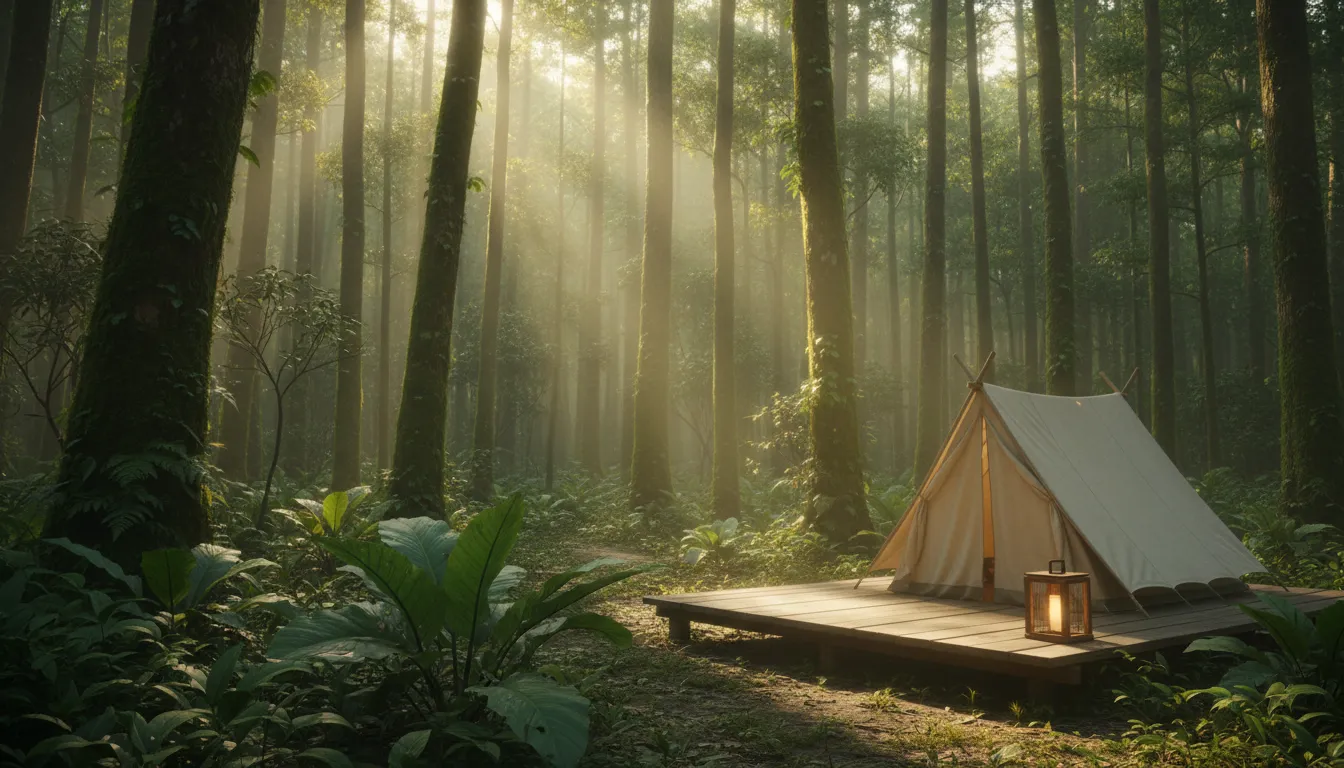
Jaco isn’t just surf breaks and beach bars—venture a few kilometers inland and you’ll find yourself wrapped in primary rainforest where howler monkeys serve as your alarm clock and scarlet macaws provide the in-flight entertainment. Forest camping near Jaco offers something most beach towns can’t: the chance to fall asleep to rustling leaves instead of rustling pizza delivery bags. Whether you’re pitching a tent in Carara National Park’s buffer zones or settling into an eco-lodge deep in the hills, the forests around Jaco deliver wildlife encounters that’ll make your Instagram followers genuinely jealous. This guide covers everything from the best camping spots to what you absolutely shouldn’t forget in your pack—because nobody wants to learn about bullet ants the hard way.
Why Camp in Jaco’s Rainforests?
The forests surrounding Jaco sit at a unique ecological crossroads where Pacific dry forest meets evergreen rainforest, creating biodiversity that punches well above its weight class. You’re not just camping—you’re sleeping in one of Central America’s most wildlife-rich corridors. Scarlet macaws fly overhead at dawn, sloths hang in the cecropia trees above your tent, and if you’re quiet enough at dusk, you might spot a tayra (imagine a supersized weasel with attitude) hunting along the forest floor.
Unlike purely beachside camping where sand infiltrates everything you own, forest camping offers shade, natural air conditioning, and the kind of sounds that meditation apps charge $9.99 monthly to simulate. The temperature drops noticeably once you’re under the canopy—often 5-7 degrees cooler than the beach—which means actual comfortable sleep instead of sweating through your sleeping bag. Plus, forest campsites tend to attract a different crowd than beach parties: people who appreciate that the best entertainment is watching leaf-cutter ants build highways across the forest floor.
Best Forest Camping Spots Near Jaco
Carara National Park Buffer Zones
Carara National Park doesn’t allow overnight camping within its boundaries, but several private reserves along its borders offer legal camping with all the wildlife benefits. These buffer zone properties provide the biodiversity of Carara without the restrictions—you can camp, cook, and explore on your own schedule. The Quebrada Bonita area northeast of the park has several small eco-lodges that allow tent camping on their grounds, usually for $10-15 per person. You’ll have access to trails, basic bathrooms, and the same bird species that make Carara famous.
The real advantage here is proximity to both forest and civilization. You’re close enough to Jaco that you can drive in for supplies or a proper meal, but far enough that the only traffic noise comes from toucans arguing over fruiting trees. Most properties in this zone have resident naturalist guides who lead early morning walks—worth every colon if you want to actually spot wildlife instead of just hearing it.
Private Reserves in the Jaco Hills
The hills directly east of Jaco contain numerous private reserves that welcome campers, particularly during dry season. Finca Tres Monos and Reserva Bosque Nuboso are two standouts that offer designated camping areas with basic facilities. These properties sit at higher elevations (300-500 meters), which means cooler nights and occasionally stunning views when the morning fog burns off. The forest here is transitional—not quite cloud forest but more lush than lowland rainforest.
What makes these spots special is the solitude. You might be the only tent pitched on a given night, which means the wildlife behaves naturally instead of being habituated to human presence. White-faced capuchins often pass through morning campsites, and coatis aren’t shy about investigating any food you’ve left improperly stored. If you’re exploring wildlife in Jaco’s rainforests, these private reserves offer your best chance for intimate encounters.
Rainmaker Conservation Project
About 30 minutes south of Jaco, Rainmaker offers the most developed forest camping experience in the region. They have designated camping platforms, clean bathrooms, and guided night walks included with camping fees ($25 per person). The reserve protects 1,500 acres of primary rainforest with suspension bridges, waterfalls, and trails ranging from casual to genuinely challenging. This is forest camping with training wheels—perfect for families or first-timers who want comfort without sacrificing the rainforest experience.
Rainmaker’s canopy walks at sunrise are legitimately spectacular. You’re eye-level with birds that normally require binoculars and a crick in your neck to observe properly. The camping platforms are raised, which keeps you above ground-dwelling insects and provides better ventilation. The trade-off is less isolation—Rainmaker sees day-trippers, so expect to share trails during peak hours. Book camping spots ahead during dry season; weekends fill up fast.
Best Time for Jaco Forest Camping
Dry season (December through April) offers the most comfortable forest camping, with minimal rain, lower humidity, and fewer insects trying to donate blood on your behalf. January and February are particularly ideal—trails are driest, wildlife congregates around limited water sources (making spotting easier), and you can actually keep gear dry without Herculean effort. Morning temperatures hover around 22°C (72°F), warming to 28-30°C (82-86°F) by afternoon under the canopy.
Green season camping (May through November) brings its own rewards if you don’t mind getting damp. The forest explodes with life—frogs chorus at night, mushrooms sprout in impossible colors, and rivers run full. Wildlife is more dispersed since water is everywhere, but bird activity peaks during early green season as migrants arrive. Just accept that “waterproof” is aspirational rather than literal. Everything will develop a subtle dampness, including you. Pack accordingly and embrace the moisture as part of the experience.
Avoid October and November for forest camping unless you’re training for an amphibious landing. These are the wettest months, with trails turning to mud slicks and rivers occasionally flooding campsites. The wildlife viewing is actually fantastic if you can handle the conditions, but gear management becomes a full-time job.
What to Pack for Jaco Forest Camping
Essential Gear
A quality tent with a full rainfly isn’t optional—even in dry season, morning dew is substantial. Go for something with good ventilation; budget tents that trap heat will make you miserable. Bring a sleeping pad with insulation rating; the ground is cooler than you expect, and you’ll appreciate the cushioning on less-than-level tent sites. A lightweight sleeping bag rated to 15°C (60°F) works year-round—you can always unzip if it’s warm.
Headlamps are mandatory, and bring backup batteries. Forest darkness is absolute—the kind where you literally can’t see your hand in front of your face. Water filtration is essential since you’ll likely be filling bottles from streams. A LifeStraw or similar filter handles most pathogens, though boiling is safest if you have cooking capability. Pack your food in airtight containers or bear-proof bags; coatis and agoutis are clever and persistent.
Clothing and Protection
Quick-dry everything. Cotton becomes a damp, chafing nightmare in humid forest environments. Bring long sleeves and pants for evening—mosquitoes are manageable but present, and walking through vegetation means potential contact with irritating plants. Closed-toe hiking shoes with good tread prevent the kind of slips that turn camping trips into emergency room visits.
Insect repellent with DEET actually works here; natural alternatives are charming but ineffective against determined tropical mosquitoes. Sunscreen still matters—forest clearings and trails can deliver sunburn despite the canopy. A lightweight rain jacket serves double duty as wind protection for cool mornings. If you’re planning serious trail time, consider gaiters to keep debris out of your shoes and provide protection against the occasional snake encounter.
Jaco Camping Safety Tips
Wildlife Awareness
Respect wildlife boundaries, which means keeping at least 10 meters from any animal and never approaching babies (mama is nearby and unamused). Don’t feed wildlife, including birds—it disrupts natural behaviors and makes animals associate humans with food, which ends badly for everyone. Store all food, toiletries, and scented items in sealed containers away from your tent. Curious coatis will absolutely unzip your tent if they smell granola bars inside.
Snakes exist but rarely cause problems if you watch where you step and don’t reach into dark crevices. Most Costa Rican snakes are harmless, but fer-de-lance vipers do live in these forests and deserve serious respect. Wear closed shoes, use your headlamp at night, and shake out boots before putting them on in the morning. If you encounter a snake, give it space and let it leave—they’re far more interested in escaping than engaging.
For practical safety information about the area, check out the [Jaco safety guide](/Resources and Guides/jaco-safety-guide) which covers everything from wildlife to weather concerns.
Health and Hygiene
Purify all drinking water—even clear mountain streams can carry giardia and other intestinal party-crashers. Bring hand sanitizer and use it religiously, especially before eating. A small first aid kit should include bandages, antibiotic ointment, antihistamines for bug bites, and any personal medications. Blisters from hiking are nearly inevitable; pack moleskin or blister bandages.
Know your route and tell someone your plans. Cell service is spotty to nonexistent in most forest camping areas. Bring a physical map or download offline maps before leaving Jaco. Most accidents happen from simple falls or dehydration, both easily preventable with attention and preparation. Pack more water than you think you’ll need—dehydration sneaks up in humid environments where you’re constantly sweating.
Eco-Camping Practices
Leave No Trace principles aren’t just suggestions in Costa Rica’s forests—they’re essential for protecting these ecosystems. Pack out everything you bring in, including toilet paper (yes, really). Bury human waste at least 60 meters from water sources and trails, 15-20 centimeters deep. Use biodegradable soap sparingly and never directly in streams; wash dishes at least 60 meters from water sources.
Stick to established trails and campsites. Creating new paths or camping areas damages understory plants and accelerates erosion. Don’t collect plants, flowers, or “souvenirs”—these forests are protected for good reason. Keep noise levels reasonable, particularly early morning and evening when wildlife is most active. Your Spotify playlist can wait; the forest’s natural soundtrack is better anyway.
If you’re camping near Carara National Park, remember that your impact extends beyond your immediate campsite. These forests function as corridors for wildlife movement, and responsible camping helps preserve their ecological integrity for future visitors and residents alike.
Combining Forest Camping with Beach Time
One of Jaco’s unique advantages is proximity—you can genuinely split time between forest camping and beach activities without burning half your vacation on transportation. Camp in the hills for three days, then spend two nights at a beachfront property to decompress, shower properly, and remember what dry clothing feels like. This combination gives you the best of both environments without the fatigue of extended primitive camping.
After days of early-morning wildlife walks and evening campfires, having a comfortable base with actual amenities feels downright luxurious. A place like Jaco Beach Zen provides that transition space where you’re close enough to continue exploring but have creature comforts like hot showers, real mattresses, and kitchens with refrigeration. The contrast makes you appreciate both experiences more fully.
Many visitors find this split approach ideal—intense forest immersion followed by beach relaxation creates natural rhythm and prevents camping fatigue. You’ll also appreciate proper laundry facilities after a few days of wearing quick-dry clothing in humid forest conditions. Plan your forest camping for the beginning of your trip when energy is highest, then transition to beach time for recovery and reflection.
Frequently Asked Questions
Can I camp directly in Carara National Park?
No, overnight camping isn’t permitted within Carara National Park boundaries. However, numerous private reserves in the buffer zones surrounding the park offer legal camping with similar wildlife viewing opportunities. These properties provide basic facilities while maintaining the rainforest experience. Quebrada Bonita area and private reserves near the park entrance are your best options for legal forest camping with Carara-quality biodiversity.
Is forest camping near Jaco safe for families with children?
Absolutely, with reasonable precautions. Choose developed camping areas like Rainmaker Conservation Project for first-timers or families with younger children. These spots provide platforms, bathrooms, and guided walks that make forest camping accessible and safe. Teach children basic wildlife awareness—observe from distance, don’t touch plants or animals, stay on trails. Most dangers are easily avoided with supervision and common sense. The educational value of forest camping is enormous; kids develop genuine environmental awareness that no classroom can provide.
What wildlife might I encounter while forest camping in Jaco?
Expect to see white-faced capuchins, howler monkeys, sloths, agoutis, coatis, and numerous bird species including scarlet macaws, toucans, and motmots. At night, you might hear or see kinkajous, opossums, and tree frogs. Snakes are present but rarely encountered if you’re cautious. Tapirs and ocelots inhabit these forests but are exceptionally shy—sightings are rare and special. Most wildlife encounters happen during early morning hours (5:30-8:00 AM) when animals are most active and temperatures are coolest.
Do I need permits for forest camping near Jaco?
Permit requirements vary by location. Private reserves and eco-lodges don’t require special permits—just reservations and camping fees. If you’re planning to camp on public land or near protected areas, check with SINAC (Costa Rica’s national parks service) for current regulations. Most accessible forest camping near Jaco happens on private property where the landowner’s permission is your “permit.” Always confirm camping is allowed before setting up; trespassing fines can be substantial, and you’ll disrupt conservation efforts.
How much does forest camping near Jaco typically cost?
Budget camping at basic private reserves runs $10-15 per person per night. Developed camping areas like Rainmaker charge $20-25 per person, including facilities and sometimes guided walks. Eco-lodges that allow tent camping on their grounds typically charge $15-20 per person with bathroom access. These fees often include trail access, parking, and basic security. It’s significantly cheaper than hotels while providing infinitely better wildlife encounters. Bring cash—many forest camping operations don’t accept cards, and ATMs are back in Jaco town.
Bahía Azul, unit 7C sits right on this stretch of sand — on the quiet south end of Jacó, a few hundred feet from the water.
Book on Airbnb