Forget the Africa daydreams—Costa Rica packs more biodiversity per square mile than almost anywhere on Earth, and you don’t need a 14-hour flight to find it. From Jaco Beach, you’re positioned at the crossroads of multiple ecosystems where rainforests tumble into mangroves, cloud forests hover in the highlands, and the Pacific coastline hosts everything from scarlet macaws to migrating whales. An eco safari here isn’t about spotting the Big Five; it’s about discovering four species of monkey before breakfast, tracking a sloth through cecropia branches, and realizing that poison dart frog you just photographed is smaller than your thumbnail but deadlier than most things with teeth. Whether you’re booking guided nature walks through primary rainforest or embarking on multi-day wildlife tours that span national parks, Costa Rica’s eco-tourism infrastructure has mastered the balance between adventure and conservation—and Jaco’s central Pacific location puts you within striking distance of it all.
What Makes Costa Rica’s Eco Safaris Different
The term “safari” typically conjures images of Land Rovers bouncing across savannas, but Costa Rica flips that script entirely. Here, your safari vehicle might be a kayak gliding through Damas Island’s mangrove tunnels, a suspension bridge swaying 150 feet above the rainforest floor, or simply your own two feet on a trail that requires more verticality than velocity. The country’s eco-tourism model prioritizes low-impact exploration—small groups, certified naturalist guides, and strict national park protocols that fund conservation rather than exploit it.
What sets Costa Rica apart is density and accessibility. In Manuel Antonio National Park, 30 minutes south of Jaco, you’ll find three-toed sloths, white-faced capuchins, and basilisk lizards within a 683-hectare space that backs onto pristine beaches. Carara National Park, just 20 minutes north, serves as a transitional zone between dry and wet tropical forests, creating habitat diversity that attracts over 400 bird species—including the scarlet macaw, which you’ll hear before you see, their raucous calls echoing through the canopy at dawn. Unlike safaris that require days of driving between sightings, Costa Rica delivers wildlife encounters with remarkable consistency, often multiple species within the same hour-long walk.
The rainforest itself operates as a vertical ecosystem. Ground level hosts leaf-cutter ant highways and agouti foraging trails. Mid-canopy brings howler monkeys whose territorial roars carry for miles. Upper canopy reveals toucans, tanagers, and the occasional harpy eagle. Guided nature walks decode this layered world—your naturalist guide spotting the motionless eyelash viper you’d have walked past, explaining why that termite mound indicates specific soil conditions, demonstrating how strangler figs eventually consume their host trees. This isn’t passive observation; it’s active education delivered by guides whose livelihoods depend on conservation success.
Top National Parks for Wildlife Near Jaco Beach
Jaco’s geographic sweet spot means you can breakfast with monkeys in one park and photograph crocodiles in another by lunch. Manuel Antonio National Park remains the crown jewel—those postcard-perfect beaches aren’t just for sunbathing. The park’s trail system weaves through primary and secondary rainforest where sloths hang in cecropia trees (their favorite all-you-can-eat buffet), troops of squirrel monkeys leap between branches in noisy acrobatic displays, and iguanas bask on tree limbs overhanging the ocean. Arrive early, ideally by 7 AM when the park opens, to beat the cruise ship crowds and catch wildlife at its most active. The main trail loop takes about two hours at a leisurely pace, with numerous side paths leading to beaches and lookout points.
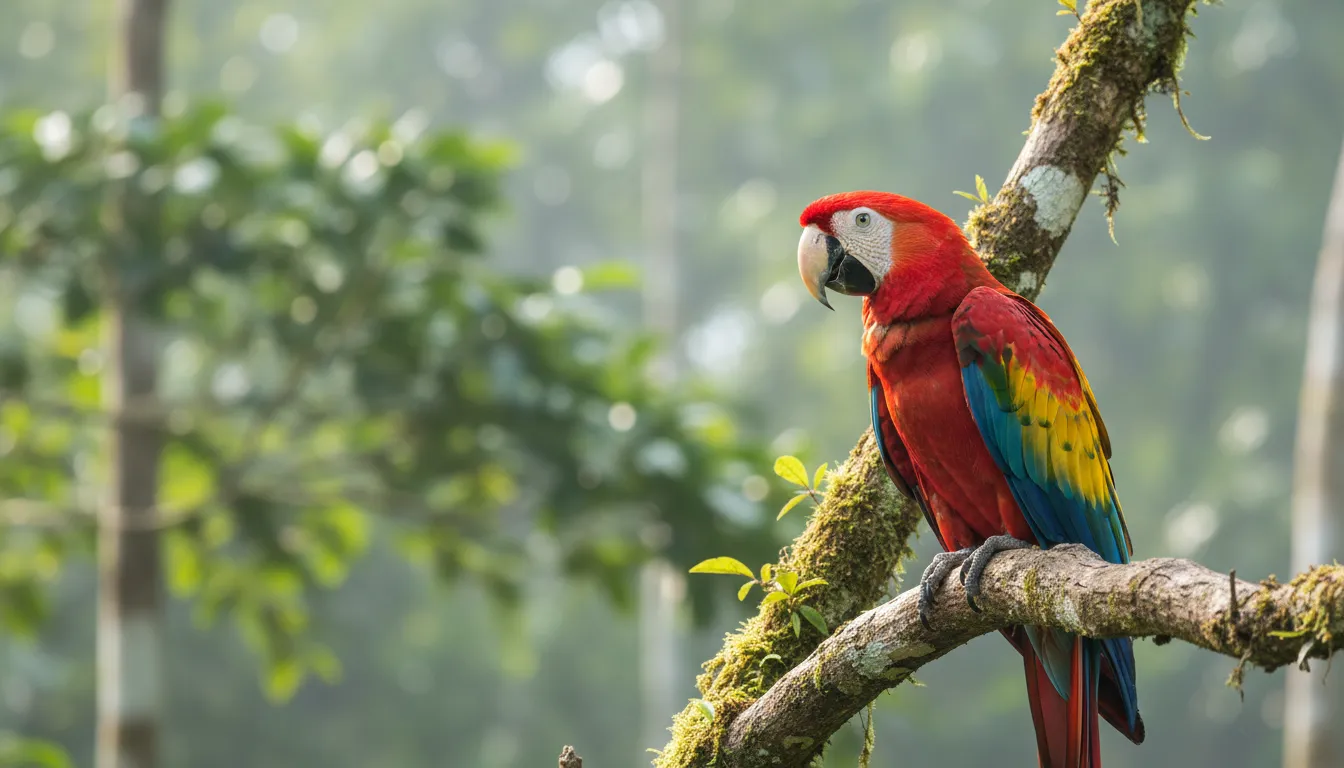
Carara National Park offers a completely different experience. As a transitional ecosystem, it hosts species from both northern dry forests and southern rainforests, creating exceptional biodiversity. The Laguna Meándrica trail follows an oxbow lake where caimans sun themselves on muddy banks and anhingas dry their wings after diving for fish. Carara’s claim to fame, however, is its scarlet macaw population—one of the largest and most accessible in the country. These brilliant red, yellow, and blue parrots mate for life and return to the same nesting sites annually. Late afternoon brings them back to roost in massive, squawking congregations that turn the sky into a kaleidoscope.
For something more off the beaten path, rainforest hikes in Jaco access private reserves and lesser-known protected areas where foot traffic is minimal and wildlife encounters feel genuinely wild. Rainmaker Conservation Project, about 45 minutes from Jaco, features a series of suspension bridges that put you at eye level with the canopy—howler monkeys often use the bridges as convenient shortcuts, completely unbothered by human spectators. The reserve’s pristine rivers and waterfalls attract a different suite of species: colorful poison dart frogs (look but absolutely don’t touch), Jesus Christ lizards that literally run across water when startled, and if you’re exceptionally lucky, the elusive ocelot.
Costa Rica Wildlife Tours: What to Expect
Professional wildlife tours transform random nature walks into strategic wildlife tracking expeditions. Your guide carries a spotting scope that turns that distant blob in a tree into a close-up view of a three-toed sloth’s algae-covered fur (yes, they’re green because algae grows on them—it’s excellent camouflage). They know which fruiting trees attract toucans, which riverbanks the crocodiles prefer, and which trails offer the best statistical probability for spotting all four monkey species in a single morning.
Most tours operate on early schedules—starting between 6-7 AM when wildlife is most active and lighting conditions are optimal for photography. The Central Pacific’s climate means morning temperatures are pleasant, humidity hasn’t reached its midday peak, and animals haven’t yet retreated to shaded rest spots. Tours typically last 3-4 hours and cover 2-3 kilometers of terrain, though the pace is slow and deliberate. You’ll spend more time stopped and observing than actually walking.
Group sizes matter significantly. Responsible operators cap tours at 6-10 people maximum, ensuring everyone gets quality viewing time through the spotting scope and that the group’s presence doesn’t overwhelm wildlife. Larger groups create more noise, more movement, and more stress for animals—factors that responsible eco-tourism actively minimizes. When booking, ask about group size policies; if they’re willing to pack 30 people into a tour, they’re prioritizing profit over wildlife welfare and your actual experience will suffer accordingly.
Guides certified by the Instituto Costarricense de Turismo (ICT) have completed rigorous training in natural history, first aid, and environmental ethics. The good ones are walking encyclopedias of ecological relationships—explaining how leaf-cutter ants farm fungus underground, why howler monkeys have enlarged throat bones that amplify their calls, how the scarlet macaw’s powerful beak can crack open the hardest palm nuts. They’ll also handle the less glamorous logistics: navigating trail systems, timing your arrival to avoid other groups, and knowing when to move on versus when to wait patiently because “that sloth is about to move to a better viewing position.”
Specialized Eco Adventures: Sloths, Birds, and Night Safaris
While general wildlife tours cast a wide net, specialized safaris focus on particular species or ecosystems with obsessive detail. Sloth sanctuary tours have evolved beyond simple viewing opportunities into educational experiences about arboreal ecology and conservation challenges. Costa Rica hosts both two-toed and three-toed sloths (the names are misleading—both have three toes, but different numbers of fingers), and their lifestyle is so energy-efficient they only descend from trees once weekly to defecate. Sanctuaries like the Sloth Institute near Manuel Antonio conduct ongoing research while allowing controlled public visits, where you’ll learn why sloths can’t regulate their body temperature effectively, why they’re so vulnerable to habitat fragmentation, and what conservation efforts are underway to protect them.
Bird watching tours transform into treasure hunts for twitchers chasing their Costa Rica life lists. The country hosts over 900 bird species—about 10% of the world’s total—in an area smaller than West Virginia. Dawn excursions target specific habitats: riverine forests for kingfishers and jacanas, mangroves for herons and roseate spoonbills, highland cloud forests for the resplendent quetzal (worth the drive to Monteverde). Professional bird guides use calls and songs to locate species, sometimes employing playback techniques (ethically and sparingly) to coax particularly shy birds into view. The scarlet macaw is Costa Rica’s megastar, but serious birders obsess over trogons, motmots, tanagers, and the comical-looking keel-billed toucan whose rainbow-colored beak seems anatomically improbable.
Night safaris reveal an entirely different cast of characters. Nocturnal tours through areas near Jaco spotlight red-eyed tree frogs (the poster child of rainforest conservation), glass frogs whose translucent skin reveals their internal organs, kinkajous raiding fruit trees, and tarantulas the size of your hand emerging from burrows. The rainforest’s soundscape transforms after dark—insect choruses reach deafening decibels, owl species become active, and if you’re extraordinarily fortunate, you might catch eyeshine from a prowling margay or ocelot. These tours require different skills: headlamps with red filters that don’t disturb wildlife, guides trained in night-time navigation, and a comfort level with being in the jungle after sunset when you absolutely cannot see what just rustled those leaves three meters away.
Planning Your Eco Safari from Jaco Beach
Jaco’s central location on the Pacific coast creates logistical advantages for multi-day wildlife itineraries. You can design a progressive tour hitting different ecosystems: start with Carara’s transitional forest, move south to Manuel Antonio’s coastal rainforest, then venture inland to private reserves in the Turrubares hills where primary forest remains largely untouched. This geographic diversity means you’ll encounter different species combinations at each stop rather than seeing redundant habitats.
Timing matters beyond just time of day. Costa Rica’s dry season (December-April) offers easier trail conditions and more predictable weather, but some wildlife disperses when water sources are abundant everywhere. Green season (May-November) brings afternoon rains that can interrupt tours but also concentrates animals near permanent water sources and rivers, potentially improving sighting odds. Nesting seasons vary by species—scarlet macaws nest January-June, sea turtles arrive July-October, humpback whales migrate through August-November. If you have a target species, research its peak season and plan accordingly.
Physical fitness requirements vary dramatically between tours. Flat coastal trails in Manuel Antonio accommodate most mobility levels, while highland cloud forest hikes involve steep elevation gains and slippery mud. Night safaris move slowly but require comfort with uneven terrain in darkness. Be honest with tour operators about fitness levels and any mobility limitations—they can recommend appropriate options rather than having you discover mid-hike that this particular “easy walk” involves 200 vertical meters of mud-slicked roots.
Staying in Jaco eliminates the need to relocate between safari days. After a 6 AM start tracking monkeys through Carara, you’re back at your accommodation by 11 AM with the entire afternoon to decompress at the beach, explore Jaco’s restaurant scene, or simply nap in a hammock. This rhythm—intensive wildlife mornings, relaxed beach afternoons—creates a sustainable pace for multi-day itineraries without the exhaustion of constant relocation.
Essential Gear and Safari Etiquette
The right equipment transforms good wildlife encounters into documented memories without disturbing the subjects. Binoculars are non-negotiable—8x42 or 10x42 models offer the best balance between magnification and field of view for rainforest conditions where you’re often looking upward through canopy gaps. Most tours provide a spotting scope for group viewing, but personal binoculars let you track movement independently. Camera gear depends on ambitions: smartphone cameras now handle daylight wildlife shots remarkably well, but zoom capabilities remain limited. A mirrorless camera with a 100-400mm lens covers most situations, though rainforest lighting challenges even professional equipment.
Clothing choices matter more than gear catalogs suggest. Long, lightweight pants protect against insects and scratchy vegetation while keeping you cooler than shorts in humid conditions. Neutral colors (greens, browns, tans) help you blend into surroundings—that neon yellow rain jacket might be visible to rescue helicopters, but it also announces your presence to every animal within 100 meters. Closed-toe shoes with aggressive tread are essential; trails can be muddy, rocky, root-crossed, and occasionally stream-fording. Those cute canvas sneakers will be destroyed and provide zero ankle support or traction.
Insect repellent and sunscreen form your chemical defense system, but application strategy matters. DEET-based repellents work but can damage camera equipment and synthetic fabrics—apply to skin and let dry before handling gear. Sunscreen should be reef-safe (oxybenzone-free) since you might swim after morning hikes. Reapply both every 2-3 hours regardless of what the bottle promises about all-day protection; humidity and sweat degrade effectiveness rapidly.
Safari etiquette revolves around minimizing your impact. Stay on marked trails—wandering off compacts soil, damages seedlings, and increases your chance of stepping on something bitey. No feeding wildlife ever, regardless of how cute that coati looks begging by the trail. Human food disrupts natural foraging patterns and creates habituation that ultimately harms animals. Maintain distance even when wildlife approaches you; if your presence changes an animal’s behavior, you’re too close. Keep voices low and movements deliberate—sudden gestures startle wildlife and ruin sightings for your entire group. And perhaps most importantly: leave only footprints, take only photographs (and memories, but those don’t require removal permits).
Conservation Impact: Why Eco-Tourism Matters
Costa Rica’s transformation from deforestation poster child in the 1970s to conservation leader today didn’t happen through altruism alone—it followed economic logic. When wildlife became more valuable alive than dead, protection made financial sense. National parks and private reserves now generate employment for naturalist guides, park rangers, hospitality workers, and conservation researchers, creating economic incentives for habitat protection that subsistence farming or cattle ranching can’t match. Your tour fee directly funds this system.
Responsible eco-tourism operators contribute beyond basic employment. Many partner with conservation organizations, fund local environmental education programs, or maintain private reserves that supplement national park systems. The Rainmaker Conservation Project, for instance, protects primary rainforest that serves as a biological corridor between larger protected areas, enabling wildlife movement across fragmented landscapes. Tour fees support this preservation while providing controlled public access that builds broader conservation support.
The challenge, of course, is balancing access with impact. Overcrowding degrades the very experiences tourists seek—Manuel Antonio’s popularity has forced the park service to implement visitor caps, and even with limits, some trails feel more like wildlife-themed theme parks than wild spaces during peak season. This makes timing and operator selection critical. Tours that arrive at park opening, utilize less-trafficked trail systems, and genuinely limit group sizes deliver superior experiences while reducing cumulative impact.
Choosing certified eco-tourism operators matters enormously. Look for businesses with Certification for Sustainable Tourism (CST) ratings from the Costa Rican Tourism Board—this tiered system evaluates environmental management, community integration, and educational components. Five-leaf rated companies meet the highest standards; even three-leaf certification indicates meaningful sustainability commitments. Conversely, budget operators that undercut prices often do so by cutting corners: oversized groups, unlicensed guides, or practices that stress wildlife for better photo opportunities. That $15 “eco-tour” isn’t a bargain if it involves harassing sloths or feeding monkeys for tourist selfies.
FAQ: Eco Safari in Costa Rica
What is the best time of year for wildlife viewing in Costa Rica?
Dry season (December-April) offers clearest weather and easiest trail access, making it peak season for wildlife tours. However, green season (May-November) concentrates animals near water sources and coincides with nesting seasons for many species. Early mornings provide the best viewing year-round, as wildlife is most active during cooler hours. If targeting specific species like nesting sea turtles or migrating whales, research their peak seasons—Costa Rica’s biodiversity means something remarkable happens every month. Weather predictability matters more than pure wildlife numbers for most visitors’ enjoyment.
How much does an eco safari cost in Costa Rica?
Half-day wildlife tours from Jaco typically run $65-120 per person depending on park fees, group size, and included services. Private tours cost more ($200-300) but offer flexible schedules and personalized attention. Budget operators charge less but often compensate through larger groups or less experienced guides. Multi-day packages that combine several parks or specialized experiences (night safaris, bird watching) range $300-800 depending on itinerary complexity and accommodation levels. National park entrance fees ($16-20 per park) are sometimes separate from tour prices—confirm what’s included when booking.
What wildlife can I expect to see on a Costa Rica eco safari?
Near Jaco, virtually guaranteed sightings include white-faced capuchin monkeys, iguanas, scarlet macaws, and various bird species. Highly probable encounters involve howler monkeys (you’ll definitely hear them), three-toed sloths, and coatis. Regular but not guaranteed sightings include squirrel monkeys, toucans, crocodiles (in specific locations), and diverse frog species. Rare but possible encounters might bring jaguars, ocelots, or tapirs—these require exceptional luck and specific habitats. Your naturalist guide’s expertise dramatically increases sighting success by knowing seasonal patterns, feeding behaviors, and optimal viewing locations for target species.
Are eco safaris in Costa Rica safe?
Costa Rica’s eco-tourism infrastructure is highly developed and safety-focused. Certified guides carry first aid equipment and communications devices. Dangerous wildlife exists (venomous snakes, aggressive wasps) but incidents are remarkably rare when following guide instructions. The bigger risks involve dehydration, heat exhaustion, or slips on muddy trails—all preventable through proper preparation. Stay on marked trails, never touch wildlife, and maintain awareness of where you’re placing hands and feet. Travel insurance covering adventure activities provides peace of mind. Overall, eco safaris here are statistically safer than most beach activities or driving Costa Rican highways.
Can I do eco safaris with children?
Many wildlife tours accommodate families, though minimum age requirements vary. Flat coastal trails in Manuel Antonio work well for kids 5+ who can walk 2-3 kilometers. More challenging rainforest hikes may require age 8-10+ depending on terrain. Night safaris fascinate older children (10+) but may frighten younger ones. Tour length matters—four-hour excursions test young attention spans. Look for family-specific tours with shorter durations, easier terrain, and guides experienced with children. Kids often spot wildlife adults miss (they’re naturally focused at different sight lines), and well-run family tours create lasting conservation awareness. Just manage expectations about patience requirements during those moments when you’re standing still waiting for that sloth to move.
Bahía Azul, unit 7C sits right on this stretch of sand — on the quiet south end of Jacó, a few hundred feet from the water.
Book on Airbnb