Jaco Butterfly Gardens: Your Insider’s Guide to Fluttering Wonders (Beyond the Beach)
Sure, Jaco’s waves are world-class, and the beach bars serve a mean michelada. But if you think this coastal town is only about surf and sand, you’re missing out on one of its most enchanting secrets: butterfly gardens where iridescent wings outnumber Instagram filters, and the only filter you’ll need is patience. Tucked just beyond the main tourist corridor, these sanctuaries offer something rare in our fast-paced beach town—a chance to slow down, observe actual metamorphosis (not just your vacation glow-up), and connect with conservationists who’ve dedicated their lives to these delicate creatures. Whether you’re a family seeking an educational escape, a digital nomad craving a screen-free afternoon, or an adventure seeker who appreciates nature’s smaller wonders, Jaco’s butterfly havens deliver an experience that’s equal parts science lab, art gallery, and meditation retreat. And the best part? They’re close enough to your home base at Jaco Beach Zen that you can squeeze in a morning visit and still catch afternoon waves.
Beyond the Blue Morpho: Why Jaco’s Butterfly Gardens are More Than Just Pretty Wings
Let’s be honest: spotting a butterfly in the wild is magical, but it’s also fleeting, often blurry, and usually ends with you tripping over a root while trying to follow it with your camera. Jaco’s butterfly gardens flip that script entirely. These aren’t passive exhibits where insects happen to flutter by—they’re carefully curated ecosystems where you’ll witness the full theatrical production of lepidopteran life, often narrated by the very conservationists who hand-raised these beauties from egg to winged wonder.
What sets these gardens apart is the depth of experience. You’re not just seeing butterflies; you’re understanding them. Guides explain the intricate dance between host plants and hungry caterpillars, the architectural genius of a chrysalis, and the ‘who eats what’ hierarchy that keeps the rainforest humming. If your timing aligns with the universe (and the butterflies’ biological clock), you might witness a freshly emerged butterfly pumping fluid into its crumpled wings, transforming before your eyes from awkward newborn to graceful flyer. It’s the kind of moment that makes kids forget about their tablets and adults remember why they loved nature documentaries. This isn’t just pretty wings—it’s a masterclass in survival, adaptation, and the fragile brilliance of Costa Rica’s ecosystems, delivered with the warmth and expertise that only comes from people who genuinely care about conservation.
The Royal Treatment: Unearthing Jaco’s Hidden Gem, the Royal Butterfly Farm
If you’re seeking an authentic, low-key encounter with nature that feels more like visiting a friend’s passion project than checking off a tourist box, the Royal Butterfly Farm is your spot. Tucked away just outside Jaco’s main commercial strip, this family-run sanctuary is where locals bring their visiting relatives when they want to impress without the crowds. It’s the antithesis of flashy tourist traps, and that’s precisely its charm—intimate, educational, and refreshingly unpretentious.
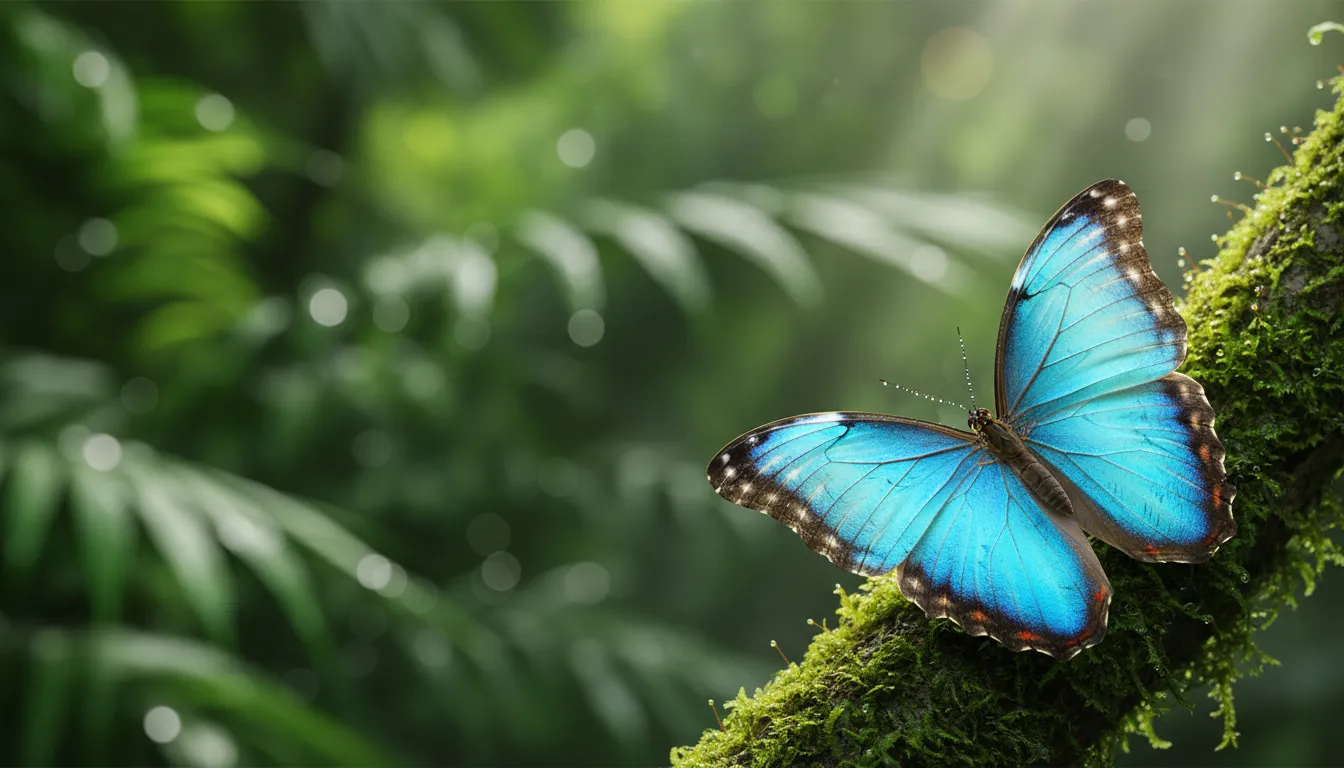
Your visit here typically begins with Dan, the owner and resident butterfly whisperer, who greets you like you’re the first person to ever discover this place (spoiler: you’re not, but his enthusiasm never wanes). His guided tours through the lush, netted enclosure showcase 15+ species, including the show-stopping Blue Morpho—whose electric blue wings seem to glow even in shade—and the aptly named Giant Owl Butterfly, complete with eyespots that could convince a predator it’s facing something far more intimidating. But what makes the Royal Butterfly Farm special isn’t just the species count; it’s the behind-the-scenes access. You’ll peer into caterpillar nurseries where tiny larvae munch methodically through leaves, observe chrysalis incubators in various stages of transformation, and learn about the 70+ species of fruit trees and native plants that Dan cultivates specifically to feed his winged residents. This is a working farm, not a static display—every flower, every leaf serves a purpose in the butterfly life cycle.
For families, this is educational gold. The guided format means less aimless wandering (and whining) and more genuine ‘wow’ moments as kids connect classroom concepts to living, breathing reality. Plus, the farm’s compact size keeps even short attention spans engaged without overwhelming them. It’s one of those Lesser Known Jaco Gems that proves Jaco’s best experiences often hide in plain sight, just off the beaten path. Pair it with other Jaco Rainforest Adventures for a full day of discovering what thrives just beyond our beaches.
Neo Fauna: Where Butterflies Meet Critters (and Maybe a Snake or Two)
About 5 kilometers north of Jaco’s town center, Neo Fauna takes the butterfly garden concept and expands it into something broader—a wildlife sanctuary where delicate lepidopterans share the spotlight with Costa Rica’s more formidable fauna. Think of it as nature’s variety show: butterflies for the first act, then snakes, frogs, and rescued wildlife for the encore. It’s perfect for visitors who like their nature experiences with a side of slithery intrigue and just enough educational gravitas to justify calling it ‘enriching’ rather than just ‘cool.’
Your guided tour here follows a logical narrative arc. You’ll start in the butterfly garden, walking through netted enclosures housing dozens of species while your guide explains each stage of metamorphosis with the kind of enthusiasm usually reserved for sports commentary. Then, just when you think you’ve seen the main event, the tour pivots to the serpentarium and wildlife exhibits, introducing you to rescued animals that call Neo Fauna home—impressively camouflaged pit vipers, tiny but vibrant poison dart frogs in electric blues and oranges, and other local fauna that most visitors only see in field guides. It’s an immersive crash course in Costa Rican biodiversity, all condensed into a manageable two-hour experience.
Adventure seekers and families with older kids will appreciate the broader scope here. Unlike purely butterfly-focused gardens, Neo Fauna acknowledges that nature isn’t one-dimensional—it’s a complex web where beauty and danger coexist, and understanding both deepens your appreciation for this ecosystem. For digital nomads grinding through another deadline week, consider this your perfect half-day mental reset. The shift from observing delicate butterflies to respecting powerful reptiles offers a welcome change of perspective, reminding you that there’s a whole vibrant world beyond your laptop screen. And logistically, it’s easy—a quick, affordable taxi ride from Jaco Beach Zen gets you here without hassle. Combine this with visits to the Jaco Wildlife Sanctuary or exploring nearby Hiking Trails in Jaco for a full nature immersion day.
Getting Your Flutter On: Practical Tips for Visiting Jaco’s Butterfly Havens
Let’s talk logistics, because even the most spontaneous adventures benefit from a little practical intel. Entrance fees for Jaco’s butterfly gardens typically run $10-15 USD per person, which almost always includes a guided tour—not just admission to wander aimlessly. Considering you’re getting expert narration, behind-the-scenes access, and supporting local conservation efforts, it’s genuinely one of the best value experiences in town. Think of it as an investment in both education and those inevitable ‘I learned something today’ bragging rights.
Timing matters. Butterflies are solar-powered creatures, most active when the sun is doing its thing, so aim for mid-morning to early afternoon visits (roughly 9 AM to 2 PM). Not only will you see more fluttering activity, but the natural light during these hours is ideal for photography—your shots will actually look like what you saw, not like you visited during a solar eclipse. Early mornings can be slightly cooler and less crowded, though butterfly activity might be slower until things warm up.
What to pack: Your camera or phone (obviously—these moments deserve documentation), comfortable walking shoes (you’ll be on your feet, though terrain is usually easy), and perhaps bug spray for the journey there, though it’s rarely needed inside the enclosed gardens. Most importantly, bring curiosity and patience. Butterflies operate on their own schedule, not yours, and the magic often happens when you stop rushing and just observe. A hat and light, breathable clothing help with the tropical heat, though gardens are usually shaded enough to stay comfortable.
Transportation from central Jaco is straightforward. Both the Royal Butterfly Farm and Neo Fauna are easily reachable via quick, affordable taxi or ride-share—expect to pay $5-10 USD each way. If you’re staying at Jaco Beach Zen, we can help arrange reliable transportation, because nothing kills a nature-loving vibe faster than getting lost or dealing with an unreliable driver. Our concierge service exists precisely for these moments—making your Jaco adventures seamless so you can focus on the butterflies, not the logistics.
Beyond the Enclosure: Spotting Wild Butterflies Around Jaco (If You’re Lucky)
While butterfly gardens guarantee close encounters, there’s something thrilling about spotting these creatures in their truly wild state—unmanaged, unpredictable, and utterly authentic. Keep your eyes alert on jungle trails, along riverbanks, or even in the green spaces around Jaco Beach Zen, because wild butterflies don’t follow tourist itineraries. That sudden flash of electric blue zipping past your head? Could be a wild Blue Morpho. That delicate orange-and-black pattern hovering near flowering bushes? Possibly a migrating Monarch or a local Heliconian.
The secret to wild butterfly spotting is understanding their needs. Look for host plants—the specific vegetation that caterpillars depend on. Passion vines attract Heliconians (those bright orange beauties with elongated wings), while citrus trees draw Swallowtails with their distinctive ‘tails’ and bold yellow patterns. Where their food grows, butterflies follow, though you’ll need patience and a bit of luck to catch them at the right moment. Early mornings after rain, when butterflies need to dry their wings and warm up, can be surprisingly productive for sightings.
The most common wild butterflies you might encounter around Jaco include various ‘skippers’—small, fast-flying species that dart erratically and live up to their name—plus Painted Ladies, Sulphurs in bright yellows, and if the rainforest gods smile upon you, that holy grail wild Blue Morpho gracefully gliding through the canopy. Around the grounds of Jaco Beach Zen, our tropical landscaping occasionally attracts visitors of the winged variety, adding to that ‘living in nature’ vibe we cultivate (pun intended). It’s one more reason our location offers the best of both worlds—close enough to town for convenience, far enough into nature to still feel wild. For serious butterfly enthusiasts wanting to expand their knowledge, explore our guide to Local Flora & Fauna of Jaco or discover ideal Nature Photography Spots where wildlife sightings are frequent.
FAQ
Are Jaco’s butterfly gardens kid-friendly, and what’s the best age for children to enjoy them?
Absolutely kid-friendly, and arguably one of the best family activities in Jaco. The contained, safe environment means parents can relax while kids explore without worry. Children as young as 3-4 can enjoy the visual spectacle and hands-on aspects (like watching caterpillars), while older kids (7+) will grasp the educational content about life cycles and ecosystems. The guided tours keep even fidgety children engaged by providing structure and answering their endless ‘why’ questions. Most visits last 1-2 hours—perfect for attention spans that haven’t quite mastered marathon museum visits.
How much does it typically cost to visit a butterfly garden in Jaco, and are guided tours included?
Expect to pay between $10-15 USD per person for admission, which typically includes a guided tour—not just gate access. This pricing is standard across both the Royal Butterfly Farm and Neo Fauna, though Neo Fauna’s slightly higher fee reflects its expanded wildlife exhibits beyond butterflies. The guided component is what makes these gardens worth visiting; you’re not just walking through netted enclosures, you’re getting expert narration, behind-the-scenes access to breeding areas, and answers to questions you didn’t know you had. It’s genuinely one of Jaco’s best value activities.
What types of butterflies can I expect to see, and is there a ‘best’ time of year to visit for maximum butterfly activity?
You’ll encounter 15-30+ species depending on which garden you visit, including the iconic Blue Morpho (electric blue wings), Giant Owl Butterfly (impressive eyespots), various Heliconians (bright oranges and yellows), and Glasswings (transparently beautiful). Costa Rica’s tropical climate means butterflies are active year-round, unlike temperate regions with strict seasons. That said, the transition between dry and rainy seasons (April-May and November) often sees increased activity as plants bloom abundantly. Mid-morning to early afternoon visits, regardless of month, offer the most active butterfly behavior since they’re solar-powered creatures.
Are the butterfly gardens in Jaco accessible for people with mobility concerns?
Both major gardens feature relatively flat, well-maintained paths that accommodate most mobility levels, though neither is extensively wheelchair-optimized with paved surfaces throughout. The Royal Butterfly Farm’s compact size and level terrain make it easier for visitors with limited mobility, while Neo Fauna’s larger grounds involve slightly more walking between exhibits. If mobility is a significant concern, call ahead to discuss specific needs—both operations are small, family-run businesses willing to accommodate where possible. The enclosed nature of the gardens means you’re never far from seating or shade.
Can I take photos inside the butterfly gardens, and are there any special rules for photography?
Photography is not only allowed but enthusiastically encouraged—these gardens exist partly to inspire appreciation for butterflies, and photos help spread that message. No flash photography is the main rule, as sudden bright lights can disorient or stress the butterflies. Tripods are generally fine but check with your guide first in smaller enclosures where space is limited. The natural lighting in these netted gardens is actually ideal for photography, especially mid-morning when sun filters through foliage. Patience is your best tool—butterflies don’t pose on command, but if you wait quietly near flowering plants, they’ll often land cooperatively.
Do Jaco’s butterfly gardens contribute to conservation, or are they purely for tourism?
These aren’t just tourist attractions with a nature theme—they’re active conservation and education projects. The Royal Butterfly Farm specifically breeds butterflies for release and education, maintaining host plant diversity that benefits wild populations. Neo Fauna operates as a wildlife rescue and rehabilitation facility where entrance fees directly support animal care and conservation programs. Both gardens educate visitors about habitat loss, the importance of native plants, and how individual actions impact butterfly populations. You’re not just seeing butterflies; you’re supporting the people and programs working to ensure future generations can too.
How far are the main butterfly gardens from central Jaco Beach, and what’s the easiest way to get there?
The Royal Butterfly Farm sits just outside Jaco’s main commercial area, roughly 2-3 kilometers from the beach—a 5-10 minute drive. Neo Fauna is about 5 kilometers north of town, roughly 10-15 minutes by car. Neither is realistically walkable in tropical heat, especially with kids. Taxis and ride-shares are the easiest option, costing $5-10 USD each way. If you’re staying at Jaco Beach Zen, our concierge can help arrange reliable transportation both ways, eliminating the stress of coordinating pickups or dealing with language barriers. It’s a simple solution that lets you focus on butterflies, not logistics.
Bahía Azul, unit 7C sits right on this stretch of sand — on the quiet south end of Jacó, a few hundred feet from the water.
Book on Airbnb