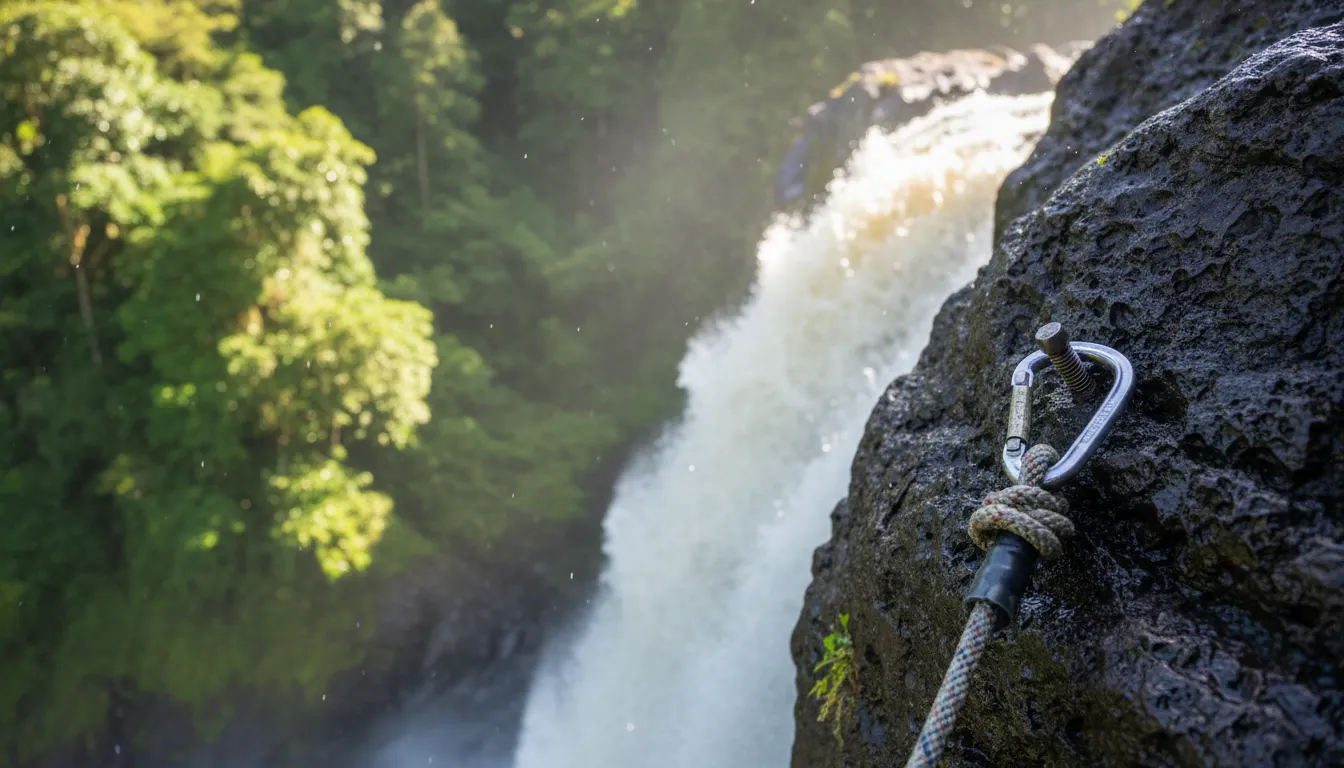
Picture this: you’re standing at the edge of a 200-foot cascade, tropical mist cooling your face, while a howler monkey provides what you can only assume is commentary on your life choices. Welcome to waterfall rappelling in Jaco, where the Pacific coast’s adventure scene meets the rainforest’s most dramatic natural features. Unlike the zipline tours that whisk you past the scenery or the surfing lessons that keep you horizontal, rappelling drops you vertically through some of Costa Rica’s most stunning geology—with nothing between you and the rock face except rope, harness, and pure adrenaline.
Why Jaco Is Perfect for Waterfall Rappelling
Jaco’s geographic sweet spot—wedged between the Pacific and the central highlands—creates ideal conditions for waterfall adventures. The area receives enough rainfall to keep cascades flowing year-round, while the volcanic rock formations provide stable anchor points and textured surfaces that make descent routes both safe and exhilarating. You’re typically looking at 20-45 minute drives from downtown Jaco to reach premier rappelling sites, which beats the hell out of some destinations where half your day disappears in transit.
The region’s elevation changes are dramatic enough to create impressive waterfalls without requiring expedition-level fitness. Most tours operate in the 1,000-2,500 foot elevation range, where temperatures stay comfortable even during midday descents. The tropical climate means you’ll get wet regardless of season—sometimes from the waterfall, sometimes from sudden rain showers, often from both. Pack accordingly, and embrace the moisture.
What really distinguishes Jaco’s waterfall rappelling scene is the variety. You’ve got beginner-friendly 30-foot cascades for first-timers, intermediate 80-100 foot descents for those ready to level up, and advanced multi-pitch rappels exceeding 200 feet for experienced adventure seekers. Most tour operators maintain multiple sites, adjusting routes based on group experience and current water flow conditions.
What to Expect on a Waterfall Rappelling Tour
Your typical Jaco waterfall rappelling tour starts with hotel pickup around 7:00 or 7:30 AM—early enough to beat the midday heat but civilized enough that you won’t hate your alarm clock. The drive to the rappelling site involves increasingly bumpy roads as you leave the coast, transitioning from pavement to gravel to “technically still a road” as you climb into the foothills. Your guides will use this time for safety briefings, equipment checks, and answering the same questions they’ve fielded a thousand times (yes, it’s safe; no, you won’t fall; yes, people sometimes cry, but usually from joy).
Once you reach the trailhead, expect a 15-30 minute hike to the first descent point. This isn’t a casual stroll—you’re navigating rainforest terrain with exposed roots, muddy sections, and occasional stream crossings. Wear proper footwear, not flip-flops, unless you enjoy the sensation of wet fabric between your toes for six hours. The guides will point out wildlife, explain local ecology, and subtly assess who’s going to need extra encouragement when the actual rappelling begins.
The rappelling itself follows a predictable pattern: harness check, rope attachment, basic instruction review, then you’re backing off the edge while your brain screams objections your body somehow ignores. Most tours include 3-5 separate descents of varying heights, building confidence as you progress. Between rappels, you’ll hike, swim in natural pools, and possibly question your vacation choices while simultaneously planning your next descent. The entire experience typically runs 4-6 hours, including transportation.
Best Waterfalls for Rappelling Near Jaco
The Bijagual Waterfall ranks among Jaco’s most popular rappelling destinations, featuring a 600-foot total descent broken into multiple pitches. The main drop measures approximately 200 feet—enough to make your Instagram followers nervous but manageable for fit beginners with competent guides. The waterfall maintains consistent flow year-round, and the surrounding private reserve offers excellent wildlife viewing between descents. Access requires a moderate hike, but the trail infrastructure is well-maintained.
For those seeking multiple descents in one tour, the Rainforest Adventures near Jaco offers a series of waterfalls ranging from 30 to 150 feet. This multi-cascade approach allows you to build skills progressively rather than jumping immediately to the big drops. The variety also means groups with mixed experience levels can participate together—beginners stick to shorter descents while advanced rappellers tackle the full routes.
The Herradura area, just north of Jaco near Los Sueños Marina, features several lesser-known waterfalls accessible through private tour operators. These sites see less traffic than the marquee destinations, offering a more intimate experience if you’re willing to pay slightly higher prices for exclusivity. The trade-off is worthwhile for those who prefer not to queue behind six other tourists at each rappel point.
Choosing Your Waterfall Rappelling Tour Operator
Tour operator selection matters significantly more for rappelling than for activities like snorkeling tours, where the main variable is boat quality. You’re literally trusting these people with your life, so superficial research won’t cut it. Look for companies that are members of CANATUR (Costa Rica’s National Chamber of Tourism) and maintain legitimate liability insurance—not just the “we promise we’re insured” variety.
Guide certification is non-negotiable. Reputable operators employ guides certified by ACCT (Association for Challenge Course Technology) or equivalent international standards. Ask about guide-to-guest ratios; anything above 1:6 should raise questions, especially for groups including first-time rappellers. The best operators cap groups at 8-10 participants maximum, ensuring individual attention during the technical portions.
Equipment age and maintenance protocols tell you plenty about operator professionalism. Quality outfitters use static rappelling rope replaced according to manufacturer guidelines (typically every 2-3 years depending on use), not whenever it “looks worn.” Harnesses should be name-brand (Petzl, Black Diamond, Mammut) and visibly well-maintained. If the equipment looks sketchy, trust your instincts and walk away—plenty of legitimate operators would happily take your business.
Pricing for waterfall rappelling tours typically ranges from $85-140 per person, with variations based on number of descents, transportation distance, and included amenities. Tours under $75 should trigger skepticism about corners being cut. The most expensive option isn’t automatically the best, but the cheapest option is frequently the cheapest for unfortunate reasons.
What to Bring and Wear
Footwear makes or breaks your rappelling experience—literally, if you choose poorly. You need closed-toe shoes with aggressive tread that can get soaking wet without falling apart. Old running shoes work; hiking boots work better; water shoes designed for actual activity (not beach walking) also function well. What doesn’t work: sandals, flip-flops, or those trendy minimal “barefoot” shoes that provide zero ankle support on uneven terrain.
Clothing strategy is simple: everything gets wet, so dress accordingly. Quick-dry synthetic materials beat cotton every time. Board shorts and a rash guard make an excellent combination, as do athletic leggings and a moisture-wicking shirt. Bring a complete dry change of clothes for after the tour, sealed in a waterproof bag. Your tour operator will likely provide dry bags for phones and cameras, but confirm this detail when booking.
Sunscreen and insect repellent are essential, though you’ll need to reapply after getting repeatedly soaked. Waterproof formulations help but aren’t miracle solutions—the constant water exposure eventually wins. A buff or lightweight hat provides sun protection during the hike portions, and some people appreciate wearing gloves during descents to prevent rope burn, though guides typically provide these if needed.
Safety Considerations and Fitness Requirements
Waterfall rappelling isn’t technically demanding in the way that rock climbing requires specific strength or technique, but it does demand moderate fitness and mental composure. You need enough upper body and core strength to maintain control during descent, plus the leg strength to handle the approach hike. Most operators list their requirements as “moderate fitness”—if you can walk a few miles and handle stairs without becoming winded, you’ll likely manage fine.
Height and weight restrictions vary by operator but generally run 80-250 pounds and minimum 10-12 years old. These aren’t arbitrary rules—they’re dictated by equipment specifications and practical safety considerations. Some tours accommodate younger children on shorter descents, while others maintain strict age minimums. If you’re outside the standard parameters, call operators directly rather than relying on website information.
Medical conditions that should disqualify you include uncontrolled heart conditions, recent surgeries, pregnancy, and severe acrophobia. “I’m a little nervous about heights” is normal; “I can’t stand on a second-floor balcony without panic attacks” suggests rappelling might not be your ideal activity. Tour operators will require you to sign liability waivers—read them carefully and answer health questions honestly. Failing to disclose relevant medical conditions helps nobody and could prove catastrophic.
Combining Rappelling with Your Jaco Itinerary
Waterfall rappelling slots naturally into multi-day Jaco itineraries as your “big adventure” day, complementing the area’s other activities without requiring massive schedule rearrangements. The morning departure means you’re back to Jaco Beach Zen by early afternoon—plenty of time for a pool session, beach walk, or extended horizontal recovery period while your adrenaline levels return to baseline.
Many visitors pair rappelling with other rainforest activities like the Carara National Park tour on separate days, creating variety while maintaining the nature-focused theme. The physical demands of rappelling mean you’ll want lighter activities the following day—perhaps stand-up paddleboarding or exploring Jaco’s restaurant scene rather than immediately booking another high-intensity adventure.
Seasonal timing affects the experience but doesn’t eliminate it. Dry season (December-April) offers more predictable weather and potentially lower water volumes, making descents slightly less intense but also less dramatic photographically. Wet season (May-November) brings fuller waterfalls and lush vegetation, with the trade-off being higher rainfall probability. Neither season is objectively better—it depends whether you prioritize comfort or maximum waterfall impressiveness.
Frequently Asked Questions
Do I need previous rappelling experience?
No previous experience is required for beginner and intermediate waterfall rappelling tours in Jaco. Quality operators provide comprehensive instruction covering all necessary techniques before your first descent. The guides control descent speed through belay systems, so you’re essentially walking backward down the waterfall while they manage the technical aspects. That said, some comfort with heights and willingness to trust the equipment makes the experience considerably more enjoyable than spending the entire descent paralyzed with terror.
What happens if I’m too scared once we get there?
Reputable tour operators won’t force anyone to rappel if they’re genuinely uncomfortable. You’ll still pay for the tour—it’s not refundable because of cold feet—but you can hike to the bottom and photograph your braver companions instead. Most guides are skilled at talking nervous participants through their anxiety, and many people who initially refuse end up completing the descent once they watch others succeed. However, if you have serious height phobias, book a different activity rather than hoping you’ll magically overcome them at the waterfall’s edge.
Is waterfall rappelling safe for kids?
Children as young as 10-12 can participate on age-appropriate tours, depending on individual maturity, size, and comfort level. The activity’s safety depends more on following instructions than on strength or experience, which can actually favor kids over adults—they listen better and don’t overthink the physics. However, parents know their children’s temperament better than tour operators do. A confident, adventurous 10-year-old might thrive, while a hesitant 14-year-old might hate every minute. Consider your specific child, not just age requirements.
What’s the difference between rappelling and canyoning?
Rappelling focuses specifically on descending via rope, typically down waterfalls or rock faces. Canyoning (also called canyoneering) incorporates rappelling as one element within a broader experience that might include hiking, swimming, cliff jumping, and navigating river gorges. Some Jaco tour operators use the terms interchangeably, so clarify exactly what activities the tour includes when booking. If you specifically want waterfall rappelling, confirm the itinerary rather than assuming “canyoning” means what you expect.
Can I bring my camera or phone on the rappel?
Most operators prohibit personal electronics during actual descents for safety reasons—you need both hands free for the rope. However, guides typically carry GoPros or similar cameras to capture footage and photos available for purchase afterward. If photography is priority, ask about this service when booking and confirm the cost. Some tours include basic digital photos, while others charge $30-50 for photo packages. You can definitely bring phones and cameras for the hiking portions and swimming sections between rappels.
Bahía Azul, unit 7C sits right on this stretch of sand — on the quiet south end of Jacó, a few hundred feet from the water.
Book on Airbnb