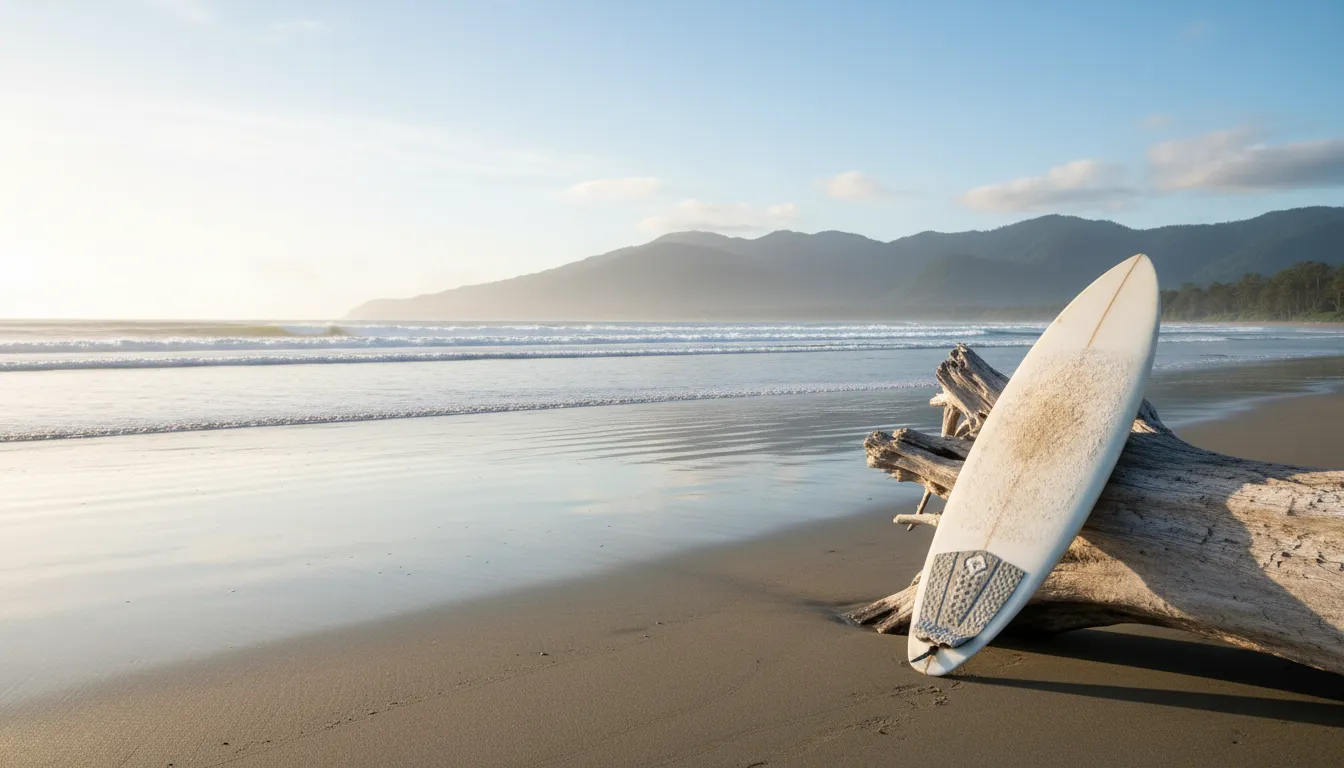
Ride the Wave: Jaco Beach’s Gnarly Guide to Adventure Sports & Surfing
Jaco isn’t your typical sleepy beach town—it’s where the Pacific crashes into the rainforest and adventure becomes a lifestyle. Picture this: you’re catching your first wave before breakfast, ziplining through jungle canopy by lunch, and watching the sunset with sand between your toes by evening. This is the Jaco rhythm, and it’s addictive. Whether you’re here to finally tick “learn to surf” off your bucket list or chase bigger thrills in the surrounding mountains, Jaco’s got the goods. The best part? You won’t find those sanitized, cookie-cutter resort experiences here. This is Costa Rica at its most authentic—Pura Vida with a healthy dose of adrenaline. Let’s break down why this unassuming Pacific town punches way above its weight class when it comes to adventure sports.
Jaco’s Call: Why This Beach Town is Your Adventure Hub
Here’s the thing about Jaco: it’s not trying to be fancy. No mega-resorts blocking the beach, no velvet ropes at the shoreline. What you get instead is a legitimate surf town that happens to sit at the crossroads of some seriously epic adventure territory. The Pacific delivers consistent waves year-round—not “sometimes if you’re lucky” waves, but actual rideable surf that shows up like clockwork. Meanwhile, the rainforest literally creeps up to the edge of town, making Jaco the rare place where you can transition from ocean to jungle in under fifteen minutes.
The geography is the real MVP here. You’re only an hour from San Jose’s international airport, which means less travel fatigue and more time actually doing things. But despite that accessibility, Jaco hasn’t lost its soul to mass tourism. Sure, you’ll find tourists (it’s a beach town, after all), but you’ll also find local surfers who’ve been riding these breaks for decades, family-run surf shops that remember your name, and that laid-back vibe that makes you want to extend your stay. The town itself is compact enough to walk everywhere, yet packed with enough variety—from adventure outfitters to decent coffee—to keep things interesting. It’s the Goldilocks zone of Costa Rican beach towns: not too crowded, not too isolated, just right.
Mastering the Main Break: Your Jaco Surfing Playbook
Let’s talk about why Jaco Beach earned its reputation as Costa Rica’s surfing capital. The main beach break, stretching right along the town’s shore, serves up consistent, forgiving waves that welcome beginners while still offering enough punch to keep intermediates engaged. We’re talking sandy bottom (not reef or rock), which means your wipeouts—and there will be wipeouts—hurt your pride more than your body. The waves here break in multiple peaks along the beach, spreading out the crowd and giving you room to breathe.
The beauty of Jaco’s main break is its democratic nature. Dawn patrol surfers share the lineup with first-timers by mid-morning, and somehow it all works. The waves typically range from waist to head-high, with the occasional overhead set rolling through on good days. They’re the kind of waves that build gradually, giving you time to position yourself and pop up without feeling rushed. Perfect for mastering the basics or rebuilding confidence after a long break from surfing.
Gear anxiety? Leave it at home. Jaco’s beachfront is practically wallpapered with surf shops offering rentals for every board type imaginable. Soft-top foam boards for absolute beginners run about $10-15 for a few hours, while fiberglass shortboards and longboards cost slightly more. Most shops are run by locals who surf these breaks daily and won’t steer you wrong on equipment. Pro tip: rent your board the night before if you’re planning dawn patrol—many shops let you grab your board early if you’ve already paid.
Beyond the Basics: Jaco’s Best Surfing Spots for Every Skill Level
Once you’ve conquered Jaco’s main break, it’s time to explore the neighborhood. Just don’t expect us to reveal all the secret spots—some things you’ve got to earn. That said, there are a few not-so-secret gems worth mentioning. Boca Barranca, about forty minutes north, offers one of the world’s longest left-hand point breaks. When conditions align, you can ride a single wave for several minutes. It’s an intermediate-to-advanced spot, but watching the local rippers work that wave is worth the drive even if you’re not ready to paddle out.
For intermediate surfers craving more challenge than Jaco’s main break provides, head ten minutes south to Playa Hermosa. Fair warning: “Hermosa” might mean “beautiful” in Spanish, but these waves don’t play nice. The beach break here is faster, hollower, and more powerful—this is where Costa Rica hosts international surf competitions. It’s not for your first week of surfing, but once you’ve got solid fundamentals, Hermosa will push your skills to the next level.
Closer to home, explore the peaks further down Jaco Beach, especially near the southern end. These tend to be less crowded and sometimes offer cleaner conditions depending on swell direction. The real insider move? Chat up the staff at local surf shops or your surf instructor. They’ll tell you where the day’s best waves are breaking and which spots to avoid based on current conditions. Tide, swell direction, and wind all matter here, and local knowledge beats guesswork every time.
First Wave or Next Level? Finding Your Perfect Jaco Surf Lesson
Here’s an uncomfortable truth: you can watch a hundred YouTube videos about surfing and still eat it on your first wave. Or you can invest in a proper lesson and actually stand up during your first session. Jaco’s surf instructors aren’t just teaching you to pop up—they’re reading the ocean, positioning you in the right spot, and pushing you into waves at exactly the right moment. That expertise is the difference between frustration and that first addictive taste of wave-riding.
The town is loaded with certified surf schools, from established operations with multiple instructors to passionate solo teachers running boutique experiences. Group lessons typically run $40-60 per person for a 2-3 hour session, including board rental. Private lessons cost more ($70-100) but offer personalized attention that can accelerate your learning curve dramatically. For families, many schools offer package deals—book multiple days and the per-session cost drops. Plus, learning together creates those shared-struggle bonding moments that somehow become your favorite vacation memories.
Surf camps deserve special mention here. These multi-day packages bundle lessons, board rentals, and sometimes accommodation into one price. They range from budget-friendly backpacker operations to more upscale experiences. If you’re staying at a place like Jaco Beach Zen, you might prefer booking just the lessons and gear through a surf camp while keeping your more comfortable accommodation—best of both worlds. Whatever you choose, verify the instructor’s credentials (ISA certification is the gold standard) and read recent reviews. The difference between a great surf lesson and a mediocre one is massive.
Timing is Everything: Decoding Jaco’s Tides, Swells, and Seasons
Forget everything you think you know about seasons mattering for surfing. Jaco’s water temperature hovers around a pleasant 80°F year-round, so you’re never choosing between comfort and waves. What actually matters is understanding tides and swells, which sound complicated but become intuitive fast. For Jaco Beach specifically, mid-tide—that sweet spot between high and low—typically offers the best conditions. Too high and waves break too close to shore with less power; too low and you’re dodging sandbars in shallow water.
Tide charts are your best friend, and they’re ridiculously easy to find. Most surf shops post daily tide times, or just search “Jaco tide chart” on your phone before heading out. Many surfers swear by the incoming tide (rising toward high) for the cleanest conditions, but honestly, good waves can happen at any tide if the swell cooperates. Speaking of swells, Jaco picks up different energy depending on season. The green season (May through November) typically delivers bigger, more consistent swells from south and southwest, though afternoon rain showers are common.
The dry season (December through April) brings slightly smaller but cleaner waves, with offshore winds in the morning creating those picture-perfect conditions you see in surf magazines. Both seasons have devoted followers. Green season surfers love the uncrowded lineups and powerful waves; dry season devotees prefer the predictable weather and glassy morning sessions. The real answer? There’s no bad time to surf Jaco. Check the swell forecast (Surfline and Magicseaweed both cover Jaco), glance at the tide chart, and just get out there. You’ll figure out your preferences quickly enough.
Beyond the Board: Jaco’s Land and Air Adventures
Surfing might be Jaco’s calling card, but the adventure menu runs deep. Once you’ve rinsed the salt water from your hair and caught your breath, the rainforest is literally waiting at the edge of town with its own catalog of thrills. Zip-lining ranks high on most visitors’ lists—soaring through the jungle canopy at ridiculous speeds while howler monkeys provide the soundtrack. Multiple operators run tours from Jaco, ranging from straightforward canopy tours to extreme courses featuring Superman-style cables and Tarzan swings.
ATV tours offer a muddier, more hands-on jungle experience. These aren’t gentle nature rides—you’re ripping through river crossings, climbing steep trails, and returning covered in enough mud to make your mother cry. Most tours include stops at waterfalls where you can cool off before the return trip. For the truly adventurous, canyoning (also called waterfall rappelling) lets you descend jungle waterfalls using ropes and harnesses. It’s equal parts terrifying and exhilarating, and you’ll have stories that make your friends jealous.
Want to see Jaco from an entirely different perspective? Paragliding off nearby mountains delivers unmatched coastal views while providing that unique floating sensation. Despite the adrenaline spike during takeoff, it’s surprisingly peaceful once you’re airborne. And for something completely different, horseback riding along the beach or through jungle trails offers adventure at a gentler pace. Whether you’re cantering through the surf at sunset or exploring hidden trails to secluded waterfalls, it’s pure Pura Vida. The point is this: Jaco gives you permission to be as adventurous as you want, then rewards that ambition with experiences you’ll replay in your mind for years.
Frequently Asked Questions
Is Jaco Beach good for beginner surfers, or is it only for pros?
Jaco Beach is genuinely beginner-friendly, which is why so many surf schools operate here. The main break features sandy bottom (no painful reef encounters), consistent waist-to-chest-high waves, and multiple peaks that spread out crowds. Intermediate and advanced surfers also enjoy Jaco, but they often explore nearby breaks like Playa Hermosa for bigger challenges. The forgiving nature of Jaco’s waves, combined with warm water year-round, creates ideal learning conditions. You’ll see everyone from first-timers to seasoned locals sharing the lineup.
What’s the best time of year to visit Jaco for consistent waves?
Jaco delivers rideable waves year-round, so there’s no “wrong” time to visit. The green season (May-November) typically brings bigger, more powerful swells from the south and southwest, though afternoon rain showers are common. The dry season (December-April) offers slightly smaller but cleaner waves with morning offshore winds creating pristine conditions. Water temperature stays around 80°F regardless of season. For consistent, powerful waves and fewer crowds, consider green season. For predictable weather and glassy morning sessions, choose dry season.
Are there safe places to rent surfboards, or should I bring my own?
Jaco’s beachfront is lined with reputable surf shops offering quality rentals at reasonable prices ($10-20 per session depending on board type). Bringing your own board means dealing with airline fees (often $100+ each way) and potential damage during transport. Unless you’re extremely attached to your specific board or planning an extended stay, renting makes more financial and logistical sense. Local shops maintain their equipment well and can recommend the right board for current conditions. Plus, shop staff often provide valuable advice about where to surf that day.
Can I find surf lessons for my kids in Jaco, and what do they cost?
Absolutely—Jaco has numerous surf schools offering kid-friendly lessons with patient, certified instructors. Group lessons for children typically run $40-60 per session (2-3 hours), including board rental and rash guard. Private lessons cost more ($70-100) but provide focused attention beneficial for younger or more nervous kids. Many instructors have experience teaching children as young as five or six. Look for ISA-certified instructors and schools with strong safety records. Family package deals often reduce per-person costs when booking multiple lessons together.
Besides surfing, what other adventure activities can I do in Jaco?
Jaco’s adventure menu extends far beyond surfing. Zip-lining through rainforest canopy ranks among the most popular activities, with several operators offering tours of varying intensity levels. ATV tours let you explore jungle trails, river crossings, and waterfalls while getting thoroughly muddy. Canyoning (waterfall rappelling) provides an adrenaline-pumping way to descend jungle waterfalls. Paragliding off nearby mountains delivers spectacular coastal views. Horseback riding along the beach or through jungle trails offers gentler adventure. Sport fishing, scuba diving, and stand-up paddleboarding round out the water-based options.
How do I know when the best tides are for surfing Jaco Beach?
Mid-tide typically produces the best surfing conditions at Jaco Beach—that’s the period halfway between high and low tide. Most local surf shops post daily tide charts, or you can easily find them online by searching “Jaco tide chart.” Many surfers prefer the incoming (rising) tide for cleaner wave faces, though good surf can happen at any tide when swell conditions align. Download a tide app or bookmark a tide website before your trip. Check the chart each morning and plan your surf sessions accordingly for optimal conditions.
Are there any surf camps in Jaco that cater to solo travelers or digital nomads?
Jaco hosts several surf camps welcoming solo travelers and digital nomads, offering everything from budget dorm accommodations to more upscale private rooms. These camps typically bundle surf lessons, board rentals, and lodging into package deals. Some specifically cater to the digital nomad crowd with reliable WiFi, coworking spaces, and flexible scheduling around work commitments. Alternatively, many travelers book just the lessons and gear through a surf camp while staying somewhere more comfortable like Jaco Beach Zen, enjoying professional instruction without sacrificing accommodation quality or privacy.
What are the safety considerations for surfing in Jaco, especially for families?
Jaco Beach is relatively safe for families, but standard ocean safety rules apply. Always surf with others, never alone. Respect rip currents—if caught in one, swim parallel to shore rather than fighting directly back. Beginners and children should take lessons from certified instructors who understand local conditions and can provide proper supervision. Apply reef-safe sunscreen generously (Costa Rica’s sun is intense). Stay hydrated and take breaks to avoid exhaustion. Check daily conditions with local surf shops before paddling out. For young children, consider booking private lessons for closer instructor supervision and personalized safety instructions.
Bahía Azul, unit 7C sits right on this stretch of sand — on the quiet south end of Jacó, a few hundred feet from the water.
Book on Airbnb