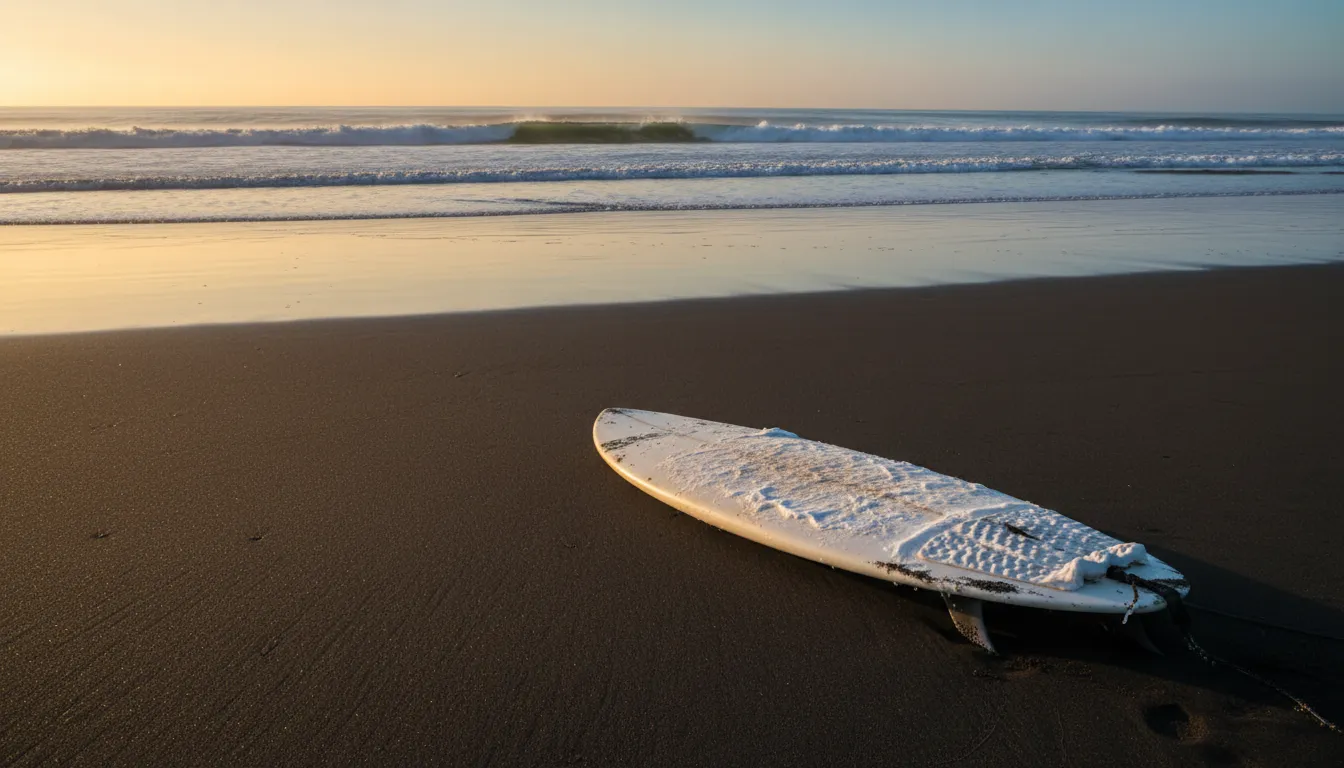
Jaco isn’t just another beach town—it’s Costa Rica’s adrenaline headquarters, where consistent Pacific swells meet volcanic sand and the surf culture runs deeper than a low-tide reef break. Whether you’re paddling out for your first wobbly ride or hunting barrels that’ll make your Instagram followers jealous, this stretch of coastline delivers year-round waves that range from forgiving to “hold my board and watch this.”
The magic here isn’t just the waves themselves—it’s the sheer variety packed into a 10-kilometer radius. Beginner-friendly beach breaks sit minutes from hollow reef points that challenge even sponsored riders. That proximity means you can progress from whitewater warrior to green-wave shredder without changing zip codes, and the warm water (no wetsuit needed) keeps sessions long and stoke levels higher.
Best Surf Spots in Jaco Costa Rica: Your Wave-by-Wave Breakdown
Jaco Beach proper serves as ground zero for beginners and the perfect warm-up spot for experienced surfers checking conditions. The consistent beach break runs the entire 2.5-kilometer stretch, with sandbars shifting seasonally to create peaks that handle crowds better than most Costa Rican surf towns. Early mornings before the onshore wind kicks in (typically by 10 AM) offer the cleanest conditions, though even blown-out afternoon sessions provide rideable fun waves.
Head south five minutes and you’ll hit Playa Hermosa—a completely different animal despite the proximity. This black-sand beach hosts powerful, hollow waves that have earned it spots on the World Surf League’s qualifying series calendar. The beach break here barrels hard and fast, with steep takeoffs that separate intermediates from advanced riders within one set. Rip currents run strong, especially on bigger swells, making this strictly intermediate-plus territory.
Roca Loca, the northernmost point break, delivers Jaco’s most consistent right-hander when south swells wrap around the rocky headland. The wave peels across a mix of rock and sand bottom, offering long rides that can connect multiple sections on solid swells. It’s less crowded than the main beach spots but demands respect—shallow inside sections and exposed rocks make this an intermediate-minimum zone where timing and local knowledge matter.
Jaco Surf Lessons for Beginners: Getting Upright Faster
The learning curve at Jaco Beach is forgiving by design—soft, rolling whitewater that pushes beginners toward shore rather than tumbling them like laundry. Most reputable surf schools position students in the mellow sections near the Jaco Walk beachfront, where sandbars create waist-deep channels perfect for finding your feet without the fear factor.
Quality instruction makes the difference between flailing frustration and actual wave-riding within your first session. Look for schools offering small group sizes (4:1 student-instructor ratio maximum), because personalized feedback accelerates progress exponentially. The best operators provide video analysis showing exactly why you’re pearling on takeoff or standing too far forward—visual proof beats verbal coaching every time.
Equipment matters more than beginners realize. Soft-top longboards (8-9 feet) with generous volume float beginners into waves earlier and stay stable through wobbles that would sink a shortboard. Reputable schools replace dinged boards regularly and size students appropriately—your instructor should ask your weight and swimming ability before assigning equipment, not just hand you whatever’s available.
Timing your lessons strategically compresses the learning timeline. Low to mid-tide presents the safest conditions with fewer exposed rocks and more forgiving sandbars. Morning sessions (6-9 AM) deliver glassier conditions before thermal winds roughen the surface, plus you’ll avoid the midday sun that turns sun-blocking zinc into a sweaty mess. Most beginners see dramatic improvement by their third session when muscle memory starts overriding overthinking.
Advanced Surfing Breaks Jaco: Where Good Surfers Get Humbled
Playa Hermosa’s reputation as Costa Rica’s heaviest beach break isn’t marketing hype—it’s a legitimate testing ground where advanced surfers either step up or get worked. The wave hits shallow withforce, creating barrels that open fast and close faster. Reading the sets becomes critical because cleanup waves roll through in powerful sets of 3-5, and getting caught inside means a proper beating against black sand that feels less forgiving than it looks.
The break’s consistency is both blessing and challenge. South swells funnel directly into the beach year-round, meaning rideable waves show up 300+ days annually. But that same exposure creates powerful currents that require strategic positioning and strong paddling fitness. Locals recommend starting sessions at the northern end where currents sweep you south, giving you natural drift back toward your entry point rather than fighting upstream.
Roca Loca’s right-hand point offers a different advanced challenge—wave reading over raw power. The takeoff zone shifts dramatically with swell direction and tide, requiring local knowledge to position correctly. Too far inside and you’ll miss the peak; too deep and you’re scratching over the shoulder while better-positioned surfers drop in ahead. The reward for nailing positioning is a long, workable face that allows multiple turns and occasionally connects through to the inside bowl section.
Jaco Surfboard Rental Prices: Getting Equipped Without Getting Fleeced
Daily surfboard rentals in Jaco run $15-25 depending on board type and rental duration. Soft-tops and longboards typically hit the lower end ($15-18/day), while performance shortboards and fish designs command $20-25 daily. Multi-day rentals drop the per-day cost significantly—week-long rentals often run $80-100 total, making them smart for vacation-length stays.
Board quality varies wildly between rental shops, so physical inspection matters. Check for delamination (board skin separating from foam core), waterlogged weight (damaged boards feel heavy), and functional fins that lock securely. The cheapest rental usually means the most beat-up equipment—paying $3-5 extra daily for better-maintained boards saves frustration and improves performance noticeably.
Deposit requirements range from passport holds (avoid these) to credit card authorization ($200-300 typical). Reputable shops use damage waivers that cap your liability at reasonable amounts ($50-100) rather than full board replacement costs. Read the fine print on ding responsibility—normal wear differs from impact damage, and fair shops distinguish between the two.
When to Surf Jaco: Tide Charts, Swells, and Secret Timing
Jaco’s beach break works across most tide stages, but low to mid-incoming delivers the most forgiving conditions for beginners and intermediates. High tide pushes waves closer to shore, sometimes creating shore-break closeouts that slam rather than peel. Dead low tide exposes rocks in certain sections and creates fast, hollow inside sections better left to experienced riders who can handle shallow water consequences.
Swell direction matters more than size for quality sessions. South swells (March-October) hit most directly, creating the most powerful, hollow waves especially at Hermosa. West-northwest swells (November-February) arrive with less punch but often better shape at the main Jaco Beach break. Mixed swells create unpredictable peaks and cross-chop that frustrates progression—check forecasts for clean, single-direction energy rather than just wave height.
Wind patterns follow predictable daily cycles that smart surfers exploit. Mornings start calm or with light offshore flow that grooms wave faces into clean peaks. By 10-11 AM, thermal onshore winds kick in from the ocean, creating choppy surfaces that make takeoffs harder and rides shorter. The wind gap between 5-6 AM and 10 AM represents prime surf time—serious locals and visiting rippers prioritize these golden hours.
Adventure Surf Tours Jaco Costa Rica: Beyond the Obvious Breaks
Guided surf tours unlock breaks that rental cars and Google Maps won’t reveal. Local surf guides know which river mouth is firing on specific swell directions, which secret point only works at particular tide stages, and which uncrowded spots suit your ability level. The knowledge premium justifies tour costs ($75-150/person) when it means scoring uncrowded waves instead of battling crowds at obvious spots.
Multi-break tours provide variety that accelerates skill development. Checking three different spots in one morning exposes you to different wave types—a mellow point for warming up, a faster beach break for practicing speed, a reef break for learning wave reading. That diversity compresses months of learning into intensive sessions that build versatile surfing rather than one-trick muscle memory.
Boat-access breaks represent the ultimate surf tour experience. Spots like Playa Piro and Isla Damas require watercraft to reach, meaning lighter crowds and often better-shaped waves than beach-access spots that attract every surfer with a rental car. These tours cost more ($150-250/person) but deliver experiences that justify the premium for intermediate-plus surfers seeking adventure beyond crowded lineups.
Family-Friendly Surfing Jaco Beach: Everyone Gets Waves
Jaco’s central beach break accommodates multi-generational surf sessions better than most Costa Rican surf towns. The gentle slope creates waves that break far from shore, giving nervous parents time to position themselves near kids catching whitewater. Lifeguards patrol the busiest sections during high season (November-April), adding safety layers that matter when young ones are learning.
Family surf packages bundle instruction for different ability levels, letting parents and kids progress simultaneously without boring either group. While junior surfers practice standing up in knee-deep whitewater, intermediate parents can work on turns in waist-deep zones just 20 meters away. Quality family-focused schools provide instructors who understand kid psychology—making it fun beats technical coaching for maintaining enthusiasm in 8-year-olds.
The infrastructure surrounding Jaco Beach supports family surf trips practically. Beachfront accommodations put you steps from the sand, eliminating the logistical nightmare of transporting boards, kids, and beach gear. Nearby restaurants and shops mean quick lunch runs don’t require driving, and the generally safe town environment allows older kids some independence while staying within reasonable supervision range.
Surf Camps Jaco Costa Rica: Immersion That Actually Works
Multi-day surf camps compress skill development through repetition and focused instruction that drop-in lessons can’t match. Typical week-long programs include 2-3 daily sessions timed for optimal conditions, video analysis showing exactly what you’re doing wrong, and progression tracking that builds systematically rather than randomly. The immersion format means muscle memory develops faster when you’re surfing twice daily instead of once every few days.
Quality camps balance water time with complementary training that improves surfing indirectly. Yoga sessions increase flexibility for duck-diving and pop-ups, ocean safety workshops teach rip current escape techniques, and surf theory classes explain how to read lineups and forecast charts. These elements combine into comprehensive surf education that creates competent, safe surfers rather than just people who can sometimes stand on boards.
Accommodation quality separates budget camps from premium experiences. Camps offering private rooms, quality meals, and comfortable common areas let you recover properly between sessions—crucial for maintaining energy across multiple daily surf sessions. Shared-room bunk-house setups save money but often compromise sleep quality and social dynamics, especially for adult learners seeking focused improvement rather than party atmospheres.
Pro Surf Competitions Jaco Costa Rica: When the Big Dogs Show Up
Playa Hermosa hosts international surf competitions that bring professional-level surfing to Jaco’s doorstep. The Playa Hermosa Surf Open typically runs May-June, featuring World Surf League qualifying series competitors throwing massive aerials and threading barrels that would terrify most recreational surfers. Watching professionals surf waves you’ve attempted yourself provides humbling perspective and technique insights that YouTube videos can’t match.
Competition schedules cluster during south swell season (May-October) when Hermosa delivers its most powerful, hollow waves. Event organizers monitor forecasts closely, sometimes adjusting competition days to align with the best swell pulses. Following local surf shop social media and WSL announcement channels keeps you informed about confirmed dates and location changes.
Spectating strategy matters for the best viewing experience. The northern end of Playa Hermosa offers the closest vantage point to the main competition zone, where you can actually see surfers’ faces and hear the spray. Bring shade (umbrella or pop-up tent), because the black sand heats up brutally and beach trees are sparse. Arriving early secures prime spots—serious surf fans stake claims by 6 AM for afternoon heats.
Frequently Asked Questions
What’s the best time of year to surf Jaco for beginners?
May through November delivers the most consistent small-to-medium south swells perfect for learning. These months provide regular waist-to-chest-high waves at the main Jaco Beach break without the intimidating size that winter northwest swells sometimes bring. Water stays warm year-round (80-84°F), but these months also bring afternoon rain showers that clear quickly and often improve surf conditions by calming winds temporarily.
Do I need surf insurance in Costa Rica?
Standard travel insurance rarely covers surfing-related injuries specifically. Dedicated surf travel insurance ($50-100 for week-long trips) covers medical evacuation, board damage, and trip cancellation due to injury. Costa Rican private hospitals provide excellent care but require upfront payment or insurance verification. Medical facilities in Jaco can handle minor surf injuries, but serious cases require transfer to San Jose—where evacuation coverage becomes financially critical.
Can I learn to surf in Jaco without prior ocean experience?
Absolutely—Jaco’s forgiving beach break and professional instruction infrastructure make it ideal for ocean newcomers. Quality surf schools include ocean safety orientation covering rip current identification, wave reading basics, and proper etiquette before putting students in the water. The gradual slope and sandy bottom provide a forgiving environment where mistakes don’t result in serious consequences. Most schools require basic swimming ability (50 meters unassisted minimum) but don’t expect prior wave experience.
How long does it take to stand up on a surfboard in Jaco?
Most beginners catch and ride whitewater waves within their first 2-hour lesson, though “standing up” ranges from wobbly three-second rides to controlled wave-riding. Progressing to catching unbroken green waves typically requires 5-8 sessions of focused practice with proper instruction. Athletic background and comfort in ocean environments accelerate learning, but determination and quality coaching matter more than natural talent. Multi-day intensive programs produce faster results than spread-out weekly lessons because muscle memory develops through repetition.
What should I do if I get caught in a rip current while surfing Jaco?
Stay calm and don’t fight the current by paddling directly toward shore—you’ll exhaust yourself quickly. Instead, paddle parallel to the beach until you escape the current channel (usually 20-30 meters), then angle toward shore. If you can’t escape, wave your arm and yell for help while floating on your board to conserve energy. Most rip currents at Jaco run 50-100 meters offshore before dissipating, so even if you can’t escape, you won’t get pulled to Tahiti. Local surf conditions and safety vary daily, so asking lifeguards or instructors about current patterns before sessions provides valuable safety intel.
Bahía Azul, unit 7C sits right on this stretch of sand — on the quiet south end of Jacó, a few hundred feet from the water.
Book on Airbnb