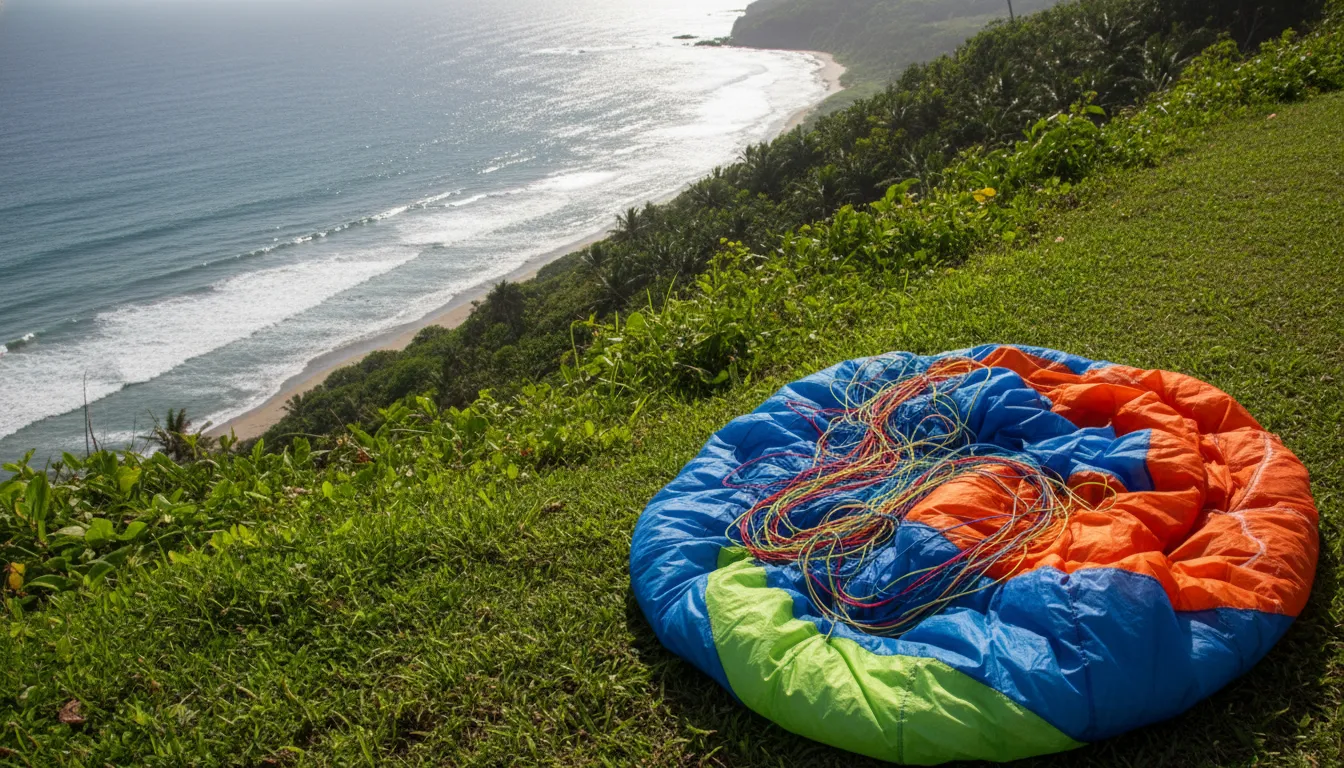
Soaring High: Your Local’s Guide to Paragliding in Jaco Beach
Ever caught yourself squinting at a bird soaring effortlessly above Jaco Beach and thought, “Yeah, I could do that”? Well, friend, you absolutely can—and honestly, you should. Paragliding in Jaco isn’t just another box to tick on your Costa Rica adventure checklist; it’s a legitimate perspective shift that turns our already stunning coastline into something that’ll make your camera roll weep with joy. From up there, the Pacific unfurls like a painter’s masterpiece, our little beach town transforms into a charming miniature, and those rainforest-covered hills reveal secrets you’d never spot from ground level. Whether you’re a first-timer wondering if your stomach can handle it or an experienced glider chasing those perfect Pacific thermals, Jaco’s skies offer something genuinely special. Let’s break down everything you need to know about taking flight here—from who to trust with your life (literally) to when Mother Nature’s most cooperative.
Why Jaco’s Skies Are Calling: More Than Just a Pretty View
Look, we could throw around phrases like “breathtaking vistas” all day, but here’s the truth: paragliding over Jaco reveals a perspective that your standard beachfront selfie simply cannot capture. Picture this—the entire coastline curving gracefully from Herradura all the way down past Playa Hermosa, the town itself a neat little grid of civilization nestled between verdant mountains and that endless blue Pacific. Even Jaco Beach Zen, tucked perfectly between downtown buzz and wave-whispered serenity, looks like a postcard from above—proof that our “close enough to wander, far enough to hear the waves” positioning isn’t just marketing talk.
What makes Jaco particularly excellent for paragliding isn’t just the view, though that’s certainly pulling its weight. It’s the unique geographic cocktail we’ve got going on here. The warm Pacific generates reliable thermal updrafts throughout the day, while our coastal cliffs provide ridge lifts that experienced pilots know how to ride like a maestro conducting an orchestra. Translation? Smoother flights, longer hang time, and more opportunities to actually enjoy the experience instead of white-knuckling through turbulence. These aren’t flukey conditions that show up when they feel like it—they’re consistent enough that operators can actually schedule flights with confidence.
This combination of reliable thermals and spectacular scenery makes Jaco a sweet spot for both nervous first-timers and seasoned paragliding enthusiasts. The thermals cooperate, the views deliver, and you get bragging rights that go way beyond “yeah, I sat on a beach.” It’s the kind of experience that turns vacation photos into genuine conversation starters.
Gear Up & Glide: What to Expect from Your First Jaco Paragliding Experience
If you’ve never paraglided before, let’s clear something up right away: you’re not flying solo on your first go. Tandem flights are the standard here, which means you’ll be securely harnessed to a certified pilot who handles all the technical stuff while you focus on not dropping your jaw too far. Think of it as the ultimate trust exercise, except instead of falling backward into someone’s arms, you’re both floating hundreds of feet above the Pacific. Much cooler, objectively speaking.
Before you even leave the ground, expect a safety briefing that’s thorough without being terrifying. Good operators walk you through everything—how the harness works, what to do during takeoff and landing, and what to expect once you’re airborne. The vibe is reassuring rather than alarming, more “we’ve got you completely covered” than “here are seventeen ways this could go wrong.” These pilots take safety as seriously as a mama sloth protects her baby, which is to say: extremely.
Here’s something nobody tells you in the glossy brochures: weight limits and weather conditions aren’t suggestions. Operators will have minimum and maximum weight requirements for safety reasons, and if the wind isn’t cooperating that day, they’ll reschedule without hesitation. This isn’t them being difficult; it’s them prioritizing a smooth, safe flight over making a quick buck. A calm, controlled flight beats a turbulent white-knuckle experience every single time, and reputable operators know this. If they say conditions aren’t ideal, trust them—they want you up there enjoying yourself, not gripping the harness in terror.
Picking Your Sky Chariot: Finding Reputable Operators in Jaco
Let’s have a frank conversation about choosing who gets to pilot you hundreds of feet above the ground: this is not the time to hunt for bargain-basement deals. Jaco has several established paragliding operators, but not all are created equal, and the difference between “licensed professional” and “guy with a wing and confidence” can be, well, significant.
Start by confirming licensing and insurance. Legitimate operators will have proper certification, liability insurance, and a verifiable safety record. Don’t feel awkward asking for proof—any reputable company expects this and will provide documentation gladly. Check online reviews, but read between the lines. You’re looking for consistent mentions of safety protocols, professional conduct, and actual flight experience, not just “it was fun!” testimonials.
Local knowledge matters more than you might think. Pilots who’ve been flying Jaco’s skies for years understand the subtle wind pattern shifts, know which launch spots work best at different times of day, and can read weather conditions with the precision of someone who’s been paying attention. They’ll take you on optimal flight paths that maximize your aerial tour rather than just getting you up and down. This expertise doesn’t come cheap, and that’s exactly the point—your safety and the quality of your experience are worth paying for properly.
Avoid operators whose prices seem suspiciously low. Quality equipment requires maintenance, experienced pilots command fair wages, and comprehensive insurance costs money. When someone’s undercutting the market significantly, they’re cutting corners somewhere, and those corners affect your safety. Stick with the established outfits who’ve earned their reputation through consistent, safe operations.
Timing is Everything: When Jaco’s Winds Play Nice for Paragliding
Costa Rica’s weather can be gloriously cooperative or stubbornly uncooperative, depending on which season you catch us in. For paragliding specifically, the dry season—roughly December through April—offers your best bet for consistent, clear conditions. We’re talking blue skies, gentle breezes, and visibility that stretches all the way to the horizon. These are the months when operators can schedule flights with confidence and cancellations become rare rather than routine.
Within the dry season, mornings typically provide the smoothest flying conditions. Early air tends to be calmer before mid-day thermals intensify, which translates to gentler flights that first-timers particularly appreciate. That’s not to say afternoon flights can’t be fantastic—they absolutely can be—but if you’re nervous or prone to motion sensitivity, morning slots often feel more comfortable. Experienced flyers sometimes prefer slightly stronger thermals for longer, more dynamic flights, so discuss your preferences with your operator.
Even during prime season, always defer to day-of weather assessments. Conditions can shift, and what looked perfect yesterday might be marginal today. Reputable operators will make the call based on current conditions, not on their desire to fill a time slot. If they suggest rescheduling or switching to a different launch site, they’re doing you a favor. Trust their judgment—they’ve been reading these skies longer than you’ve been planning this vacation, and they genuinely want you to have an exceptional (and safe) experience rather than a white-knuckle ordeal.
Beyond the Flight: What to Bring & How to Prep for Takeoff
Packing for paragliding isn’t complicated, but a few smart choices make the difference between comfortable and uncomfortable. Start with your feet: wear closed-toe athletic shoes with good grip. Flip-flops are great for the beach, terrible for running off a hillside during takeoff, and you definitely don’t want to experience watching one tumble away from a thousand feet up. Long pants and a light jacket are smart additions—it gets noticeably cooler once you’re airborne, and you’ll appreciate that extra layer.
Sunscreen and sunglasses are non-negotiable. The sun reflects off the Pacific with intensity that’ll surprise you, and squinting through your entire flight isn’t the vibe. Make sure those sunglasses are secured with a strap, though, unless you enjoy donating expensive eyewear to the ocean. Speaking of securing things, if you’re bringing a camera or phone, use a wrist strap or secure pocket. Many operators offer photo and video packages shot by helmet-mounted cameras, which lets you enjoy the moment without worrying about dropping your device.
If you’re prone to motion sickness, consider taking preventive measures about an hour before your flight. While paragliding isn’t a roller coaster, the gentle swaying and circular movements can occasionally affect sensitive stomachs. Better to be proactive than to spend your flight fighting nausea.
One local tip from your friends at Jaco Beach Zen: leave your valuables secured at the property before heading out. Our safe is perfect for passports, extra cash, and anything you don’t want bouncing around in your pockets mid-flight. Peace of mind starts before you even reach the launch site, and knowing your stuff is safely stashed means you can focus entirely on the experience ahead.
Frequently Asked Questions
Is paragliding in Jaco scary for first-timers?
Honestly? The anticipation is usually scarier than the actual flight. Most first-timers report that once they’re airborne, the fear melts into exhilaration pretty quickly. The sensation is surprisingly gentle—more like floating than falling—and being harnessed to an experienced pilot who’s done this hundreds of times provides serious reassurance. That said, if you have genuine height phobia, this might not be your activity. But if you’re just normally nervous about new experiences, the reality is typically much calmer than your imagination suggests.
How high do you go when paragliding in Jaco?
Typical flights range from 1,000 to 1,500 feet above ground level, though this varies based on conditions and flight duration. That’s high enough to get spectacular panoramic views without feeling like you’ve left the atmosphere. Interestingly, once you’re up there, the height feels less intense than you’d expect—probably because there’s no enclosed space creating that elevator-drop sensation. The perspective is incredible without being overwhelming.
What’s the best time of day to go paragliding in Jaco?
Morning flights, typically between 8 AM and 11 AM, offer the calmest, smoothest conditions—ideal for first-timers or anyone preferring gentler flight dynamics. The air is cooler, thermals are manageable, and visibility is usually excellent. Afternoon flights can work beautifully too, especially for experienced flyers who enjoy slightly stronger thermals, but morning slots generally provide the most consistently comfortable experience.
Can kids go paragliding in Jaco, and is it safe for families?
Most operators set minimum age requirements around 6-8 years old and minimum weights around 45-50 pounds, though this varies by company. Safety-wise, tandem paragliding with reputable operators is statistically very safe—comparable to other [adventure activities families commonly do](https://jacobeachzen.com/Family-Friendly Activities/jaco-kid-friendly-attractions). The key is choosing certified operators with excellent safety records and ensuring your child is comfortable with heights and new experiences. Many families find it an unforgettable bonding experience.
Do I need any experience to paraglide in Jaco?
Absolutely not. Tandem flights are specifically designed for zero-experience participants. Your pilot handles all technical aspects—steering, altitude control, takeoff, and landing. Your job is literally just to run a few steps during takeoff, sit back in your harness, and enjoy the view. If you can follow basic instructions and aren’t actively terrified of heights, you’re qualified.
How long does a typical paragliding flight last in Jaco?
Most tandem flights run 15-25 minutes of actual airtime, though the entire experience—including safety briefing, gear-up, and transport to launch sites—usually takes 1.5 to 2 hours total. Flight duration depends on thermal conditions and package options. Some operators offer extended flights that can stretch to 30-40 minutes when conditions cooperate. Quality beats quantity here; even a shorter flight provides incredible views and memorable experiences.
What if I’m afraid of heights, can I still paraglide?
This is genuinely personal. Some people with mild height anxiety find paragliding surprisingly manageable because there’s no ledge or rail to look over—just open air that somehow feels less threatening. Others discover their fear is too intense to enjoy the experience. Consider starting with something lower-intensity, like a brief zip-line, to gauge your comfort level. If enclosed heights bother you but open spaces don’t, you might be fine. Trust your instincts—adventure should be exhilarating, not traumatizing.
Bahía Azul, unit 7C sits right on this stretch of sand — on the quiet south end of Jacó, a few hundred feet from the water.
Book on Airbnb