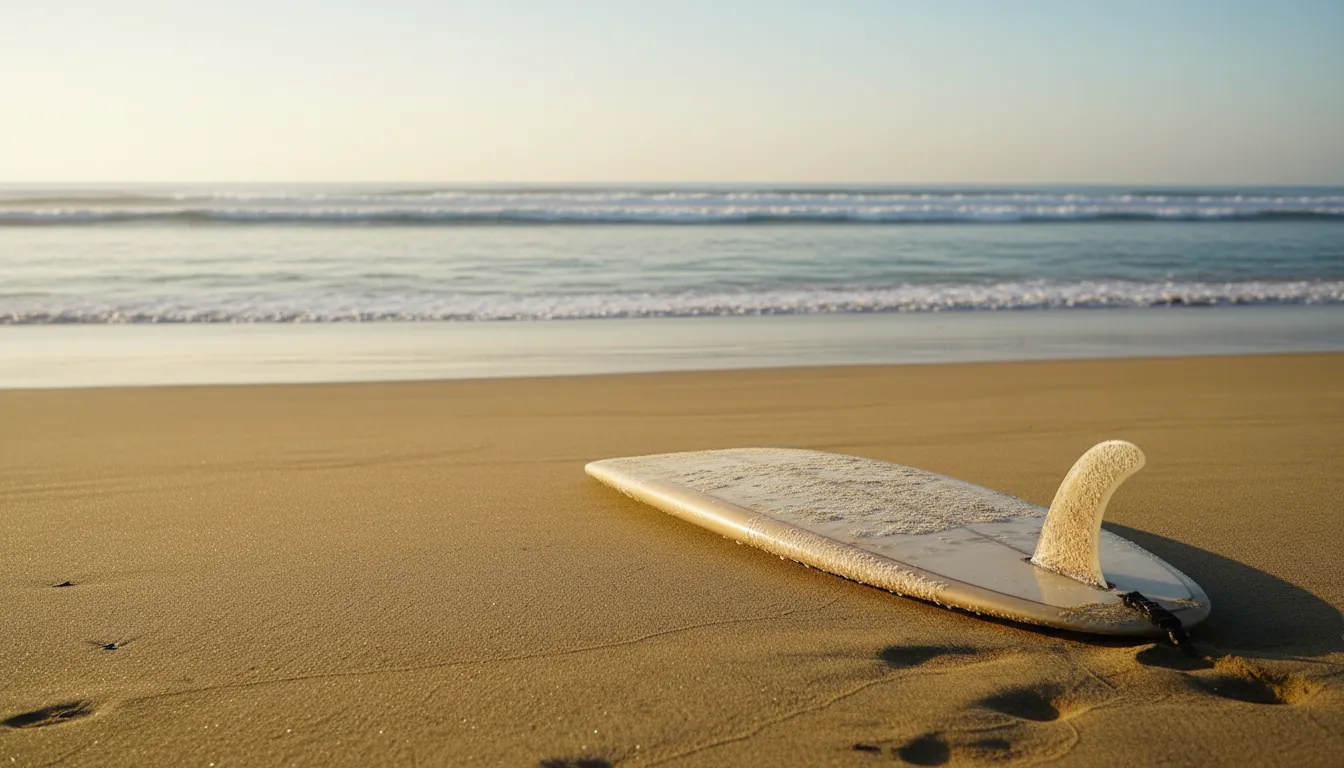
Jaco’s reputation as a surf haven isn’t accidental—it’s earned through consistent waves, warm water, and breaks that welcome everyone from first-timers to seasoned chargers. While other beach towns talk a big game, Jaco delivers year-round surf conditions that keep boards waxed and stoke levels high. Whether you’re finally checking “learn to surf” off your bucket list or hunting for that perfect left-hander, understanding Jaco’s surf ecosystem transforms a good trip into an unforgettable one. From tide-dependent breaks that require insider timing to surf schools that actually teach (not just push you into whitewater), this guide cuts through the noise with local knowledge you won’t find in generic travel blogs.
Understanding Jaco’s Surf Breaks: More Than Just Beach Break Hype
Jaco Beach stretches three kilometers of rideable coastline, but not all sections are created equal. The town center offers soft, forgiving beach breaks perfect for beginners—think waist-high rollers that peel predictably over sandy bottom. Head north toward the rocky point, and you’ll find faster, hollower waves that reward intermediate surfers willing to navigate the occasional urchin. South of town, the beach transitions into mellow shoulders ideal for longboarding and family sessions.
The Herradura surf break, just fifteen minutes north, provides a completely different experience. This right-hand point break offers longer rides and cleaner faces, especially during south swells when Jaco gets choppy. Locals know that when Jaco’s blown out by afternoon winds, Herradura often stays glassy thanks to different coastal orientation. It’s worth the short drive when conditions align—just check tide charts since Herradura works best at mid to high tide.
What makes Jaco special isn’t a single world-class wave; it’s the variety within such a compact area. Morning sessions in town, afternoon escape to Herradura, sunset longboard at the south end—all possible in one epic surf day without burning half your vacation in transit.
Best Time to Surf Jaco Costa Rica: Seasonal Secrets Local Surfers Actually Use
Jaco delivers surf year-round, but understanding seasonal patterns separates mediocre sessions from epic ones. May through November brings consistent south and southwest swells generated by Southern Hemisphere storms. These swells produce Jaco’s biggest, most powerful waves—overhead days aren’t uncommon, and the breaks really come alive. Morning glass-offs are legendary during rainy season, with offshore winds creating perfect conditions before noon.
December through April offers smaller but cleaner surf, courtesy of north swells and trade winds. Wave faces rarely exceed head-high, making this prime time for progression-focused surfers and families. Water temperature stays warm (27-29°C) regardless of season, so that 3/2 wetsuit stays home. The dry season also brings more predictable weather—fewer afternoon downpours disrupting your surf schedule.
Here’s the insider play: early May and late November represent sweet spots where you catch both swell patterns. Crowds thin out as tourists transition between high and low seasons, yet waves remain consistently good. Surf camps offer better rates, and you’ll actually get waves without fighting lineups. Staying at properties within walking distance of breaks like Jaco Beach Zen means you can check conditions at dawn and paddle out within minutes when it’s firing.
Jaco Surf Spots for Beginners: Where to Actually Learn Without Getting Wrecked
Not all beginner spots are beginner-friendly. Jaco’s central beach, directly in front of town between the pier and surf shops, offers the most consistent learning environment. Sandy bottom, gentle shoulders, and instructors who can stand waist-deep while coaching make this the default first-timer zone. Waves break in multiple peaks, spreading crowds and giving you space to flail without taking out fellow learners.
The south end near Villa Caletas provides even mellower conditions—smaller waves, less current, and fewer surfers. This spot works particularly well for kids and anyone genuinely anxious about ocean power. It’s a ten-minute drive or bike ride from central Jaco, meaning it stays uncrowded even during peak season.
Timing matters as much as location. Low to mid-tide produces the best beginner waves—gentler push, more predictable breaks, easier pop-ups. High tide brings waves closer to shore with more power, overwhelming new surfers with whitewater that feels more like getting tackled than riding a wave. Check local tide charts before heading out, and aim for that sweet two-hour window around low tide.
Avoid the rocky northern point as a beginner. Yes, waves look tempting, but the reef bottom and stronger currents create hazards that turn learning sessions into rescue operations. Save that zone for when you can confidently paddle, duck-dive, and read wave sets.
Jaco Surf Lessons Costa Rica: Choosing Instructors Who Actually Teach
Jaco’s beachfront crawls with surf schools, but quality varies wildly. The best instructors focus on ocean safety and fundamental mechanics, not just pushing you into one wave for the Instagram photo. Look for schools emphasizing paddle technique, wave selection, and proper pop-up mechanics during the beach session before you even touch water.
Reputable operations maintain low student-to-instructor ratios—ideally 4:1 or better. Group lessons exceeding six students per instructor become glorified babysitting, with minimal individual feedback. Private lessons cost more but compress the learning curve dramatically, especially for adults who need more technical coaching than kids who just send it.
Surf camps offer multi-day packages combining lessons, board rentals, and often accommodation. These programs work brilliantly for absolute beginners wanting structured progression over a week. You’ll learn in the same conditions with the same instructor, building on each session rather than starting from scratch daily. Many camps include video analysis—watching yourself attempt pop-ups reveals exactly what you’re doing wrong faster than any verbal explanation.
Check credentials. Legitimate schools carry liability insurance and instructors certified in water safety. Jaco’s rip currents rarely pose serious danger to competent swimmers, but when conditions shift, you want an instructor who knows rescue protocols, not just someone who surfs well.
Jaco Surfboard Rental: Matching Your Board to Your Actual Skill Level
Rental shops stock everything from foam logs to performance shortboards, but staff often upsell beginners onto inappropriate equipment. If you’ve surfed fewer than ten times, you need a soft-top longboard, period. Eight-foot minimum length, maximum volume—these boards catch waves effortlessly and forgive terrible technique. Ignore the voice saying you’ll progress faster on a shorter board; you’ll actually just surf less and frustrate more.
Intermediate surfers (can pop up consistently, trim across the face, execute basic turns) should consider 7’0” to 7’6” funboards. These offer paddle power for Jaco’s sometimes-mushy waves while allowing progression into proper turns and cutbacks. The fiberglass construction gives real feedback, teaching you to work with wave energy.
Daily rental rates run $15-25 depending on board type and rental duration. Multi-day packages drop the daily rate significantly—renting for a week often costs the same as three individual days. Inspect boards before leaving the shop; ding repairs in Costa Rica’s humidity can hide delamination issues that worsen once you’re in the water.
Many vacation rentals near the beach, including spots like Jaco Beach Zen, offer board storage and rinse stations. Keeping your rental board secure overnight and properly rinsed extends its life and keeps you from paying damage fees for salt corrosion the shop tries blaming on you.
Jaco Surf Conditions Forecast: Actually Reading Surf Reports Like a Local
Generic surf forecast sites give Jaco regional ratings, but hyper-local conditions vary dramatically within the bay. Magicseaweed and Surfline provide detailed buoy data, but here’s how locals actually interpret forecasts: swell direction matters more than size. South to southwest swells (180-240 degrees) produce Jaco’s best waves. Straight west swells close out the beach breaks, creating shapeless walls.
Wind forecasts determine session quality. Morning offshores (light winds from the east) groom wave faces beautifully. By 11 AM, onshore sea breezes typically kick up, creating choppy conditions that deteriorate through afternoon. Serious surfers finish sessions before noon or wait for rare evening glass-offs. During rainy season, afternoon thunderstorms reset wind patterns, occasionally creating surprise evening perfection.
Tide swings significantly impact Jaco’s beach breaks. The optimal window runs from two hours before low tide through an hour after. Dead low tide exposes sandbars awkwardly, making waves break in shallow water. High tide pushes waves into shore-dump closeouts. This three-hour window repeats twice daily—plan your surf schedule around tides, not your breakfast preferences.
Live beach cameras (search “Jaco surf cam”) let you verify conditions before the walk or drive. Forecast shows three feet and clean? Check the cam to confirm it’s not actually one foot and blown out. This saves wasted trips and lets you maximize sessions when conditions actually deliver.
Surfing Jaco Costa Rica Guide: Practical Logistics Beyond Just Paddling Out
Water temperature stays bathsuit-comfortable year-round, but bring rash guards for sun protection. Jaco’s equatorial position means intense UV even on cloudy days. Reef-safe sunscreen is legally required and environmentally crucial—brands like Stream2Sea work well without destroying coral reefs.
Rip currents exist but rarely pose danger to aware surfers. If caught in one, paddle parallel to shore until free, then angle back to beach. Never fight directly against the current—you’ll exhaust yourself fighting physics. Most rips dissipate beyond the break zone anyway, making them non-issues once you’re in the lineup.
Securing valuables during sessions requires planning. Rental cars parked beachfront attract thieves; leave nothing visible inside. Many surfers stash keys in board shorts pockets with velcro closures or small waterproof pouches. Hotels and rentals with beach access, like properties where you can walk to the break, eliminate car security concerns entirely.
Post-surf nutrition matters more than most realize. Surfing torches calories, and Jaco’s heat compounds dehydration. Coconut water sold by beach vendors rehydrates better than plain water, and local sodas serve casados (traditional Costa Rican plates) that refuel properly. That 3 PM energy crash? Usually dehydration and inadequate post-session eating, not age catching up.
Playa Jaco Surf School Selection: Red Flags and Green Lights
Legitimate surf schools display business licenses and insurance certificates visibly. If staff can’t produce documentation immediately, walk away. Jaco’s popularity attracts unlicensed operations that disappear after accidents, leaving injured students with zero recourse.
Green lights include schools offering progression tracking across multi-day programs, video analysis, and customized coaching based on individual learning styles. Instructors should ask about swimming ability, previous surf experience, and physical limitations before ever suggesting lesson types.
Red flags: Schools guaranteeing you’ll stand up first lesson (some people don’t, and that’s okay), operations with no physical location (just guys approaching you on the beach), and instructors who don’t actively watch students once in the water. Legitimate teaching involves constant observation and feedback, not just launching students and scrolling Instagram from shore.
Read recent reviews specifically mentioning safety protocols and teaching quality, not just “had fun!” testimonials. Schools that emphasize ocean awareness, proper paddling technique, and wave selection over quick photo opportunities build actual surfers rather than one-time customers.
Frequently Asked Questions About Surfing in Jaco
What are the best beginner surf spots in Jaco Beach?
Central Jaco Beach, directly in front of town between the main pier and surf rental shops, offers the most beginner-friendly conditions year-round. Sandy bottom, gentle wave shoulders, and the ability for instructors to stand in waist-deep water while coaching make this the ideal learning environment. The south end near Villa Caletas provides even mellower waves with fewer crowds, perfect for anxious first-timers or young children. Both spots work best at low to mid-tide when waves break gently and predictably. Avoid the rocky northern point until you’ve mastered basic paddling and pop-ups.
When is the best time of year to surf in Jaco Costa Rica?
Jaco delivers year-round surf, but May through November brings the biggest, most consistent waves from south swells—ideal for experienced surfers seeking powerful conditions. December through April offers smaller, cleaner waves perfect for beginners and progression-focused intermediates. The absolute sweet spots are early May and late November when both swell patterns overlap, crowds thin out, and accommodation rates drop. Morning sessions during rainy season (May-November) provide legendary glass-off conditions before onshore winds kick up around 11 AM.
How much do surf lessons cost in Jaco?
Group surf lessons in Jaco typically range $40-60 per person for a 2-3 hour session including board rental and instruction. Private lessons run $75-120 depending on instructor experience and session length. Multi-day surf camp packages (5-7 days) cost $300-500, offering better value through structured progression and often including accommodation options. Equipment rental alone runs $15-25 daily for soft-top longboards, with weekly packages significantly discounting the daily rate. Always verify that quoted prices include liability insurance and certified instruction, not just board rental with casual supervision.
Do I need to check tide charts before surfing Jaco?
Absolutely—tide dramatically affects Jaco’s beach break quality. The optimal surf window runs from two hours before low tide through one hour after, when waves break cleanly over exposed sandbars. Dead low tide creates awkwardly shallow conditions where waves break hard on sand, while high tide pushes waves into shore-dump closeouts. Since this three-hour prime window occurs twice daily, planning sessions around tides rather than personal convenience significantly improves your experience. Free tide chart apps or websites provide accurate local predictions—bookmark them and check the night before.
Can I surf Herradura Break as a beginner?
Herradura functions as an intermediate to advanced break unsuitable for beginners. The right-hand point break requires competent paddling skills to reach the lineup, confidence reading wave sets, and ability to navigate rocky bottom sections. Currents run stronger than Jaco’s beach breaks, and the crowd includes experienced locals who expect lineup etiquette. Beginners should master pop-ups, basic turning, and comfortable paddling in Jaco’s beach breaks before attempting Herradura. Once you’re confidently catching green waves unassisted and controlling your board through turns, Herradura offers fantastic progression opportunities—just respect the pecking order.
What size surfboard should I rent as a beginner?
Beginners need maximum volume and length—specifically, soft-top longboards measuring at least 8 feet. Larger boards catch waves effortlessly, provide stable platforms for learning pop-ups, and forgive terrible technique that would sink smaller boards. Ignore rental shop staff suggesting 7-foot funboards for “faster progression”—you’ll actually just catch fewer waves and build frustration rather than skills. Only after you can consistently pop up, trim across wave faces, and execute basic turns should you consider downsizing. Most beginners progress faster staying on longboards for their first 10-20 sessions rather than rushing onto shorter equipment.
Bahía Azul, unit 7C sits right on this stretch of sand — on the quiet south end of Jacó, a few hundred feet from the water.
Book on Airbnb