Jaco’s Waves & Wilds: Your Insider Guide to Adventure Tours
Let’s get one thing straight: Jaco isn’t trying to be the next secret surf spot whispered about in hushed tones. We’re the Central Pacific’s open-hearted adventure playground, where the learning curve is as warm as the 82-degree water and the jungle literally meets the shoreline. Whether you’re eyeing your first wave or your fiftieth zip line, this stretch of coast delivers consistent thrills without the pretension. The beauty of Jaco’s adventure scene? It’s refreshingly straightforward—surf schools line the beach, tour operators know the terrain like their own backyard, and you can genuinely swap your surfboard for hiking boots within the same afternoon. This isn’t about chasing Instagram-perfect moments in remote corners; it’s about accessible, quality adventures that don’t require a PhD in trip planning to enjoy.
Catching a Wave, Jaco Style: Why Our Beach is Your Best Surf School
Jaco Beach operates like nature’s own surf academy, and here’s why: those consistent, shoulder-height waves rolling in year-round are basically begging beginners to give it a go. The water temperature hovers around a blissful 80°F, which means you can skip the wetsuit rental fee and the awkward changing dance entirely. Unlike the frigid Pacific waters further north, you’ll actually want to spend hours in the water here—and you’ll need to, because learning to surf requires more attempts than most people admit.
The local surf schools scattered along our beach aren’t just handing you a board and pointing oceanward. These instructors have spent years reading Jaco’s particular moods—they know which sandbars shift after big swells, when the rip currents get feisty, and exactly where to position you for the most forgiving rides. Most schools keep their student-to-instructor ratios refreshingly low, often around 4:1, meaning you’re getting actual feedback rather than generic encouragement shouted from shore. For intermediate surfers, the beauty lies in progression without relocation: the same beach offers mushier sections for practice and punchier waves just a hundred meters down for when you’re feeling ambitious. It’s surf education on a sliding scale, all within one convenient stretch of sand.
Beyond the Board: Jaco’s Adventure Tours That Don’t Require a Wetsuit
Sure, surfing gets the spotlight, but Jaco’s adventure menu runs deeper than the lineup. Zip-lining through the rainforest canopy offers that perfect cocktail of adrenaline and awe—you’re clipping through the trees at speeds that make your stomach flip while simultaneously catching glimpses of the Pacific glittering below. The local canopy tours typically feature 10-12 cables, some stretching over 2,000 feet, with platforms built around centuries-old trees. Families particularly love this option because even cautious kids get brave when they realize the harness system could probably support a small car.
For those preferring their adventures at a more contemplative pace, horseback riding delivers scenery without the speed. Morning rides along the beach at low tide create those postcard moments—hoofprints in wet sand, ocean spray, the works—while afternoon excursions into the hills reveal hidden waterfalls where you can actually swim. The horses are seasoned professionals who’ve done these trails countless times, making it genuinely accessible even if your last riding experience was a pony at age seven.
Then there’s the Tarcoles River crocodile tour, which sounds more intimidating than it is. These boat excursions put you eye-level with some seriously impressive reptiles—we’re talking 15-footers that look prehistoric because, well, they basically are. The guides are part naturalist, part entertainer, explaining the ecosystem while casually navigating within photographing distance of these apex predators. It’s educational in a way that makes you forget you’re learning, which is exactly how nature tours should work. Being centrally located in Jaco means these adventures are genuine day trips, not expedition-level commitments requiring dawn departures and packed lunches.
Tidal Tactics: Decoding Jaco’s Surf Forecasts Like a Local (Because We Are)
Here’s the insider knowledge that separates tourists from temporary locals: Jaco’s surf quality lives and dies by the tide chart, and not in the way you might think. For beginners, outgoing tides are your friend—the waves break more gently, the sandbars create forgiving shoulders, and wipeouts happen in shallower water. Intermediate and advanced surfers often prefer incoming tides when the waves pack more punch and the faces steepen up nicely. The sweet spot? That hour before and after low tide when conditions satisfy multiple skill levels simultaneously.
Wind direction matters almost as much as swell size around here. Those glassy morning sessions everyone romanticizes? They’re real, thanks to offshore winds that typically blow from the east before 9 AM, smoothing the ocean surface like a skilled bartender leveling a cocktail. By afternoon, onshore winds often chop things up, which isn’t necessarily bad—it just means different conditions requiring different approaches. The truly savvy surfers check the wind forecast as religiously as the swell report.
Jaco’s wave consistency stems from our position on the Central Pacific coast where multiple swell windows converge. South swells dominate from April through October, while north swells pick up December through March. But here’s the thing: we rarely go completely flat. Even smaller summer swells produce rideable waves for beginners, and the rainy season’s afternoon swells can surprise you with overhead sets. Understanding this rhythm means you can plan your trip around the best conditions for your skill level, rather than showing up and hoping the ocean cooperates.
Surf’s Up! Picking Your Perfect Board & Mastering Jaco’s Breaks
Beach-side board rentals in Jaco run the full spectrum from beginner-friendly soft-tops to high-performance shortboards for the experienced. Expect to pay around $15-20 for a full day’s rental, with discounts kicking in for multi-day commitments. The rental shacks literally line the main beach access points, meaning you can make decisions based on real-time conditions rather than committing the night before. Most places are refreshingly honest about what you should ride—they’d rather you have fun on the right equipment than struggle on something inappropriate for your skill level.
For absolute beginners, the main Jaco Beach break is where you want to be. The waves here rarely exceed shoulder-high, the bottom is forgiving sand rather than reef, and the long stretches mean you’re not battling crowds for every set wave. Think of it as surfing with training wheels—you’re getting the real experience, just with the difficulty dialed to reasonable. The whitewater zone extends far enough that you can practice popping up dozens of times per session without constantly paddling back out.
Intermediate surfers should venture south along the beach where the waves maintain consistency but add a bit more size and power. The sandbars shift seasonally here, creating peaks that can handle shortboards and more aggressive surfing. On bigger swell days, these sections occasionally produce genuine barrels, though they’re typically brief and require precise positioning. The advantage of Jaco’s main beach area is this natural progression—you can literally walk 200 meters and find waves matching your evolving skill level. No need for car shuttles or local knowledge about secret spots; the breaks graduate themselves along one accessible stretch.
Why Stay Zen When You Can Be Wild? Integrating Adventure into Your Jaco Getaway
The real magic of Jaco lies in how seamlessly you can toggle between adventure modes. Digital nomads are increasingly discovering this balance: surf before your morning meetings, work through the productive afternoon hours, then hit an evening zip line tour or sunset horseback ride. The infrastructure supports this lifestyle—reliable wifi coexists with world-class waves, and the compact geography means nothing requires elaborate planning. You’re not choosing between adventure and productivity; you’re integrating both into a genuinely sustainable routine.
Families find similar rhythm here. Kids can handle morning surf lessons, rest during the hot midday hours, then tackle a different adventure before dinner. Parents appreciate not needing military-level logistics to pull off memorable experiences. The variety prevents that “we’re doing the same thing every day” restlessness while maintaining a comfortable home base.
This is precisely where Jaco Beach Zen’s positioning shines: close enough to wander downtown for rentals, restaurants, and tour bookings, yet far enough to hear the waves instead of traffic when you’re decompressing. Your post-surf shower happens in a private space rather than a public beach facility. Your post-zip line relaxation includes actual lounging rather than immediately navigating crowds. The adventure is abundant and accessible, but so is the recovery space—and honestly, the recovery might be just as important as the adrenaline when you’re stringing together multiple active days.
Frequently Asked Questions
What’s the best time of year to catch waves in Jaco for a beginner?
Jaco’s beginner-friendly window stays open year-round, but May through November edges ahead slightly. During these months, south swells bring consistent waist-to-shoulder-high waves that are perfect for learning without being intimidating. The rainy season afternoons sometimes churn up the surface, but mornings typically offer clean conditions. December through April sees smaller swells on average, which sounds counterintuitive but can actually be ideal for nervous first-timers. Water temperature never varies more than a few degrees, so unlike many surf destinations, your timing is about wave quality rather than enduring frigid conditions. Honestly, the “wrong” time to learn in Jaco basically doesn’t exist.
Are surf lessons in Jaco safe for kids, and do they include equipment?
Reputable Jaco surf schools treat kid safety as non-negotiable, typically setting minimum ages around 5-6 years and matching instructors to smaller groups for young students. All legitimate operations include soft-top boards and rash guards in their lesson fees—these aren’t optional add-ons. Instructors position kids in the mellowest sections of whitewater, often in waist-deep water where standing up is always an option. The warm water eliminates hypothermia concerns that plague colder surf zones, and the sandy bottom means wipeouts rarely involve anything sharper than wounded pride. Most schools offer family packages where parents and kids learn simultaneously in adjacent areas, which helps anxious parents stay visibly nearby while everyone progresses.
Beyond surfing, what are the must-do nature expeditions easily accessible from Jaco?
The Tarcoles River crocodile tour tops most lists for good reason—it’s wildlife viewing that delivers guaranteed sightings rather than hopeful searching. Canopy zip line tours through the nearby rainforest offer that adrenaline-meets-nature combination families particularly love. For waterfall enthusiasts, several operators run half-day excursions to hidden cascades in the surrounding hills where you can actually swim rather than just photograph. Mangrove kayaking provides a mellower nature experience, paddling through tunnel-like waterways where birds outnumber people. The key advantage around Jaco is proximity—these aren’t dawn-departure, all-day commitments. Most adventures run 2-4 hours, leaving room for other activities or legitimate relaxation without feeling like you’re wasting your vacation.
How do I interpret a tide chart for Jaco Beach to plan my surf times?
Jaco’s tide charts are surprisingly straightforward once you grasp the basic pattern. For beginners, target the outgoing tide (high to low), particularly that two-hour window after high tide when waves break gently over sandbars. Intermediate surfers often prefer incoming tides when waves steepen and offer more push. Low tide itself can get shallow and choppy, while high tide sometimes means waves break directly on shore without much ride. The chart shows two high and two low tides daily, typically six hours apart. Combine this with swell forecasts—a decent south swell during outgoing morning tide usually means excellent beginner conditions. Local surf shops provide current charts, or apps like Surfline incorporate tide data with forecasts for convenient planning.
Are there surfboard rentals available directly on Jaco Beach, and what’s the average cost?
Beach-front rental shacks dot the main access points along Jaco Beach, making board rentals almost embarrassingly convenient. Expect to pay $15-20 for full-day soft-top rentals, perfect for beginners and intermediates. Performance shortboards for advanced surfers run slightly higher, around $25 daily. Multi-day rentals typically offer discounts—three days might cost $40-45 rather than $60. Most places open around 7 AM to catch the morning crew and stay operational until sunset. Quality varies somewhat, so inspect your board before committing; reputable shops replace damaged equipment regularly. Some rental operations also offer secure board storage for multi-day visitors, letting you avoid the daily schlepping routine. Cash often gets you better rates than cards, as with most beach transactions in Costa Rica.
Can I find surf camps in Jaco that cater to solo travelers or digital nomads looking for a work/surf balance?
Jaco’s emerging digital nomad scene has spawned several surf-focused accommodations designed exactly for this work-wave balance. Unlike traditional surf camps targeting week-long immersion groups, these setups offer flexible durations with solid wifi, co-working spaces, and surf lessons scheduled around productivity rather than forcing all-day wave commitment. Some provide coaching packages where you book individual sessions rather than rigid daily lessons, perfect for balancing Zoom meetings with swell forecasts. Solo travelers benefit from the social atmosphere without mandatory group activities—you can be as social or solitary as your mood dictates. Jaco’s compact geography means even staying at a quieter property doesn’t isolate you from the surf scene; beach access and rental shops remain easily walkable, preserving independence while providing community access when desired.
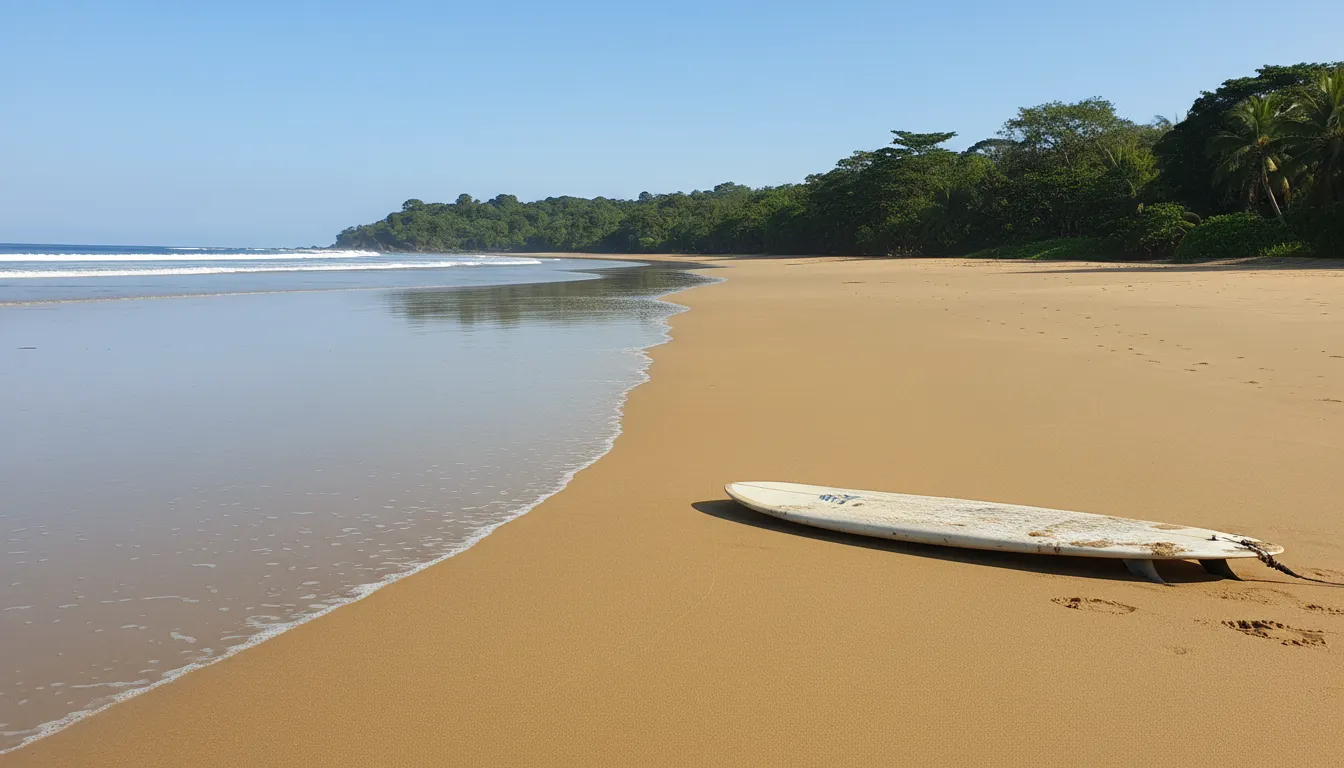
Bahía Azul, unit 7C sits right on this stretch of sand — on the quiet south end of Jacó, a few hundred feet from the water.
Book on Airbnb