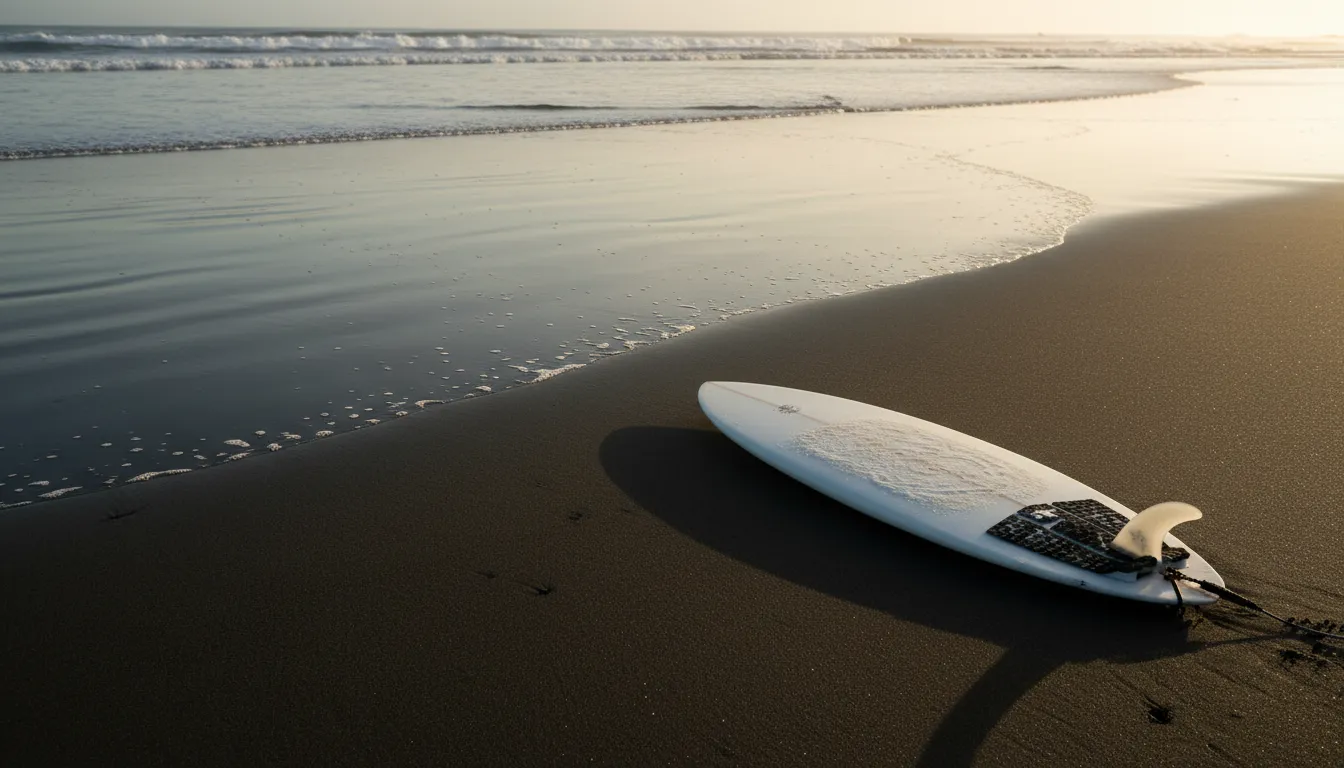
Jaco Beach isn’t for the faint of heart—or surfers expecting gentle rollers. This beachfront town serves up consistent, powerful waves that attract everyone from first-timers testing their nerve to seasoned shredders hunting barrels. The Pacific swells that pound this coastline don’t care about your skill level, but with the right knowledge and respect for the ocean, Jaco’s breaks can deliver some of the most memorable surf sessions of your life. Whether you’re booking your first lesson or scoping out advanced breaks, understanding Jaco’s surf ecosystem—from seasonal swells to local etiquette—separates epic days from expensive mistakes.
Understanding Jaco’s Surf Breaks: Beach Break Basics and Beyond
Jaco’s main beach is a classic beach break, meaning waves form over shifting sandbars rather than reef or rock. This creates a forgiving (relatively speaking) learning environment where wipeouts land you in sand instead of coral. The southern end near the estuary mouth typically offers cleaner, less crowded waves, while the central stretch delivers powerful shore break that can humble even experienced surfers. Advanced riders head north toward Playa Hermosa, where hollow, fast waves break over hard-packed sand with serious consequences for blown takeoffs.
The beauty of beach breaks lies in their variability—sandbars shift with each swell, creating different peaks and channels. What worked yesterday might close out today. Local surf schools teach you to read these constantly changing conditions, identifying rip currents that provide easy paddle-outs and sandbar formations that create rideable peaks. This skill matters more than any single technique, especially during Jaco’s notorious high tide when waves reform closer to shore with increased power.
Jaco Surf Season: When to Score the Best Swells
Contrary to tourist brochures promising year-round perfection, Jaco’s surf quality fluctuates dramatically. May through November delivers the most consistent swells as southern hemisphere storms send long-period energy toward Costa Rica’s Pacific coast. These swells produce clean, organized lines with offshore winds in the early morning—the golden window before onshore sea breezes texture the water’s surface.
Dry season (December through April) brings smaller, less consistent surf but clearer skies and lighter crowds. Advanced surfers often prefer wet season’s power, while beginners benefit from dry season’s mellower conditions and warmer water temperatures. Mid-range surfers face a choice: bigger waves with rain or smaller surf with sunshine. Check regional surf and adventure tours that combine surf sessions with inland activities during flat spells—because even consistent Jaco goes flat occasionally.
Rainfall barely affects water temperature (hovering around 80°F year-round), but afternoon thunderstorms during wet season can shut down sessions. Morning surfs reign supreme regardless of season.
Tide Charts and Timing: Why Every Hour Matters
Jaco’s tidal range dramatically alters wave quality and safety. Low tide exposes more sandbar, creating hollow, fast waves that break in shallow water—thrilling for advanced surfers, hazardous for beginners. Mid-incoming tide often provides the sweet spot: enough water depth for safer wipeouts while maintaining wave shape and power. High tide pushes waves onto the beach with intense shore break that destroys boards and egos with equal enthusiasm.
Smart surfers consult tide charts before dawn, planning sessions around optimal windows. A four-hour session might start at low tide for experienced riders, then transition to the beach as tide rises and conditions deteriorate. Many surf camps structure their schedules around tides, maximizing water time during prime conditions rather than arbitrary clock times.
Ignoring tides causes more rental board damage than any other factor. That refundable deposit from surfboard rentals becomes non-refundable when you snap a board in six inches of water during low tide shore break.
Surf Lessons for Beginners: What Actually Works
First-timer success in Jaco depends entirely on instruction quality and timing. Reputable surf lessons for beginners start with beach theory—reading waves, ocean safety, proper positioning—before paddling out. Instructors who rush students into the water without this foundation create dangerous situations and frustrated clients.
Legitimate schools maintain low student-to-instructor ratios (maximum 4:1), provide proper equipment (soft-top boards, rash guards), and choose appropriate locations based on daily conditions. Sometimes the best instruction happens away from Jaco’s main beach entirely, at mellower breaks with cleaner conditions. Don’t mistake crowded lineups for quality instruction.
Beginners should budget 3-5 lessons minimum for genuine progression. One-off sessions might produce a Instagram-worthy ride via instructor push, but independent surfing requires repetition, feedback, and gradual difficulty increases. Multi-day packages through established schools offer better value and actual skill development.
Advanced Surfing: Hermosa and Beyond
Once Jaco’s main break feels manageable, advanced surfers inevitably migrate north to Playa Hermosa—a powerful, hollow beach break that hosts international competitions and humbles overconfident intermediates. Hermosa’s waves break faster and harder over compact sand, creating barrels that require precise positioning and committed drops. The paddle-out alone filters participants; strong currents and relentless sets demand fitness and wave knowledge.
Best surf spots for advanced surfers include Hermosa’s various peaks, Esterillos Este (south of Jaco), and Playa Bejuco for less crowded alternatives. These breaks require vehicle access and self-sufficiency—no beach vendors selling cold beer or renting boards. Bring everything, tell someone your plan, and respect your limits. Hermosa’s shore break has ended more surf trips than it has started.
Local surfers at these advanced breaks expect competent wave knowledge and lineup etiquette. Dropping in, snaking waves, or paddling into sets you can’t handle earns justified hostility. Earn your place through patience and respect.
Equipment: Rentals, Purchases, and What Actually Matters
Jaco’s numerous surfboard rental operations range from beachfront shacks to professional shops with diverse quivers. Daily rates ($15-25) typically include basic boards (soft-tops for beginners, fiberglass shortboards and funboards for intermediates). Inspect rental boards carefully—ding repairs, fin security, leash condition—before accepting equipment.
Intermediate+ surfers often bring their own boards or purchase locally to ensure proper equipment. Costa Rica’s import duties make new boards expensive, but Jaco’s transient surf population creates robust used board markets. Facebook groups and hostel bulletin boards list deals, though inspect carefully and negotiate firmly.
Board choice matters more than most beginners realize. Longer, wider boards (8-9 feet) provide stability for learning; shorter, narrower boards require more skill but enable tighter maneuvers. Rental shops steer beginners toward appropriate equipment, but ego-driven choices (renting a 6-foot shortboard your first day) guarantee frustration.
Surf Camps: Immersive Learning vs. Independent Sessions
Multi-day surf camps bundle accommodation, instruction, meals, and transportation into intensive programs ranging from weekend intensives to month-long immersions. Quality camps provide structured progression, video analysis, fitness training, and surf theory alongside water time. They work brilliantly for dedicated learners with limited time and higher budgets.
Independent learners booking separate lessons, accommodation, and activities maintain more flexibility and often lower costs. Staying at properties like Jaco Beach Zen, close enough to walk downtown but far enough to hear waves, provides the flexibility to surf early, rest mid-day, and explore Jaco’s adventure tourism scene without rigid camp schedules.
Camps excel for solo travelers seeking community and complete beginners wanting hand-holding. Independent approaches suit experienced travelers, intermediate surfers, and anyone who values freedom over structure.
Safety and Respect: The Unwritten Rules
Jaco’s powerful shore break, rip currents, and submerged obstacles demand respect and awareness. Never surf alone, especially as a beginner. Never turn your back on the ocean while in the impact zone. Never paddle out in conditions beyond your ability—ego-driven decisions fill emergency rooms.
Rip currents, visible as darker, calmer channels between breaking waves, terrify beginners but provide efficient paddle-outs once understood. Fighting rips exhausts and panics swimmers; paddling parallel to shore escapes their pull. Surf schools teach rip identification and usage during initial beach instruction.
Localism exists but rarely surfaces with respectful behavior. Wait your turn, don’t drop in, apologize for mistakes, and show humility in lineups. Advanced breaks enforce these rules more strictly; beginners receive more grace at mellow spots.
Frequently Asked Questions
What’s the best time of day to surf Jaco?
Early morning (sunrise to 9am) offers the cleanest conditions before onshore winds texture the water surface. Glass-smooth dawn sessions provide the best wave quality, fewer crowds, and cooler temperatures. Afternoon sessions work during incoming swells or exceptional conditions, but wind typically deteriorates quality by 11am. Serious surfers arrange schedules around morning tides rather than sleeping in.
Can complete beginners really surf Jaco?
Absolutely, with proper instruction and appropriate conditions. Legitimate beginner surf lessons choose optimal times, locations, and equipment for first-timers. Most students stand up during their first session, though “surfing” means different things to different people. Realistic expectations and multi-lesson commitments produce genuine progression rather than one-off experiences.
How much should I budget for surf activities?
Beginner lessons run $50-75 for 2-hour sessions; multi-day packages offer better per-session rates. Board rentals cost $15-25 daily. Week-long surf camps range from $800-1500 including accommodation and meals. Independent surfers renting boards and booking occasional lessons can surf daily for under $30/day. Budget more for advanced coaching, video analysis, or specialized programs.
Do I need to be a strong swimmer?
Moderate swimming ability suffices for beginner lessons in controlled conditions, but confidence in ocean environments matters more than pool skills. If waves, currents, and underwater tumbling cause panic, address this before surfing. Instructors can’t teach surfing while managing water-phobic students. Advanced surfing demands strong swimming, breath-hold capacity, and ocean competence.
What should I bring to surf sessions?
Sunscreen (reef-safe), rash guard or wetsuit top (prevents chafing and sunburn), water, towel, and realistic expectations. Rental operations provide boards and leashes. Leave valuables secured; beach theft happens. Bring humble attitude and patience—surfing humbles everyone eventually, and Jaco’s powerful waves accelerate the humbling process for those who need it.
Bahía Azul, unit 7C sits right on this stretch of sand — on the quiet south end of Jacó, a few hundred feet from the water.
Book on Airbnb