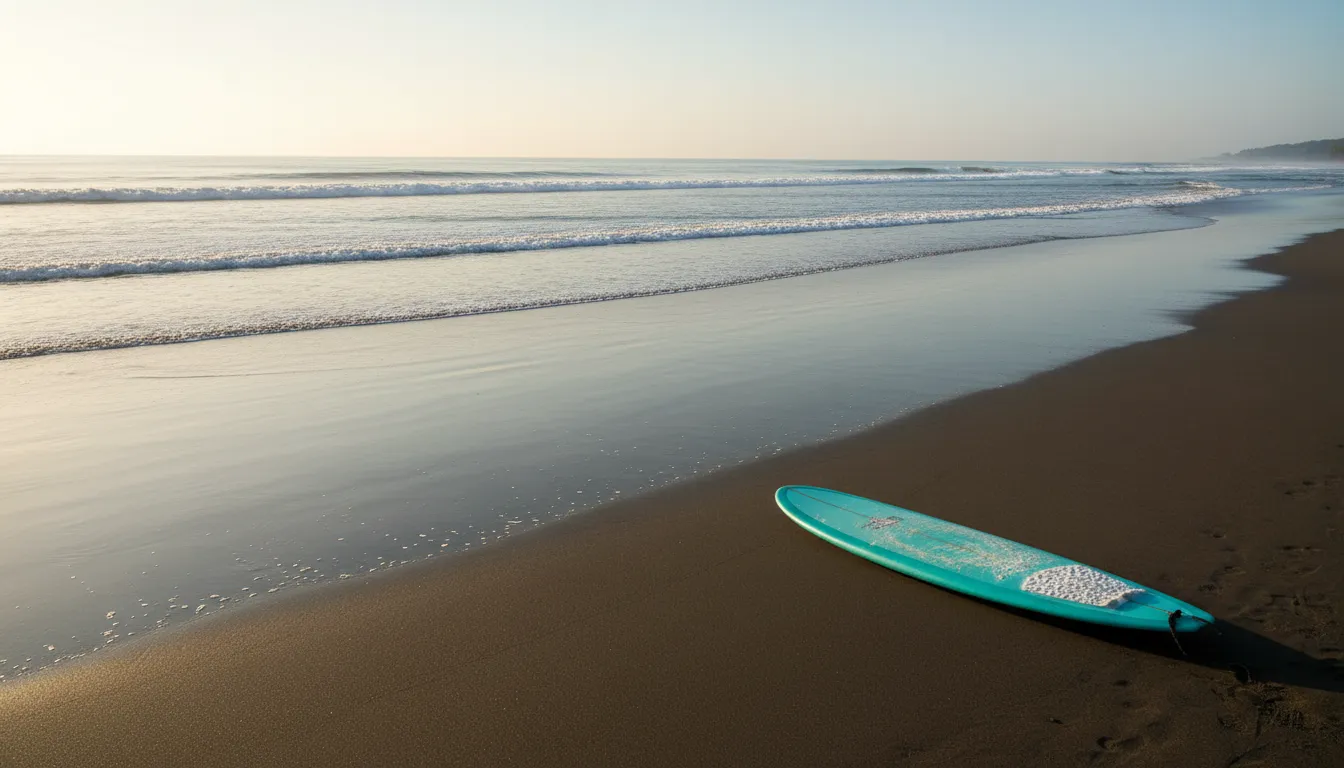
Jaco’s Waves Unpacked: Your Essential Guide to Cracking the Surf Code
Let’s get one thing straight: Jaco Beach isn’t just another surf town that happens to have waves. It’s a place where the Pacific delivers consistent swells year-round, the water temperature hovers around a blissful 82°F, and you can legitimately leave your wetsuit at home (or better yet, don’t pack one at all). Whether you’re eyeing your first-ever surf lesson or you’ve logged enough sessions to know your cutbacks from your floaters, Jaco’s beach break offers something genuinely special—a democratic wave that breaks both left and right, rolls over forgiving sand, and welcomes everyone from groms to grey-hairs. This isn’t hype; it’s geography and consistency doing their thing. From dawn patrol sessions that’ll have you back for breakfast to mellow Herradura alternatives when the main break gets feisty, we’re breaking down exactly where to paddle out, what you’ll pay, when to go, and how to make the most of Costa Rica’s most accessible surf destination. No fluff, no corporate speak—just the local intel you actually need.
So, You Wanna Surf Jaco? What to Expect from Our Famous Beach Break
Jaco’s got waves year-round and water warm enough that you’ll forget what a wetsuit feels like—which is exactly how surfing should be. That consistent 82°F (28°C) water temperature means you can focus entirely on your technique, your timing, and catching that next set, rather than worrying about numb toes or restrictive neoprene. It’s board shorts and sunscreen territory, every single day of the year. This might sound like marketing talk, but spend one session here and you’ll understand why so many surfers who visit once end up returning annually.
Our beach break is incredibly consistent, often peeling both left and right, making it a democratically good time for all. The setup is straightforward: sandbars shift with the seasons and tides, creating multiple peaks along the beach that spread out the crowd naturally. Mostly sand underfoot, so those inevitable wipeouts sting a lot less here than they would on a reef break. You’re not going to shred your knees or worry about urchins—just soft landings and the gentle reminder that the ocean always wins.
The beauty of Jaco’s main break is its adaptability. From gentle, rolling waves at the south end perfect for learning, to more powerful sections further north when the swell picks up, there’s always a spot that matches your vibe and skill level. Mid-tide often delivers the sweet spot where waves have shape without being overwhelming, while high tide softens things up nicely for total beginners. The consistency here isn’t an accident—it’s our southwest-facing coastline catching Pacific swells from multiple directions, delivering rideable surf even when neighboring breaks go flat.
Beginner’s Bliss: The Best Spots to Get Your Toes Wet (and Stand Up!)
The southern end of Jaco Beach is your personal, forgiving surf classroom. The waves are usually smaller, slower, and break further out, giving you ample time to pop up without getting immediately swallowed by a closeout section. This stretch tends to be less crowded than the main peak area, and the vibe is decidedly more chill—instructors patiently coaching students, kids giggling through wipeouts, and that universal joy of someone catching their first green wave.
Look for the areas where you see more instructors and kids—that’s your sweet spot for gentle rollers and a less intimidating crowd. These zones naturally cluster around certain beach access points where the sand configuration creates mellower conditions. Don’t be shy about setting up near a guide to beginner surf breaks group lesson; their presence usually indicates the safest, most beginner-friendly conditions on any given day.
Locals know that the very best conditions for beginner success often coincide with a mid-tide—enough water to prevent dragging your board or fins on the bottom, but not so much that the waves turn into shapeless lumps of whitewater. Check your Jaco tide chart resources the night before and plan your session accordingly. That sweet mid-tide window typically offers two solid hours of primo learning conditions, which is exactly what your arms and brain can handle anyway.
Beyond Jaco: Herradura’s Hidden Gem (or Not-So-Hidden Pleasure)
Just a short drive north, Herradura Bay offers a completely different vibe: it’s typically much calmer, making it fantastic for stand-up paddleboarding or catching super mellow, longboard-friendly waves when Jaco is a bit too feisty. The protected nature of this bay means it’s sheltered from the bigger south swells that pump up Jaco’s main break, creating an entirely different ocean experience just fifteen minutes up the coast.
This protected bay is perfect for those days you want to cruise or if you’re traveling with little ones who prefer a gentler introduction to the ocean. The water is often flat enough for kayaking, and the beach itself is quieter and more intimate than Jaco’s main strip. When a big swell is lighting up Jaco and you’re not quite ready for that level of intensity, Herradura becomes your friend—a place to practice paddling, work on your pop-up on tiny ankle-biters, or simply enjoy floating without getting worked.
While not a classic ‘surf’ spot in the Jaco sense, Herradura provides a lovely contrast and an excellent alternative for flat days or a change of pace. Think of it as your backup plan that’s actually worth planning for—especially if you’re staying longer than a few days and want variety beyond the main break.
Cracking the Code: Best Time to Surf Jaco (Hint: It’s Anytime, Really)
Ask any local and they’ll tell you: Jaco delivers consistent waves year-round. We’re blessed with a Pacific swell window that just keeps on giving, pulling energy from storms thousands of miles away and translating it into rideable surf on our beach. Unlike some surf destinations with frustrating flat spells or fickle conditions, Jaco maintains that baseline consistency that makes it genuinely surf-able every single day.
The ‘green season’ (May to November) often brings bigger, more powerful swells, ideal for experienced surfers looking for some punch. However, early mornings in this season can still be glassy and perfect for beginners—the afternoon onshore winds and occasional rain squalls tend to be the only real downsides. If you don’t mind the possibility of getting rained on between sets, green season offers uncrowded lineups and overhead sets that’ll challenge your abilities.
The ‘dry season’ (December to April) provides smaller, but incredibly consistent and clean waves—perfect for learning, refining technique, and avoiding those rainy season downpours. This is peak tourist season for good reason: sunshine, predictable conditions, and that postcard-perfect Costa Rica experience. Expect more people in the water, but also more organized conditions and offshore morning winds that groom the waves beautifully.
Always check the local tide chart—crucial for finding the optimal conditions for your skill level. High tide often means less powerful, slower waves, while mid-to-low tide generally offers more shape and speed. This isn’t abstract theory; it’s the difference between catching twenty waves in a session versus struggling to get three.
For the truly committed, dawn patrol is where it’s at. Glassy conditions, fewer people, and the sunrise over the rainforest? Pure magic. Plus, you’re back in time for a proper breakfast—maybe at Jaco Beach Zen after a quick rinse-off, coffee in hand, telling stories about that one wave while the rest of the world is just waking up.
Surf Schools & Local Legends: Getting Lessons and Guides That Don’t Just ‘Teach’
Jaco is literally overflowing with surf schools; this means competition is high, and prices are usually very reasonable for quality instruction. Look for schools with certified instructors and a low student-to-teacher ratio—ideally no more than four students per instructor for group lessons, or splurge on a private session if you want accelerated progress. Check reviews, ask around town, and don’t just pick the first shop you see. Understanding how to choose the best surf school can mean the difference between a frustrating experience and genuinely life-changing fun.
Many local instructors started surfing here as kids. They don’t just teach you to stand up; they teach you how to read our specific waves, understand the channels, and respect the ocean. These folks know which sandbar is working on a northwest swell, where the rip currents form during spring tides, and exactly how to position you for maximum success. That local knowledge is worth every dollar.
Expect your first lesson to include some beach etiquette, safety basics, and how to paddle, pop up, and ride those first glorious whitewater waves. Two hours is usually perfect for a beginner session—enough time to catch plenty of waves without completely exhausting yourself. Most schools provide the board, rash guard, and instruction for around $50-70 per person for group lessons.
For advanced surfers, consider hiring a local surf guide. They know the secret spots, which breaks are firing on a given swell, and can take you away from the crowds for a truly authentic experience. These guides often have access to boat trips, knowledge of reef breaks outside town, and the kind of insider intel that transforms a good surf trip into an unforgettable one.
Gearing Up: Surfboard Rentals & What You’ll Actually Pay
Dozens of shops along the main strip offer surfboard rentals, from foam tops for beginners to high-performance shortboards. You won’t struggle to find a stick that suits you—competition keeps quality high and prices reasonable. Most shops are located conveniently close to the beach, and many offer delivery service if you’re staying slightly out of town. Jaco Beach Zen guests will find several reputable local surf shop recommendations within easy walking distance, making it simple to grab a board and be in the water within fifteen minutes.
Expect to pay around $15-20 for a half-day rental and $20-30 for a full day. Weekly rates are usually available and can save you a few bucks if you’re planning an extended surf safari—often running $100-150 for seven days, depending on the board type. Some shops throw in free board storage between sessions if you’re renting for multiple days, which beats dragging a nine-foot foamie back and forth.
Foam boards (soft tops) are your best friend for learning. They’re stable, forgiving, and much less likely to ding both you and themselves. Don’t be too cool for school; everyone starts here, including that ripping local you see shredding the north end. Volume and stability matter infinitely more than looking cool when you’re learning fundamentals.
Before you rent, give the board a quick once-over for dings or damage. Most places are legit, but it’s always smart to check the fins are secure, there are no major cracks in the foam, and the leash attachment is solid. Take a photo of any existing damage on your phone—it takes ten seconds and prevents awkward conversations when you return it.
Frequently Asked Questions
Is Jaco Beach safe for beginner surfers and families?
Absolutely. The sandy bottom is forgiving, lifeguards often patrol the main break during high season, and the sheer number of surf schools means there are always experienced eyes in the water. Rip currents can form, but they’re generally predictable and avoidable if you stay near the instructed zones. The beginner-friendly south end offers the safest introduction, with smaller waves and a mellower vibe. Just use common sense, respect the ocean’s power, and don’t hesitate to ask locals about current conditions. Families find Jaco particularly welcoming because of the warm water, gentle learning zones, and abundance of professional instruction available.
What’s the average cost for a surf lesson in Jaco?
Group lessons typically run $50-70 per person for a two-hour session, including board and instruction. Private lessons cost $70-100 per person, offering personalized attention and faster skill progression. Many schools offer multi-day packages that reduce the per-session cost—three days of lessons might run $130-180 total. Kids’ lessons are sometimes slightly cheaper. These prices are remarkably reasonable considering you’re getting certified instruction, equipment, and insurance coverage. Semi-private lessons (you plus one friend) offer a nice middle ground at around $60-80 each. Most schools also sell lesson packages that include photos or video analysis for an additional fee.
Can I rent a surfboard directly on Jaco Beach?
Yes, numerous beachfront vendors set up daily along the main beach offering rentals, though shops just off the sand often provide better-maintained equipment and more competitive pricing. Beach rentals are convenient for spontaneous sessions but expect to pay slightly more—sometimes $25-35 for a half-day versus $15-20 at established shops. The trade-off is pure convenience; you can literally walk up, grab a board, and be in the water within minutes. Just inspect the equipment carefully since beach vendors’ inventory rotates frequently. For longer stays, established surf shops offer better value and typically stock a wider range of board types and sizes.
What are the best months for surfing in Jaco, Costa Rica?
Honestly? All of them, depending on what you want. May through November brings bigger, more powerful swells perfect for intermediate to advanced surfers, though mornings can still be beginner-friendly. December through April offers smaller, cleaner, more consistent waves ideal for learning and progression—plus drier weather and offshore morning winds. Shoulder months like May and November often provide the best of both worlds: fewer crowds, decent swell, and reasonable weather. Local wisdom says there’s never truly a bad month to surf Jaco, just different flavors of good. Check swell forecasts before booking if you’re chasing specific conditions.
Are there any surf camps in Jaco that include accommodations?
Yes, several all-inclusive surf camps operate in and around Jaco, offering packages that bundle accommodations, daily lessons, meals, and sometimes yoga or additional activities. Prices vary widely based on accommodation quality and inclusions, ranging from budget-friendly $700-1000 per week to luxury options exceeding $2000. These camps handle all logistics, making them ideal for first-timers or those wanting a structured experience. Alternatively, many visitors prefer staying at places like Jaco Beach Zen and booking lessons à la carte, offering more flexibility and often better value if you’re not interested in a full package. Both approaches work; it depends on your travel style and budget.
How reliable is the surf forecast for Jaco’s Pacific Coast?
Quite reliable for swell size and direction, though local conditions like wind and tide create variables that forecasts can’t always nail perfectly. Websites like Surfline and Magicseaweed provide solid baseline predictions, but talking to local surf shops or guides the morning of your session gives you the real story. Jaco’s consistency means even when forecasts show small surf, you’ll usually find rideable waves somewhere along the beach. The Pacific swell window is broad and consistent, so complete flat spells are rare. Dawn sessions typically offer the cleanest conditions before onshore winds develop, regardless of what the forecast predicts for overall wave quality.
Bahía Azul, unit 7C sits right on this stretch of sand — on the quiet south end of Jacó, a few hundred feet from the water.
Book on Airbnb