Beyond the Waves: Unearthing Jaco Beach’s Authentic Cultural Adventures
Sure, Jaco’s got the surf breaks and ziplines that make your Instagram followers jealous. But here’s what most visitors miss: the real magic happens when you trade your board shorts for something a little more… culturally curious. I’m talking about the Tuesday morning feria where doña Maria sells cashew fruit you’ve never tasted, the soda where construction workers and surfers share tables over casado, and the backstreet gallery where a local artist transforms reclaimed driftwood into something you’ll actually want to hang on your wall.
Think Jaco’s just a party beach with good waves? That’s like judging a book by its tourist-trap cover. The town’s got rhythm—salsa nights where locals will absolutely laugh at your footwork (then kindly show you how it’s done), artisan workshops tucked behind the main drag, and a Pura Vida lifestyle that’s less marketing slogan and more daily philosophy. From Jaco Beach Zen, you’re close enough to wander downtown for authentic cultural immersion, yet far enough to actually hear the waves when you need to decompress. Let’s dig into the cultural adventures that’ll give you stories the surf bros can’t touch.
Swapping Surfboards for Salsas: Why Jaco’s Cultural Side is Worth the Dive
Here’s the thing about cultural adventure in Jaco: it’s not about ticking boxes on some contrived “authentic experience” tour. It’s about understanding why the guy at the fruit stand insists you try his mamón chino, or why the whole town shuts down for certain fiestas, or what makes a proper casado worthy of the name. The tourist traps are easy to spot—they’re the ones with menus in five languages and prices that make you wince. Real cultural immersion happens in the family-run sodas, at the weekly market where you’re the only gringo, in the community center where locals gather for events that tourists don’t even know exist.
This rhythm-of-life stuff matters because it transforms Jaco from a pretty beach backdrop into an actual place with soul. You start to notice the patterns: how the town wakes up early (the roosters ensure this), how lunch is the main event, how evenings belong to families strolling the malecón, how Sundays mean futbol and church bells. Understanding these rhythms doesn’t just make you a more informed visitor—it makes the whole vibrant scene click into place. Suddenly, you’re not watching Jaco; you’re participating in it.
Our take? You haven’t truly experienced Jaco until you’ve seen beyond its coastline. The waves are fantastic, the adventure activities are world-class, but the cultural heartbeat gives context to everything else. It’s what separates a vacation from a genuine connection to place. And unlike that surf lesson that left you waterlogged and humble, cultural adventures rarely involve faceplanting in front of strangers. Usually.
Tastebud Adventures: Savoring Authentic Costa Rican Flavors (Beyond the Tourist Menu)
Let’s start with the institution that is the local soda. These small, family-run eateries are where Costa Rican food culture lives and breathes. Forget your notion of “restaurant”—sodas are typically concrete-floor, plastic-chair affairs where the menu is whatever’s cooking that day, and the casado is king. For the uninitiated, casado means “married,” referring to the marriage of rice, beans, plantains, salad, and your choice of protein. At places like Soda Jaco Rustico, you’ll pay less than a fancy coffee back home and get a meal that actually fills you up. The portions are generous, the flavors are comforting, and the vibe is delightfully unpretentious. Construction workers, local families, and savvy travelers all share tables—it’s democracy by rice and beans.
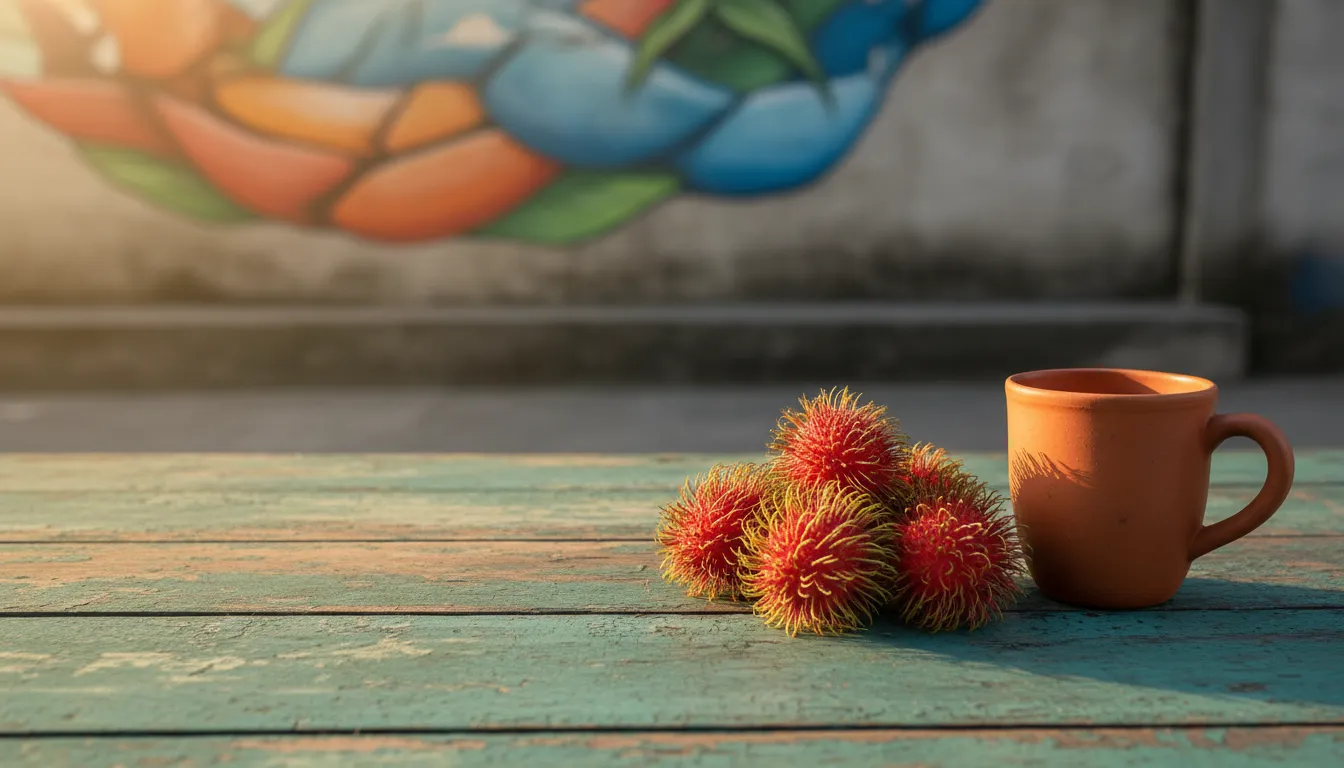
The weekly Jaco Farmers Market (Feria del Agricultor) is where your tastebud education really begins. Tuesdays and Fridays, this open-air market transforms a parking lot into a sensory overload of exotic fruits you can’t pronounce, homemade cheeses wrapped in banana leaves, empanadas hot off the griddle, and vegetables so fresh they’re practically still growing. Get there early—seriously, the locals snap up the best stuff before 9 AM. You’ll find rambutan, guanabana, cas, and maracuyá alongside familiar tropical suspects. The cheese vendors are particularly worth befriending; raw milk cheeses made that morning taste nothing like what you’re used to.
For the ultimate immersive experience, book a hands-on cooking class with a local Tica grandmother. These aren’t your corporate cooking school affairs—we’re talking about learning to make gallo pinto (the breakfast staple that appears at every meal) or ceviche in someone’s actual home kitchen, with techniques passed down through generations. You’ll discover why the beans must be cooked just so, why plantains at different ripeness stages serve different purposes, and probably get adopted into the family by the end of it. Best part? You eat your homework. From Jaco Beach Zen, the weekly market is an easy walk, and you can bring back fresh ingredients to experiment with in our fully-equipped kitchens—because nothing says vacation like cooking your own gallo pinto at 7 AM.
Artisan Alley: Discovering Jaco’s Creative Heartbeat and Hidden Gems
Jaco’s art scene exists in the spaces between surf shops and beach bars, and you’ve got to look for it. Skip the beachfront souvenir stalls peddling mass-produced “I ♥ Costa Rica” gear and seek out galleries showcasing actual Costa Rican artists. You’ll find painters working with natural dyes, sculptors transforming reclaimed materials into conversation pieces, and artisans preserving indigenous Boruca or Chorotega designs in contemporary forms. These pieces tell stories—about sustainability, cultural preservation, and what happens when tropical inspiration meets serious talent. They’re also airport-security-friendly sizes, unlike that coconut monkey you’re eyeing.
Jaco’s street art deserves its own walking tour. The town serves as canvas for local and visiting artists who use walls and buildings to comment on everything from environmental conservation to surf culture to Tico identity. The murals evolve with the community—what was there last year might be painted over with something new, creating a living art gallery that never charges admission. Some of the best pieces hide in unexpected places: down side streets, behind restaurants, on the walls of local businesses. It’s urban art with a beach town twist, and it photographs way better than another sunset selfie.
For families, digital nomads needing a creative break, or anyone wanting hands-on cultural immersion, artisan workshops offer the perfect afternoon activity. Pottery classes, painting sessions, jewelry-making workshops, or wood-carving tutorials let you create something uniquely yours while learning traditional techniques. Kids love the tactile engagement, digital nomads find it sparks creativity that translates back to their work, and everyone leaves with a souvenir that actually means something. Plus, there’s something deeply satisfying about making art in a place this visually inspiring—your creative output tends to level up when you’re not staring at gray office walls.
The Jaco Beat: Immersing Yourself in Local Sounds and Celebrations
If you want to feel Jaco’s pulse, you need to dance to it. Live salsa and cumbia nights happen regularly at local bars and community spaces, and they’re delightfully welcoming to newcomers with two left feet. Ticos are generous teachers—they’ll laugh with you (not at you, mostly) and patiently demonstrate steps until you’ve got the basic rhythm down. These aren’t performances for tourists; they’re genuine social events where locals gather to dance, socialize, and celebrate life. The music is loud, the energy is infectious, and your self-consciousness evaporates after the first song. Fair warning: you will sweat more than during any surf lesson.
Costa Rica’s civic festivals and religious holidays transform Jaco into a vibrant celebration that showcases Tico culture at its most colorful. Check the local calendar for events like the town’s patron saint festival, Independence Day (September 15th), or Christmas celebrations that feature parades, traditional music, street food, and activities for all ages. These are family-friendly, safe, and authentically Tico—meaning they’re not staged for tourists but genuinely celebrated by the community. You’ll see traditional costumes, hear marimba music, taste foods that rarely appear on restaurant menus, and witness the Pura Vida philosophy in full expression.
For a quieter cultural immersion, visit a local church or community center. Sunday morning services offer insight into the spiritual life that underpins much of Costa Rican culture, while community centers host everything from youth futbol leagues to senior citizen gatherings to folkloric dance practices. Respectful observation (dress modestly for churches, ask permission before photographing) provides glimpses into the social fabric that holds Jaco together beyond the tourism economy. It’s humbling, enlightening, and reminds you that this beach town is somebody’s actual home, not just your vacation backdrop.
Beyond the Beach: Eco-Cultural Immersion in Jaco’s Backyard
The rainforest surrounding Jaco isn’t just scenery—it’s a living classroom for indigenous knowledge and cultural storytelling. Book a guided nature walk with a local naturalist who can explain traditional plant uses: which leaf treats insect bites, which bark makes medicinal tea, which vine provides water in emergencies. Many guides weave in folklore and legends about the forest, stories passed down through generations that give spiritual and cultural context to the ecosystem. It’s ecotourism that actually teaches you something beyond species names, connecting natural history with human history in ways that stick with you.
Supporting local conservation efforts often means engaging with community-led initiatives that blend environmental protection with cultural preservation. Several organizations around Jaco involve local families in protecting nesting sea turtles, rehabilitating wildlife, or maintaining biological corridors. Participating in these programs—whether through volunteer work, educational tours, or financial support—connects you with people who view conservation as cultural responsibility, not just environmental duty. This is ecotourism with conscience, where your tourism dollars directly support both natural and cultural heritage.
For deeper rural immersion, venture to nearby towns like Puriscal or Mastatal, where Costa Rican life moves at a different pace entirely. These mountain communities offer coffee tours on working farms where multiple generations still pick beans by hand, farm-to-table experiences that redefine “local ingredients,” and homestay opportunities where you’re genuinely welcomed into family life. The cultural contrast with beach-town Jaco is striking and valuable—you’ll understand Costa Rica’s diversity beyond the coastal zone. From Jaco Beach Zen, it’s easy to arrange these excursions with secure transportation and trusted local operators who know which experiences are authentic and which are manufactured for tourists. Day trips work perfectly, but if you fall in love with the mountains (it happens), longer stays are simple to coordinate.
Frequently Asked Questions
Are cultural tours in Jaco suitable for families with young children?
Absolutely. Most cultural experiences in Jaco are inherently family-friendly since they’re part of daily Tico life, which revolves around family. Cooking classes, artisan workshops, and market visits engage kids through hands-on participation. Local festivals are safe, colorful, and full of activities designed for all ages. The food adventures are particularly great for kids—what child doesn’t love trying exotic fruits or helping make tortillas? Just manage expectations around attention spans during longer nature walks or gallery visits. Pro tip: kids often make instant friends with local children at markets and festivals, creating cross-cultural connections that adults overthink but children navigate naturally.
How can I find authentic, non-touristy cultural experiences in Jaco?
Ask locals, not hotel concierges. Chat with your Uber driver, the woman selling empanadas at the feria, the family running your favorite soda. They’ll point you toward events and places that don’t advertise to tourists. Follow community bulletin boards and local Facebook groups for upcoming festivals and gatherings. Choose experiences that serve locals first—if you’re the only foreigner there, you’re probably in the right place. Be willing to operate without perfect English; sometimes the best cultural adventures involve creative communication and Google Translate. And honestly? Get comfortable with spontaneity. The most memorable cultural moments usually aren’t the ones you booked three months in advance.
Is it safe to explore Jaco’s local markets and cultural events alone?
Yes, with standard travel common sense. Daytime exploration of markets, sodas, galleries, and community events is very safe. Jaco’s cultural venues are family spaces where locals bring their children and grandmothers. Keep valuables secure, stay aware of your surroundings, and you’ll be fine. Evening events like salsa nights or festivals are also safe, though stick to well-populated, well-lit areas. Solo travelers should feel comfortable attending cultural activities—Ticos are welcoming and you’ll often be adopted by friendly locals happy to explain traditions. If you’re nervous about navigating alone initially, join a small cultural tour the first time, then branch out independently once you’ve got your bearings.
What’s the best way to respectfully engage with local traditions and communities?
Approach with genuine curiosity rather than entitled tourism. Learn basic Spanish phrases—even terrible Spanish shows effort and earns smiles. Ask permission before photographing people, especially at religious or traditional events. Dress appropriately for churches and formal community gatherings. Don’t treat cultural experiences like theme park attractions; remember you’re engaging with people’s real lives and traditions. Support the local economy by purchasing from artisans directly, eating at family-run establishments, and hiring local guides. If invited to participate in traditions, accept graciously but follow local leads on how to behave. And perhaps most importantly: listen more than you talk. Costa Ricans have stories and wisdom to share if you’re actually paying attention.
Do I need to speak Spanish to enjoy Jaco’s cultural adventures?
It helps, but it’s not required. Many cultural experiences transcend language—food needs no translation, art speaks visually, music and dance communicate through rhythm. That said, basic Spanish phrases exponentially enhance your cultural immersion. You’ll have better conversations at markets, deeper connections during cooking classes, and access to experiences that don’t cater to English speakers. Download a translation app, learn essential phrases, and don’t be afraid to make mistakes. Ticos appreciate effort and will often help you learn, turning language barriers into opportunities for connection. Besides, fumbling through Spanish while shopping for vegetables is itself a cultural adventure—humbling, hilarious, and ultimately rewarding.
Are there any cultural experiences accessible for retirees or those with mobility concerns?
Definitely. Many cultural experiences are low-impact: cooking classes happen in seated settings, galleries and artisan shops are ground-level, sodas require minimal walking, and market browsing moves at your own pace. Some nature walks offer wheelchair-accessible trails, and cultural performances happen in accessible venues. When booking tours, communicate mobility needs upfront—reputable operators will adjust accordingly or suggest suitable alternatives. Jaco’s flat downtown area makes walking easy, and taxis are inexpensive for longer distances. The cultural scene actually favors retirees in many ways: it’s less physically demanding than adventure tourism, happens at a relaxed pace, and rewards the patient observation and genuine interest that retirees often bring to travel experiences.
Bahía Azul, unit 7C sits right on this stretch of sand — on the quiet south end of Jacó, a few hundred feet from the water.
Book on Airbnb