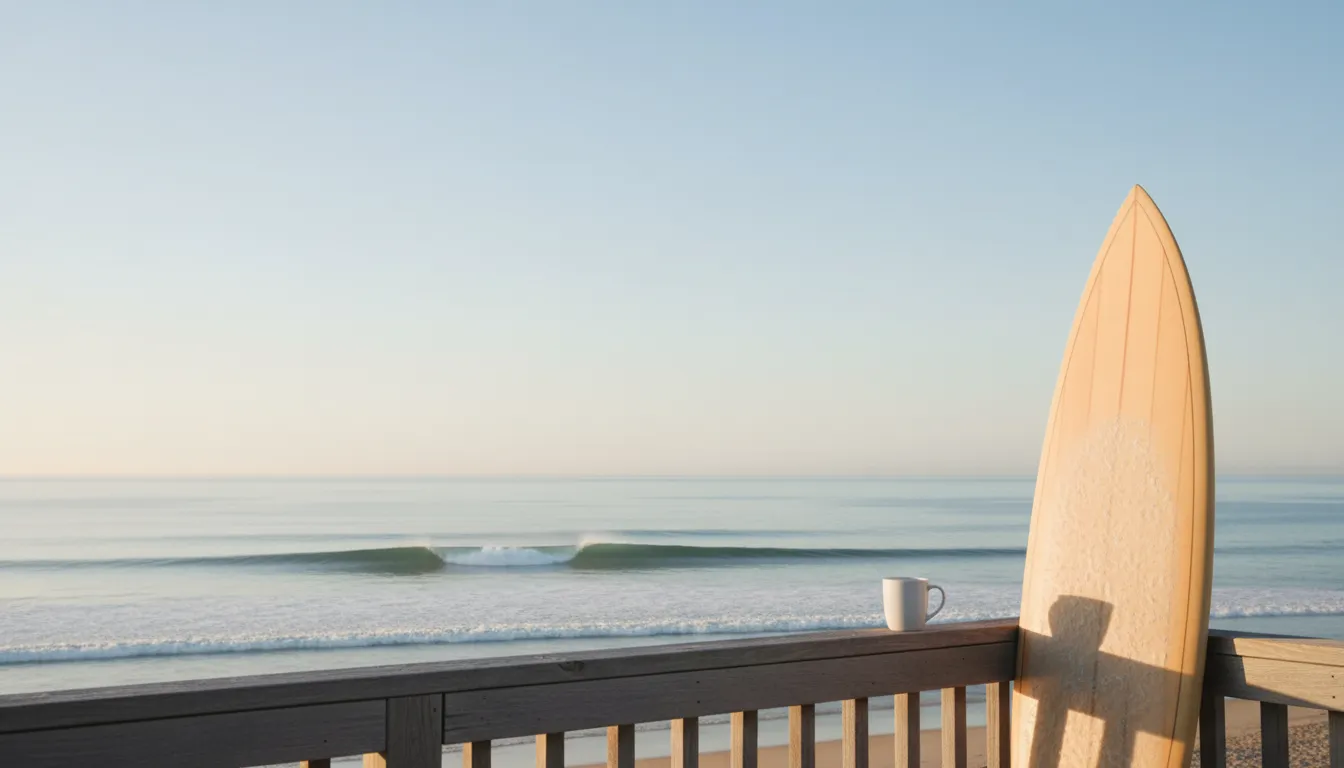
Staring at surf forecasts can feel like decoding ancient hieroglyphics—especially when you’re planning your Jaco surf session from a beachfront balcony with coffee in hand. Those colorful charts, mysterious swell periods, and contradictory tide predictions? They’re actually telling you exactly when to wax up and when to sleep in. Whether you’re a dawn patrol devotee or a midday wave hunter, understanding Jaco’s wave forecast means the difference between scoring epic barrels and paddling against closeouts. Let’s break down how to read the swell, time the tides, and make the most of Costa Rica’s most consistent surf zone.
Understanding Jaco’s Swell Windows
Jaco sits in a sweet spot that catches swells from multiple directions, making it remarkably consistent year-round. The primary swell window faces southwest, picking up Southern Hemisphere energy from storms near New Zealand and Antarctica between April and October. These long-period swells (14+ seconds) arrive with power and organization, creating those clean, lined-up sets that make Jaco famous.
During November through March, northwest swells from North Pacific storms dominate the forecast. While typically shorter period (8-12 seconds), these winter swells bring size and punch—especially during strong El Niño years. The beach’s orientation means it filters out the worst storm chop while catching enough energy to keep waves pumping.
What makes Jaco unique is its ability to handle mixed swells. When forecasts show both south and northwest energy, the beach’s multiple peaks sort out the confusion, offering rideable waves at different spots along the stretch. Check swell direction carefully—anything between 180° and 270° typically works well, with 210° being the magic angle that lights up the entire beach.
Decoding Swell Period and Wave Quality
Swell period—those numbers between 8 and 18 seconds on your forecast—tells you more about wave quality than swell height alone. Long-period swells (13+ seconds) travel faster, penetrate deeper, and arrive with more organized power. In Jaco, a 3-foot swell at 15 seconds delivers chest-high waves with clean faces and workable shoulders.
Short-period swells (under 10 seconds) typically create choppy, less organized conditions. That 5-foot forecast at 8 seconds? Expect messy shoulder-high waves that close out quickly. These wind swells form from nearby storms and lack the punch to create quality surf—though beginners often find them more forgiving.
The sweet spot for Jaco sits between 12-16 second periods. This range produces waves with enough push to generate speed but enough wall to practice maneuvers. When you see multiple swell trains in the forecast—say, a 4-foot swell at 14 seconds combined with a 2-foot swell at 9 seconds—the longer period determines wave quality while the shorter period fills in between sets.
Tide Timing for Different Skill Levels
Jaco’s tide swing averages 6-9 feet, dramatically transforming the beach throughout the day. Understanding how tide affects your chosen break makes the difference between a two-hour session and a twenty-minute paddle struggle. Most of Jaco’s main beach works best on incoming to mid-high tide, when sandbars activate and waves peel rather than dump.
Low tide exposes rocks at certain breaks and creates fast, hollow sections that challenge even experienced surfers. The northern end near surfing near herradura becomes extremely shallow, while the main beach middle section—where most surf schools operate—offers more forgiving shoulders.
High tide brings deeper water that softens wave power, making it ideal for longboarding and learning. However, spring tides (full and new moon phases) can push so much water that waves lose shape entirely, breaking far outside their normal zones. Check tide charts alongside swell forecasts: a 4-foot swell at dead high tide might barely break, while the same swell at mid-incoming creates perfect head-high walls.
For jaco surf lessons, instructors typically choose the two hours before high tide, when waves reform on inside sandbars with maximum forgiveness. Advanced surfers often prefer the outgoing tide’s first hour, when speed and power increase before banks dry out.
Best Surf Forecast Resources for Jaco
Surfline remains the gold standard for Jaco forecasting, offering HD cameras at multiple beach angles and detailed 16-day predictions. Their algorithms account for local bathymetry, making wave height estimates more accurate than generic forecasts. The premium subscription provides hourly breakdowns and wind predictions—worth it if you’re optimizing limited surf time.
MagicSeaweed provides excellent free forecasts with detailed swell component breakdowns. Their charts clearly show primary and secondary swells, helping you identify when mixed conditions will create rideable waves versus messy confusion. The community ratings feature lets you verify forecast accuracy against actual session reports.
Windguru excels at wind forecasting, crucial for Jaco’s afternoon conditions. Onshore winds typically build after 11 AM, turning clean morning glass into choppy afternoon slop. Windguru’s hourly wind speed and direction predictions help you time sessions before conditions deteriorate—especially important for jaco surf photography when you want clean backdrops.
Local knowledge still trumps algorithms. The staff at jaco surf equipment rental shops check conditions multiple times daily and often call out unexpected swells or sand shifts that forecasts miss. Chat with them before committing to a forecast-based plan.
Seasonal Swell Patterns and What to Expect
May through November delivers Jaco’s most consistent surf, with Southern Hemisphere swells arriving like clockwork every 3-5 days. Expect waist to head-high waves most days, with occasional overhead sets during strong south swells. This green season coincides with warmer water (80-84°F) and fewer crowds—though afternoon thunderstorms can interrupt sessions.
The transition months (April and December) bring variable conditions as swell patterns shift between hemispheres. Forecasts become less reliable, with unexpected flat spells or surprise groundswells. These months reward flexible surfers who can chase conditions rather than stick to rigid schedules.
December through March sees larger northwest swells but less consistency. You might score epic overhead days followed by three-day flat spells. Water temperature drops to 75-78°F, comfortable enough for boardshorts but some opt for springsuits during early morning sessions. This high season brings crowds, especially during Christmas and Easter weeks when [jaco beachfront vacation rental](/Jaco Area/jaco-beachfront-vacation-rental) properties fill up.
August typically delivers Jaco’s biggest waves, with south swells occasionally pushing into the overhead to double-overhead range. Advanced surfers target this month for powerful sessions, while beginners might find more manageable waves during the shoulder months.
Wind Patterns and Optimal Surf Times
Jaco’s wind pattern follows a predictable daily cycle that every surfer should memorize. Calm to light offshore winds dominate from dawn until approximately 10-11 AM, creating clean, glassy conditions. This morning window offers the day’s best surf quality—plan accordingly.
By noon, onshore sea breezes build as land heats up, creating choppy surface conditions that degrade wave quality. Wind speeds typically reach 10-15 knots by 2 PM, making afternoon sessions significantly less enjoyable than morning glass. During strong wind days, waves become nearly unsurfable by 3 PM.
Occasional offshore wind events occur during dry season cold fronts, when northerly land breezes groom waves into perfect form all day. These rare days—maybe 15-20 per year—produce Jaco’s best surf. When forecasts show sustained offshore winds, clear your schedule.
The surfing near playa hermosa area, just south of Jaco, sometimes holds cleaner conditions during onshore wind days due to slight geographic protection. If your Jaco forecast shows strong sea breezes, consider the short drive to Hermosa for better afternoon options.
Reading Multi-Day Forecasts for Trip Planning
When planning your Jaco surf trip, focus on 5-day forecasts for reasonable accuracy. Beyond that window, swell predictions become educated guesses—useful for general trip timing but not reliable for daily scheduling. Look for sustained swell patterns (multiple days of similar size/period) rather than single-day spikes that might disappoint.
Pay attention to swell arrival timing. A forecast showing “4-6 feet at 14 seconds arriving Friday evening” means Saturday morning delivers the goods, not Friday. Swells need 6-12 hours to fully fill in and organize after initial arrival.
Compare multiple forecast sources for consensus. When Surfline, MagicSeaweed, and Windguru all predict similar conditions, confidence increases. Divergent forecasts suggest uncertainty—pack flexibility into your plans.
For family friendly surfing in jaco, target forecasts showing 2-4 feet at 11-13 second periods with light winds. These conditions provide enough wave action for excitement without overwhelming beginners or creating dangerous situations for kids.
FAQ
What’s the most accurate surf forecast for Jaco Beach?
Surfline provides the most reliable Jaco forecasts, thanks to live cameras and algorithms calibrated for local conditions. Their premium service offers detailed hourly predictions and wind timing. For free alternatives, MagicSeaweed delivers solid accuracy with excellent swell component breakdowns. Cross-reference both sources for highest confidence, and always check Windguru for wind predictions that dramatically affect afternoon surf quality. Local surf shops provide real-time updates that often catch nuances digital forecasts miss.
What tide is best for surfing in Jaco?
Mid to high tide typically produces the best waves at Jaco’s main beach, especially for beginners and intermediates. The incoming tide activates sandbars and creates longer, more forgiving waves. Low tide exposes rocks and creates hollow, fast sections better suited for experienced surfers. Advanced riders often prefer the first hour of outgoing tide when waves have maximum power. Avoid dead high tide during spring moon phases—waves often lose shape entirely in the deep water.
When is surf season in Jaco, Costa Rica?
Jaco offers year-round surf, but May through November delivers peak consistency with Southern Hemisphere swells arriving every few days. These green season months provide waist to head-high waves most days with warm water and fewer crowds. December through March brings larger northwest swells but less consistency—expect great days mixed with flat spells. August typically sees the biggest waves of the year. Any month works for surfing; the question is whether you prefer consistent smaller waves or variable conditions with occasional big days.
How far in advance can I trust Jaco surf forecasts?
Five-day forecasts offer reasonable reliability for general trip planning. Beyond that, predictions become increasingly speculative—useful for rough timing but not for booking specific activities. Swell models excel at predicting organized groundswells but struggle with local wind swells and sudden atmospheric changes. For the most accurate picture, check forecasts 2-3 days before your session and adjust plans based on updated predictions. Always have backup plans for flat days, especially during transition months when swell patterns shift unpredictably between seasonal patterns.
Do I need a wetsuit for surfing in Jaco?
Jaco’s water temperature stays comfortable year-round at 75-84°F, making wetsuits optional for most surfers. During green season (May-November), boardshorts work perfectly as water reaches its warmest. December through March sees slightly cooler temperatures—some surfers prefer a thin springsuit for early morning sessions, but most stick with boardshorts. If you run cold or plan dawn patrol sessions during high season, pack a 2mm springsuit for comfort. The bigger concern is sun protection—rash guards prevent painful board rash and sunburn during long sessions.
What swell direction works best for Jaco?
South to southwest swells (180-225°) produce Jaco’s cleanest, most consistent waves. The beach’s orientation perfectly captures Southern Hemisphere energy arriving from this window. West-southwest swells (210-240°) also work well, lighting up multiple peaks along the beach. Northwest swells (270-310°) bring winter surf but can create messier conditions depending on exact angle. Anything outside the 180-310° range typically produces minimal surf. Check swell direction alongside size and period—a 3-foot swell from 210° delivers better waves than a 5-foot swell from 290°.
Bahía Azul, unit 7C sits right on this stretch of sand — on the quiet south end of Jacó, a few hundred feet from the water.
Book on Airbnb