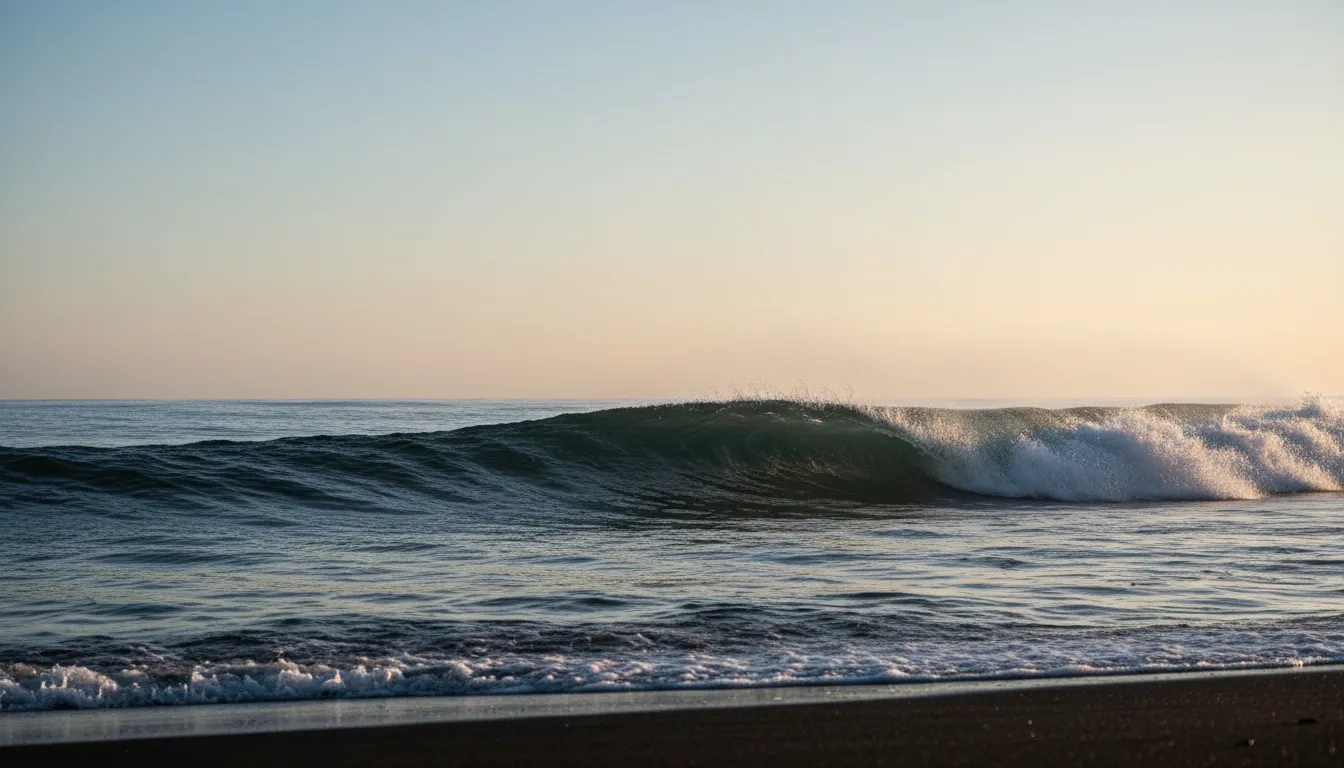
Decoding Jaco’s Waves: Your Insider’s Guide to Surfing Conditions, Forecasts & Finding the Perfect Swell
Let’s be honest: you didn’t book a trip to Jaco to stare at flat water and wonder what went wrong. You came for waves—consistent, warm, beginner-friendly-yet-still-challenging waves that don’t require a wetsuit or a PhD in oceanography to enjoy. The good news? You’re in the right place. Jaco’s beach break delivers year-round surf with a reliability that borders on dependable friend territory. But here’s the thing: not all sessions are created equal. Understanding our tides, winds, and swell directions transforms your surf trip from “we caught a few” to “we absolutely scored.” Whether you’re a first-timer paddling out or an intermediate surfer chasing clean faces, knowing how to read Jaco’s conditions means making every session count. Consider this your local intel—no fluff, just the good stuff that actually helps you find the perfect wave.
Jaco’s Consistent Cadence: Why Our Beach Break Delivers Year-Round
Some surf spots are temperamental divas that only perform under perfect conditions. Jaco? Not one of them. Our beach break is more like that reliable friend who always shows up—maybe not always in peak form, but ready to deliver a good time regardless. The secret lies in our geographic sweet spot on Costa Rica’s central Pacific coast, where we’re blessed with a consistent swell window that picks up south to southwest swells like clockwork throughout the year.
While other destinations experience frustrating flat spells that leave surfers doing land-based yoga and pretending they’re totally fine with it, Jaco maintains rideable waves most days of the year. This consistency stems from our exposure to consistent Southern Hemisphere swells during our “green season” (May-November) and reliable northwest swells during the drier months (December-April). The classic beach break shape means waves peel across multiple sandbars, creating different zones for different skill levels—all happening simultaneously along our stretch of sand.
What makes this particularly excellent for visitors is the predictability factor. You’re not gambling your entire surf vacation on a single swell window. Whether you’re here for a weekend or a month, you’ll find waves. They might be playful two-footers perfect for longboarding on Tuesday, then bump up to shoulder-high barrels by Thursday. That variety keeps beginners stoked and intermediates challenged, which is exactly the vibe we’re going for here in Jaco.
Timing is Everything: Navigating Jaco’s Tides (They’re Bigger Than You Think)
Here’s something that surprises first-time visitors: Costa Rica’s Pacific coast experiences significant tidal swings—we’re talking eight feet or more between high and low tide. That’s not a subtle shift; it’s a complete transformation of the beach break that can turn gentle rollers into powerful, punchy waves (or vice versa) within a few hours. Ignore the tides at your own peril, friends.
High tide typically brings softer, more forgiving waves with longer rides—perfect conditions for beginners finding their feet and longboarders carving graceful lines. The water depth over the sandbars creates a mellower wave face that’s less intimidating and more conducive to building confidence. Mid-to-low tide, however, is where things get interesting for intermediate surfers. As water drains off those sandbars, waves break faster, harder, and with more power. You’ll see more barrel sections and steeper drops, which is fantastic if you’re ready for it and slightly terrifying if you’re not.
The practical takeaway? Check the local tide charts before paddling out. You can grab printed versions at any surf shop in town, or use reliable apps that account for our specific coastal dynamics. Surfline and Windy both offer accurate tide predictions for Jaco. Don’t be that person who paddles out at the wrong tide for their skill level, then spends an hour getting worked by waves they weren’t prepared for. Smart surfers respect the tide, and the tide rewards them with better sessions. When you’re planning your surf trip, building your itinerary around optimal tide windows makes all the difference.
Wind Play: Unpacking Offshore vs. Onshore in Jaco
Wind direction might sound like meteorological minutiae, but it’s actually the difference between epic Instagram-worthy barrels and choppy slop that looks better from shore than it surfs. In Jaco, offshore winds—those blowing from land toward the ocean, typically from the east-northeast—are the holy grail. They groom the wave face, holding it up and creating that clean, glassy surface that makes for smooth rides and memorable sessions.
Offshore conditions typically occur in early mornings before the sun heats the land and creates thermal winds. That magical dawn patrol window, roughly between 5:30 and 8:00 a.m., often delivers the cleanest conditions of the day. You’ll see local surfers and savvy visitors hitting the water early, chasing those groomed faces before the onshore afternoon breeze kicks in.
Onshore winds—blowing from ocean to land—are less ideal, creating choppier, bumpier wave faces that can feel messy and difficult to read. But here’s the Jaco advantage: even on onshore days, our beach often has protected corners or sections where the wind impact is minimized. Plus, not every onshore session is terrible. Sometimes you’ll find perfectly rideable waves despite less-than-perfect wind, especially if the underlying swell is solid. Checking wind forecasts on WindGuru or Windy helps you plan your best sessions and avoid the frustration of paddling out during the worst conditions. When in doubt, go early—it’s rarely the wrong call in Jaco.
Decoding the Swell: What Direction is Best for Jaco?
Not all swells are created equal, and understanding which direction delivers the goods for Jaco’s particular coastline helps you anticipate conditions and maximize your time in the water. Our beach break absolutely loves south to southwest swells—these are our bread and butter, the swells that light up the sandbars and create those well-formed, peeling waves that make surf photographers drool.
South-southwest swells hit our coastline at an ideal angle, wrapping into the beach and creating organized wave sets across multiple peaks. These swells typically arrive with good energy during our green season (May-November) when Southern Hemisphere storms send consistent pulses our way. You’ll see surf forecasts mentioning swell direction in degrees—anything between 180° (due south) and 225° (southwest) tends to produce excellent conditions in Jaco.
Northwest swells can still filter in, particularly during December through April, but they tend to be less direct for our particular stretch of coastline. They often result in smaller, less organized surf compared to the southern counterparts. That doesn’t mean northwest swells are worthless—they can still produce fun sessions, especially when combined with favorable winds and tides. Understanding these nuances helps you read surf forecasts more effectively and choose the best local surf spots based on current swell direction.
Beyond the Beach Break: When Jaco Gets Interesting
While Jaco Beach’s main break delivers consistent, accessible waves perfect for most surfers, bigger swells reveal hidden personalities along our coastline. Certain sections of the beach that look ordinary during small swells suddenly wake up when substantial south swells arrive, offering more challenging waves with less crowd pressure for experienced surfers willing to walk a bit.
These “secret” spots aren’t exactly classified information—locals know them well—but they require specific conditions to work properly. During larger swells, explore different sections of the beach to find peaks that suit your skill level and desired challenge. Some corners offer more protection from wind, others have sandbars that create faster, more powerful sections.
And here’s where Jaco’s location really shines: we’re perfectly positioned as a base camp for exploring nearby spots when conditions warrant. Playa Hermosa, just ten minutes south, is famous for powerful, hollow waves that attract advanced surfers when significant swells arrive. Having accommodation close to Jaco’s main break but within easy driving distance of Hermosa means you can vary your surf adventures based on conditions and confidence level. Our place sits just five minutes from the main break, making it ridiculously easy to check conditions, grab your board, and be in the water before your coffee gets cold—or make that quick drive south when the swell pumps and you’re ready for something more intense.
Your Daily Surf Forecast Toolkit: Apps, Cams & Local Intel
Modern technology has transformed surf forecasting from vague guesswork into reasonably accurate science, giving you unprecedented ability to plan sessions and maximize your time. MagicSeaweed, Surfline, and WindGuru are the holy trinity of surf forecast tools, each offering swell height predictions, swell period (which indicates wave quality), wind forecasts, and tide charts—basically everything you need to make informed decisions.
Here’s the insider approach: cross-reference multiple sources rather than trusting a single forecast blindly. Sometimes MagicSeaweed shows one scenario while Surfline suggests another; the truth often lives somewhere between them. More importantly, use forecasts as guides rather than gospel. Nothing replaces actually looking at the ocean with your own eyes. Conditions can differ from predictions, and local variables—sandbars shifting, unusual currents, micro-wind patterns—affect real-world surf in ways algorithms don’t always capture.
Surfline maintains a cam for Playa Jaco (sometimes requiring premium membership, but worth considering if you’re serious about scoring the best conditions). Being able to see current conditions in real-time before you leave your accommodation is genuinely valuable, especially for optimizing that early morning session window. And speaking of accommodation advantages, checking forecasts from the comfort of your rental with reliable Wi-Fi over morning coffee—rather than scrambling on your phone from the beach parking lot—is a quality-of-life upgrade that shouldn’t be underestimated.
But here’s the real secret weapon: local knowledge from surf shops and beach locals who’ve been reading these waves for years. They possess nuanced understanding that no app replicates—which sandbars are working this week, where the rip currents are running, which tide window is firing for your skill level. Stop by a shop, ask questions, be friendly, and you’ll gain insights worth more than any premium forecast subscription. Many visitors staying at surf camps in Jaco benefit from this built-in local knowledge as part of their experience.
Frequently Asked Questions
What’s the absolute best time of year to surf in Jaco for consistent waves?
May through November—our green season—typically delivers the most consistent surf thanks to regular Southern Hemisphere swells. That said, Jaco offers rideable waves year-round, so there’s no genuinely “bad” season here. December through April brings drier weather with slightly less consistent but still frequent surf, plus cleaner offshore winds on many mornings. The best time ultimately depends on whether you prioritize maximum swell consistency or prefer drier weather with fewer afternoon rain showers.
How do the significant tide changes in Jaco affect wave quality throughout the day?
Jaco’s substantial tidal range (often 8+ feet) dramatically transforms wave character. High tide creates softer, more forgiving waves ideal for beginners and longboarding, while mid-to-low tide produces faster, more powerful waves with steeper faces and occasional barrel sections. Most intermediate surfers prefer the mid-tide window when waves have enough punch to be exciting without becoming overwhelming. Check tide charts daily and plan sessions around the tide that matches your skill level and desired challenge.
Are there any specific apps or websites Jaco locals swear by for accurate surf forecasts?
MagicSeaweed, Surfline, and WindGuru form the core toolkit for most Jaco surfers. Each has strengths: MagicSeaweed excels at swell forecasting, Surfline offers the live cam plus detailed reports, and WindGuru provides exceptional wind predictions. Smart locals cross-reference all three rather than trusting just one. Windy is also excellent for detailed wind and weather patterns. Ultimately, these tools work best when combined with actually observing conditions and talking to local surf shop staff.
Can beginners find good waves in Jaco all year, or are certain seasons better?
Beginners will find suitable waves in Jaco throughout the entire year—that’s one of our beach’s greatest strengths. The key is surfing during favorable tide windows (typically high tide for maximum forgiveness) and choosing appropriate sections of the beach. Some days offer gentler conditions than others, but Jaco rarely gets so big that beginners are completely shut out. Surf schools and camps operate year-round precisely because consistent beginner-friendly waves are reliably available.
What are the safest conditions for surfing in Jaco, especially for families with kids?
Safest conditions combine small-to-medium swells (waist to chest high), high tide for softer waves, and light offshore or calm winds. Early mornings typically offer the cleanest, most manageable conditions with fewer people in the water. Always surf near a lifeguard station, avoid rip currents (look for calmer channels between breaking waves), and ensure kids stay in designated swimming areas if they’re not actively surfing with supervision. When in doubt, ask local surf instructors about current conditions.
How far in advance should I check the surf forecast when planning a trip to Jaco?
Surf forecasts become reasonably accurate about 5-7 days out, though longer-range predictions (10-14 days) can indicate general swell patterns worth monitoring. For trip planning, check forecasts a week before arrival to get a sense of what’s coming, but don’t obsess over specific details until you’re 3-4 days out. Conditions can shift, so maintain flexibility in your daily plans. Once you’re here, check forecasts and cams each morning to optimize your session timing throughout the day.
Bahía Azul, unit 7C sits right on this stretch of sand — on the quiet south end of Jacó, a few hundred feet from the water.
Book on Airbnb