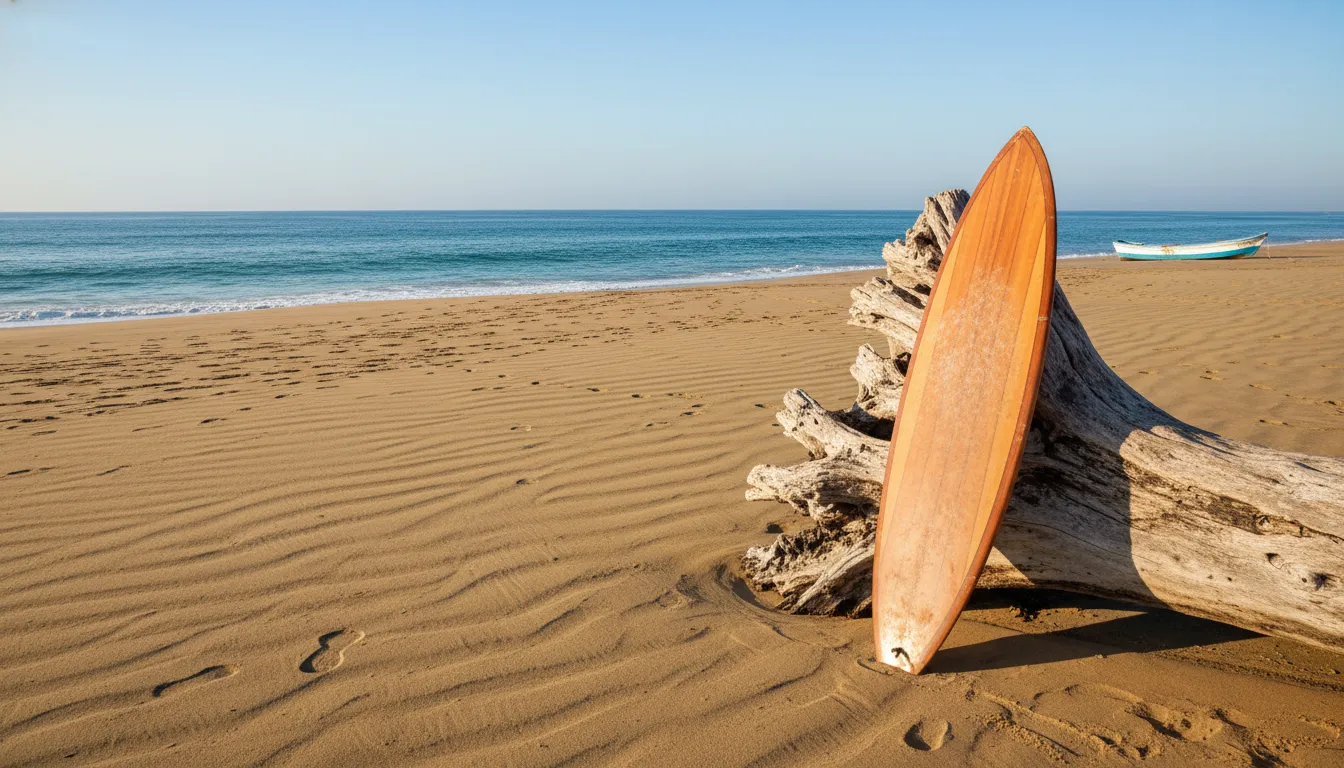
From Sleepy Village to Surf Mecca: The Unwritten History of Jaco Beach Surfing
Let me tell you something most surf guides won’t: Jaco wasn’t always the wave-riding paradise you see today. Before the boards, the surf shops, and the international competitions, this stretch of Pacific coastline was so quiet you could hear pumas prowling the sand. No, seriously—actual pumas. Fast forward a few decades, and you’ve got one of Central America’s most consistent surf destinations, where [families paddle out alongside seasoned shredders](https://jacobeachzen.com/Family-Friendly Activities/family-surf-lessons-in-jaco) and the only wildlife you’ll spot are pelicans divebombing for breakfast. So how did a sleepy fishing village transform into Costa Rica’s unofficial surf capital? The answer involves adventurous outsiders, dirt roads that’d make your rental car weep, and a handful of locals who saw something special in those endless Pacific swells. Buckle up—this is Jaco’s surf story, the one that doesn’t make it into the glossy brochures.
Before the Boards: Jaco’s Pre-Surf Era (More ‘Pura Vida’ than ‘Pura Surf’)
Picture Jaco in the 1950s and early 60s: vast stretches of untouched coastline where the biggest ‘swell’ was likely a passing fishing boat returning with the day’s catch. The town—if you could even call it that—consisted of a handful of families whose lives revolved around fishing, farming, and navigating the jungle that pressed right up against the beach. The ocean was a source of livelihood, not recreation. Surfing? That was something happening in California and Hawaii, not rural Costa Rica.
Local elders still recall tales that sound almost mythical today. Pumas roaming the beach at dawn. Scarlet macaws so abundant they’d darken the sky. A coastline so undeveloped that you could walk for hours without seeing another soul. The jungle was thick, the infrastructure nonexistent, and the idea of riding waves for fun would’ve seemed absurd to families focused on survival. This wasn’t a destination—it was home to maybe a few hundred people who valued isolation over tourism.
The irony? Those same qualities that made pre-surf Jaco so remote—the difficult access, the untamed coastline, the raw Pacific energy—are exactly what would later attract the pioneers. But in those early days, Jaco’s waves broke unridden, witnessed only by fishermen who respected the ocean’s power but never considered playing in it. The transformation was coming, but Jaco wasn’t in any hurry.
The First Swell: How Outsiders Discovered Jaco’s Waves (and then told a few friends)
The global surf boom of the 1960s and 70s sent wave-hungry explorers fanning out across the planet, searching for uncrowded breaks and warm water. Costa Rica landed on the radar, but here’s the surprising part: Jaco wasn’t the first stop. Early surf explorers initially gravitated toward spots like Pavones and Tamarindo in the north. Jaco was that place you’d hear whispered about in beach parking lots—“consistent beach break, good for learners, not too far from San José if you survive the drive.”
The first surfers to paddle out at Jaco in the early 1970s were a motley mix: adventurous gringos following rumors of year-round waves, and a handful of curious Ticos who’d seen surfing in magazines or during trips to the coast. These weren’t professionals with sponsors—they were DIY adventurers carrying beat-up boards on buses or strapped to Land Rovers. The initial crew was tight-knit by necessity. With maybe a dozen regular surfers sharing the entire beach, you got to know everyone fast.
And getting there? Forget the paved highway that exists today. The journey from San José involved hours on rutted dirt roads that turned to mud soup during rainy season. Some pioneers actually arrived by boat, sailing down from Puntarenas because the overland route was that gnarly. This isolation had a silver lining though—it kept the crowds away and preserved that frontier feeling. If you made the effort to reach Jaco, you were rewarded with empty lineups and waves that broke with mechanical consistency, swell after swell.
By the mid-70s, word was spreading. Not viral-internet spreading, but the slow-burn kind where surfers would return to California or Europe and quietly mention this spot in Costa Rica where the waves were reliable and the vibe was pure. The secret was getting out, one conversation at a time.
The Evolution of a Surf Town: Jaco’s Rise to Renown (It wasn’t an overnight sensation)
Jaco’s transformation from hidden gem to established surf destination happened gradually through the late 70s and 80s. The town’s secret weapon? Geography. Jaco’s unique bay position allows it to absorb swells from multiple directions—southwest, west, and northwest—meaning rideable waves even on smaller days when other spots go flat. This consistency became legendary among traveling surfers who couldn’t afford to waste precious vacation days waiting for swells.
Infrastructure evolved to match demand, but slowly. The first basic accommodations appeared—nothing fancy, more like rooms with beds and maybe running water. Local entrepreneurs opened Costa Rica’s first dedicated surf shops, offering board rentals and wax to visitors who couldn’t haul their quivers through jungle roads. By the mid-80s, you could actually stay in Jaco for a week-long surf trip without camping on the beach. Revolutionary stuff.
What really cemented Jaco’s reputation was the emergence of local talent. Kids who’d grown up fishing started borrowing boards and teaching themselves to surf. These weren’t transplants—these were Ticos with an innate understanding of the ocean, now channeling that knowledge into wave-riding. Watching a local 12-year-old casually style through sections that visiting surfers struggled with became a common sight. The sport was taking root culturally, not just economically.
Today’s Jaco builds on this foundation while offering modern comforts unimaginable to those early pioneers. Properties like Jaco Beach Zen represent this evolution—providing contemporary accommodations with the ocean access that made the town famous, proving you don’t have to sacrifice comfort for waves anymore. The dirt roads are paved, the surf shops are world-class, but that consistent swell? Still breaking, day after day, just like it did when the first surfers paddled out fifty years ago.
Surf Breaks & Local Lore: The Spots That Shaped Jaco’s History (And still do)
Jaco Beach itself—the main stretch fronting the town—deserves its reputation as the perfect learning ground. The sand-bottomed beach break offers forgiving waves that reform multiple times, creating ideal conditions for first-timers finding their feet. Longboarders still flock here for mellow, stylish sessions, continuing a tradition that stretches back to those early days when equipment choices were limited and everyone rode whatever board they could get their hands on.
But mention surfing around Jaco to any local, and the conversation inevitably turns to Playa Hermosa, just south of town. This is where things get serious. Hermosa’s heavier, hollower waves have hosted international competitions and forged the reputation of countless Central American surf champions. The contrast between Jaco’s friendly beach break and Hermosa’s powerful barrels perfectly illustrates the area’s range—you can literally progress from beginner to advanced without leaving the neighborhood.
Each break has accumulated its own lore and local nicknames over the decades. Veterans still reference spots by names that never made it onto official maps—points and reefs known only through oral tradition and hand-drawn maps passed between surfers. “J-Bay” became local shorthand for certain sections of Jaco Beach during specific tidal conditions, a nod to South Africa’s famous right-hander even though the waves bear little resemblance. These terms represent something deeper than geography—they’re linguistic markers of a culture built around reading swells and sharing stoke.
What makes Jaco’s collection of breaks historically significant isn’t just variety—it’s accessibility from a single home base. Early surf travelers could base themselves in Jaco and explore everything from mellow longboard waves to challenging reef breaks within minutes. Staying somewhere like Jaco Beach Zen continues this tradition, putting you close enough to walk downtown but still positioned to hear those waves that first attracted pioneers half a century ago. The breaks haven’t changed much; our ability to access them comfortably certainly has.
Jaco’s Surf Culture: More Than Just Waves, It’s a Way of Life (and a pretty good one at that)
Somewhere along the way, Jaco’s surf scene absorbed Costa Rica’s ‘Pura Vida’ philosophy and created something unique—a culture that’s simultaneously laid-back and intensely passionate about the ocean. This isn’t the aggressive territorialism you find at some famous breaks. The vibe here leans welcoming, probably because Jaco’s early days required cooperation just to survive the journey, let alone surf the waves.
Annual traditions emerged organically. Local surf contests that started as informal gatherings between friends evolved into community events where generations connect. You’ll see grizzled pioneers who paddled out here in the 70s coaching kids who represent Jaco’s next chapter. Knowledge passes down not through formal lessons but through shared sessions, older surfers casually dropping wisdom about reading the break or timing the sets. It’s mentorship disguised as hanging out.
This culture now welcomes everyone the early pioneers represented: families learning together in the whitewater, adventure seekers pushing their limits at Hermosa, and increasingly, digital nomads who’ve discovered they can answer emails between sessions. The laptop-and-longboard lifestyle fits perfectly with Jaco’s evolution—modern infrastructure supporting an ageless pursuit. Remote workers find their ‘office’ is a beachfront setup where the biggest decision is whether to surf before or after the morning Zoom call.
What hasn’t changed is the central truth that attracted those first wave-riders: the ocean here is reliable, welcoming, and endlessly entertaining. Whether you’re a family trying surfing for the first time or a seasoned traveler chasing that perfect session, Jaco’s surf culture makes space for you. It’s a way of life that values ocean time over everything else, measures wealth in waves ridden rather than money earned, and believes that the best view comes with saltwater in your hair. Pura Vida, indeed.
Frequently Asked Questions About Jaco’s Surfing History
When were the first surfboards reported in Jaco, Costa Rica?
The earliest reliable accounts of surfing in Jaco date to the early 1970s, around 1971-1973, when adventurous travelers and a handful of locals began riding waves regularly. Before this, isolated surfers may have passed through, but consistent surfing culture didn’t establish itself until this period. The timing coincides with the broader Central American surf exploration boom, when wave-hungry travelers started venturing beyond established spots in search of uncrowded breaks. Jaco’s accessibility from San José—relative to other coastal areas—made it an obvious candidate once word spread about the consistent swells.
Who are considered the ‘pioneers’ of surfing in Jaco Beach?
Jaco’s surf pioneers were a mix of foreign explorers and local Ticos whose names often went unrecorded in official histories. Early foreign surfers included American and European travelers following the hippie trail through Central America. On the local side, fishermen’s sons who borrowed boards and taught themselves represent the true pioneers—kids like those from the original Jaco families who built the town’s first surf culture from scratch. Unfortunately, many pioneers remain anonymous because early surf culture here valued riding waves over documenting them. Their legacy lives in the welcoming vibe and consistent stoke that still defines Jaco’s lineup today.
How did Jaco’s primary surf breaks get their names?
Most break names evolved organically through local use rather than official designation. “Jaco Beach” simply refers to the main town beach break, while “Playa Hermosa” (Beautiful Beach) likely predates surfing entirely, named for the stunning coastline. Smaller spots earned nicknames through surfer slang—terms like “J-Bay” emerged from locals comparing sections to famous international breaks during specific conditions. Reef and point breaks often went by descriptive names that never made it onto maps, known only to those who surfed them regularly. This oral tradition of naming reflects how Jaco’s surf culture developed informally, shaped by those who showed up and rode waves rather than tourism boards or marketing departments.
What was Jaco’s main economic activity before surfing became popular?
Before the surf boom, Jaco’s economy centered on fishing and subsistence farming, with a small population living relatively isolated from Costa Rica’s main urban centers. Families fished the Pacific waters for local consumption and small-scale commercial sale, while growing crops in clearings carved from the surrounding jungle. The ocean represented livelihood, not recreation—something to respect and harvest rather than play in. Tourism was virtually nonexistent, and the few visitors were more likely researchers or accidental travelers than intentional tourists. This fishing heritage still influences local culture, visible in the respect for ocean conditions and understanding of Pacific rhythms that characterizes Jaco’s surf community even today.
Has Jaco Beach ever hosted major international surf competitions, and when?
While Jaco Beach itself has hosted regional contests, the nearby Playa Hermosa became the primary venue for major international competitions, including stops on professional tours starting in the 1990s and continuing into the 2000s. Hermosa’s more powerful, hollow waves proved better suited for high-performance competitive surfing than Jaco’s friendlier beach break. These events brought international attention to the area and helped establish Costa Rica’s reputation as a serious surf destination. The competitions also provided opportunities for local talent to compete against international professionals, accelerating the development of Costa Rican surfing as a whole and cementing the Jaco area’s status as a legitimate surf hub.
What’s the best time of year to experience Jaco’s historical-style surf conditions?
For conditions most similar to what early pioneers experienced—consistent, uncrowded waves—visit during the rainy season months of May through November, particularly during weekdays. The southwest swells that arrive during this period create the reliable, fun waves that first attracted surfers to Jaco. Early mornings offer the lightest crowds and glassiest conditions, echoing that frontier feeling when maybe a dozen surfers shared the entire beach. Dry season (December-April) brings more tourists and northwest swells, still surfable but busier. That said, Jaco’s year-round consistency means you’re rarely skunked—the same geographic advantages that worked fifty years ago still deliver waves today, regardless of season.
Are there still undeveloped surf spots near Jaco like in the early days?
While Jaco itself has developed significantly, the surrounding coastline still offers relatively undeveloped surf spots accessible to those willing to explore. Heading further south beyond Hermosa reveals stretches of coast where infrastructure remains minimal and crowds sparse, particularly during weekdays. Some reef and point breaks require local knowledge or boat access, maintaining that adventurous quality from earlier eras. The difference now is you can base yourself in developed Jaco with modern amenities, then venture out to wilder spots, rather than camping in the jungle like pioneers did. This combination of comfort and adventure represents perhaps the best evolution—easier access to that frontier feeling without actually requiring frontier hardships.
How did the road infrastructure impact the growth of surfing in Jaco?
The paving of the coastal highway from San José to Jaco in the 1980s and 90s was perhaps the single most transformative factor in the town’s surf development. What had been a grueling hours-long ordeal on muddy tracks became a manageable two-hour drive, opening Jaco to weekend warriors and short-term visitors who couldn’t commit to multi-day expeditions. This accessibility explosion brought exponentially more surfers, which drove development of surf shops, schools, and accommodations. While some pioneers lamented losing the isolation, improved roads democratized access—families could now learn to surf here, not just hardcore adventurers. The infrastructure made Jaco Costa Rica’s most accessible quality surf town, cementing its evolution from hidden gem to established destination while maintaining the wave quality that started it all.
Bahía Azul, unit 7C sits right on this stretch of sand — on the quiet south end of Jacó, a few hundred feet from the water.
Book on Airbnb