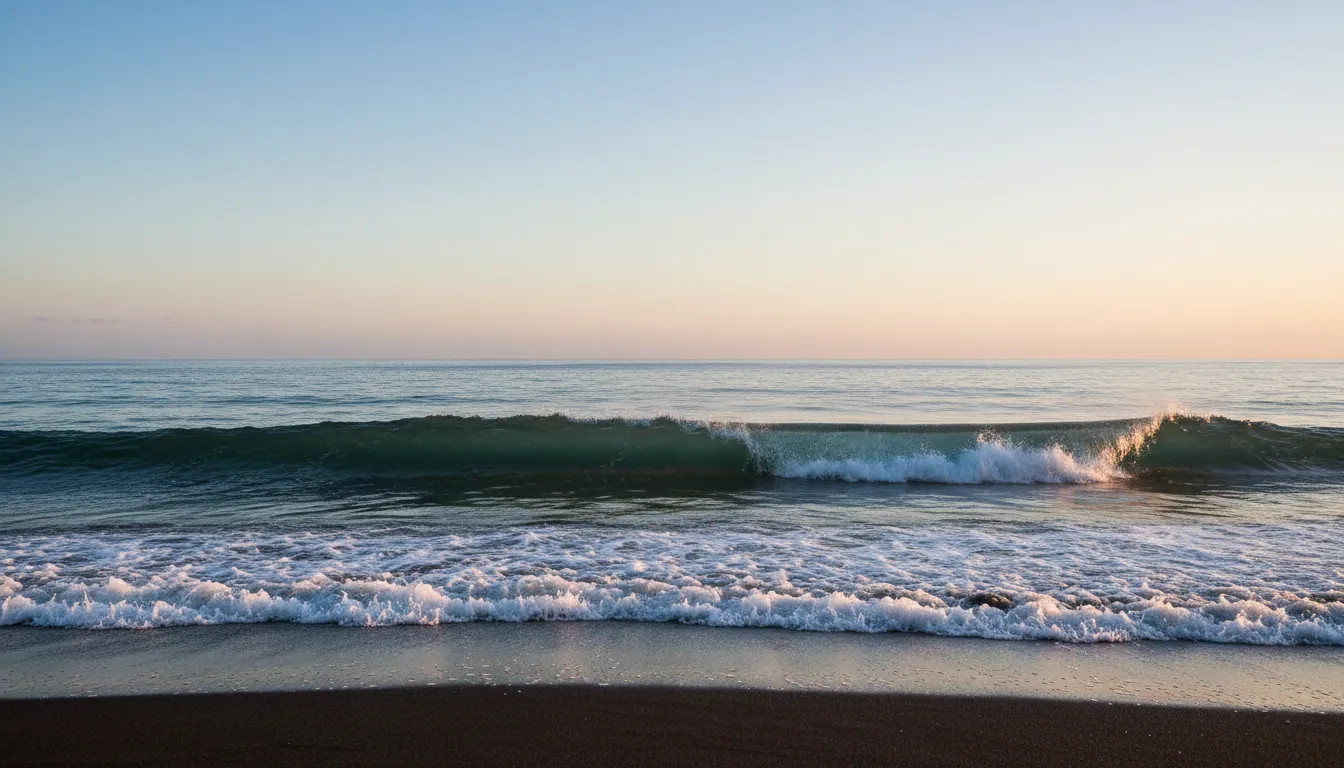
Jaco’s surf breaks stay consistent year-round, but the vibe shifts dramatically between seasons. May through November brings overhead swells and warm rain showers that clear as fast as they roll in. December through April delivers smaller, cleaner waves under cloudless skies—perfect if you’re still figuring out your pop-up timing. The locals know which months bring which conditions, and after a few years of watching the patterns, so do we. Here’s your month-by-month breakdown so you can plan around the swells that match your skill level, whether you’re paddling out for the first time or hunting barrels at Hermosa.
Understanding Jaco’s Two Surf Seasons
Jaco sits in a sweet spot where Pacific swells arrive year-round, but the rainy season (May-November) and dry season (December-April) create distinct surfing personalities. During the rainy season, powerful southwest swells pump overhead waves into breaks like Hermosa and Playa Jaco, driven by Southern Hemisphere storms. Afternoons often see brief downpours, but mornings typically stay clear enough for solid sessions. Water temps hover around 82°F, and the humidity makes your rashguard feel optional.
The dry season flips the script with smaller, more manageable northwest swells. Waves rarely exceed shoulder-high at most breaks, making this prime time for beginners and intermediate surfers who want clean faces without the intimidation factor. Winds stay lighter in the mornings, and you’ll get glassy conditions if you’re in the water by 7 AM. By January, the town fills with North American visitors escaping winter, so expect more crowded lineups at the main beach breaks. The tradeoff? Consistent, user-friendly waves under sunshine that doesn’t quit.
Monthly Breakdown: What to Expect in the Water
January-February: Clean Faces, Smaller Swells
January and February bring the calmest surf conditions of the year. Expect waist-to-chest-high waves at Jaco Beach, occasionally pushing shoulder-high on bigger sets. Hermosa gets slightly larger, sometimes hitting overhead on solid northwest swells, but the power stays manageable. These months attract intermediate surfers who want to refine their technique on forgiving waves. The mornings offer the best conditions—offshore winds and glassy surfaces before the afternoon sea breeze kicks in around 11 AM.
Water visibility improves during these months, and you’ll spot more marine life near the rocks at the south end of Jaco Beach. The consistent conditions make this an ideal time for surf lessons if you’re bringing family members who’ve never stood on a board. Just know that the main breaks get crowded by mid-morning, especially on weekends when Ticos drive in from San José.
March-April: Building Energy, Perfect Transitions
March marks the transition toward rainy season energy. Swells start picking up size, occasionally hitting chest-to-head-high at Hermosa, while Jaco Beach stays in the waist-to-shoulder range. You’ll notice the wind patterns shifting—mornings still offer clean conditions, but afternoons can get choppy as thermal winds increase. These months give you a taste of the power that’s coming while maintaining the accessibility of dry season waves.
April heats up both temperature-wise and swell-wise. The first significant swells from the Southern Hemisphere begin arriving, and experienced surfers start migrating to Hermosa for bigger, hollower waves. Beginners should stick to Jaco Beach’s center breaks, where sandbars create mellower rides. The tourist crowds start thinning by late April, giving you more breathing room in the lineup before the rainy season shift fully kicks in.
May-June: Rainy Season Arrives, Swells Increase
May brings the first real rain and the first real power. Swells jump to chest-to-overhead at Jaco Beach, while Hermosa can hit well overhead on bigger days. The rain typically arrives in afternoon bursts—you’ll surf clean mornings, grab lunch, then watch the sky open up for an hour before clearing. Water temps stay warm, and the rain actually feels refreshing after a session in humid air.
June continues the pattern with slightly more consistent swell. This is when intermediate surfers need to honestly assess their comfort level—Hermosa starts getting serious, and even Jaco Beach’s outside breaks demand stronger paddling and wave-reading skills. If you’re advancing beyond beginner status, these months offer perfect conditions to level up with local surf instructors who know which breaks match your progression.
July-August: Peak Swell Season Hits
July and August deliver Jaco’s most powerful surf. Swells consistently hit overhead-to-double-overhead at Hermosa, driven by strong Southern Hemisphere storms. Playa Jaco sees chest-to-head-high waves at the main breaks, with occasional overhead sets on bigger days. These are the months when experienced surfers live for—hollow barrels, fast walls, and the kind of waves that remind you why you started surfing in the first place.
Beginners shouldn’t be discouraged, though. The inside breaks at Jaco Beach still offer waist-to-chest waves on most days, and surf schools adjust their lesson locations based on daily conditions. Mornings provide your best window—dawn patrol typically scores glassy faces before winds pick up around 9 AM. Rain showers increase in frequency but rarely last more than an hour, and the afternoon sessions can be surprisingly clean if you time it between weather systems.
September-October: Consistent Power, Fewer Crowds
September and October maintain the swell energy from mid-rainy season while seeing fewer surfers in the water. Tourist numbers drop, and the lineups at both Jaco Beach and Hermosa thin out considerably. You’ll still get overhead waves at Hermosa and chest-to-head-high surf at Jaco Beach, but with more wave selection and less jockeying for position.
These months see increased rainfall—expect afternoon thunderstorms more regularly, and occasional all-day systems that roll through. The upside? Empty waves when systems clear. Local surfers know to watch the radar and paddle out during breaks in the weather. Water temps stay consistently warm, and the jungle greenery reaches peak lushness from all the rain, making the paddle-out view even more striking.
November-December: Transitioning Back to Dry Season
November straddles both seasons. Early November still catches southern swells producing chest-to-overhead waves, while late November shifts toward smaller northwest swells as the dry season approaches. Rain decreases noticeably by mid-month, and you’ll start seeing more sunny mornings without the afternoon storm pattern.
December completes the transition with smaller, cleaner waves perfect for the incoming tourist season. Swells drop to waist-to-shoulder range at Jaco Beach, occasionally chest-high at Hermosa. The consistent, manageable conditions make this prime time for visitors who want guaranteed rideable waves without the intimidation of rainy season power. Crowds pick up significantly after Christmas as vacation season hits full swing.
Swell Direction and How It Affects Your Session
Jaco’s coastline faces southwest, making it a magnet for southern swells during May through November. These swells approach with more power and create the hollow, fast-breaking waves that Hermosa is known for. The angle also means Jaco Beach’s main break gets well-organized sets with clean shoulders for carving.
Northwest swells dominate December through April, approaching from a different angle that generally produces less powerful waves. The tradeoff comes in consistency—northwest swells tend to arrive in more predictable intervals with cleaner faces. Understanding swell direction helps you pick the right break for conditions. On big southern swells, Hermosa gets the full force while Jaco Beach’s north end offers slightly more protected options for intermediate surfers.
Tides and Timing Your Sessions
Jaco’s breaks respond differently to tidal movement. Playa Jaco works best from mid to high tide when sandbars create defined peaks and waves don’t close out as frequently. Low tide exposes rocks at the south end and makes the shore break dangerously shallow for beginners.
Hermosa handles all tides but really fires at mid-tide when the beach break’s power concentrates into clean, hollow waves. High tide at Hermosa can get mushy, while low tide creates fast, shallow barrels better suited for experienced surfers. Check tide charts before heading out—you’ll maximize your session quality by timing your paddle-out correctly. Most local surf shops and surf instructors provide daily tide information.
Wind Patterns: Why Dawn Patrol Matters
Offshore winds blow from land to sea, cleaning up wave faces and creating the glassy conditions surfers dream about. In Jaco, early mornings typically offer light offshore or calm winds before thermal patterns kick in. By 9-10 AM, onshore sea breezes start building, creating choppier surfaces and less defined wave faces.
The pattern intensifies during dry season when temperature differences between land and ocean become more pronounced. Rainy season sees slightly less predictable wind patterns, but mornings still generally offer your cleanest conditions. If you’re serious about scoring quality waves, set your alarm early and be paddling out by sunrise.
Choosing Your Break Based on Season and Skill
Beginners should stick to Jaco Beach’s center breaks during any season, focusing on dry season months (December-April) when waves stay smaller and more forgiving. The sandy bottom provides cushion for wipeouts, and surf schools operate daily with instructors who’ll match lesson locations to current conditions.
Intermediate surfers can explore Jaco Beach’s outside breaks during dry season and transition to Hermosa during smaller rainy season days. May, June, November, and December offer the sweet spot where swells provide enough power to practice bigger waves without the full intensity of peak rainy season.
Advanced surfers should target July through October for Hermosa’s premium conditions. These months deliver the hollow, powerful waves that require solid paddling strength, quick pop-ups, and confident wave selection. The variety of breaks near Jaco means you’ll find options matching your skill level regardless of season.
Planning Your Surf Trip Around Seasonal Patterns
If you’re flying in specifically for surf, align your trip dates with your skill level and wave preferences. First-time surfers benefit most from January through April when conditions stay consistently gentle and surf schools run at full capacity. Intermediate surfers looking to progress should consider May, June, or November—enough power to challenge your skills without overwhelming you.
Experienced surfers chasing barrels should book for July through September when southern swells peak. You’ll face more rain, but the trade-off in wave quality makes it worthwhile. Plus, accommodation rates often drop during rainy season, and you’ll encounter fewer tourists competing for waves.
FAQ
What’s the absolute best month to surf Jaco for beginners?
January through March offers the most beginner-friendly conditions. Waves stay consistently waist-to-chest high, wind patterns favor clean morning sessions, and surf schools operate with maximum availability. You’ll get reliable daily surf without intimidating power, perfect for building confidence and technique on forgiving waves.
Can you surf Jaco during rainy season?
Absolutely. Rainy season (May-November) actually delivers Jaco’s best waves for experienced surfers. Mornings typically stay clear even during rainy season, giving you quality sessions before afternoon showers. The rain rarely disrupts surf sessions—it’s warm, brief, and often refreshing. Just expect bigger, more powerful waves that demand stronger skills.
How do I check current surf conditions in Jaco?
Surf-forecast.com and Magicseaweed provide reliable swell forecasts for Jaco. Local surf shops also post daily reports, and many surf instructors share morning condition updates on social media. For real-time info, check webcams at major hotels along Jaco Beach that offer live beach views.
Is Hermosa better than Jaco Beach for intermediate surfers?
Hermosa delivers more powerful, hollow waves that intermediate surfers can grow into, but it demands respect. If you’re comfortable with chest-to-head-high waves and can handle faster breaks, Hermosa during May-June or November offers ideal progression conditions. Jaco Beach provides more forgiving waves when you’re still building confidence in bigger surf.
What should I know about surfing Jaco during high season?
December through April brings smaller waves but significantly larger crowds. Arrive early—lineups at popular breaks fill up by 8 AM on weekends. The upside: perfect learning conditions, warm weather, and zero rain. Book accommodations early, as beachfront options fill quickly during peak tourist months. Consider weekday sessions to avoid weekend crowd surges from San José.
Bahía Azul, unit 7C sits right on this stretch of sand — on the quiet south end of Jacó, a few hundred feet from the water.
Book on Airbnb