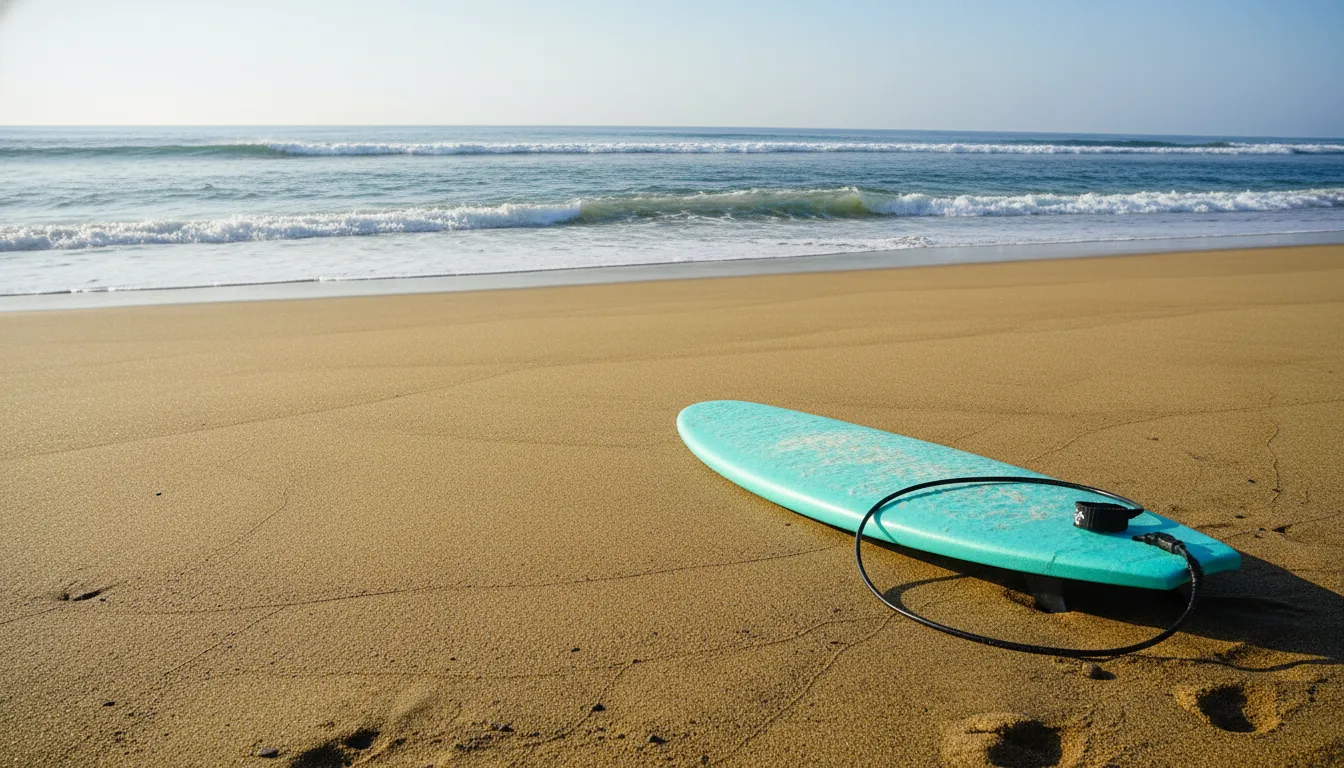
Family Surf’s Up in Jaco: Catching Waves & Making Memories (No Wetsuits Required)
Jaco Beach isn’t just about the surf—it’s about watching your seven-year-old pop up on their first wave, arms flailing like they’ve just conquered Everest, while your spouse belly-laughs from the shore. It’s about warm Pacific water that feels like bathwater, forgiving foam boards that bounce instead of bruise, and surf instructors who somehow know exactly when to give your kid that perfect push. We’re talking about a place where the ocean genuinely wants you to succeed, where wipeouts end in giggles instead of ice packs, and where the ‘pura vida’ spirit of Costa Rica transforms a family vacation into a shared adventure you’ll be retelling at dinner tables for years. No wetsuits. No excuses. Just you, your crew, and waves that are genuinely stoked to meet you.
Why Jaco is Your Family’s Perfect Wave (Even if You’ve Never Stood Up)
Let’s address the obvious: Jaco’s got waves year-round and water warm enough that you’ll forget what a wetsuit feels like. Seriously, the Pacific here hovers around 80°F (27°C), which means your focus stays on learning to surf instead of wondering if your toes still exist. It’s truly a ‘pool party’ with gentle rollers perfect for first-timers—the kind of consistent, forgiving waves that break just right for building confidence without inducing panic.
Our beach’s consistent sand bottom means no surprise rock encounters, just soft landings for those inevitable, splashy wipeouts. It’s basically nature’s giant, buffered playground. Unlike rockier surf spots that require ninja-level awareness, Jaco lets beginners focus on the fundamentals: paddling, timing, and that magical moment when everything clicks and you’re actually riding a wave. The beach break here is predictable in the best possible way—it shows up, does its job, and gives everyone from four-year-olds to sixty-somethings a legitimate shot at standing up.
The consistency matters more than you’d think. When you’ve got kids who range from “terrified of water deeper than a bathtub” to “thinks they’re already pro,” having a beach that delivers manageable waves day after day means you can actually plan your surf sessions instead of gambling on ocean conditions. Add in multiple surf breaks along the beach, and you’ve got options when one section gets crowded or conditions shift. It’s the kind of reliability that transforms a vacation activity into a genuine family tradition.
Finding Your Tribe: Jaco’s Best Surf Schools for Kids & Grown-Ups Alike
Plenty of local schools—Jaco Surf School, Tortuga Surf Camp, and Sunrise Surf School among them—offer family-specific packages that turn lessons into adventures. They know how to transform a two-hour session into a game for the little groms, complete with high-fives, beach breaks for sandcastle construction, and instructors who genuinely celebrate every wobbling stand-up like it’s Olympic gold. These aren’t just surf instructors; they’re part teachers, part cheerleaders, part ocean safety experts who’ve mastered the art of making everyone feel capable.
Expect small student-to-instructor ratios, especially for the younger ones—sometimes 1:1 or 1:2 depending on the school and your family’s needs. Instructors often use extra-large, squishy foam boards that are practically impossible to sink, making standing up feel like a triumph instead of a struggle. The boards are wide, stable, and forgiving in ways that expensive performance boards could never be. Your kid’s first wave might look more like controlled chaos than Kelly Slater, but who cares when they’re grinning ear-to-ear?
Don’t let age dictate adventure. Plenty of our neighbors started surfing in their 60s right here, proving that fun knows no age limit. Instructors cater to everyone from four to eighty-five, adjusting teaching styles, board sizes, and wave selection to match ability levels. The beauty of Jaco’s surf school scene is its inclusivity—nobody’s judging your fitness level, your flexibility, or whether you’ve ever done anything remotely athletic. They’re just stoked you showed up ready to try. For deeper insights into what makes Jaco instructors special, check out our Interview with Jaco Surf Instructors.
Gear Up! Family-Friendly Board Rentals & What to Look For
Most surf schools include board rentals in their lesson packages, which is convenient when you’re traveling with kids and the last thing you need is another logistical headache. They typically start you on those wonderful, forgiving soft-tops that feel like surfing a cloud—boards designed for learning, not showing off. The foam construction means bonking heads or getting hit by your board results in “oops” instead of emergency room visits.
For independent renters looking to surf outside of lessons, shops like Jaco Surf Shop offer solid reputations for fitting the whole family. Look for places that stock a good range of soft-top boards in various sizes—something around 7-8 feet for adults, slightly smaller for teens, and those adorable mini-boards for the littlest surfers. The staff at established rental shops generally know their inventory inside-out and can match you with boards that suit your skill level and body type.
Consider renting a smaller, lighter board for the kids and a slightly bigger, more stable one for yourself. The goal is fun, not Olympic glory. Kids do surprisingly well on boards they can actually paddle and maneuver, while adult beginners benefit from extra volume that forgives mistakes. When you’re done for the day, our easy-access, secure storage at Jaco Beach Zen means your rented boards stay safe without cluttering your vacation space—just rinse, rack, and head for the shower.
Rental rates typically run $10-20 per day depending on board quality and rental duration, with discounts for multi-day packages. Some families find it easier to rent for their entire stay rather than paying daily, especially when the kids decide they want to surf every single morning (which happens more often than you’d expect once they catch that first wave).
When to Hit the Water: Best Times for Family Surf Sessions
Early mornings are typically calmer for beginners, minimizing crowds and larger swells while delivering that perfect learning window. You get to watch the sunrise from the water—a free show that beats any theme park—plus the ocean tends to be glassier before afternoon winds pick up. Locals call this “dawn patrol,” though with families it’s more like “dawn shuffle” as you wrangle sunscreen and rash guards onto squirmy kids.
Jaco’s consistent year-round swell means there’s rarely a ‘bad’ time to learn, but the dry season from December through April generally offers slightly smaller, more manageable waves perfect for building skills. The green season (May-November) brings bigger swells that advanced surfers love but can be intimidating for first-timers. That said, even during green season, mornings often deliver beginner-friendly conditions before things get larger and more powerful.
Keep an eye on the tides—mid-tide is often the sweet spot for learning, providing enough water depth without overly strong currents. Ask any local surfer or your rental shop, and they’ll usually know the perfect hourly window for your family’s skill level. Low tide can expose more sandbar and create mushier, easier waves, while high tide sometimes brings more power than beginners want. The difference of a few hours can transform your session from “this is amazing!” to “why is the ocean so angry?”
Tide charts are available at virtually every surf shop, hotel desk, and via apps like Surfline or Magic Seaweed. Don’t overthink it—if you’re taking lessons, your instructor handles the timing. For independent sessions, aim for that mid-tide window about two hours before or after the turn, and you’ll generally find forgiving conditions.
Safety First, Folks: Keeping Your Crew Safe in the Jaco Waves
Always surf near a lifeguard station or with an instructor—they know the ocean’s moods better than anyone. Jaco Beach has lifeguards stationed along the main beach areas, including right in front of our place, which provides peace of mind when the kids are in the water. These aren’t just whistle-blowers; they’re trained ocean rescue professionals who monitor conditions, spot dangerous currents, and keep track of swimmers and surfers throughout the day.
Listen to your surf instructor. They’re not just there to push your board into waves; they’re your ocean safety guru for the session. When they say “paddle left” or “let this one pass,” there’s usually a good reason—maybe a stronger set is building, maybe the current’s shifting, or maybe they’ve spotted a family of beginners directly in your path. Trust the local knowledge.
Keep an eye on currents, especially near river mouths where freshwater meets ocean and can create unpredictable flows. If you ever feel yourself drifting sideways unexpectedly, don’t panic and don’t try to swim directly against it. Paddle parallel to shore until you’re out of the current, then angle back toward the beach. Better yet, stay closer to shore or ask a local surfer for advice—they’re generally a friendly bunch who’d rather help than watch someone struggle.
Rip currents are rare at Jaco’s main beach breaks but not impossible. The classic advice holds: if caught in one, stay calm, float or tread water, and signal for help rather than exhausting yourself fighting the pull. The current will eventually weaken, and you can swim parallel to shore to escape it. For families, the simplest safety measure is staying in designated swimming areas and surfing zones where lifeguards maintain watch.
Being ‘close enough’ to the beach for quick access means parents can rotate between surfing and supervising, keeping eyes on multiple kids without constantly battling distance. The security of knowing exactly where your family is—and being able to reach them in seconds—transforms anxiety into actual enjoyment.
The Family Surf Experience: What a Typical Lesson Actually Looks Like
Most family surf lessons kick off with beach instruction covering the basics: how to lie on the board, proper paddling technique, the pop-up motion, and ocean safety rules. Instructors demonstrate on the sand, then have everyone practice the pop-up movement repeatedly—because muscle memory on dry land translates to water success. Your kids will giggle watching adults struggle with what looks simple but requires coordination, core strength, and timing.
Once everyone’s practiced their pop-ups and understands the plan, it’s time to hit the water. Instructors typically stay in waist-to-chest-deep water, positioning students, selecting appropriate waves, and providing that crucial push at exactly the right moment. For kids, that first assisted wave usually ends in pure joy—even if they immediately fall off, the experience of feeling the wave’s power and gliding forward creates instant addiction.
Expect lots of encouragement, repositioning, and wave selection. Good instructors read the ocean constantly, steering students toward waves that will build confidence rather than induce fear. They’ll also manage the inevitable sibling competition (“I stood up longer!” “No, mine was bigger!”) with practiced ease, celebrating everyone’s progress while gently pushing each person toward their next achievement level.
Lessons typically run 1.5 to 2 hours, which sounds short but is genuinely exhausting when you’re paddling, popping up, wiping out, and laughing continuously. Most families discover that’s the perfect duration—long enough to make real progress, short enough that nobody’s completely spent. Post-lesson, expect hungry, happy, slightly sunburned humans who won’t stop talking about their waves.
Beyond Lessons: Building Your Family’s Surf Tradition
Once your family catches the surf bug—and you probably will—the adventure extends beyond that first lesson. Many families return to Jaco annually, tracking their kids’ progression from foam boards to fiberglass, from assisted waves to paddling into their own. There’s something magical about creating a tradition around a shared activity that challenges everyone differently but equally.
Consider booking multiple lessons throughout your stay rather than just one. Spreading sessions across several days allows skills to sink in, bodies to recover, and confidence to build. Your second lesson will feel dramatically different than your first—muscle memory kicks in, fear diminishes, and suddenly you’re not just surviving waves but actually riding them with intention.
For the truly committed, Jaco’s surf camps offer multi-day programs combining lessons, video analysis, beach games, and cultural experiences. Kids especially thrive in the camp environment where they’re surrounded by peers equally stoked about surfing. Some camps even include excursions to different breaks, tide pool exploration, and environmental education about ocean conservation.
If you’re curious about Jaco’s surf scene beyond daylight hours, our guide to Nighttime Surfing Adventures explores the unique experience of catching waves under lights and stars—though that’s probably an adults-only adventure until the kids are older.
FAQs
Can my really young kids (like, 4-year-olds) actually learn to surf in Jaco?
Absolutely! Many Jaco surf schools start kids as young as four, using tiny foam boards, shallow water, and instructors who specialize in working with young children. The key is managing expectations—at that age, “surfing” might mean riding a wave on their belly while the instructor guides the board, but the confidence and water comfort they gain is invaluable. Most kids this age do best with private or semi-private lessons where the instructor can provide constant attention and adjust the session based on energy levels and attention span.
Do I need to bring my own surfboard, or are rentals readily available?
Rentals are everywhere in Jaco, and unless you’re a serious surfer with board preferences, bringing your own makes zero sense. Lesson packages include boards, and independent rental shops line the main beach road offering everything from soft-tops to performance shortboards. Prices are reasonable ($10-20/day), equipment is well-maintained, and the convenience of not traveling with bulky boards far outweighs any minor cost. Plus, trying different board types helps you figure out what actually works for your skill level.
What if I’m not a strong swimmer? Can I still take surf lessons with my family?
You should be comfortable in waist-deep water and able to swim at least 50 meters, but you don’t need Olympic-level skills. Surf instructors keep beginners in shallow water where you can always touch bottom, and you’ll be wearing a buoyant foam board that provides flotation. That said, basic swimming competency is important for safety—if you’re genuinely uncomfortable in water, consider taking swimming lessons before your surf lesson. Many families discover that less-confident swimmers actually excel at surfing because they listen more carefully to instruction and don’t take unnecessary risks.
Are there any specific areas of Jaco Beach that are better for beginner surfers?
The main beach break in front of the town center is perfect for beginners—consistent, sandy bottom, lifeguards present, and gentle enough for learning while still providing real waves. Avoid the southern end near the rocks and the river mouth area where currents can be trickier. The northern section toward Herradura tends to be slightly mellower, though it’s farther from town conveniences. Your surf instructor will know the day’s best learning spots based on tide, swell direction, and crowd levels. Generally, anywhere with a lifeguard station is your safest bet.
What should we bring for a family surf lesson in Jaco?
Sunscreen (reef-safe, please), rash guards or UV shirts, water bottles, towels, and waterproof bags for phones and valuables. Most schools provide boards and sometimes rash guards, but verify beforehand. Skip the jewelry, fancy sunglasses, and anything you’d be upset about losing to the ocean. A waterproof camera or GoPro captures amazing memories, but honestly, sometimes just being present beats documenting everything. Bring snacks for after—surfing creates ravenous appetites, especially in kids. And bring your sense of humor because wipeouts are guaranteed and hilarious.
How long does it typically take to learn to stand up on a surfboard?
Most people stand up (even briefly) during their first lesson, though “standing” might mean a wobbly two-second triumph before splashing down. Kids often pop up faster than adults because they’re fearless, lighter, and don’t overthink the mechanics. Adults sometimes need two or three sessions before consistently catching and riding waves to shore. The learning curve varies wildly based on fitness, coordination, water comfort, and willingness to fail repeatedly. The beautiful part? Every single person progresses at their own pace, and the journey is genuinely more fun than any destination. Focus on enjoying time together rather than achieving perfect form.
Bahía Azul, unit 7C sits right on this stretch of sand — on the quiet south end of Jacó, a few hundred feet from the water.
Book on Airbnb