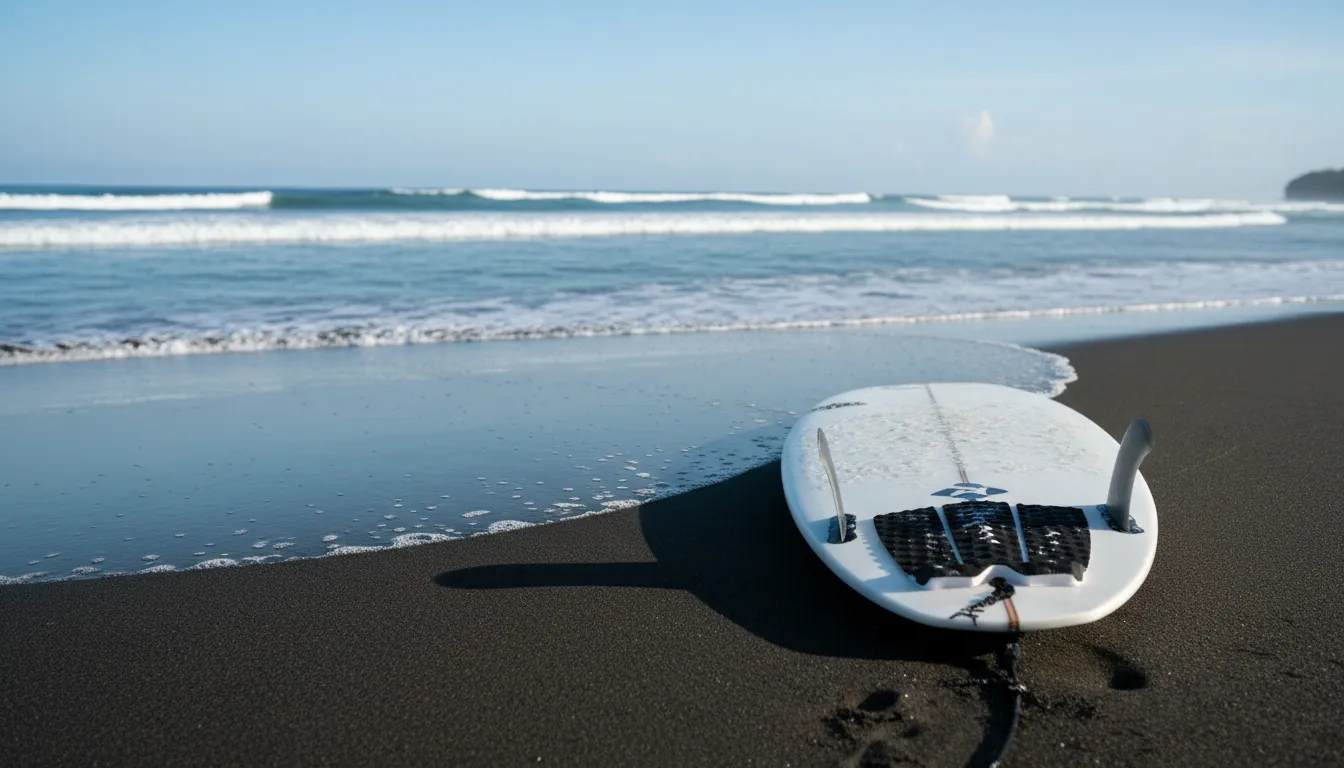
Jaco’s surf breaks don’t just deliver excellent rides—they’re ridiculously photogenic. Whether you’re hunting for inspiration before your trip, looking to capture your own session, or just want to watch seasoned locals thread barrels at sunset, the surf videos coming out of Jaco showcase exactly why this stretch of coastline consistently ranks among Central America’s most filmed surf destinations. The black sand, consistent swells, and variety of breaks create visual drama that translates beautifully to video, from GoPro clips to drone footage that’ll make your friends back home supremely jealous. Here’s your guide to the best surfing videos from Jaco, where to find peak filming conditions, and how to capture your own Costa Rican surf footage worth replaying.
Why Jaco Surf Videos Stand Out From Other Costa Rica Footage
Jaco’s unique geography creates visual elements you won’t find at other Costa Rican surf spots. The dark volcanic sand contrasts dramatically with white water and green jungle backdrop, creating natural color separation that makes even phone footage look professional. The breaks are close enough to shore that you can capture quality action from the beach without needing a boat or water housing—though drone pilots absolutely love the aerial perspectives here.
The variety matters too. Within a 10-minute drive, you’ve got beginner-friendly rollers at Jaco Beach’s center, punchy beach break at the north end, and Playa Hermosa’s powerful reef breaks just south. This diversity means surf videographers can compile highlight reels showing progression from mellow longboard sessions to heavy barrels, all within the same day. The consistent year-round swells mean there’s always something rideable to film, unlike seasonal spots that go flat for months.
Local surf schools and rental shops frequently share footage on social media, giving you real-time glimpses of current conditions. These aren’t polished edits—they’re authentic snapshots of what you’ll actually encounter, complete with occasional wipeouts and celebrating beginners catching their first green waves.
Best Platforms and Channels for Jaco Surf Videos
YouTube remains the goldmine for Jaco surf content. Search “Jaco surf” with date filters to find recent footage showing current conditions—particularly useful during rainy season when swell direction shifts. Channels run by local surf shops post weekly updates, though quality varies wildly. Look for channels with consistent upload schedules rather than one-off tourist clips.
Instagram delivers shorter, punchier content. Follow tags like #jacosurfing and #playahermosacostarica for user-generated footage that’s more recent than YouTube compilations. Local photographers tag specific breaks, helping you identify which spots produce the conditions you’re seeking. The Stories feature often captures same-day sessions, showing you what’s firing right now rather than last month’s highlights.
Vimeo hosts the more artistic surf films—think slow-motion barrels set to indie soundtracks rather than GoPro montages. These videos prioritize cinematography over action sports energy, perfect for getting stoked before your trip. Several Costa Rican surf filmmakers feature Jaco prominently in longer-format pieces that contextualize the waves within the broader Pura Vida lifestyle.
TikTok’s algorithm surfaces surprisingly good Jaco content if you engage with surf videos. The platform skews toward shorter clips of spectacular moments—huge wipeouts, perfect barrels, sunset sessions—rather than comprehensive coverage. Useful for inspiration, less helpful for assessing actual wave conditions.
Reading Wave Conditions Through Video: What to Look For
Learning to decode surf videos helps you plan sessions more effectively than just checking surf reports. Pay attention to where surfers are positioned in the lineup—if everyone’s clustered at one peak, that’s where the sandbar is setting up properly. Scattered lineups suggest inconsistent conditions with multiple peaks forming randomly.
Watch the background, not just the waves. Palm trees bending indicates strong offshore winds that’ll clean up the surf but make paddling out exhausting. Flat background foliage means onshore winds that chop up the waves—great for beginners who want smaller, slower conditions, frustrating for intermediates seeking clean faces. Water color tells you about recent rain; darker brown water means river runoff from inland storms, often coinciding with rainy season peaks.
Crowd density matters. If you’re watching footage from peak tourist season (December through April), expect lineup congestion. Videos from May through November typically show fewer surfers, though wave quality remains excellent—sometimes better, as the southern hemisphere winter sends consistent groundswell.
The surfer’s skill level provides wave size calibration. A beginner standing up on waist-high white water looks similar in video to an advanced surfer dropping into overhead faces. Check the video description or comments for actual wave heights, and cross-reference with current surf forecasts before getting too excited about that “massive day” clip.
Filming Your Own Jaco Surf Session: Local Tips
GoPro chest mounts capture the rider’s perspective but often miss the wave’s scale. Mouth mounts provide better forward view angles, though you’ll tire of tasting saltwater. The newer 360-degree cameras let you choose angles during editing rather than committing during the session—worth the investment if you’re serious about surf documentation.
Beach filming requires longer lenses than you’d expect. What looks close from shore translates to tiny dots in phone footage. Bring at least a 200mm zoom lens for decent action shots, or be prepared to crop heavily in post-production. Early morning and late afternoon provide better lighting than harsh midday sun, plus offshore winds typically strengthen during these windows, cleaning up wave faces for more photogenic footage.
Drone pilots should check local regulations—they’re welcomed in most beach areas but prohibited in some conservation zones. Launch from the north end of Jaco Beach for safer operation away from dense tourist zones. Battery life drops faster in humid coastal air, so bring extras. The best drone footage captures surfers from slightly behind and above, showing both the wave face and the rider’s line simultaneously.
Waterproof housings need post-session freshwater rinses. Jaco’s black sand is actually tiny volcanic particles that scratch lens ports if you’re not careful. Store camera gear away from direct beach exposure—the combination of salt spray and humidity accelerates corrosion faster than you’d believe.
Best Jaco Surf Breaks for Video Content
Jaco Beach’s center section produces the most approachable footage—gentle rollers with longer rides that give you time to frame shots properly. The sandy bottom means spectacular wipeouts look dramatic without appearing dangerous, perfect for sharing with family members who worry about your surf trip safety. This is where beginner surf lessons happen, offering authentic learning progression footage if you’re documenting your surf journey.
The north end delivers punchier action. Faster, hollower waves create more dynamic footage, though rides are shorter. Position yourself near the rocks for varied background composition rather than endless beach. This section works well for mid-length lenses, as the break sits closer to shore than central Jaco.
Playa Hermosa, 10 minutes south, produces the most impressive footage but requires advanced skills to surf safely. These powerful reef breaks create proper barrels that look spectacular on camera. Only film here if you’re comfortable in serious surf—the consequences of misjudging Hermosa waves are real. The dark sand creates even more dramatic contrast, and the less-developed coastline offers pristine jungle backdrops.
Estrillos Oeste, slightly north, offers empty lineup shots rarely possible at main Jaco Beach. The drive is worth it for uncrowded footage, particularly during peak season when Jaco proper gets packed. Waves are similar quality to central Jaco but with a fraction of the surfers.
Equipment and Logistics for Surf Video Success
Waterproof phone cases work for casual clips but fog easily and limit touch screen control. Invest in actual surf-specific cameras if you’re serious about content creation. The latest action cameras offer stabilization that eliminates the nauseating shake that plagued earlier surf footage. Battery life matters more than resolution—4K looks gorgeous but drains power so fast you’ll miss the best sets while swapping batteries.
Memory cards fail in humid, salty environments more frequently than in dry climates. Bring double what you think you’ll need, and back up footage nightly to cloud storage. Jaco has reliable WiFi at most accommodations, making large video uploads feasible. Properties like Jaco Beach Zen offer strong connectivity specifically helpful for uploading large video files after surf sessions.
Lighting conditions change rapidly. That perfect offshore morning window might last 90 minutes before onshore winds chop everything up. Be ready to film when conditions align rather than scheduling rigid shooting times. The trade-off for year-round surfability is weather unpredictability—what looked perfect on yesterday’s forecast might shift overnight.
Local surf shops rent GoPros and basic camera equipment, useful for testing setups before committing to purchases. Some offer footage editing services, though prices reflect tourist-zone premiums. Better to bring your own gear if you have specific creative vision.
Seasonal Considerations for Optimal Surf Footage
The green season (May through November) produces the most dramatic skies—towering clouds that add cinematic depth to surf videos. Afternoon thunderheads create spectacular backdrops, though you’ll need to wrap filming before actual rain arrives. Swells during this period tend toward consistent medium size rather than the dramatic peaks of dry season.
Dry season (December through April) delivers cleaner conditions with stronger offshore winds, creating those glassy wave faces that look professional even in amateur footage. Crowds increase substantially, so early morning sessions offer the best chance for uncrowded shots. The peak tourist season trade-off is better wave quality but more surfers competing for the same peaks.
Shoulder seasons—April/May and November/December—offer the best balance. Surf remains consistent, crowds thin slightly, and you catch transitional weather patterns that create variety in footage aesthetics. These months produce those unexpectedly perfect days that make highlight reels, when tourist numbers drop but swells haven’t shifted yet.
Frequently Asked Questions
What camera settings work best for Jaco’s lighting conditions?
Shoot in slightly underexposed mode to preserve highlight detail in bright tropical sun. Jaco’s intense equatorial light blows out footage shot in auto mode. Enable highest frame rates your camera offers—60fps minimum, 120fps for quality slow-motion. Set white balance manually rather than auto; the mix of dark sand, bright sky, and green jungle confuses auto settings. Bring polarizing filters to cut glare and enhance water color saturation.
Can I hire local videographers to film my surf sessions?
Several Jaco-based photographers offer surf session packages starting around $100 for basic edited clips, up to $500+ for full-day coverage with drone footage. Book through established surf shops rather than beach approaches to ensure you’re working with insured professionals using proper equipment. Many videographers post portfolios on Instagram—review their style before committing. Expect 3-5 day turnaround for edited footage.
Which Jaco break produces the most dramatic video footage?
Playa Hermosa’s reef breaks create the most visually impressive footage—powerful barrels with dramatic wipeouts. However, you need advanced skills to surf there safely. For intermediate surfers, Jaco Beach’s north end delivers punchy action that looks great on camera without requiring expert-level wave reading. The center section works best for progression documentation, showing clear improvement across multiple sessions.
What’s the best time of day for filming in Jaco?
Early morning (6:30-9:00 AM) offers the most reliable conditions—offshore winds, cleaner waves, better lighting angles, and fewer crowds. Late afternoon (3:30-6:00 PM) provides dramatic golden hour lighting but often features onshore winds that chop up waves. Midday works during overcast conditions but creates harsh shadows and contrast in direct sun. Plan around tide changes rather than strict clock times for optimal wave quality.
Do I need permits for filming surf content in Jaco?
Casual personal filming requires no permits. Commercial shoots—anything you’re monetizing or using for business purposes—technically require permits from the tourism board and potentially beach access permissions. Drone operations need aviation authority approval for commercial use. In practice, enforcement is minimal for small-scale content creators, but larger productions with obvious professional crews attract official attention. When in doubt, ask your accommodation about current regulations.
Bahía Azul, unit 7C sits right on this stretch of sand — on the quiet south end of Jacó, a few hundred feet from the water.
Book on Airbnb