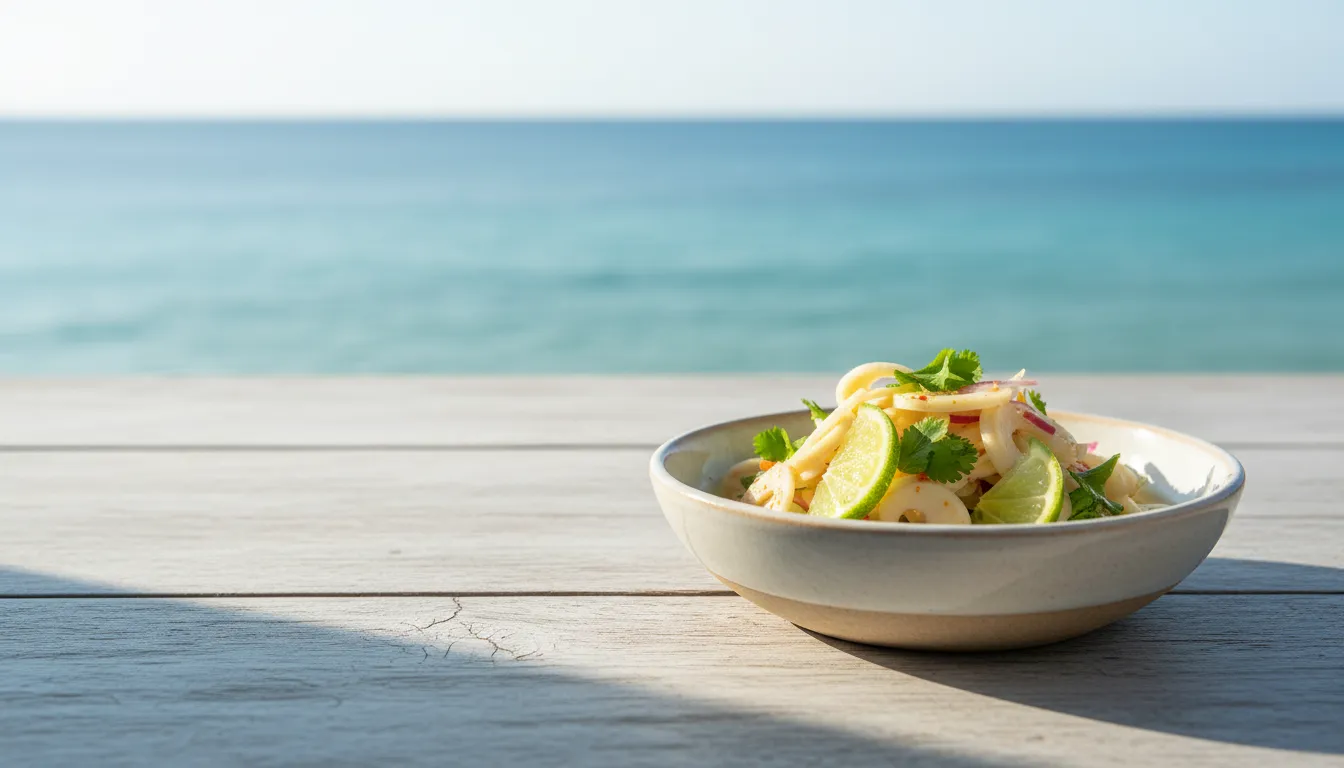
Jaco’s vegan scene has quietly evolved from “bring your own hummus” to a legitimate culinary destination. Between the surf breaks and sunset bars, plant-based eateries have carved out space that rivals Costa Rica’s bigger cities—minus the traffic and with better beach access. Whether you’re committed vegan, flexitarian, or just trying to balance last night’s cerveza consumption, Jaco’s got options that’ll make you forget you’re eating healthy.
The local food culture here blends traditional Costa Rican flavors with international influences from the steady stream of health-conscious travelers who’ve decided to stick around. You’ll find everything from proper casado reimagined without animal products to smoothie bowls that actually taste like food, not just Instagram content. And unlike some beach towns where “vegan” means “we can remove the cheese,” Jaco’s plant-based spots actually know what they’re doing.
The Vegan Landscape: How Jaco Does Plant-Based
Jaco’s vegan dining scene reflects the town’s broader personality—laid-back but surprisingly sophisticated when it wants to be. The concentration of health-focused restaurants along the main strip rivals what you’d find in San José, except here you can walk to most of them in flip-flops without dodging taxi traffic.
The real advantage? Costa Rica’s year-round growing season means locally sourced produce isn’t just marketing speak—it’s the default. Farmers’ markets happen twice weekly, and many restaurants maintain relationships with nearby organic farms in the cooler mountain areas around Atenas and Grecia. When a menu says “local,” they probably mean the mangoes came from someone’s backyard down the street.
What separates Jaco from other beach towns is the permanent expat community. Enough people have planted roots here to sustain businesses that go beyond tourist-trap mediocrity. The vegan spots that survive past their first year do so because they’re actually good, not just conveniently located. For more on what makes Jaco’s food scene tick, check out our guide to local cuisine.
Top Vegan-Friendly Restaurants in Jaco
Green Room Café leads the pack for all-day vegan options. Their breakfast burrito swaps scrambled eggs for seasoned tofu that doesn’t taste like punishment, and the açai bowls use actual açai instead of food-colored banana paste. The spot fills with yoga instructors and surf guides around 8 AM, which tells you something about the quality-to-price ratio. They’re also one of the few places that understands coffee—the flat whites are proper, not just milk foam in a large cup.
Side Street Bistro operates in that sweet spot where health food meets actual flavor. Their vegan burger uses black beans and beets but doesn’t fall apart on first bite—a miracle in the plant-based world. The Buddha bowls change based on seasonal produce, and the Thai-inspired peanut sauce is legitimately addictive. They’re tucked slightly off the main road, which keeps them blissfully uncrowded even during high season.
Ohana Jaco delivers on the smoothie-and-bowl front without the usual hippie café chaos. Everything’s made to order, portions are generous, and they don’t overcharge just because something’s organic. The space is small but well-designed for quick service. Their green juice actually tastes green in a good way—kale and cucumber without excessive apple juice as a sweetness crutch.
For proper sit-down meals, Graffiti Restro Café & Wine Bar surprises with how seriously they take their vegan menu. It’s not an afterthought section—they’ve got dedicated plant-based entrées that change with the seasons. The roasted vegetable pasta uses local squash and eggplant, and they’ll modify almost anything on request without making you feel difficult. The wine list is stronger than you’d expect for a surf town.
Vegan Options at Traditional Costa Rican Restaurants
Most sodas (local lunch counters) can adapt their standard casado if you ask nicely and don’t show up during the lunch rush. The typical plate—rice, beans, salad, plantains—is naturally vegan until they add the protein. Many places will substitute extra vegetables or throw in some fried yuca at no extra charge.
The trick is knowing what to request in Spanish. “Sin carne, sin queso, sin crema” (no meat, no cheese, no cream) covers most bases. Gallo pinto (rice and beans) is typically vegan until someone adds chicken stock, so asking “¿Es vegano?” first saves disappointment. Most cooks understand dietary restrictions better than you’d think—Costa Rica’s Seventh-day Adventist community is substantial, and vegetarian requests aren’t unusual.
Patacones (fried plantain discs) make an excellent vegan-friendly snack or side, usually served with chimichurri or pico de gallo. Ceviche de champiñones (mushroom ceviche) has become more common as restaurants cater to plant-based diets, using the traditional citrus marinade with hearts of palm or young coconut instead of fish. For more on Costa Rican food culture and what to expect, visit our overview of local dining.
Best Vegan Breakfast Spots in Jaco
Breakfast is where Jaco’s vegan scene really shines. The intersection of surf culture and health consciousness means multiple spots compete for the pre-beach crowd with legitimately good plant-based morning food.
Green Room takes the breakfast crown for sheer variety. Beyond the standard smoothie bowls, they do a mean tofu scramble with local vegetables and a side of whole-grain toast that’s actually made in-house. The chia pudding comes layered with coconut yogurt and fresh fruit—dense enough to fuel a morning surf session.
Coffee Shop Jaco (yes, that’s the actual name) does excellent vegan pancakes on weekends. They’re fluffy, properly golden, and don’t taste like cardboard—a genuine achievement in wheat-free baking. The almond milk for coffee drinks is house-made, which explains why their lattes don’t have that weird commercial almond milk aftertaste.
For quick breakfast to-go, Soda Rustico will pack up gallo pinto with plantains and a side of pico de gallo for about half what the tourist spots charge. It’s not fancy, but it’s authentic, filling, and completely plant-based if you skip the eggs. Grab one before heading to the farmers market on Saturday mornings.
Vegan-Friendly Cafes and Juice Bars
Jaco’s juice bar scene has evolved beyond simple fruit smoothies into proper meal replacement territory. Most places now offer protein powder options (pea, hemp, or brown rice), superfood add-ins, and enough vegetables to make your mother proud.
Ohana’s juice combinations lean toward the drinkable rather than the punishing. Their green juice balances kale and spinach with cucumber and lime—refreshing without tasting like lawn clippings. The golden milk latte (turmeric, ginger, coconut milk) works hot or iced and doesn’t require a second mortgage.
Pachi’s Pan offers vegan baked goods that don’t taste like compromise. Their banana bread is legitimately moist, the cookies have proper texture, and the occasional vegan brownie could fool non-vegans. They also stock plant-based milk alternatives for coffee drinks without the usual upcharge.
For afternoon pick-me-ups, Volcano Brewing Company’s taproom keeps kombucha on tap alongside their craft beers. It’s a solid option when your travel companions want beer and you want probiotics. The outdoor seating catches the afternoon breeze, making it a decent spot to decompress after beach time.
Shopping for Vegan Ingredients in Jaco
If you’re staying somewhere with a kitchen—like many of the vacation rentals near the beach—shopping for vegan ingredients is surprisingly straightforward. Mas x Menos and Auto Mercado (the two main supermarkets) stock plant-based milk, tofu, tempeh, and various meat alternatives. Prices run higher than the U.S. or Europe, but availability has improved dramatically in recent years.
The Saturday farmers market on the main street offers the best produce prices and variety. Show up early (7-8 AM) for peak selection—local farmers bring whatever’s in season, from rambutan and carambola to multiple varieties of plantains and yuca. Most vendors speak some English, but knowing your vegetables in Spanish helps: aguacate (avocado), tomate (tomato), zanahoria (carrot), and berenjena (eggplant) will cover most bases.
Macrobiotica health food store, tucked near the north end of town, specializes in organic and vegan products. Their selection includes nutritional yeast, various flours for baking, nut butters, and imported vegan cheese alternatives. It’s pricey but comprehensive—think Whole Foods prices for specialty items.
For bulk staples like rice, beans, and nuts, Mega Super offers better prices than the tourist-oriented markets. Their dried goods section is extensive, and you can buy exactly the quantity you need rather than pre-packaged amounts.
Vegan Dishes to Try While in Jaco
Beyond the standard international vegan fare, certain local preparations deserve attention. Ceviche de palmito (hearts of palm ceviche) captures the tangy, citrus-forward profile of traditional ceviche without the fish. Most restaurants prepare it with cilantro, onion, and bell peppers in a lime marinade—refreshing on hot afternoons.
Arroz con vegetales (vegetable rice) sounds basic but varies wildly by preparation. The better versions incorporate achiote for color, generous vegetables, and enough seasoning to make it a meal rather than a side dish. Paired with maduro (sweet plantains) and a side of black beans, it’s a satisfying traditional plate.
Pipa fría (cold coconut water) straight from the shell counts as both beverage and cultural experience. Vendors along the beach will machete-open a fresh coconut for you—hydrating, naturally sweet, and about as local as it gets. After drinking the water, ask them to crack it open for the coconut meat inside.
Tamales de elote (sweet corn tamales) are traditionally vegan, wrapped in corn husks and steamed. They’re mildly sweet, dense, and filling. You’ll find them at sodas and the farmers market, especially on weekends. They’re portable, don’t require refrigeration for a few hours, and make excellent beach food.
Tips for Vegan Travelers in Jaco
“Soy vegano/vegana” (I’m vegan) opens most conversations, but knowing a few specifics helps: “¿Tiene opciones veganas?” (Do you have vegan options?) and “Sin productos animales, por favor” (Without animal products, please) clear up ambiguity. Most restaurant staff understand dietary restrictions, but being specific prevents miscommunication.
Costa Rican cuisine uses less dairy than Mexican or South American cooking, which works in your favor. The challenge is hidden animal products in stocks and rice preparations. When in doubt, ask about the cooking base—“¿Usan mantequilla o caldo de pollo?” (Do you use butter or chicken stock?).
Timing matters for restaurant visits. Lunch service runs 11:30 AM to 2 PM, when sodas and local spots are busiest. Arriving at 11 or 2:30 means shorter waits and more flexible kitchens. Dinner starts around 6 PM, but many casual spots serve continuously through the afternoon.
Staying slightly north or south of Jaco’s main strip—areas like Jaco Beach neighborhoods—puts you within walking distance of restaurants while avoiding the densest tourist zones. Most vegan-friendly spots cluster along the main road or one block inland, making them accessible without needing transportation.
Frequently Asked Questions
Are there fully vegan restaurants in Jaco?
Jaco doesn’t have exclusively vegan restaurants, but several spots like Green Room Café and Ohana Jaco offer predominantly plant-based menus with only a few non-vegan items. Side Street Bistro clearly marks vegan options and can modify most dishes. The lack of vegan-only establishments isn’t a limitation—the vegan-friendly restaurants are numerous enough and good enough that you won’t feel restricted. Most places understand veganism beyond just removing cheese, which makes dining significantly easier than in more remote Costa Rican beach towns.
Can I find vegan options at Jaco’s beachfront restaurants?
Beachfront restaurants generally offer fewer dedicated vegan dishes than inland spots, but most can accommodate with modifications. Salads, vegetable-forward sides, and fruit plates are universally available. The reality is that beachfront real estate prioritizes bar service and seafood—the more creative vegan cooking happens a block or two inland where rent is lower and kitchens have more space. If you’re set on ocean views with your meal, calling ahead to confirm options saves disappointment. Many places near the beach will prepare something off-menu if you ask nicely and arrive outside peak hours.
What vegan breakfast options are available in Jaco?
Breakfast is Jaco’s strongest vegan meal. Smoothie bowls, overnight oats, chia pudding, fresh fruit plates, avocado toast, tofu scrambles, vegan pancakes, and various juice combinations fill morning menus at health-conscious cafés. Traditional Costa Rican breakfast (gallo pinto with plantains) is naturally vegan at most sodas—just confirm they don’t cook the rice in chicken stock. Coffee shops stock multiple plant-based milk options without the usual upcharge. The surf-and-yoga culture here means early-opening cafés compete for the morning crowd with legitimately good plant-based options, not afterthought fruit plates.
Is it easy to find vegan food outside of restaurants in Jaco?
The Saturday farmers market offers abundant fresh produce, and major supermarkets stock plant-based essentials like tofu, tempeh, plant milks, and various vegan substitutes. Macrobiotica health food store carries specialty items like nutritional yeast and vegan cheese. Street vendors sell fresh coconuts, fruit cups, and roasted corn that’s vegan-friendly. Small convenience stores stock nuts, dried fruit, and other packaged vegan snacks. If you’re staying in a rental with a kitchen, self-catering is completely viable. Prices for imported vegan products run higher than North America or Europe, but local produce is inexpensive and high-quality year-round.
What should I know about Costa Rican vegan dishes?
Traditional Costa Rican cuisine is accidentally vegan-friendly—rice, beans, plantains, yuca, vegetables, and corn form the foundation. Gallo pinto (rice and beans) is typically vegan unless cooked in animal fat. Patacones (fried plantains), ceviche de palmito (hearts of palm ceviche), and various vegetable preparations translate easily to plant-based diets. The challenge is dairy and stock used in preparation rather than the core ingredients. Most sodas can modify the standard casado plate to be fully plant-based. Learning a few Spanish phrases for dietary restrictions helps ensure clear communication about preparation methods and ingredients.
Bahía Azul, unit 7C sits right on this stretch of sand — on the quiet south end of Jacó, a few hundred feet from the water.
Book on Airbnb