Forget the tourist traps serving “Costa Rican fusion” with a side of mediocrity. Jaco’s real culinary story unfolds in family-run sodas where casados cost less than a latte, beachside stands grilling fresh-caught mahi-mahi, and street corners where the smell of chifrijo stops you mid-stride. After years of navigating this surf town’s food scene from our beachfront perch, we’ve learned where locals actually eat—and which dishes define authentic Jaco dining. This isn’t just about filling your stomach between surf sessions; it’s about understanding the rhythms of Costa Rican food culture, from morning café con leche rituals to late-night ceviche stops. Whether you’re chasing where to eat in Jaco recommendations or hunting down traditional Costa Rican breakfast spots that locals guard like surf breaks, you’ll find the real flavors here.
The Casado: Jaco’s Daily Ritual on a Plate
Every proper Jaco food education starts with the casado—the married plate that brings rice, beans, protein, salad, and plantains together in harmonious simplicity. You’ll find this lunch staple at virtually every soda from $4-7, but the best versions balance fresh ingredients with that indefinable home-cooked soul. Look for places where the beans glisten with proper seasoning, the rice isn’t mushy, and the plantains achieve that perfect sweet-crispy ratio.
The real tell of an authentic casado? It arrives quickly because everything’s been simmering since morning, not microwaved on demand. Local sodas like Soda Náutico near the hospital district or smaller spots in Jaco’s residential neighborhoods serve versions that make you understand why Ticos eat this daily. The chicken should be simply grilled or stewed, the fish fresh from morning boats, and the vegetables crisp enough to remind you they were cut today. Pair it with cas juice or chan lemonade for the full midday experience.
Timing matters—casados shine at lunch when everything’s at peak freshness. By dinner, many sodas shift to simpler offerings or close entirely, following the local rhythm where lunch is the main meal and dinner stays light.
Ceviche: Catching Jaco’s Ocean on Your Tongue
Jaco’s position along the Pacific means ceviche here isn’t just fresh—it’s practically still swimming. The best spots serve corvina, dorado, or octopus marinated in lime with cilantro, onions, and just enough heat to wake up your palate without overwhelming the fish. Beach vendors near the main strip often have the day’s freshest catch, prepared in small batches throughout afternoon and evening.
Authentic Jaco ceviche leans cleaner than the mayo-heavy versions you’ll find at tourist joints. Look for bright acidity, firm chunks of fish that haven’t been over-marinated into mush, and that satisfying bite of fresh cilantro. The best preparation lets you taste the ocean first, seasoning second. Street vendors selling from coolers on corners often outshine fancy restaurants—if locals are lined up, join them.
Pair ceviche with cold Imperial beer or a fresh pipa fría (cold coconut water) for maximum refreshment. Many spots serve it with soda crackers or plantain chips, perfect for scooping generous portions while watching sunset paint the beach orange. This is where Jaco’s food culture intersects with daily coastal life—simple, spectacular, and entirely dependent on what the ocean offered that morning.
Chifrijo: The Pub Food That Conquered Costa Rica
Born in San José but perfected in beach towns like Jaco, chifrijo combines rice, beans, chicharrón (crispy pork), and pico de gallo in a bowl that somehow makes perfect sense after a few beers. This is Costa Rica’s answer to nachos—shareable, addictive, and best consumed at a beachside bar while replaying the day’s surf sessions. The genius lies in the texture contrast: creamy beans, fluffy rice, crunchy pork, and fresh salsa creating different sensations with each bite.
Authentic versions use proper chicharrón—deeply fried pork belly or rinds with substantial crunch, not the wimpy chips some tourist places substitute. The pico de gallo should be chunky and fresh, adding brightness to the rich pork and earthy beans. Look for generous portions meant for sharing, served with tortilla chips for scooping and lime wedges for brightness.
You’ll find excellent chifrijo at local bars frequented by expats and Ticos alike, particularly spots that fill up after 5pm when the work day ends. It pairs perfectly with Imperial, Pilsen, or a michelada, making it the ideal bridge between beach day and evening activities. This is pub food with soul, and once you’ve had a proper version, you’ll understand why locals order it constantly.
Gallo Pinto: Breakfast’s Non-Negotiable Foundation
If casado is Jaco’s lunch identity, gallo pinto is its breakfast heartbeat—rice and beans sautéed together with onions, peppers, and Salsa Lizano until they achieve that slightly crispy, deeply savory perfection. Every soda serves it, but versions vary wildly from mediocre to transcendent based on rice-to-bean ratio, seasoning confidence, and whether they’re using yesterday’s rice (secret ingredient for proper texture).
Authentic gallo pinto should be neither too wet nor too dry, with each grain of rice coated in bean juice and Lizano’s distinctive sweet-savory flavor. It arrives alongside eggs (scrambled, fried, or sunny-side), natilla (Costa Rican sour cream), fresh cheese, and tortillas. Morning sodas near the Jaco farmer’s market often nail this breakfast plate, serving it to construction workers, surfers, and locals who wouldn’t dream of starting their day without it.
The ritual matters as much as the food—strong coffee, morning conversation, and the gentle pace of a country where breakfast isn’t rushed. Expect to pay $3-5 for a full plate that keeps you satisfied until afternoon. This is where you’ll experience authentic Jaco morning culture, watching the town wake up while savoring Costa Rica’s most essential dish.
Fresh Fish Whole-Grilled: Simplicity as Strategy
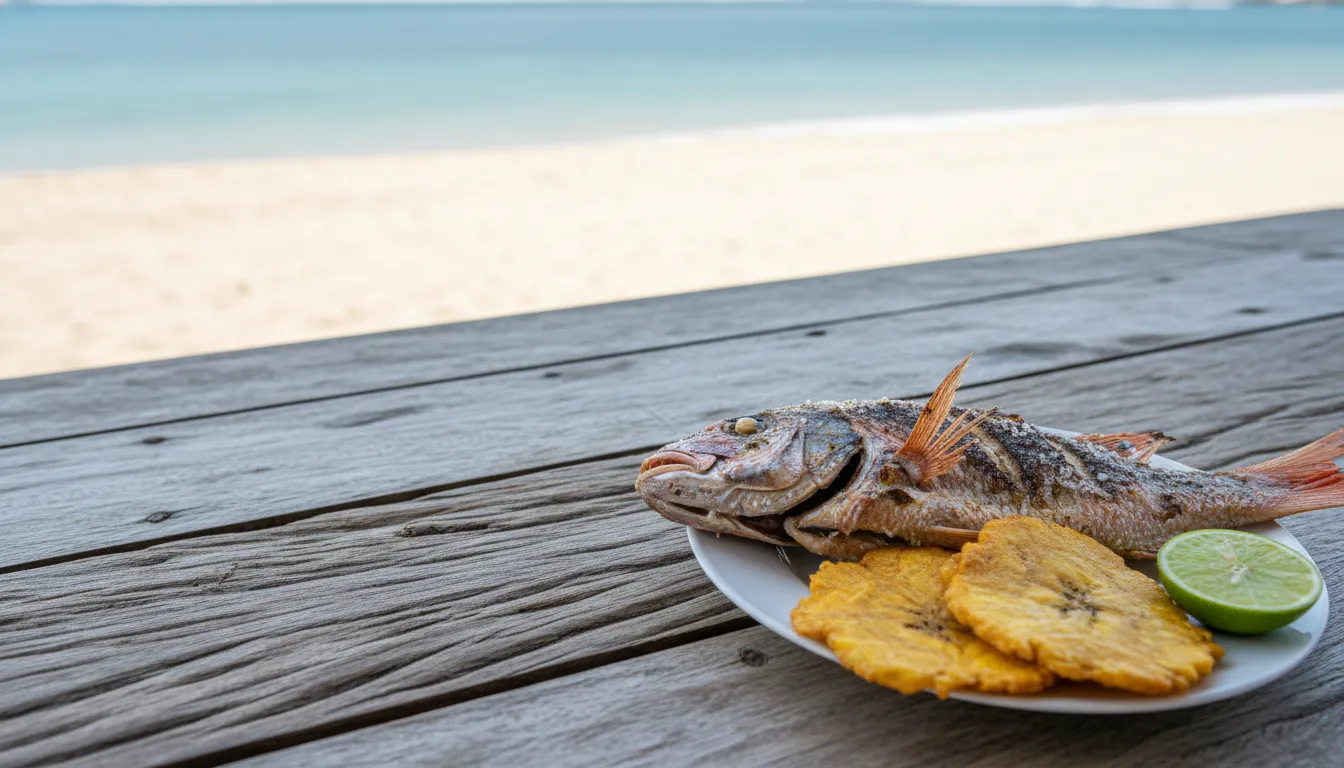
When you’re steps from the Pacific, complicating fresh fish with heavy sauces is almost offensive. The best seafood spots in Jaco understand this, serving whole dorado, red snapper, or corvina grilled with just garlic, lime, and salt. The fish arrives dramatically presented, often still sizzling, with rice, beans, salad, and patacones (twice-fried plantains) completing the plate.
Authentic preparation means you’re choosing your fish by weight and species, often from a display case showing today’s catch. The flesh should flake easily, maintain moisture, and taste unmistakably of the ocean without overwhelming seasoning. Beachfront restaurants with fishing connections often offer the freshest options, sometimes featuring morning catches that weren’t available when you called for reservations.
This style of eating connects directly to Jaco’s fishing heritage and coastal identity. It’s unpretentious, satisfying, and entirely dependent on ingredient quality rather than chef gymnastics. Expect to pay $12-18 for a whole fish that easily feeds two, making it one of Jaco’s best value propositions when you factor in freshness and flavor. The best versions come with stories—ask your server which boat caught it and when it came in.
Arroz Con Pollo: Comfort Food That Transcends Translation
Every culture has its chicken-and-rice dish, but Costa Rica’s arroz con pollo achieves something special—chicken stewed with rice, vegetables, and annatto until everything melds into golden, savory comfort. This isn’t paella’s fancy cousin; it’s grandmother food, the kind that appears at family gatherings, casual restaurants, and anywhere people want satisfaction without pretense.
Authentic versions feature chicken pieces cooked directly with rice so flavors intermingle completely, vegetables like carrots and peas adding color and texture, and that distinctive yellow-orange color from achiote (annatto). The rice should be slightly creamy from absorbing chicken juices, each bite delivering comfort and flavor in equal measure. Local sodas serve generous portions for $5-7, often with a side salad and sweet plantains.
This dish reveals itself best at smaller, family-run establishments where recipes pass through generations rather than culinary schools. It’s the kind of meal that makes you understand why Ticos prize home cooking—uncomplicated, generous, and deeply satisfying. Order it when you need comfort after a long surf session or want to experience Costa Rican food at its most genuine.
Patacones and Tostones: The Plantain’s Dual Personality
Green plantains get twice-fried into crispy, salty perfection in Jaco kitchens, arriving as either thick patacones or thinner tostones depending on who’s cooking. These golden discs serve as edible plates for ceviche, accompaniments to whole fish, or stand-alone snacks with refried beans and cheese. The best achieve that magical combination of crispy exterior and tender interior, with enough structure to scoop toppings without disintegrating.
Authentic preparation requires specific timing—fry once until tender, smash flat, fry again until crispy. Street vendors and beach stands often nail this better than restaurants, having perfected the technique through thousands of repetitions. Look for golden-brown color without burnt edges, and oil hot enough to crisp without making them greasy.
These plantain platforms appear throughout Jaco’s food scene, from breakfast plates to late-night bar snacks. They’re filling, affordable, and showcase the plantain’s versatility beyond its sweeter, ripe preparation. When topped with fresh guacamole or beans and cheese, they become a complete snack that bridges you between meals without weighing you down.
Olla de Carne: The Stew That Feeds Families
When Jaco gets occasional rain or simply craves comfort, olla de carne emerges—a beef stew loaded with yuca, plantains, corn, potatoes, and whatever vegetables made sense that morning. This is Sunday food, grandmother food, the kind of meal that simmers for hours and feeds extended families with enough leftovers for tomorrow. Finding authentic olla de carne means seeking out sodas on weekends or traditional restaurants that honor slow-cooking traditions.
The broth should be rich but not heavy, vegetables tender without becoming mush, and beef falling-apart tender after its long simmer. Each spoonful brings different vegetables and textures, making it a complete meal that requires only rice and maybe fresh tortillas alongside. This isn’t menu-engineered food; it’s what Costa Ricans actually cook at home when they want to feed people properly.
Expect generous portions for $6-8, served steaming in deep bowls that challenge your capacity. This is where Jaco’s food culture reveals its practical soul—nothing fancy, everything delicious, and portions sized for actual hunger rather than Instagram aesthetics. It’s particularly excellent after long beach days when you need real sustenance.
Frequently Asked Questions
What makes Jaco’s food scene different from other Costa Rican beach towns?
Jaco blends genuine local cuisine with international influence from its expat community and surf culture, creating a food scene where traditional sodas serve casados alongside spots offering fresh-caught tuna poke. The proximity to fishing fleets means exceptional seafood freshness, while the town’s size supports both authentic local joints and innovative restaurants. Unlike smaller coastal villages where options are limited, or resort towns where everything’s sanitized for tourists, Jaco offers variety while maintaining strong Costa Rican food traditions. The best restaurants in Jaco range from $3 sodas to upscale seafood, giving you culinary options that match your mood and budget.
How much should I budget for authentic local meals in Jaco?
Authentic local dining in Jaco is remarkably affordable—casados run $4-7, breakfast gallo pinto plates $3-5, and substantial seafood dishes $8-15. Street food like ceviche costs $3-6, while chifrijo to share runs $6-9. Budget $10-15 daily per person for excellent local food at sodas, or $25-35 if mixing authentic spots with nicer seafood restaurants. The biggest savings come from eating where locals eat rather than tourist-focused restaurants, where prices can triple without quality improvements. After settling into Jaco Beach Zen, we’ve found our food budget shrinks considerably compared to eating out back home, particularly when exploring the morning farmer’s market for fresh fruit and local snacks.
Are Jaco’s local restaurants safe for sensitive stomachs?
Established sodas and restaurants serving locals daily maintain solid food safety standards—Costa Rica’s health regulations are relatively strict, and places serving bad food don’t survive long in a small community. That said, use common sense: busy spots turn over ingredients faster, hot foods should arrive hot, and ceviche vendors at beach should have proper cooling. We’ve eaten extensively throughout Jaco’s local scene without issues, but easing into street food and rich local dishes helps if you have genuinely sensitive digestion. Starting with cooked foods like casados before diving into ceviche from beach vendors is sensible. Most stomach issues tourists experience come from overindulging in rich foods and alcohol rather than food safety problems.
What’s the best time to experience authentic Jaco food culture?
Lunch (11am-2pm) is when local sodas shine with fresh casados and daily specials, serving workers and locals their main meal. Breakfast (6-9am) offers authentic gallo pinto experiences at neighborhood spots. Evening street food appears around 5pm when vendors set up near the beach and main strip, perfect for sunset ceviche and chifrijo. Weekends bring special dishes like olla de carne at family-run sodas. The farmer’s market Thursday and Sunday mornings provides fresh ingredients and prepared foods showcasing local flavors. Avoid extreme tourist meal times (7-8pm) when restaurants shift to serving visitors rather than locals, and you’ll experience more authentic Jaco food culture.
Can I find vegetarian versions of traditional Jaco dishes?
Absolutely—Costa Rican cuisine naturally includes substantial vegetarian options, and most sodas offer casados with beans, rice, eggs, cheese, and vegetables instead of meat. Gallo pinto is vegetarian (though sometimes cooked with chicken stock—ask if strict), and many places prepare fresh vegetable soups, pasta dishes, and salads. While traditional dishes like chifrijo and olla de carne center on meat, the abundance of fresh tropical fruits, beans, rice, and plantains means vegetarians eat well in Jaco. Specify “sin carne” (without meat) when ordering, and most kitchens accommodate easily. The challenge is more about variety than availability—you’ll eat well but might tire of similar combinations across different restaurants.
Bahía Azul, unit 7C sits right on this stretch of sand — on the quiet south end of Jacó, a few hundred feet from the water.
Book on Airbnb