Your Witty & Wise Jacó Food Guide: Eating Like a Local (and Living to Tell the Tale)
Let’s be honest: you didn’t fly all the way to Costa Rica to eat mediocre fish tacos at a tourist trap with inflatable parrots. You came for the real deal—the kind of meal that makes you lean back, wipe lime juice off your chin, and think, “This is why people say Pura Vida.” Jacó’s food scene is a beautiful chaos of family-run sodas, beachfront ceviche stands, and surprisingly sophisticated international kitchens, all thriving in a town that knows how to feed both surfers and sophisticates. We’re talking hundreds of eateries packed into a few square miles, where you can eat like royalty on a backpacker’s budget or splurge on something special without flying to San José. This guide will help you navigate it all—from the humble casado to the perfect sunset cocktail—with the confidence of someone who actually lives here. Welcome to eating in Jacó, where the ocean’s close enough to hear and the food’s fresh enough to taste the difference.
First Bite: Why Jacó’s Food Scene is More Than Just Rice & Beans (Though We Love That Too)
Jacó punches well above its weight when it comes to food. For a beach town of around 10,000 permanent residents, we’ve got a staggering variety of dining options—easily hundreds of spots ranging from $3 plate lunches to $40 multi-course dinners. This culinary density isn’t random. It’s the result of Jacó being a genuine melting pot where Tico tradition collides with expat entrepreneurship, creating a food scene that’s authentically Costa Rican yet globally curious.
Our location in Puntarenas province is no accident either. We’re blessed with some of Costa Rica’s most fertile agricultural land just inland and the Pacific Ocean literally at our doorstep. This means the mahi-mahi on your plate this afternoon was probably swimming this morning, and those plantains? Likely harvested within a 20-kilometer radius. The farm-to-table movement isn’t a trendy concept here—it’s just how things work. Local fishermen unload their catches at dawn, farmers bring produce to town multiple times weekly, and restaurants build menus around what’s actually available and fresh, not what’s been shipped frozen from who-knows-where. It’s this commitment to freshness that separates Jacó’s food culture from more touristy beach towns where “fresh catch” sometimes means “defrosted yesterday.” When you eat here, you’re tasting the region’s bounty in its prime, prepared by people who understand that simplicity and quality trump pretension every time.
Must-Try Tico Treasures: The Authentic Flavors You Can’t Miss in Jacó
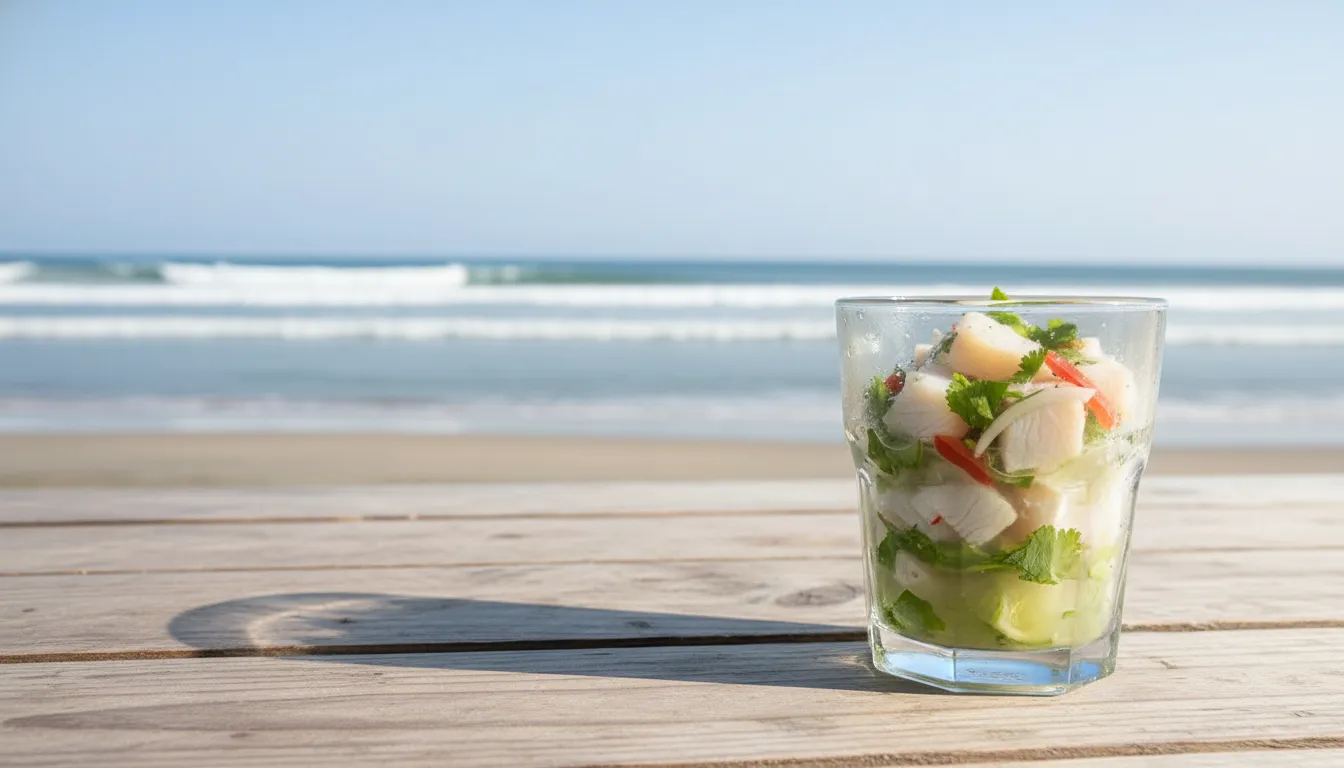
Let’s talk ceviche, because in Jacó, it’s practically a food group. Every beachfront restaurant, soda, and self-respecting seafood spot has their version, and the locals are wonderfully opinionated about whose is best. Traditional Costa Rican ceviche features fresh sea bass or corvina, finely diced and “cooked” in lime juice until it turns opaque and tender. The marinade typically includes cilantro, onions, bell peppers, and sometimes a hint of chile dulce for sweetness. Unlike Peruvian ceviche (served with the marinade) or Mexican versions (often tomato-heavy), Tico ceviche is usually drained and served chilled in a cocktail glass, sometimes with a side of crispy plantain chips or saltines. The best spots make it fresh throughout the day—if you’re ordering at 10 a.m. and they cheerfully say “sure!”, that’s a green flag. If they hesitate or say it’s “from this morning,” maybe come back closer to lunch when they’ve prepped a new batch.
Gallo pinto is Costa Rica’s breakfast soul food, and every local will fight you about whose grandmother makes it best. It’s a deceptively simple dish—yesterday’s rice mixed with black beans, sautéed with onions, bell peppers, and the secret weapon: Salsa Lizano, a slightly sweet, mildly spicy condiment that’s to Costa Rica what ketchup is to America. Served alongside eggs (any style), fried cheese, tortillas, and sweet plantains, it’s the breakfast that fuels surf sessions, construction projects, and lazy beach days with equal efficiency. The best gallo pinto has a slight crispiness where it touched the pan, with beans that haven’t turned to mush and rice that maintains its individual grains. Don’t skip the plantains—their caramelized sweetness balances the savory perfectly.
The casado is your introduction to Tico plate logic: why choose one thing when you can have six? This traditional lunch plate (the name means “married,” implying harmony between components) typically includes rice, beans, a green salad, fried plantains, picadillo (a vegetable hash), and your choice of protein—grilled chicken, fish, beef, or pork. It’s designed to be nutritionally complete, affordable, and filling enough to get you through an afternoon of physical work. At local sodas, a casado rarely tops $6-7, making it the go-to lunch for everyone from construction workers to budget-conscious travelers. After a morning of surfing or hiking, there’s something deeply satisfying about a casado’s balanced simplicity—it’s not trying to be Instagram-worthy, just genuinely nourishing.
From Street Eats to Seaside Seats: Navigating Jacó’s Dining Landscape
Sodas are the backbone of Costa Rican food culture, and Jacó has dozens. These family-run cafeterias serve authentic, affordable Tico fare in no-frills settings where the food does all the talking. Don’t expect English menus or Wi-Fi—expect generous portions, prices that make you double-check the bill (in a good way), and flavors that haven’t been dulled for tourist palates. The menu is often handwritten on a whiteboard, and if your Spanish is rusty, just point to what the person next to you is eating. That’s not just acceptable—it’s half the fun. Most sodas operate on the casado model for lunch, with slight variations daily. Breakfast is usually gallo pinto-based, and if they’re making fresh tortillas, you’ll smell them from the street. Our property is perfectly situated within walking distance of several excellent sodas, meaning families can grab a quick, authentic, and inexpensive bite without the hassle of driving or finding parking.
Beachfront dining in Jacó ranges from casual to surprisingly refined, but the common thread is location. There’s something magical about eating ceviche with your toes in the sand while waves crash ten meters away. Many beachfront spots are essentially open-air shacks with plastic chairs and coolers full of cold beer, serving whole fried fish, patacones (twice-fried plantain discs), and, of course, ceviche. These aren’t necessarily the cheapest meals in town, but you’re paying for the experience as much as the food. Watch for places where locals actually eat—if you see Tico families settling in for a Saturday afternoon feast, that’s your signal. The fish should be firm, not rubbery, and if it smells overly “fishy,” trust your instincts and order something else.
Jacó’s farmer’s market isn’t daily, but when it happens (typically weekends), it’s worth hitting early. You’ll find incredible produce—pineapples so sweet they barely seem real, mangos in season, fresh herbs, and sometimes prepared foods like empanadas or tamales from vendors who’ve perfected their recipes over decades. The market’s also a cultural experience: watch how locals shop, see what’s actually in season, and practice your Spanish in a low-pressure environment. If you’re staying somewhere with a kitchen (like ours), the market becomes your secret weapon for eating well without constant restaurant bills. Fresh ingredients here are so flavorful that even simple preparations—grilled fish with lime, rice with fresh cilantro—taste extraordinary.
Beyond Tico: International Flavors & Dietary Adventures in Jacó
Jacó’s expat community has created a surprisingly cosmopolitan dining scene. You’ll find Italian trattorias run by actual Italians, Argentinian parrillas serving steaks that could convert a vegetarian, sushi bars with surprisingly fresh fish (we are on the ocean, after all), and even Middle Eastern and Indian options. This international variety isn’t just novelty—it’s often genuinely good, prepared by people who miss the flavors of home and refuse to compromise. For families with picky eaters or groups with diverse tastes, this variety is a lifesaver. The pizza here rivals what you’d find in mid-tier American cities, and the sushi, while not Tokyo-level, is fresh and creative.
Dietary restrictions? Jacó’s got you covered better than you’d expect. Vegetarian and vegan options have exploded in recent years, with several cafes offering plant-based versions of traditional dishes or entirely vegan menus featuring smoothie bowls, veggie burgers, and creative salads. Gluten-free awareness is growing too, though you’ll want to communicate clearly (“sin gluten” and pointing to your stomach helps). Many restaurants are genuinely accommodating—Ticos are naturally hospitable, and most kitchen staff will work with you if they understand your needs. The bigger challenge might be explaining more obscure restrictions, so having a translation app handy helps.
For digital nomads, Jacó offers several cafes that understand the “buy one coffee, occupy table for four hours” business model. Look for spots with reliable Wi-Fi, ample outlets, and a tolerance for laptop dwellers. Many serve excellent coffee (Costa Rica is a major producer, after all) and light meals designed for sustained productivity. The best ones balance atmosphere—not too loud, not morgue-quiet—with strong connectivity and comfortable seating. Some even offer coworking memberships if you’re sticking around longer. A caffeine-fueled work session after a morning surf? That’s the Jacó dream.
Eating Smart, Eating Safe: Our Insider Tips for a Worry-Free Foodie Tour
Let’s address the water question directly: Costa Rica’s tap water is generally safe by Central American standards, and Jacó’s water supply meets basic potability requirements. However, many locals and long-term expats still opt for bottled or filtered water, especially for drinking. It’s not paranoia—it’s practical. The mineral content and chlorination levels can upset stomachs not accustomed to it, particularly in the first few days of your trip. Restaurants typically serve bottled water or use filtered water for ice (but ask if you’re uncertain). Our property has a fully equipped kitchen with filtered water, making it easy to stay hydrated without constantly buying plastic bottles—better for your stomach and the environment.
When exploring street food and smaller sodas, your best safety gauge is your observation skills. Watch how food is handled: is raw meat separated from ready-to-eat items? Are vendors using gloves or utensils rather than bare hands? Does the cooking surface look clean? If locals are lining up, that’s usually a good sign—high turnover means fresh food. Avoid anything that’s been sitting out in the heat for extended periods, and if something looks or smells off, trust your instincts. Most food safety issues in Costa Rica stem from poor handling rather than contaminated ingredients, so choosing busy, clean establishments dramatically reduces your risk. A little common sense goes a long way toward keeping your vacation stomach-issue-free.
Here’s a pleasant surprise: traditional Tico food isn’t particularly spicy. Costa Ricans favor fresh, natural flavors over heat, so if you’re sensitive to spice, you can relax. That said, most tables will have hot sauce (chilero or Salsa Lizano’s spicier cousin) available for those who want it. If you’re genuinely concerned, asking “¿Es picante?” (Is it spicy?) before ordering is perfectly acceptable. The staff won’t judge you—they’ll appreciate that you’re asking. This makes Jacó particularly family-friendly from a culinary standpoint; even kids who “don’t like anything” can usually find something appealing in the straightforward, fresh flavors of Tico cuisine. And if you’re craving heat? Several restaurants cater to that too, particularly those serving Mexican or international fare.
FAQ
What exactly is a ‘soda’ in Costa Rica and how do I order there without a Spanish dictionary?
A soda is a small, family-run restaurant serving traditional Costa Rican food at local prices—think of it as Costa Rica’s answer to a diner. Don’t expect fancy decor or English menus; expect generous portions, friendly service, and authenticity. Ordering is simple: most sodas offer a “casado” for lunch (a set plate with rice, beans, salad, plantains, and protein of your choice) and gallo pinto for breakfast. Just point to what others are eating, smile, and say “igual, por favor” (the same, please). Hand gestures and a friendly attitude work wonders. Most sodas have a limited menu anyway, so you’re unlikely to face decision paralysis.
Is it safe to drink the tap water in Jacó, or should I stick to bottled options?
Jacó’s tap water meets basic safety standards, but many visitors experience minor stomach upset due to different mineral content and treatment methods. Locals often drink bottled or filtered water themselves, so it’s not just tourist paranoia. For drinking, stick with bottled water or use a filtration system. Brushing teeth with tap water is generally fine, and ice at established restaurants is usually made from purified water—but asking never hurts. Our property offers filtered water, giving you a safe, convenient option that reduces plastic waste while keeping your stomach happy.
Where can I find the best ceviche that won’t break the bank and isn’t just for tourists?
The best ceviche often comes from unassuming beachfront spots or sodas near the fish market, where locals actually eat. Look for places making it fresh throughout the day—if you order at 2 p.m. and they say it was made that morning, consider coming back later for the fresh batch. Prices at local spots run $5-8 for a generous portion, versus $12-15 at tourist-oriented restaurants. Ask Tico friends or your property host for current recommendations, as the best spots can change seasonally. Generally, if the menu is only in Spanish and there are locals present, you’re probably in the right place.
Are there good options for vegetarians, vegans, or gluten-free diets in Jacó?
Absolutely. Jacó has several dedicated vegan cafes and many restaurants offering substantial vegetarian options beyond sad side salads. Traditional Tico food features plenty of beans, rice, plantains, and vegetables, making vegetarian casados easy to find. Vegan adaptations are increasingly common, and gluten-free awareness is growing—just communicate clearly (“sin gluten”) and most kitchens will accommodate you. Health-focused cafes offer smoothie bowls, salads, and plant-based entrees. It’s not quite Portland-level, but you won’t go hungry or bored.
What’s the usual tipping etiquette in Jacó restaurants and cafes?
Most restaurants in Costa Rica automatically include a 10% service charge on your bill (look for “servicio” on the receipt), which goes to staff. This isn’t optional—it’s built into the pricing. Beyond that, additional tipping is appreciated but not mandatory. If service was exceptional, adding another 5-10% is generous and noticed. At sodas and casual spots without automatic service charges, leaving 500-1000 colones ($1-2) is kind. At bars, rounding up or leaving small change per drink works. Unlike the US, servers aren’t dependent on tips for livable wages, so while appreciated, they’re not expected to be 20%.
Can I take a cooking class in Jacó to learn how to make traditional Costa Rican dishes?
Yes! Several local chefs and tour operators offer cooking classes focusing on traditional Tico cuisine. These typically include a market visit to source ingredients, followed by hands-on preparation of dishes like ceviche, gallo pinto, or arroz con pollo. Classes usually last 3-4 hours and include eating what you’ve made (the best part). It’s a fantastic way to understand Costa Rican food culture beyond just consuming it, and you’ll leave with recipes and techniques to recreate the flavors back home. Ask your accommodation host for current recommendations, as offerings can vary seasonally.
Bahía Azul, unit 7C sits right on this stretch of sand — on the quiet south end of Jacó, a few hundred feet from the water.
Book on Airbnb