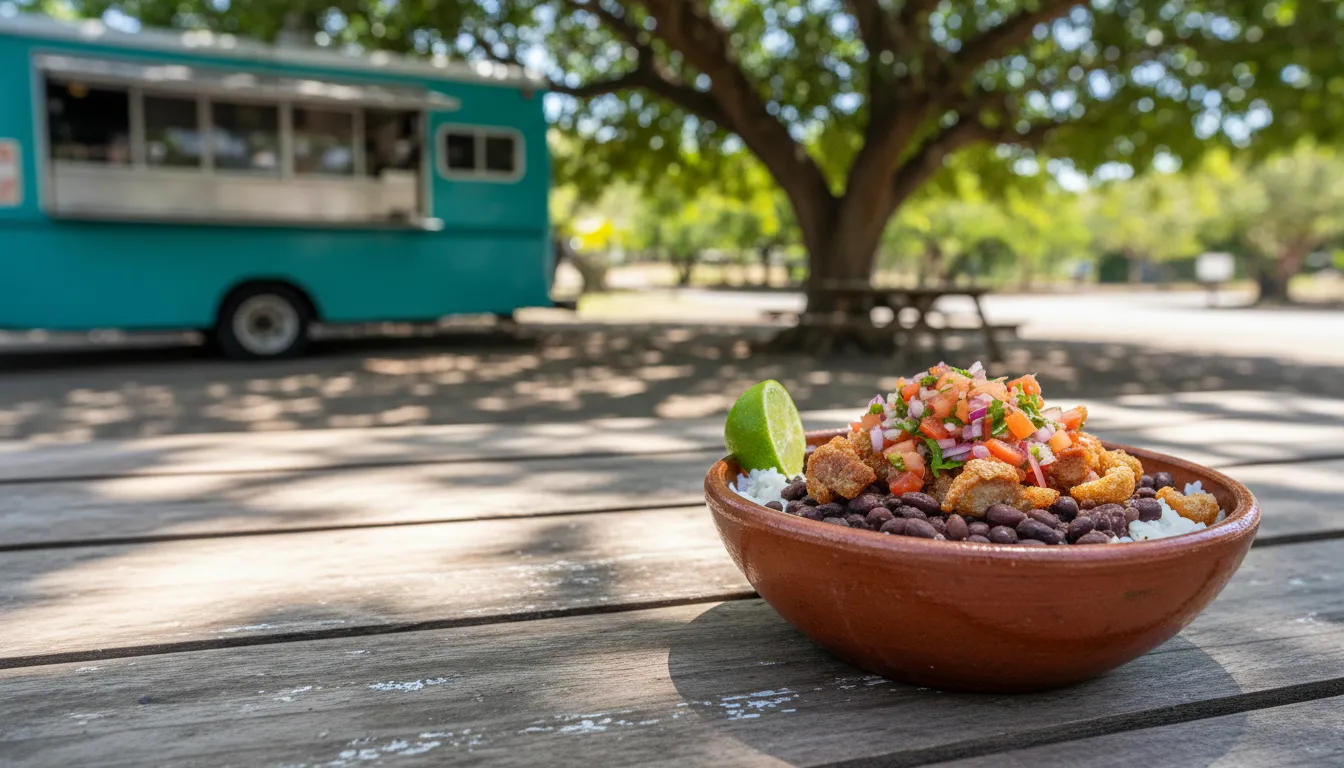
Forget the tourist-trap restaurants with inflated prices and mediocre casados. Jaco’s food truck scene has quietly evolved into one of the town’s best-kept culinary secrets—a vibrant collection of mobile kitchens serving everything from traditional Costa Rican comfort food to creative fusion dishes that’ll make your taste buds reconsider what “street food” actually means. Whether you’re craving a proper chifrijo after a surf session or hunting down authentic tacos al pastor that remind you why you traveled here in the first place, Jaco’s food trucks deliver flavor, value, and zero pretension. And the best part? Most accept cards now, so you can leave your colones at Jaco Beach Zen and still eat like royalty on a backpacker’s budget.
Why Jaco’s Food Truck Scene Punches Above Its Weight
Jaco isn’t exactly Manhattan, but its food truck scene rivals what you’d find in much larger beach towns. The secret? A perfect storm of hungry surfers, budget-conscious digital nomads, and Ticos who refuse to compromise on flavor just because they’re eating al fresco. Unlike the sit-down restaurants along the main strip that cater primarily to tourists, food trucks survive on repeat local business—which means the food actually has to be good, and the prices have to make sense.
The town’s food truck park near the municipal stadium has become the unofficial gathering spot for locals and clued-in visitors. On any given evening, you’ll find families sharing picnic tables, solo travelers working on laptops between bites, and groups of friends debating which truck has the best ceviche (spoiler: opinions vary wildly, and that’s half the fun). The atmosphere is decidedly low-key, the kind of place where showing up in sandy board shorts is not just acceptable but encouraged. No reservations, no dress code, no waiters hovering—just good food and the kind of easy social energy that makes you want to linger longer than you planned.
The Food Truck Park: Jaco’s Casual Dining Hub
Located near the municipal stadium off Pastor Díaz, Jaco’s main food truck park operates like a mini food court with personality. A rotating lineup of trucks sets up shop most evenings, offering everything from gourmet burgers to traditional Costa Rican dishes. The setup is refreshingly simple: order at the truck window, grab a seat at one of the communal picnic tables, and wait for your name to be called. Most trucks accept both cash and cards (a rarity in Costa Rica just a few years ago), and prices typically range from ₡3,000 to ₡8,000 per meal—about $5 to $14 USD.
The park gets busiest around sunset, when the heat breaks and everyone suddenly remembers they’re starving. Arrive early (around 5:30 PM) for shorter lines and your pick of seating, or embrace the crowd and show up around 7 PM when the social energy peaks. Lighting is basic but functional, bathrooms are available, and there’s usually someone selling cold Imperials from a cooler. It’s not fancy, but it’s exactly what great street food should be: accessible, affordable, and unapologetically casual.
Regular trucks include options for tacos, BBQ, Asian fusion, and classic Costa Rican sodas-on-wheels. The lineup rotates somewhat unpredictably (this is Costa Rica, after all), so your favorite truck might not be there every night. Consider it part of the adventure—you’re here to explore local cuisine, not follow a rigid dining schedule.
Must-Try Typical Costa Rican Dishes from Food Trucks
If you’re serious about eating like a local, skip the “international menu” trucks and head straight for the ones serving traditional Tico fare. Casado—the classic Costa Rican plate of rice, beans, plantains, salad, and your choice of protein—is executed brilliantly at several trucks for a fraction of what restaurants charge. Look for versions with chicharrón (fried pork belly) or grilled dorado for something special.
Chifrijo is another food truck MVP: a glorious pile of rice, beans, pico de gallo, and crispy chicharrón that somehow works as both a sharing appetizer and a full meal. The best versions come with plenty of fresh lime and homemade tortilla chips for scooping. It’s messy, satisfying, and probably not what your cardiologist would recommend, but you’re on vacation—live a little.
For breakfast or an early lunch, hunt down trucks serving gallos—small corn tortillas stuffed with everything from eggs and chorizo to slow-cooked beef or hearts of palm. They’re Costa Rica’s answer to tacos, only smaller, cheaper, and somehow more addictive. Pair them with fresh batidos (fruit smoothies) for the kind of breakfast that fuels a full day of surfing without weighing you down.
Beyond the Food Truck Park: Mobile Eats Around Town
While the food truck park gets most of the attention, some of Jaco’s best mobile food experiences happen elsewhere. Near PuddleFish Brewery, you’ll occasionally find what locals call “food trucks sin ruedas”—essentially food stalls without the actual truck, serving from semi-permanent setups. These hybrid operations blur the line between street food and casual restaurant, offering similar prices with slightly more sophisticated menus.
Along Costanera Sur (the main coastal highway through town), keep your eyes open for taco trucks that set up sporadically near the beach access points. These are hit-or-miss, but when you find a good one—proper al pastor with fresh pineapple, handmade corn tortillas, and salsa that actually has heat—it’s transcendent. The unreliability is part of the charm; when you stumble onto great street food unexpectedly, it feels like discovering a secret.
Some trucks park semi-permanently near residential areas north and south of downtown, serving primarily Ticos who work nearby. These spots rarely advertise to tourists, which means you’re getting the real deal: home-style cooking at local prices. Ask your hosts at Jaco Beach Zen for current recommendations—they’ll know which trucks are worth the short walk and which ones to skip.
Affordable Eats: What Your Money Actually Buys
Let’s talk numbers, because “affordable” is relative and you deserve specifics. A solid meal from a food truck—think a generous casado or three quality tacos—typically runs ₡4,000 to ₡6,000 ($7-$10 USD). Compare that to ₡8,000-₡12,000 for similar food at a sit-down restaurant, and the value proposition becomes obvious. You’re not sacrificing quality; you’re just eating outside and ordering at a window instead of from a menu.
Fresh fruit cups with lime and chili powder cost around ₡1,500, batidos run ₡2,000-₡3,000, and most sides (extra plantains, yuca fries, beans) are ₡1,000 or less. A cold Imperial from the cooler guy who inevitably shows up? ₡1,500-₡2,000. Do the math: two people can eat ridiculously well for under $20 USD total, with drinks. That’s the kind of budget that makes a week-long stay at Jaco Beach Zen even more appealing—you’re not hemorrhaging money on every meal.
Credit cards are increasingly accepted, but carry some cash just in case. Colones get you slightly better prices at some trucks, and not every vendor has reliable cell service for processing card payments. ATMs are plentiful in downtown Jaco if you need to restock.
Navigating the Scene: Practical Tips for Food Truck Success
Timing matters more than you’d think. Lunch service typically runs 11:30 AM to 2:30 PM, with trucks setting up again around 5 PM for dinner. Show up at 4 PM and you’ll find empty lots—show up at 8 PM and you might face sold-out specials. Weekend evenings get especially busy, so plan accordingly or embrace the chaos.
Don’t expect English menus or English-speaking staff at every truck. Basic Spanish helps, but pointing and smiling works surprisingly well. If you’re gluten-free, vegetarian, or have other dietary restrictions, food trucks can be challenging—though rice and beans are naturally gluten-free, and several trucks offer solid veggie options. Just be prepared to clearly communicate your needs.
Seating is first-come, first-served, and tables fill up fast during peak hours. Sharing tables with strangers is standard practice and actually encouraged—some of the best local tips come from conversations that start with “Is this seat taken?” Solo travelers particularly benefit from the communal vibe; eating alone at a food truck park feels infinitely less awkward than dining solo at a restaurant.
How Food Trucks Fit into Your Jaco Experience
The beauty of food trucks is their flexibility. They’re perfect for those nights when you’re too sandy and tired for a proper restaurant but too hungry for whatever’s in your vacation rental’s fridge. They work brilliantly for families with kids who need to eat NOW, for digital nomads who want to grab dinner and keep working, and for anyone who values authenticity over Instagram-worthy presentation.
Staying at Jaco Beach Zen puts you close enough to the food truck park for an easy evening walk, but far enough from the downtown chaos that you can enjoy your post-dinner beach stroll in relative peace. It’s that sweet spot of convenience without compromise—the same philosophy that makes food trucks such a perfect fit for Jaco in the first place. You’re here to experience the real Costa Rica, not some sanitized resort version of it. Food trucks deliver exactly that: unpretentious, delicious, and genuinely local.
Frequently Asked Questions
What time do food trucks in Jaco typically open?
Most food trucks set up for lunch around 11:30 AM and close by 2:30 PM, then reappear for dinner service starting around 5 PM through 9 or 10 PM. Weekend schedules can be more relaxed, and some trucks only operate evenings. The food truck park near the municipal stadium is your most reliable bet for consistent hours, especially during dinner. If you’re chasing a specific truck, arriving between 6-7 PM gives you the best chance of finding them set up and ready. Weather impacts schedules too—heavy rain means fewer trucks, though the hardcore vendors still show up.
Are Jaco food trucks safe to eat at?
Yes, with reasonable precautions. Established trucks with steady local clientele maintain good food safety practices because their business depends on it. Look for busy trucks with high turnover—fresh ingredients and properly cooked food. Avoid trucks with questionable refrigeration or those sitting in direct sun all day. Most operate at similar standards to casual Costa Rican sodas. That said, if you have a sensitive stomach, start with cooked foods rather than raw ceviches until you acclimate. The food truck park vendors are generally reliable, and asking locals which trucks they trust is always smart.
Do food trucks in Jaco accept credit cards?
Increasingly, yes. Many trucks now accept cards via mobile payment systems, though cash (especially colones) is still preferred and sometimes gets you slightly better prices. The larger, more established trucks at the food truck park near the stadium almost always take cards, while smaller mobile vendors might be cash-only. Carry both options to avoid disappointment. ATMs are readily available throughout downtown Jaco if you need cash, and most accept international cards. Having ₡10,000-₡20,000 in small bills ensures you’re covered regardless of the truck’s payment capabilities.
What are the best food trucks for authentic Costa Rican food?
The trucks specializing in casados, chifrijo, gallos, and traditional sodas-style cooking offer the most authentic Tico experience. Look for trucks with Spanish-only menus and primarily local customers—that’s your signal. The vendors at the food truck park who’ve been operating for years (ask around; locals know) consistently deliver quality traditional dishes. Avoid trucks advertising “American food” or “international cuisine” if authenticity is your goal. The best Costa Rican food trucks treat their recipes seriously, use fresh local ingredients, and aren’t trying to cater to tourist expectations of what tropical food should be.
Can I find vegetarian or vegan options at Jaco food trucks?
Yes, though options are more limited than at sit-down restaurants. Traditional Costa Rican rice and beans (gallo pinto) are naturally vegan when prepared without animal fat, and many trucks offer veggie casados with plantains, salad, and picadillo (seasoned vegetables). Some trucks specialize in fresh fruit, smoothies, and lighter fare that works for plant-based diets. Clearly communicating “sin carne, sin pollo, sin pescado” (no meat, chicken, or fish) helps. Asian fusion and taco trucks sometimes offer tofu or veggie versions of their standards. The food truck scene is evolving, and vendors increasingly accommodate dietary preferences when asked politely.
How much should I budget for eating at food trucks in Jaco?
Budget ₡4,000-₡6,000 ($7-$10 USD) per person for a satisfying meal with a drink. Lighter options like gallos or snacks run ₡2,000-₡3,000, while more substantial meals with sides might reach ₡8,000. Two people eating well at food trucks typically spend $15-$20 USD total, including drinks. If you’re staying in Jaco for a week and eating one meal daily at food trucks, budget roughly $50-$70 per person for the week. That’s significantly cheaper than restaurant dining while maintaining quality and variety. Carrying ₡10,000 per person gives you plenty of flexibility for meals and impulse purchases like fresh fruit or extra batidos.
Bahía Azul, unit 7C sits right on this stretch of sand — on the quiet south end of Jacó, a few hundred feet from the water.
Book on Airbnb