Jaco’s Farmers Market: Your Insider’s Guide to Fresh Finds & Local Flavors
Forget the polished supermarket aisles. Every Friday morning in Jaco, behind the soccer field near the Red Cross, something far more interesting unfolds: the Feria del Agricultor. This isn’t just a farmers market—it’s where locals stock up on the week’s freshest haul, vendors banter in rapid-fire Spanish, and the air smells like ripe mangoes mixed with brewing coffee. If you’re staying close enough to wander downtown but far enough to hear the waves, this weekly ritual is practically mandatory. Grab your reusable bags, pocket some colones, and prepare for a sensory experience that beats any resort buffet. This is where Jaco eats, and now you will too.
The Friday Feast: What to Expect at Jaco’s Feria del Agricultor
Every Friday from 6 AM to 2 PM, the area behind the soccer field transforms into a buzzing marketplace that locals wouldn’t miss for anything. This isn’t a curated Instagram backdrop—it’s a working market where farmers from surrounding areas bring their weekly harvest, and the energy is wonderfully chaotic.
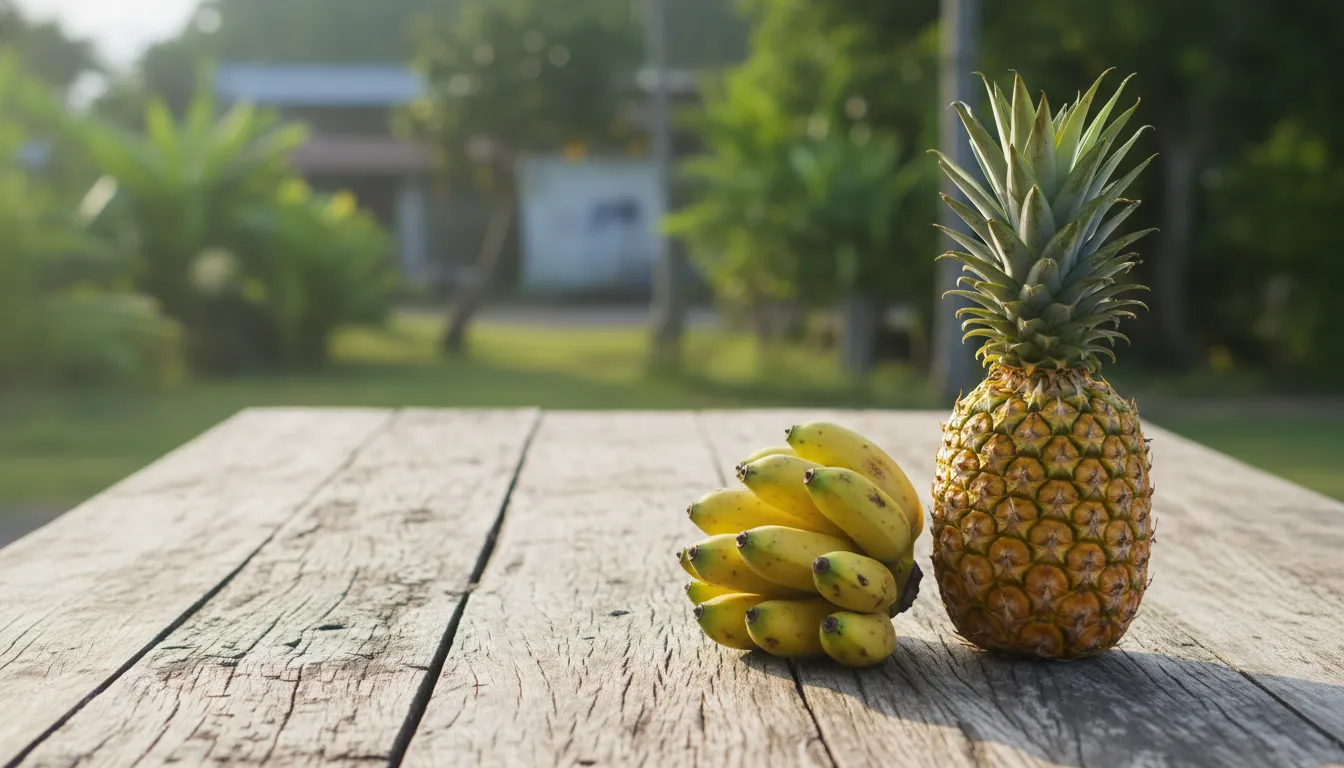
The produce selection alone will make you question everything you thought you knew about tropical fruit. Those tiny, stubby bananas? They’re called manzanas, and they’re about ten times sweeter than the oversized ones you’re used to. The pineapples practically glow with ripeness, and if you spot mamones (also called Spanish limes), grab a bag—they’re addictive little green orbs that taste like tropical candy. You’ll also find pejibayes when they’re in season, a starchy orange palm fruit that’s an acquired taste but deeply traditional.
Beyond the fruit mountains, you’ll discover homemade cheeses with textures you won’t find in any grocery store, freshly baked goods that emerge warm from vendor ovens, and sometimes even local coffee vendors offering beans roasted just days prior. The legendary churros from Pachi’s Pan often sell out by mid-morning, so if you’re an early riser, this becomes your breakfast mission. It’s not just shopping—it’s a full-on immersion into how Jaco actually feeds itself.
Navigating the Market: Pro Tips for First-Timers (and Return Visitors)
First rule: bring cash. Specifically, bring colones in small denominations. While a handful of tech-savvy vendors might accept SINPE Mobile (Costa Rica’s digital payment system), the vast majority operate strictly cash-only. Trying to break a 10,000-colón note for a 1,500-colón papaya purchase won’t make you popular. Hit an ATM before you arrive.
Second rule: bring your own bags. You’ll accumulate more fresh produce than seems physically possible, and reducing single-use plastic is always the right move. Those mesh produce bags work great, but honestly, any sturdy tote will do.
Timing matters more than you’d think. Arrive between 7-8 AM for the absolute best selection—this is when serious cooks show up, and vendors have their full inventory on display. But if you’re not a morning person or prefer navigating without the crowd, aim for 10-11 AM. You’ll miss a few specialty items, but the experience becomes more leisurely, with vendors often more willing to chat and offer samples.
As for haggling: go easy. Prices are already remarkably fair, and these are local farmers, not corporate produce distributors. A friendly smile and genuine interest in their products will get you much further than aggressive bargaining. Many vendors will toss in a couple extra mangoes or a handful of herbs just because you took the time to ask about their farm. That’s the Pura Vida approach.
Beyond the Groceries: Artisan Crafts and Local Finds
The Feria isn’t solely about what you’ll cook for dinner. Woven between the produce stands, you’ll find local artisans selling handcrafted goods that actually mean something. Hand-painted ceramics with traditional Costa Rican motifs, woven baskets made from natural fibers, bars of natural soap infused with local ingredients like coffee or coconut, and carved wooden items that don’t scream “tourist trap.”
These aren’t mass-produced souvenirs shipped in from who-knows-where. Many items are genuinely made by the people selling them or their immediate family members. You’ll spot the difference immediately—there’s a quality and authenticity that generic beach town gift shops simply can’t replicate.
If you need a meaningful souvenir or a gift that actually represents Costa Rica (without being a neon-painted wooden macaw), this is your spot. A handwoven basket becomes a useful kitchen item back home. A piece of local pottery carries actual backstory. Plus, your money goes directly to the person who created it, which feels infinitely better than padding some souvenir shop owner’s margins.
Street Eats & Market Bites: Fueling Your Friday Adventure
Never, ever shop this market on an empty stomach. You’ll make terrible decisions, and you’ll miss out on some of the best casual eating in Jaco. Scattered throughout the market, you’ll find impromptu food stands serving traditional Costa Rican breakfast and snacks that will ruin you for resort food.
Homemade tamales are a staple—look for vendors with large pots wrapped in cloth. These aren’t the Mexican-style tamales you might know; Costa Rican versions are typically larger, wrapped in banana leaves, and filled with seasoned masa, chicken or pork, rice, vegetables, and sometimes a slice of egg. They’re hearty, cheap, and perfect for eating while you browse.
Fresh empanadas appear mid-morning, often filled with savory potato and cheese or seasoned ground meat. Natural fruit juices (frescos naturales) are everywhere—watermelon, cas (a tart local fruit), blackberry, you name it. They’re made fresh, lightly sweetened, and served ice-cold, which is exactly what you need in Jaco’s morning heat.
And then there are those Pachi’s Pan churros. They’ve achieved near-mythical status among locals and repeat visitors. Crispy on the outside, soft inside, rolled in cinnamon sugar, and served warm. Grab one with a cup of local coffee, find a shady spot, and just absorb the scene. This is street food the way it’s meant to be—unpretentious, delicious, and deeply connected to place.
From Our Kitchen to Yours: Making the Most of Your Market Haul
If you’re staying at Jaco Beach Zen, you’re perfectly positioned to make the market part of your weekly rhythm. Our fully equipped kitchens aren’t just decorative—they’re designed for exactly this kind of adventure. That papaya you picked up for practically nothing? It becomes tomorrow morning’s smoothie. Those fresh tomatoes and cilantro? They’re tonight’s pico de gallo.
Freshly picked produce simply tastes different. There’s a vibrancy to market vegetables that grocery store versions can’t match, probably because they were growing in someone’s field yesterday instead of sitting in cold storage for two weeks. You’ll find everything needed to create an authentic gallo pinto (rice and beans) that puts resort breakfast versions to shame, or a fruit salad so good it becomes your new morning ritual.
It’s also refreshingly economical. Eating out every meal in Jaco adds up quickly, but cooking a few dinners with market ingredients keeps your budget reasonable without sacrificing quality. Whether you’re fueling up before a surf session or simply enjoying a quiet dinner on your private terrace, there’s something deeply satisfying about cooking with ingredients you hand-selected that morning.
Frequently Asked Questions
What day and time is the Jaco farmers market open?
The Feria del Agricultor operates every Friday from 6 AM to 2 PM. Early birds (6-8 AM) get the best selection, but arriving around 10-11 AM offers a more relaxed experience with fewer crowds. The market doesn’t happen on any other day of the week, so plan accordingly. Vendors typically start packing up around 1:30 PM, so don’t cut it too close if you want decent selection.
Where exactly is the Jaco farmers market located?
You’ll find the market behind the soccer field, near the Red Cross building in central Jaco. If you’re walking from the main beach road (Costanera), head inland toward the church, then look for the soccer field—you’ll hear and smell the market before you see it. It’s about a 10-15 minute walk from most central accommodations. Locals simply call it “la feria,” and anyone can point you in the right direction.
What kind of payment does the Jaco farmers market accept?
Cash is essential—specifically Costa Rican colones. The vast majority of vendors don’t accept credit cards, and while a few younger vendors might have SINPE Mobile (a local digital payment app), you absolutely cannot rely on it. Bring small bills (1,000 and 2,000 colón notes work best) because making change for large bills frustrates everyone. There’s an ATM nearby if you forget.
Can I find traditional Costa Rican street food at the market?
Absolutely. Throughout the market, you’ll discover food stands serving homemade tamales, fresh empanadas, natural fruit juices, and sometimes even casado plates. The famous Pachi’s Pan churros are a Friday morning institution. Everything’s made fresh, reasonably priced, and gives you an authentic taste of local food culture. Arrive hungry—seriously. This is some of the best casual eating in Jaco.
Are there souvenirs or crafts available at the Jaco market?
Yes, and they’re genuinely worth browsing. Local artisans sell hand-painted ceramics, woven baskets, natural soaps, carved wooden items, and various handcrafted goods. These aren’t generic tourist trinkets—many items are made by the vendors themselves or their families. Quality tends to be higher and prices more reasonable than souvenir shops. If you want a meaningful keepsake that actually represents Costa Rican craftsmanship, this is your spot.
Is the Jaco farmers market suitable for families with kids?
Definitely. The market is generally safe, family-friendly, and kids often enjoy the sensory experience—colorful fruits, interesting smells, and the bustling atmosphere. That said, it gets crowded, especially in the morning, so keep younger children close. Many vendors are happy to offer samples, which kids love. Just maintain normal awareness of your surroundings, keep valuables secure, and you’ll have a great family outing.
Bahía Azul, unit 7C sits right on this stretch of sand — on the quiet south end of Jacó, a few hundred feet from the water.
Book on Airbnb