From Soil to Soul: Jaco’s Best Farm-to-Table Nooks (and how to find ‘em)
Jaco’s culinary secret isn’t hidden in some impossibly chic rooftop bar—it’s buried in the soil of the Central Valley, cultivated by farmers you could actually meet, and served on plates that tell stories shorter than most Uber rides. While other beach towns slap “farm-to-table” on menus like participation trophies, Jaco’s geography makes the whole thing almost unavoidable. When your produce travels less distance than your morning surf check, and your fish was swimming this morning before you finished your second coffee, “local” stops being a marketing gimmick and starts being just… Tuesday. This isn’t about dropping big bucks at temples of gastronomy (though we’ve got those too). It’s about understanding that in Jaco, the shortest distance between incredible flavor and your fork often runs through a nearby farm, a fisherman’s cooler, or a chef who knows both by first name.
Why ‘Farm-to-Table’ Isn’t Just a Buzzword in Jaco—It’s a Lifestyle
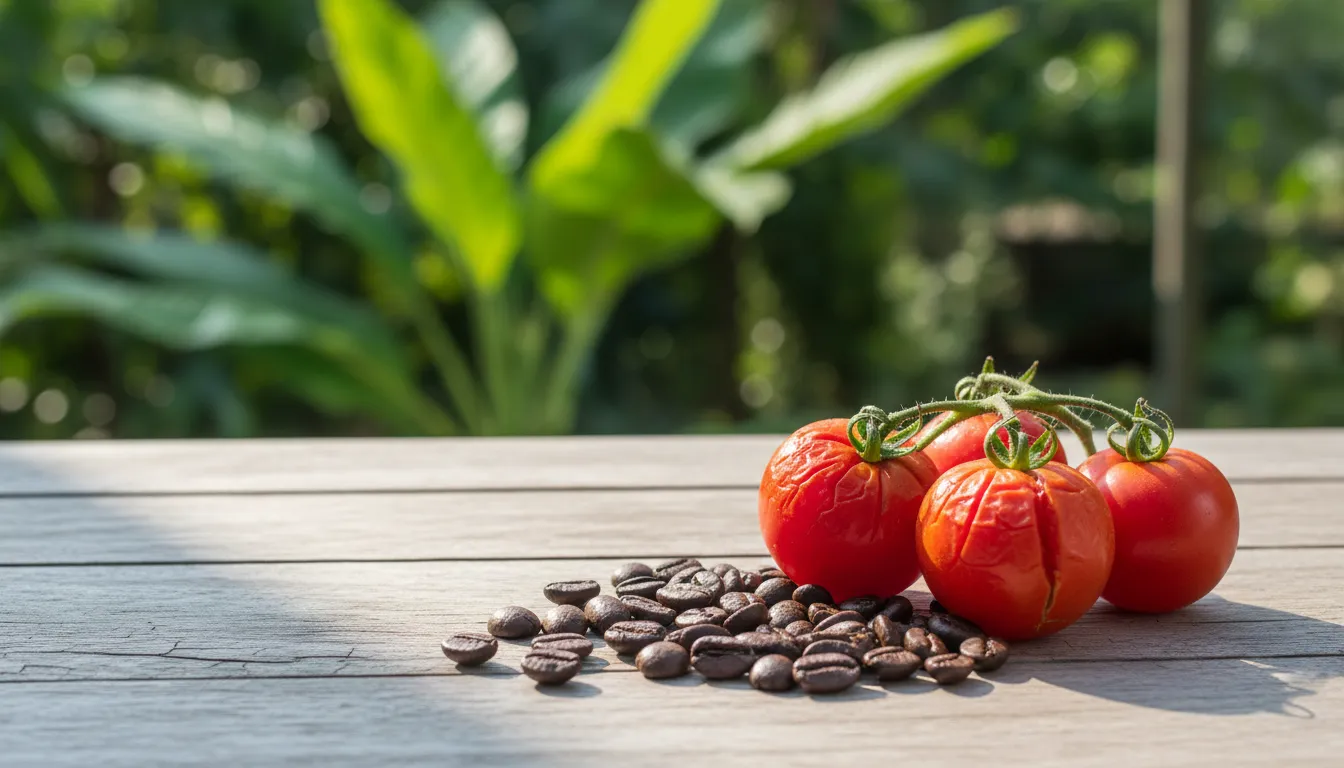
Costa Rica’s geography reads like it was designed by someone who really loved fresh food. The Central Valley—Costa Rica’s agricultural heartland—sits less than two hours from Jaco’s coastline, meaning the tomatoes on your plate this evening were probably still attached to a vine this morning. The Pacific Ocean delivers its own daily shipment mere meters from most kitchens. This isn’t farm-to-table by philosophical commitment; it’s farm-to-table because anything else would require genuinely more effort.
The impact on flavor isn’t subtle. A strawberry that spent six hours in transit tastes fundamentally different from one that spent six days, and Jaco’s chefs know this intimately. Local coffee doesn’t just appear in your cup—it becomes a spice rub that transforms steak into something revelatory. Organic greens from nearby Atenas arrive so fresh they practically still have morning dew, creating salads that make you question whether you’ve actually tasted lettuce before. Pescado del día isn’t a menu placeholder—it’s whatever the local fishermen hauled in before sunrise, often species you won’t find on any chain restaurant menu because they don’t ship well enough to matter anywhere else.
What elevates Jaco’s approach beyond simple logistics is the community ecosystem it creates. Farmers develop relationships with specific chefs, learning what they need and when. Chefs plan menus around what’s thriving rather than what some corporate supplier can deliver. Diners—whether they realize it or not—become part of a economic circle that keeps small farms viable and fishing families employed. The “feel-good” factor isn’t manufactured; it’s a genuine byproduct of a system that works better for everyone when it stays local, stays fresh, and stays honest.
Graffiti Restro Café + Wine Bar: The OG of Organic Innovation
If Jaco’s farm-to-table scene has a founding father, it’s probably sipping espresso at Graffiti right now, sketching out tomorrow’s menu based on what showed up from the farms this morning. This place set the standard before “farm-to-table” became something you needed to explain to tourists, establishing direct partnerships with regional farmers that would make corporate sourcing managers weep with envy. Their menu doesn’t just change seasonally—it shape-shifts weekly, sometimes daily, responding to the rhythm of harvests and catches with the flexibility of a chef who views suppliers as collaborators rather than vendors.
Walk in on a Tuesday, and you might encounter a coffee-rubbed steak that showcases Costa Rica’s high-altitude arabica as a spice rather than just a beverage. Return Friday, and the same cut might wear a completely different preparation because a different farm delivered something that inspired a different direction. Their tropical fruit salsas don’t play the greatest hits—they feature whatever’s exploding with ripeness that particular week. Mango one visit, papaya the next, sometimes a hybrid variety you’ve never heard of because the farmer was experimenting and the chef said “let’s see what happens.”
What really distinguishes Graffiti isn’t just the food—it’s the philosophy embedded in every plate. By partnering directly with producers, they’ve created a support system for local agriculture that extends beyond simple transactions. Farmers get reliable buyers for specialty crops that might not move in conventional markets. Diners get ingredients at peak freshness prepared by people who understand them. The community gets an economic model that keeps money circulating locally rather than vanishing into corporate coffers elsewhere. And yeah, the food is legitimately fantastic, which doesn’t hurt.
The location works beautifully for anyone staying at Jaco Beach Zen—it’s a short, well-lit walk that lets you trade beachfront serenity for culinary adventure without requiring a vehicle, a taxi negotiation, or any particular planning beyond “lets eat somewhere excellent tonight.”
Beyond the Plate: Jaco’s Unexpected Farm-to-Table Adventures
The most memorable farm-to-table experience in Jaco might not happen in a restaurant at all. Head into the hills above town—toward Pueblo Nuevo or Bijagual—and you’ll find “Mountain to Table” tours that flip the script entirely. Instead of admiring locally-sourced ingredients on a menu, you’re pulling them from actual soil, learning why that particular tomato variety thrives here, and understanding the work behind the harvest. Then comes the genuinely magical part: [cooking what you just picked](https://jacobeachzen.com/Family-Friendly Activities/family-cooking-classes-in-jaco), often alongside the farming family who grew it, creating a meal that traces a journey measured in footsteps rather than food miles.
These experiences deliver something no restaurant can replicate—a visceral connection to food’s origins that transforms how you think about eating for months afterward. You’re not just consuming; you’re participating in the full agricultural story, from dirt under fingernails to herbs sizzling in a pan. Kids especially lose their minds over this (in the best way), suddenly interested in vegetables they’d normally negotiate away at dinner because they literally helped grow them thirty minutes ago.
For those who’d rather bring the experience home—well, home for the week at least—private chef arrangements offer another dimension entirely. Imagine a chef arriving at your villa, armed with the morning’s market haul, and transforming your kitchen into a pop-up restaurant serving food so fresh it makes “farm-to-table” seem like an understatement. Some properties, including Jaco Beach Zen, can arrange exactly this through their concierge services, creating evenings where world-class dining happens in your own space, often at a fraction of what you’d pay in a traditional high-end restaurant.
The beauty of these alternatives is how they democratize the farm-to-table experience. You’re not dependent on reservations, dress codes, or fitting someone else’s schedule. You’re creating food moments that align with your vacation rhythm, whether that means a sunset dinner on your terrace or a hands-on agricultural adventure that becomes the story you tell most when you return home.
Finding the Freshest Bites: Tips for the Discerning Diner
Not every restaurant slapping “fresh” and “local” on their signboard deserves those descriptors. The good news? Genuinely farm-to-table establishments tend to advertise their commitment through details rather than declarations. Look for menus that shift regularly—if you’re seeing the exact same offerings in December and April, someone’s relying heavily on suppliers with year-round inventory, which usually means imports. Seasonal variation is the tell.
Specificity signals authenticity. When a menu mentions “greens from Finca Bella Vista” or “coffee from the Jimenez family plantation near Atenas,” you’re dealing with a kitchen that knows its sources by name, not invoice number. Generic descriptors like “locally-sourced” could mean anything from genuinely local to “we bought it within the same country.” Real farm-to-table restaurants wear their partnerships like badges of honor, often featuring farmer profiles on walls or websites.
Don’t hesitate to interrogate your server—politely, of course. Most establishments genuinely committed to local sourcing love these questions. Ask where the fish came from, what farm supplied the vegetables, whether the beef is Costa Rican. Passionate answers full of specific details? You’re in the right place. Vague deflections or irritation? Maybe reconsider your order.
One safety note, particularly for families: fresh doesn’t automatically mean safe, especially with seafood. Ensure your chosen establishment handles and stores ingredients properly. Reputable restaurants maintain visible cleanliness, proper refrigeration, and knowledgeable staff who can discuss preparation methods. In Jaco, most established farm-to-table spots meet these standards easily, but tourist areas always attract opportunists. Trust your instincts, and when in doubt, stick with places that have consistent positive reviews specifically mentioning food quality and safety.
Jaco’s Culinary Canvas: More Than Just ‘Tico’ Food (But Don’t Skip It!)
While innovative chefs are deconstructing tropical fruits and creating fusion masterpieces, Jaco’s traditional Costa Rican food scene deserves equal respect—especially because it’s been practicing farm-to-table principles since before the term existed. The local sodas scattered throughout town have been serving casados built around whatever’s fresh and available since long before it was trendy, simply because that’s how Costa Rican food culture works. Small family restaurants don’t truck in exotic ingredients from distant suppliers; they use what’s abundant, affordable, and at peak ripeness, which happens to align perfectly with modern farm-to-table philosophy.
A full day of authentic Tico eating in Jaco offers its own kind of farm-to-table education. Start with gallo pinto for breakfast—that ubiquitous rice and bean combination that somehow tastes different at every soda because each family makes it slightly differently, often using beans they’ve cooked from scratch. Lunch might bring a casado: rice, beans, plantains, salad, and your protein choice, all arranged on one plate in a composition that’s remained unchanged for generations because it works. These aren’t fancy presentations, but the ingredients tell their own story of freshness and local procurement.
What’s fascinating is watching how traditional preparations and modern farm-to-table innovation coexist and sometimes blend in Jaco. You’ll find sodas where the family-recipe casado sits alongside more contemporary dishes, or high-end restaurants that deconstruct traditional Tico meals into something that would photograph beautifully on Instagram while still honoring the core flavors. Neither approach is superior—they’re different expressions of the same commitment to showcasing Costa Rica’s incredible agricultural bounty.
The accessibility of traditional Tico food also makes it perfect for travelers on any budget. Farm-to-table dining doesn’t require fine dining prices when the entire food culture already emphasizes fresh, local ingredients. A $6 casado at a family-run soda might deliver farm-to-table credentials that rival a $30 entrée elsewhere, just with less ambiance and fewer adjectives on the menu.
Frequently Asked Questions
Are farm-to-table restaurants in Jaco expensive?
Not necessarily—it depends entirely on the establishment. High-end spots like Graffiti command premium prices for innovative preparations and refined atmospheres, but plenty of traditional sodas and casual eateries serve legitimately farm-to-table meals at budget-friendly prices simply because that’s how Costa Rican food culture operates. Local ingredients are often cheaper than imports anyway, meaning farm-to-table can actually reduce costs rather than inflate them. Expect to pay anywhere from $5-8 for an excellent casado at a soda to $25-40 for creative farm-to-table entrées at upscale restaurants. The quality-to-price ratio tends to be excellent across the spectrum.
Can I find vegetarian or vegan farm-to-table options in Jaco?
Absolutely, and Costa Rica’s agricultural diversity makes this easier than you’d expect. Many farm-to-table restaurants offer vegetable-forward menus that naturally accommodate plant-based diets, using local produce as the star rather than an afterthought. Traditional Tico food can require some navigation—beans are sometimes cooked with pork—but most establishments will happily accommodate requests, especially at places accustomed to international visitors. The Central Valley produces incredible variety: heirloom tomatoes, exotic fruits, organic greens, and vegetables you’ve probably never encountered. Creative chefs are increasingly building entire menus around these, making Jaco surprisingly vegetarian and vegan-friendly for a beach town.
How do I know if a restaurant is truly farm-to-table and not just calling itself that?
Look for specificity. Authentic farm-to-table restaurants name their suppliers, change menus frequently based on seasonal availability, and employ staff who can answer detailed questions about ingredient sources. Check whether the menu shifts between visits or seasons—static offerings suggest reliance on consistent suppliers rather than fresh local harvests. Physical signs matter too: photos of partner farms, farmer profiles on walls, or mentions of specific producers on menus all indicate genuine relationships rather than marketing speak. When in doubt, ask your server directly where ingredients come from. Passionate, detailed answers signal authenticity; vague deflections suggest otherwise.
Are there farm-to-table options for breakfast in Jaco?
Definitely, though you might find them hiding in plain sight. Traditional Costa Rican breakfast—gallo pinto with eggs, fresh fruit, and local coffee—is inherently farm-to-table when prepared at quality sodas using fresh ingredients. Several cafés and restaurants also offer more contemporary breakfast menus featuring local organic produce, farm eggs, and fresh-baked goods using Costa Rican ingredients. The best hotel and villa breakfasts often incorporate local sourcing too, especially at properties that pride themselves on culinary quality. Your morning meal in Jaco can easily trace back to nearby farms, whether you’re eating at a beachfront café or having breakfast prepared at your accommodation.
What’s the best way to get to these farm-to-table spots from downtown Jaco?
Most farm-to-table restaurants within Jaco proper are walkable from central locations, especially if you’re staying near the beach. Evening walks along well-lit main streets are generally safe and pleasant, though always maintain normal urban awareness. For mountain farm tours or restaurants in the hills above town, you’ll need transportation—most tour operators provide pickup, or you can arrange taxi service relatively inexpensively. If you’re staying at Jaco Beach Zen, many quality farm-to-table restaurants sit within comfortable walking distance, and the property can help arrange transportation for experiences requiring vehicles, making logistics simple regardless of which culinary adventure you choose.
Are these restaurants kid-friendly for families traveling to Jaco?
Most absolutely are, especially traditional sodas and casual establishments where families form the core customer base. Costa Rican food culture is inherently family-oriented, so even farm-to-table restaurants tend to welcome children warmly. The food itself works well for kids—fresh, often simple preparations without overwhelming spice or complexity, plus familiar items like rice, beans, and grilled proteins. Farm tours and cooking experiences are particularly fantastic for children, offering hands-on education that makes vegetables exciting rather than obligatory. Higher-end restaurants might have more formal atmospheres less suited to very young children, but staff are generally accommodating. When booking farm experiences, mention you’re traveling with kids—guides often adjust activities to engage different age groups effectively.
Bahía Azul, unit 7C sits right on this stretch of sand — on the quiet south end of Jacó, a few hundred feet from the water.
Book on Airbnb