From Seed to Supper: Unearthing Jacó’s Freshest Farm-to-Table Flavors
Forget everything you think you know about resort-town groceries. In Jacó, the distance between dirt and dinner plate is refreshingly short—and that’s precisely how the locals like it. While most beach destinations shuffle you toward tourist-trap restaurants with questionable “fresh catch” claims, this Pacific coast gem operates on a different frequency. Here, Friday mornings mean dodging wheelbarrows of pineapples at the farmer’s market, and fishermen still pull their pangas onto the sand before breakfast. Whether you’re plotting a week of home-cooked meals or simply want to know where your ceviche actually swam this morning, understanding Jacó’s ingredient ecosystem transforms your entire Costa Rican experience. This isn’t farm-to-table as marketing speak—it’s just how things work when you’re sandwiched between volcanic soil and fishing grounds.
The Friday Feast: Navigating Jacó’s Legendary Feria del Agricultor
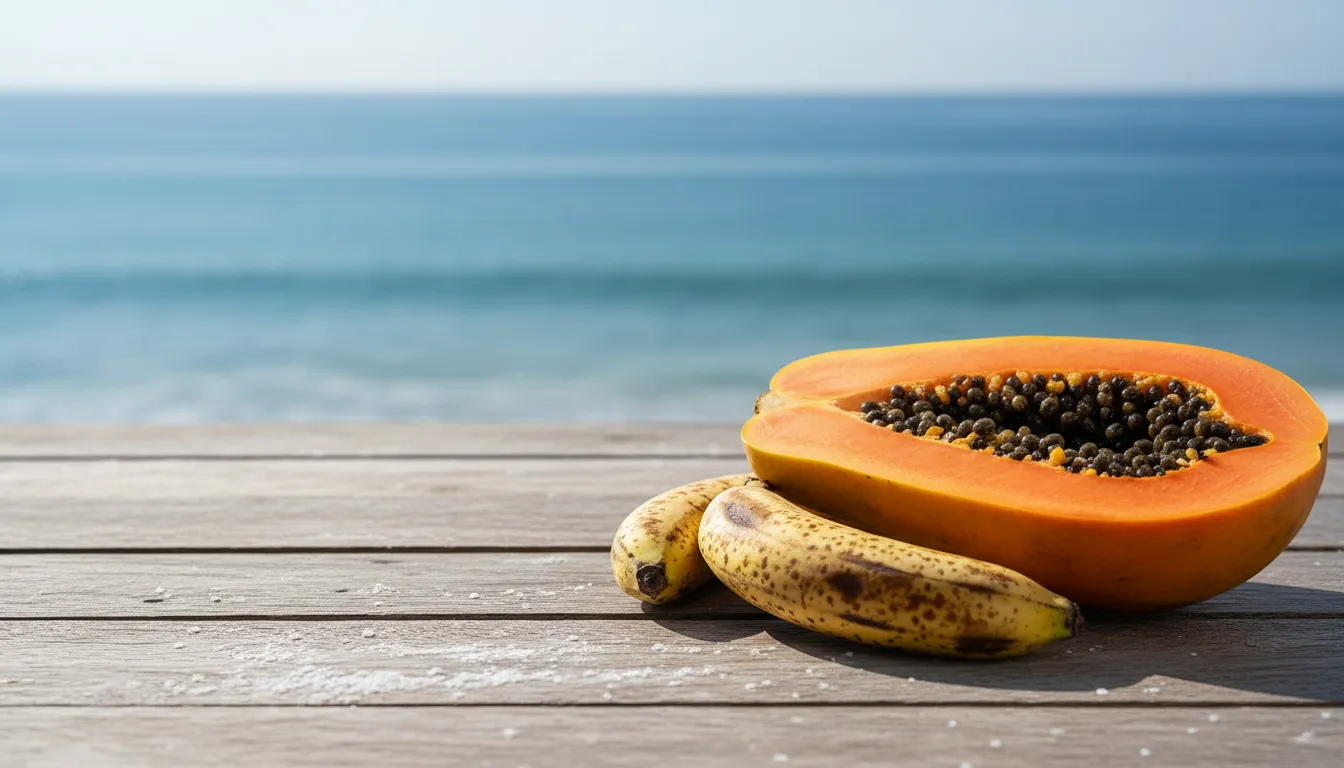
Every Friday, a soccer field near the plaza (behind the Red Cross, if you’re getting directions from locals) transforms into what might be Costa Rica’s most underrated weekly event. The Feria del Agricultor isn’t your sanitized farmer’s market with Instagram-ready signage—it’s a genuine agricultural free-for-all where produce practically winks at you, still dewy from morning harvest. Vendors stack pyramids of ruby-red tomatoes next to mountains of cilantro, while the air thickens with competing aromas of ripe papaya, fresh bread, and somebody’s grandmother’s tamales.
The market operates roughly 6:00 AM to 2:00 PM, though calling it mere “grocery shopping” misses the point entirely. This is theater. You’ll watch local chefs aggressively inspecting avocados, Tico families negotiating prices with vendors they’ve known for decades, and fellow travelers attempting to communicate “no plastic bag, please” in phrasebook Spanish. The early-bird advantage is real—arrive before 8:00 AM for primo selection, especially if you’re hunting specialty items like organic ginger or those tiny, intensely sweet bananas that never make it to supermarkets.
Don’t play shy here. Vendors actively encourage sampling, making the Feria an excellent venue for advancing your pineapple education (there are more varieties than you’d guess) and practicing your “Pura Vida” pronunciation. Bring reusable bags, cash in colones (vendors appreciate it), and prepare for playful haggling—though prices are generally fairer than you’d find stateside. One insider move: ask vendors which items were harvested that morning versus yesterday. The answer reveals who’s actually farming versus reselling, and farmers love sharing their growing stories.
Beyond the Market: Hidden Gems for Daily Freshness
The Feria commands Friday, but Jacó’s fresh-food infrastructure doesn’t clock out the other six days. Scattered throughout town, you’ll discover smaller verdulerías—produce stands that range from permanent storefronts to wonderfully improvised setups involving crates, umbrellas, and excellent mangoes. These neighborhood spots save you when you’ve demolished your Friday haul by Tuesday or when those Market watermelons looked better than they tasted.
The real treasure hunt happens on the roads. Driving into town from the north or toward Herradura, roadside stands appear like edible mirages—pickup trucks parked under shady trees, their beds overflowing with whatever’s currently exploding from local farms. Sometimes it’s papayas so ripe they should come with a “consume immediately” warning. Other times it’s coconuts, still cold from transport, which vendors will machete open while you wait. Farm-gate sales eliminate middlemen entirely, connecting you directly with growers who can explain why their coffee tastes different or why these particular plantains work better for patacones.
For travelers with specific dietary commitments, Jacó’s small but dedicated organic shops fill the gaps. These curated spaces lack the Feria’s chaos but compensate with specialty items: sprouted breads, imported nutritional yeast, organic eggs from chickens with better lives than most humans. Prices tick higher, naturally, but quality matches. Staff actually know their inventory’s sourcing, making these spots ideal for gluten-free, vegan, or paleo provisions that mainstream markets botch.
Hook, Line, and Dinner: Sourcing Jacó’s Pristine Seafood
Coastal geography delivers one spectacular advantage: your dinner might’ve been swimming four hours ago. In Jacó, “fresh seafood” isn’t aspirational marketing—it’s baseline reality. The Pacific Ocean churns twenty meters from some streets, and fishermen still operate on rhythms older than tourism itself. Forget the frozen-then-thawed nonsense plaguing inland restaurants. Here, you can literally watch your meal get caught.
Early mornings or late afternoons, migrate toward the beach near the river mouth. Look for pangas—small fishing boats—cutting through surf toward shore. Fishermen don’t operate retail shops with posted hours; they sell directly from coolers, right there on sand. What’s available depends entirely on what bit that morning: dorado (mahi-mahi), snapper in six varieties, tuna steaks thick as paperback novels, occasionally octopus if you’re lucky. Prices fluctuate with catch size, but you’re buying wholesale, essentially.
Inspection protocol matters. Fresh fish features clear, bright eyes (cloudy means old), firm flesh that springs back when pressed, and oceanic smell without fishiness. Gills should show vibrant red, not brown. Don’t hesitate asking when it was caught—fishermen respect customers who actually care. Most will clean and fillet on request, armed with knives that could perform surgery.
If beach transactions feel too adventurous, established pescaderías (fish markets) provide reliable middle ground. These shops source from the same fishermen but offer refrigeration, consistent hours, and staff who’ll debone that whole snapper while discussing optimal cooking methods. They’re your safety net for dinner-party seafood when you can’t coordinate with fishing schedules. At Jaco Beach Zen, those fully equipped kitchens with proper cookware suddenly make perfect sense—grilling fresh dorado by the pool beats restaurant reservations any Friday.
Farm-to-Table Restaurants: Where Local Ingredients Shine (with a Chef’s Touch)
Jacó’s culinary evolution has graduated beyond “beach town with decent food” into something legitimately exciting. A growing cohort of chefs now treats ingredient sourcing as seriously as technique, building menus around what’s actually thriving locally rather than what some corporate supplier delivers frozen. These restaurants don’t just claim “farm-to-table”—they’ll name the specific farm, the fisherman, sometimes the chicken.
Seasonal menus aren’t trendy affectation here; they’re practical necessity. When rambutan season explodes, it dominates desserts. When local tomatoes peak, they’re everywhere, sliced thick and treated respectfully. This commitment to Costa Rican bounty produces dishes bursting with flavors that imported ingredients simply can’t replicate—heirloom tomatoes that taste like tomatoes used to, sea bass so fresh it barely needs seasoning, hearts of palm that haven’t spent weeks in cans.
The restaurant spectrum ranges widely. Upscale establishments feature tasting menus celebrating Central Valley vegetables alongside Pacific catches, plated with architectural precision. Meanwhile, charming beachfront cafes nail simpler executions—whole fried snapper, casado plates showcasing seven local ingredients, wood-fired pizzas topped with market discoveries. Regardless of price point, asking about sourcing practices signals you’re not just another tourist ordering blindly. Servers appreciate the interest, chefs sometimes emerge to discuss their supplier relationships, and you’ll discover Jacó’s food culture runs deeper than plastic menus suggest.
FAQ
When is the best time to visit Jacó’s farmer’s market for the freshest produce?
Arrive between 6:30-7:30 AM for absolute peak selection. Farmers typically finish setting up by 6:00 AM, giving you first crack at everything before crowds descend around 8:00. Those prize-worthy avocados and specialty items (organic ginger, fresh turmeric, unusual fruits) vanish fast. The market continues until 2:00 PM, but by 11:00 AM, vendors start packing remaining inventory. Early mornings also deliver cooler temperatures and better parking—practical considerations when you’re hauling twenty pounds of pineapples back to your accommodations. Most serious local chefs finish shopping before most tourists finish breakfast.
Can I find organic produce easily in Jacó, or is it mostly conventional?
Organic availability has improved dramatically but requires knowing where to look. The Friday Feria features several certified organic vendors—look for signs or simply ask “¿Es orgánico?” Certain items like bananas, coffee, and cacao often come from organic farms by default, given Costa Rica’s agricultural practices. Dedicated organic shops downtown stock certified produce, though selections vary seasonally. Conventional produce dominates numerically, but much of it comes from small farms using minimal chemicals regardless of certification status. Interestingly, roadside farm stands sometimes offer functionally organic produce (farmers just haven’t pursued expensive certification). Reality check: organic premiums exist but remain modest compared to North American markups.
Are there specific local fruits or vegetables I should look out for that are unique to Costa Rica?
Absolutely. Prioritize cas, a tart guava relative that makes incredible smoothies but rarely exports. Mamón chino (rambutan) arrives June through August—hairy red shells concealing sweet translucent flesh. Pejibaye (peach palm fruit) gets boiled with salt and tastes like savory squash met chestnuts. Miniature “apple bananas” deliver concentrated sweetness regular bananas can’t touch. Guanábana (soursop) produces otherworldly juice. For vegetables, chayote squash appears everywhere—mild, versatile, underrated. Fresh hearts of palm (when available) bear zero resemblance to canned versions. Yuca (cassava) substitutes brilliantly for potatoes. Sampling everything weird-looking becomes your educational mandate. Vendors expect curiosity and offer preparation advice freely.
Is it safe to buy seafood directly from fishermen on the beach, and what should I look for?
Completely safe when you know quality indicators. Examine eyes first—clear and bright means fresh, cloudy means pass. Press flesh gently; it should feel firm and spring back immediately. Gills underneath should show vibrant red, never brown or gray. Smell matters: fresh fish smells like ocean and seaweed, not “fishy” (that’s decomposition). Ask “¿Cuándo lo pescó?” (when caught)—same-day answers are gold standard. Fishermen selling spoiled product wouldn’t last locally; reputation matters in small communities. That said, transport your purchase quickly in hot climates. Most fishermen will clean/fillet immediately. If uncertain, stick with whole fish so you can inspect quality yourself before processing.
Do I need to speak Spanish to successfully shop at the local markets?
Helpful but absolutely not required. The Feria operates significantly on pointing, nodding, and calculator displays showing prices. Numbers in Spanish help (“¿Cuánto cuesta?” means “how much?”), but vendors accustomed to international clientele accommodate enthusiastically. Bringing your phone’s translation app works perfectly fine—nobody judges. Many younger vendors speak functional English. Learning basics (“buenos días,” “gracias,” “¿qué es esto?”) scores genuine appreciation and sometimes better prices. The market’s visual nature helps tremendously—produce speaks universal language. Smiling and showing genuine interest transcends vocabulary. Attempting Spanish, even badly, demonstrates respect that locals remember. Worst case scenario: you accidentally buy extra mangoes. Tragic.
How can I prepare the fresh ingredients I buy in Jacó if I don’t have a full kitchen?
Focus on no-cook or minimal-prep options. Fresh fruits obviously require just washing and peeling. Excellent cheeses from the market pair with bread and tomatoes for perfect lunches. Many accommodations offer mini-fridges and microwaves—sufficient for simple meals. Local sodas (small restaurants) often prepare your purchased fish if you ask nicely and tip appropriately. Ceviche requires only citrus juice and time—no cooking. Avocados, tomatoes, and cilantro become instant salads. That said, booking accommodations with actual kitchens (Jaco Beach Zen’s fully equipped setups, for instance) transforms your fresh-ingredient experience entirely. Grilling that morning’s mahi-mahi while watching sunset beats restaurants every time, and you’ll actually use ingredients properly rather than watching mangoes rot in mini-fridges.
Are there any tours that take you to local farms or ingredient sources near Jacó?
Several operators offer farm experiences, though “tour” feels formal for what’s essentially visiting working farms. Coffee plantation tours in surrounding mountains demonstrate bean-to-cup processes, typically including tastings. Some cacao farms near Jacó welcome visitors for chocolate-making workshops using estate-grown beans. Pineapple plantation tours explain Costa Rica’s agricultural dominance in that crop. A few organic farms offer casual visits by appointment—less structured tours, more conversations with farmers about sustainable practices. Cooking classes sometimes incorporate market visits where chefs explain ingredient selection before preparing traditional dishes. Honestly, befriending Feria vendors and asking about farm visits often produces better experiences than formal tours. Costa Ricans love sharing agricultural pride when interest seems genuine versus transactional.
What’s the typical price comparison for fresh local produce versus imported options in Jacó?
Local produce costs dramatically less—sometimes 60-70% cheaper than imports. A pineapple at the Feria might cost 1,000 colones ($1.80), while imported apples in supermarkets hit 3,000 colones per kilo. Local tomatoes, bananas, papayas, and mangoes qualify as almost absurdly cheap by North American standards. The financial logic of eating locally becomes immediately obvious when you’re buying watermelons for $2 versus imported grapes for $8. Supermarkets stock imports (apples, pears, grapes) at premium prices targeting tourists or locals craving familiar items. Imported organic products command especially brutal markups. Ironically, you’ll eat better and cheaper by embracing what grows here naturally. The exception: certain specialty items (quinoa, specific nuts) must be imported and cost accordingly. But if you’re buying imported produce in tropical Costa Rica, you’re doing vacation wrong.
Bahía Azul, unit 7C sits right on this stretch of sand — on the quiet south end of Jacó, a few hundred feet from the water.
Book on Airbnb