Jaco’s Culinary Canvas: Unpacking Exotic Flavors & Local Bites
Forget everything the guidebooks told you about Jaco being a surf town with mediocre food. Sure, we’ve got waves—but we’ve also got ceviche that’ll make you weep, street food that locals guard like state secrets, and exotic fruits you can’t pronounce (but absolutely should eat). This isn’t your standard “10 Best Restaurants” fluff piece. We’re diving fork-first into the real Jaco food scene: the humble sodas where construction workers fuel up, the beachfront spots where your fish was swimming this morning, and the farmers market finds that’ll change your smoothie game forever. Whether you’re planning family dinners or chasing the perfect late-night empanada, Jaco’s culinary landscape offers genuine surprises—assuming you know where to look.
The Jaco Food Scene: More Than Just ‘Tourist Traps’
Let’s address the elephant in the room: yes, Jaco has tourist restaurants. But here’s what most visitors miss—tucked between those obvious spots are hundreds of eateries ranging from humble sodas (Costa Rica’s family-run cafes, and the real MVPs of local dining) to surprisingly sophisticated beachfront establishments serving cuisine that would hold its own in San José. This isn’t just typical surf town grub anymore. Jaco’s evolved into a genuine culinary melting pot, fueled by fresh Pacific catches and the diverse influences of expats, digital nomads, and Ticos who actually know their way around a kitchen.
The dining renaissance here means you’ll stumble across authentic Tico staples alongside sushi bars, Italian trattorias, Argentinian steakhouses, and even dedicated vegan cafes—all within flip-flop distance of each other. It’s a choose-your-own-adventure for your palate, where you can have gallo pinto for breakfast, Mediterranean tapas for lunch, and finish with gelato while watching the sunset. The trick is knowing which places the locals actually frequent versus which ones simply have good beachfront real estate. Spoiler: the best food rarely has the best view, though occasionally you get lucky with both.
Ceviche: Jaco’s Unofficial Crown Jewel (and Where to Find the Real Deal)
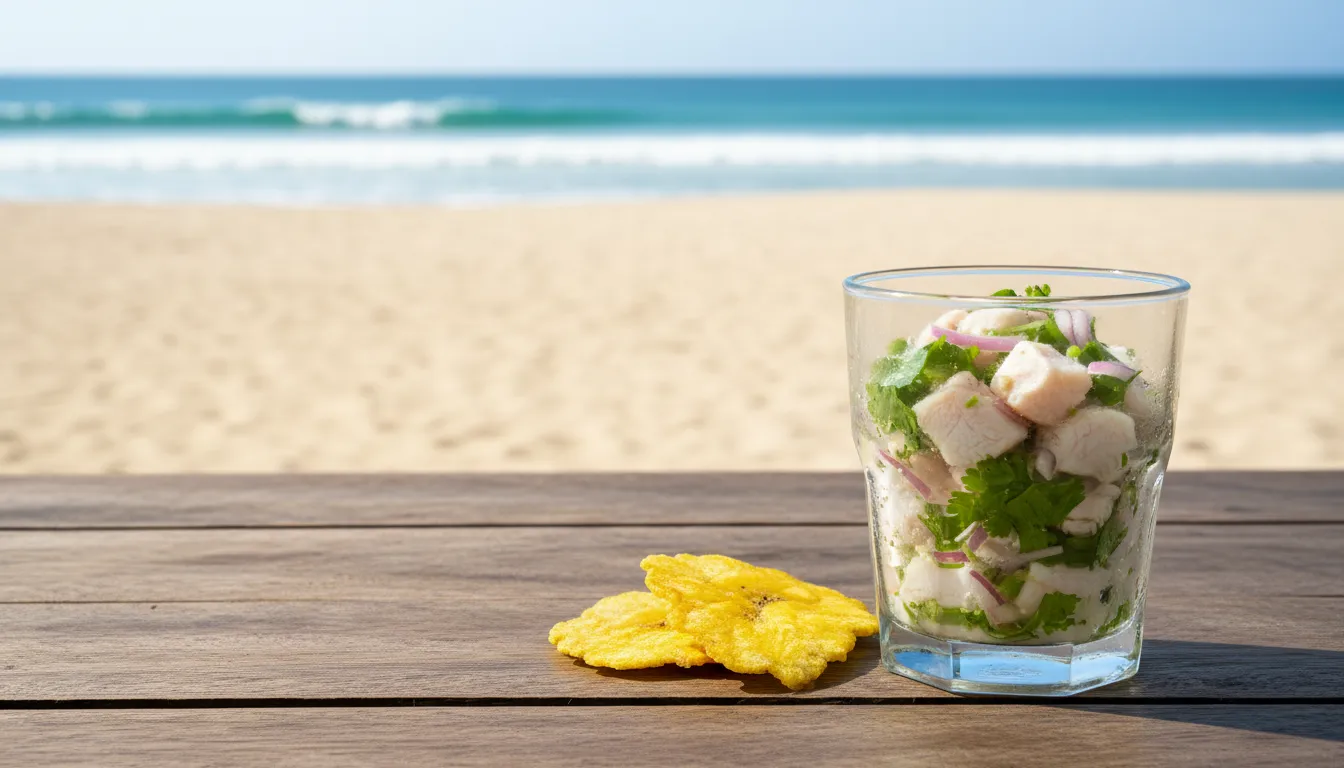
Let’s talk ceviche—because in Jaco, it’s practically a food group. Forget the basic versions you’ve had elsewhere. Here, we’re talking pristine sea bass cured in fresh lime juice with cilantro and chili, often served in a chilled glass with the kind of confidence that only comes from knowing your fish was caught hours ago. Some creative spots incorporate local fruits like tart cas or tangy tamarind, especially during Jaco’s annual Ceviche Festival when the town basically turns into a citrus-cured seafood competition.
For the authentic experience, grab a classic fish ceviche at one of the beachfront bars—cold cerveza in hand, naturally. It’s the perfect embodiment of Jaco’s seaside vibe meets Tico flavor, proving that sometimes the simplest preparations are the most devastating. Ohana Sushi Tapas Bar takes a fascinating approach, using fresh local catch but adding Japanese technique and presentation. Meanwhile, Sea Salt offers a Mediterranean twist complete with crispy plantain chips that somehow make perfect sense. The beauty of ceviche hunting in Jaco? You can literally stumble from one spot to another on a casual stroll from your vacation rental, sampling different styles until you find your favorite.
Beyond Ceviche: Diving Deep into Jaco’s Seafood Bounty
Fresh fish isn’t just a menu item here—it’s a lifestyle, a religion, possibly an obsession. Mahi-mahi, tuna, red snapper, and whatever else the Pacific decides to offer get pulled from the water daily. Want insider-level freshness? Show up at the Herradura fishing dock early morning and buy directly from the boats. Yes, it requires waking up before the surf report, but the payoff is seafood so fresh it’s basically still confused about being out of the ocean.
Jaco’s ocean-to-plate dining spans every style imaginable. Grilled whole fish served simply with rice and salad. Caribbean-influenced seafood stews loaded with coconut milk and spice. Fresh catches topped with garlic butter and served alongside patacones—those addictive twice-fried plantains that locals consider basically mandatory. Don’t be shy about asking your server what’s the catch of the day. It’s usually whatever looked best at the dock that morning, and it’s almost always the star of the menu. The fish here doesn’t need to hide behind heavy sauces or complicated preparations. When it’s this fresh, simple is spectacular.
Street Food & Sodas: Real Tico Flavors Without the Fuss
Here’s where Jaco gets real: the humble sodas. These family-run cafes are where construction workers, taxi drivers, and savvy travelers eat—and for good reason. Expect generous portions of gallo pinto (rice and beans that somehow transcend their simple description), crispy empanadas stuffed with cheese or meat, and hearty casados—the “married” plate that combines whatever the kitchen is cooking that day: rice, beans, plantains, salad, and your choice of protein. It’s home cooking at its finest, usually served by someone’s actual grandmother.
The casado is particularly brilliant for indecisive eaters: you don’t choose, you just get everything. Typical cost? Around $5-7 for a plate that’ll fuel you through an afternoon of surfing or zip-lining. The street food scene, while not as sprawling as some Latin American cities, still offers gems. Watch for vendors selling pipas frías—fresh coconuts hacked open with a machete and served with a straw. Or homemade chicharrones (fried pork rinds) that bear zero resemblance to gas station versions. Pro tip: always ask how spicy something is unless you’re feeling adventurous and have cold beverages on standby. Tico “picante” can range from mild suggestion to sincere warning.
Exotic Fruits & Farmers Markets: A Tropical Taste Adventure
Jaco sits in the fertile Puntarenas province, which blesses us with an almost absurd abundance of exotic fruits. We’re talking mangos so ripe they practically glow orange, tart maracuyá (passion fruit) that makes your face scrunch up in the best way, and the mysterious mamón chino—a rambutan that’s basically a spiky lychee cousin. The local feria (farmers market) becomes your tropical playground, especially if you’re staying somewhere with a kitchen and want to experiment.
Grab fresh tropical juice—frescos naturales—made from whatever’s in season. Watermelon, pineapple, tamarind, blackberry, or combinations that shouldn’t work but absolutely do. These aren’t your sugary commercial juices; they’re blended fresh with just enough water and maybe a touch of sugar, served over ice that melts into the drink. It’s hydration that actually tastes like something, a game-changer on hot days when you’re tired of plain water but don’t want another beer. Many sodas and juice bars will make custom combinations—don’t be afraid to point at three random fruits and see what happens. The worst case scenario is still pretty delicious.
Dining with Peace of Mind: Safety & Recommendations for Families
Even in a vibrant food scene, safety comes first—especially when traveling with kids. The good news? Jaco’s dining landscape is generally safe and welcoming for families. Stick to busy, well-lit establishments, particularly for dinner. Don’t hesitate to ask about ingredients if allergies are a concern; most restaurants are incredibly accommodating and understand that “no cilantro” or “mild only” aren’t negotiable when kids are involved.
Many restaurants offer legitimately good kid-friendly options beyond the obligatory chicken fingers. Look for places with outdoor seating and a relaxed atmosphere where families can enjoy meals without feeling rushed or judged when someone inevitably spills something. The Tico culture is remarkably family-oriented, so most establishments genuinely welcome children rather than merely tolerating them.
One major advantage of staying at a place like Jaco Beach Zen? The fully-equipped kitchen gives families the flexibility to prepare meals at home, especially for picky eaters or budget-conscious trips. With a local grocery store nearby, you can stock up on familiar foods while also experimenting with Costa Rican ingredients. We’re close enough to downtown that grabbing takeout or dining out is easy, but far enough away that you can enjoy peaceful family dinners without the street noise.
Frequently Asked Questions
What are the must-try traditional Costa Rican dishes in Jaco?
Start with a proper casado from any local soda—it’s the quintessential Tico lunch plate. Don’t miss gallo pinto for breakfast (rice and beans elevated to art form), fresh ceviche from beachfront spots, and arroz con pollo (chicken and rice that’s nothing like the bland version you’re imagining). Patacones (fried plantains) are non-negotiable, and if you see olla de carne (beef stew loaded with vegetables) on a menu, order it. For dessert, try tres leches cake or cajetas (fudge-like candies). The best traditional food rarely comes from fancy restaurants—hit the sodas where locals eat lunch.
Where can I find the best fresh seafood and ceviche in Jaco Beach?
For ceviche, Ohana Sushi Tapas Bar offers a Japanese-influenced version, while Sea Salt does Mediterranean-style. Many beachfront bars serve classic preparations—ask what fish is freshest that day. For broader seafood, check what’s being recommended as the catch of the day rather than ordering off-season fish. The Herradura fishing dock (early morning) lets you buy directly from fishermen if you’re cooking at your rental. Generally, places closest to the beach or run by fishing families will have the freshest options. If the menu lists “fresh catch” without specifying the fish, that’s usually a good sign they’re working with whatever came in.
Are there safe street food options for families in Jaco?
Absolutely, with common sense applied. Busy sodas with visible kitchens and steady local crowds are your safest bet—high turnover means fresh food. Fresh fruit vendors and pipa fría (coconut) sellers are generally safe, especially if you watch them prepare your order. Avoid anything that’s been sitting out in the heat or looks like it was made hours ago. Empanadas and other fried items from busy spots are usually fine since they’re cooked to order at high heat. If your kids have sensitive stomachs, start with cooked foods rather than raw preparations. Most families have zero issues, but having hand sanitizer handy never hurts.
What exotic fruits should I look for at the Jaco farmers market?
Grab mamón chino (rambutan)—kids love the spiky exterior and sweet interior. Maracuyá (passion fruit) is tart and perfect for juices. Look for guanábana (soursop), which tastes like tropical mystery and makes incredible smoothies. Cas, a super-tart fruit, appears in some ceviches and juices. Mangos here put grocery store versions to shame. Carambola (star fruit) is mild and fun for kids to slice. The vendors usually let you sample before buying, and many speak enough English to explain what you’re looking at. Go early for best selection, bring small bills, and don’t be afraid to point and ask “¿Qué es esto?” Most vendors love introducing tourists to new fruits.
Are there vegetarian or vegan-friendly restaurants in Jaco?
Yes, surprisingly so for a beach town. Several dedicated vegan cafes serve plant-based versions of Costa Rican classics plus smoothie bowls, fresh juices, and creative salads. Most restaurants will modify dishes—request beans without lard (frijoles sin manteca), ask for vegetables grilled instead of in butter, or build your own plate from side dishes. Traditional gallo pinto is often vegan if made properly. The abundance of fresh tropical fruits, vegetables, and rice-based dishes makes vegetarian eating relatively easy. Italian and Asian restaurants typically have multiple plant-based options. Just communicate dietary restrictions clearly—“soy vegetariano/a” or “no como carne” works well. The local food culture is accommodating once they understand what you need.
How much should I expect to pay for a typical meal in Jaco?
Sodas and local spots: $5-8 for a massive casado or breakfast. Street food like empanadas: $1-3. Mid-range restaurants: $12-20 per person for a solid meal with a drink. Upscale beachfront dining: $25-40+ per person. Fresh ceviche ranges from $8-15 depending on venue. Beer costs $2-4, cocktails $6-10. A family of four can eat well at a soda for under $30 or splurge at a nicer spot for $80-100 total. Groceries are reasonable if cooking at your rental—budget $50-75 for a few days of basics plus fresh ingredients. Tipping is appreciated (10% is standard, though some places include service charges). Overall, Jaco offers excellent value compared to US or European prices, especially if you mix tourist spots with local favorites.
Bahía Azul, unit 7C sits right on this stretch of sand — on the quiet south end of Jacó, a few hundred feet from the water.
Book on Airbnb