Jaco’s Secret Soundtrack: Finding Traditional Costa Rican Music Beyond the Beachfront Beats
Walk down Jaco’s main strip on any given night, and you’ll hear reggae bleeding from every open-air bar, EDM thumping from nightclub speakers, and maybe some gringo-friendly cover bands doing their best Eagles impression. But here’s what most tourists miss: tucked between the surf-and-party reputation, Jaco still pulses with the traditional rhythms that make Costa Rica, well, Costa Rica. The woody resonance of marimba music, the infectious shuffle of cumbia, the proud stomp of folkloric dance—they’re all here, just not advertising themselves with neon signs. You have to listen a little closer, wander a little farther, and ask the right people. Lucky for you, we’ve been doing exactly that. Whether you’re a family wanting to expose your kids to authentic Tico culture, a digital nomad craving connection beyond your laptop screen, or a retiree ready to embrace the “Pura Vida” lifestyle at its most genuine, Jaco’s traditional music scene offers something quietly magnificent. You just need to know where to find it.
Jaco’s Musical Mashup: More Than Just Waves and Reggae
Let’s be honest: Jaco earned its reputation as a party town for a reason. The beachfront bars pump out reggae and rock with the consistency of the Pacific tides, and there’s nothing wrong with that. It’s fun, it’s lively, and it keeps the surf vibe humming. But if you think that’s the whole story, you’re missing the heartbeat underneath.
Traditional Costa Rican music hasn’t disappeared from Jaco—it’s just gotten quieter than the tourist soundtrack. The marimba, Costa Rica’s national instrument, still shows up at community gatherings, weddings, and local celebrations. Cumbia and merengue rhythms still get Ticos dancing at family fiestas and impromptu Saturday night gatherings in neighborhoods you probably haven’t explored yet. The key is knowing when and where to listen. National holidays transform the town into a showcase of folkloric pride, complete with parades, traditional costumes, and music that dates back generations. Even on regular weekends, smaller venues and family-run sodas occasionally feature live performances that feel like you’ve stumbled into someone’s living room celebration—because sometimes, you basically have.
The modern and traditional coexist here more peacefully than you’d expect. One minute you’re hearing electronic beats from a beachfront DJ booth, the next you catch the cheerful trill of a marimba drifting from a side street. It’s this musical mashup that makes Jaco genuinely interesting once you scratch beneath the surface. The town doesn’t package its culture for tourists in a neat, predictable way, which means the discoveries feel more authentic when you make them.
The Melodious Marimba: Jaco’s Heartbeat of Folk Music
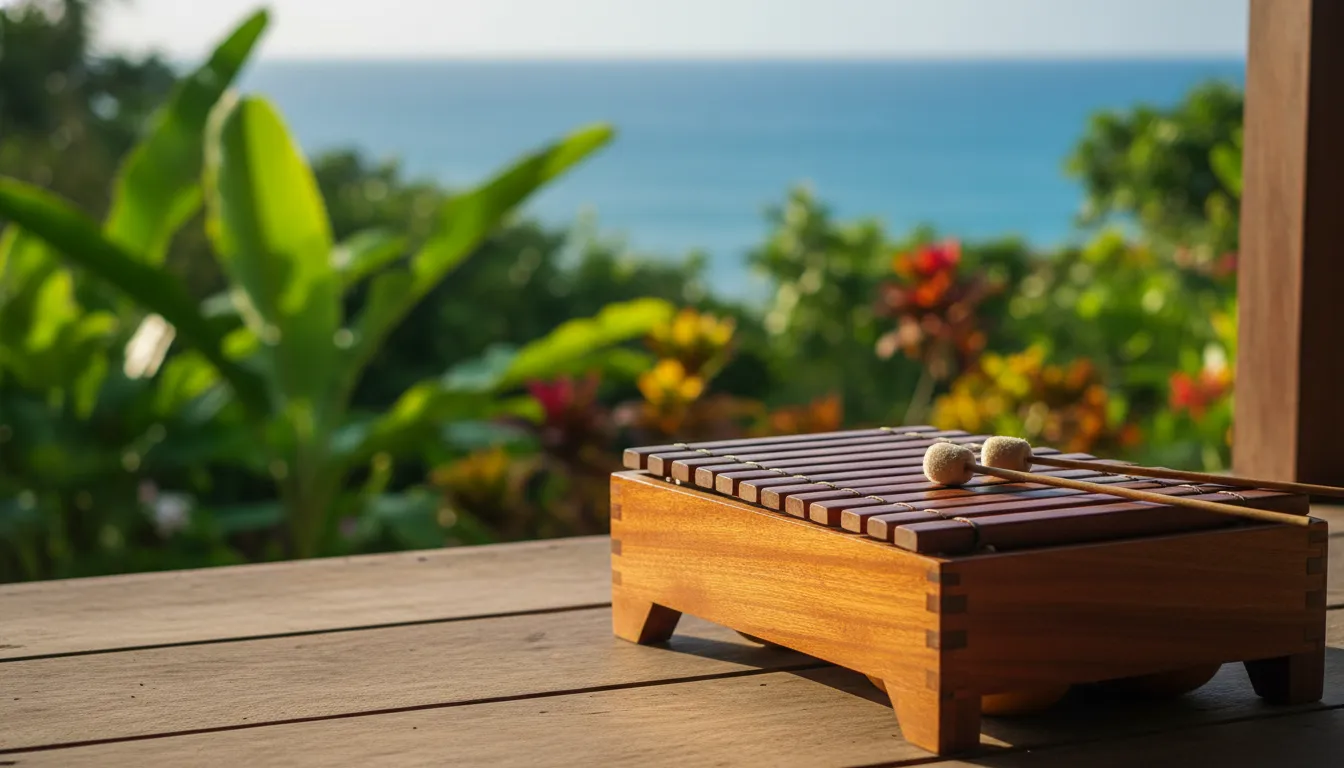
The marimba looks like a wooden xylophone that decided to go tropical—smooth wooden bars arranged over resonating gourds, played with soft mallets that coax out warm, dancing tones. When you hear it, there’s no mistaking it for anything else. That cheerful, percussive melody is practically the sonic embodiment of “Pura Vida,” capable of making even the grumpiest traveler crack a smile.
Finding genuine marimba performances in Jaco usually means stepping away from the tourist thoroughfare. You won’t stumble across it at the beachfront sports bars. Instead, look for community events, especially around Costa Rican Independence Day (September 15th) or during local patron saint festivals. Schools sometimes host cultural nights where kids perform traditional music and dance—these events welcome visitors and offer an unexpectedly heartwarming window into Tico pride.
One genre you’ll encounter is “punto guanacasteco,” a lively marimba-driven style that often features call-and-response singing and synchronized footwork. Watching couples dance to punto is mesmerizing—quick, precise steps that somehow look both effortless and impossibly coordinated. The music itself feels jubilant, almost mischievous, like it’s daring you not to tap your feet. When you’re navigating Jaco like a local, keep your ears open in unexpected places. That marimba music drifting from a backyard gathering? That’s the real soundtrack of Costa Rica, and you’re lucky enough to hear it. For families looking for [authentic cultural experiences](https://jacobeachzen.com/Family-Friendly Activities/jaco-family-cultural-experiences), these moments beat any manufactured tourist attraction—and they’re often included among Jaco’s best family-friendly activities when you know where to look.
Beyond Marimba: Cumbia, Merengue, and Salsa in Paradise
If marimba represents Costa Rica’s traditional heart, cumbia and merengue are the rhythms that get that heart racing. These Afro-Latin genres arrived through Caribbean and Colombian influences, and Ticos adopted them with the enthusiasm of a culture that genuinely loves to dance. The beats are infectious—rolling, syncopated rhythms that make standing still feel like a moral failing.
Cumbia has this distinctive shuffle, a sort of circular sway that locals execute with zero self-consciousness. You’ll spot it at weekend gatherings, outdoor festivals, and sometimes just spontaneously erupting in town squares when someone’s car stereo gets cranked up. Merengue is faster, more hip-driven, with a two-step basic pattern that’s deceptively simple to learn but challenging to master with proper Tico flair. Salsa, while more pan-Latin than specifically Costa Rican, shows up everywhere and serves as a social glue at parties.
What makes these musical experiences special in Jaco is the lack of pretension. Nobody’s judging your dance skills. Ticos genuinely enjoy when visitors join in, offering encouraging smiles and the occasional helpful pointer about hip movement. It’s the “alegre” (cheerful) spirit of Costa Rica on full display—welcoming, warm, and utterly unpretentious. After a night of dancing to cumbia in some unexpected corner of Jaco, the easy walk back to your accommodation becomes part of the adventure. The rhythms stay in your head, your feet still want to move, and you’re grinning like an idiot. That’s when you know you’ve experienced something authentic.
Where to Catch the Rhythms: Cultural Events, Festivals, and Hidden Gems
Jaco doesn’t exactly advertise its cultural calendar with billboards, which is part of the charm and part of the challenge. Your best intelligence sources are local: the woman selling fresh pineapple at the Saturday farmers market, the family running your favorite soda, or the bartender who’s actually from Jaco (not just working a season). They’ll know when the next folkloric performance is happening, which church is hosting a cultural night, or where the community dance group practices.
National holidays are your guaranteed win. Independence Day in September brings parades with schoolchildren in traditional costumes, marching bands, and folkloric dance troupes that perform in the streets. The whole town turns out, and the pride is palpable. Similarly, local patron saint festivals (which vary by neighborhood) often include evening performances, food stalls, and music that runs the gamut from marimba to modern.
For a more intimate experience, scope out the smaller, family-run restaurants tucked into Jaco’s residential areas. Some host live music on specific nights—maybe Friday evenings or Sunday afternoons—featuring local musicians playing traditional repertoires. The vibe is casual, the audience often includes regulars who know all the songs, and the sense of community is genuine. These aren’t performances designed for tourists; you’re simply welcomed into a space where locals are enjoying their own culture.
Digital nomads will find these cultural nights offer the perfect counterbalance to screen-heavy workdays. There’s something restorative about trading your laptop for live music, your email threads for actual human connection. The rhythm resets your brain in a way that’s hard to quantify but impossible to deny. You’ll return to work the next day somehow both more relaxed and more energized.
Dancing Tico Style: Experiencing Traditional Costa Rican Dance
Watching traditional Costa Rican dance is delightful. Participating in it? That’s where memory-making happens. Most cultural performances include moments designed for audience participation—the band will gesture you forward, locals will grab your hand, and suddenly you’re attempting to keep up with footwork that looks way easier than it actually is.
The beauty of Tico dance culture is its fundamental kindness. Nobody expects perfection. Nobody’s filming your mistakes for social media mockery. The goal is simple: move, smile, enjoy. Follow the lead of whoever pulled you onto the dance floor. Watch their feet if you’re lost. Laugh when you inevitably step the wrong direction. The locals will absolutely laugh with you, not at you, and that distinction matters enormously.
For retirees exploring Jaco, traditional dance offers unexpected benefits. It’s social, it’s gentle exercise, and it connects you to the community in ways that passive tourism never could. Some local dance groups even welcome newcomers for practice sessions—a weekly commitment that can transform your entire experience of living or staying in Jaco. The learning curve is forgiving, the atmosphere is supportive, and the cultural immersion is genuine. Plus, mastering even basic cumbia steps gives you serious social currency at any future gathering.
The rhythm lodges in your muscle memory faster than you’d expect. A few weeks later, back home or wherever you’ve wandered next, you’ll hear similar music and find your hips automatically shifting into that familiar pattern. That’s when you know the experience went deeper than tourism.
Safety First, Tunes Second: Enjoying Jaco’s Music Scene Responsibly
Jaco is generally safe, but it’s still a lively beach town with the usual considerations that come with nightlife and crowds. When you’re seeking out cultural events, especially evening performances or festivals, basic awareness goes a long way.
Stick to well-lit areas and populated venues. If you’re venturing into residential neighborhoods for that authentic soda with live music, go during early evening hours when families are out. The atmosphere is friendlier, the lighting is better, and you’ll avoid any sketchy late-night dynamics. For getting around after dark, use reputable taxi services or rideshare apps rather than walking long distances. The cost is minimal compared to the peace of mind.
Families have it easier in terms of timing. Most cultural events appropriate for kids happen during daylight or early evening—parades, school performances, Sunday afternoon concerts in town squares. These offer all the authentic cultural exposure without requiring you to keep children up past reasonable bedtimes or navigate crowded nighttime environments. The energy at daytime events is often more wholesome anyway, with multi-generational attendance and a community picnic vibe.
One underrated safety tip: cultural events where locals bring their own families are inherently safer spaces. Costa Ricans are protective of environments where their children are present, which means these gatherings naturally maintain a respectful, secure atmosphere. If you see Tico families settling in with their kids, you’ve found the right spot.
FAQ
Can I find live marimba music in Jaco Beach easily?
Honestly? Not “easily” in the tourist-brochure sense. Marimba performances don’t advertise with street signs or TripAdvisor listings. Your best chances are during national holidays like Independence Day, at local community centers hosting cultural events, or occasionally at family-run restaurants in residential areas. Ask locals directly—the farmers market vendors, soda owners, or your accommodation hosts. They’ll know what’s happening and when. The scarcity makes finding it feel like a genuine discovery rather than checking a box on a tourist itinerary, which is exactly what makes the experience valuable.
Are there any traditional Costa Rican dance performances in Jaco?
Yes, though they’re seasonal and event-based rather than nightly dinner-theater productions. School cultural nights (often around September for Independence Day) feature student dance troupes in traditional costumes performing choreographed folkloric pieces. Local patron saint festivals include adult dance groups and sometimes professional troupes. Community centers occasionally host dance workshops or performances open to the public. Your best strategy is asking around and checking community bulletin boards at libraries, schools, or the town center. The performances are genuine cultural expressions, not manufactured tourist shows, which means better authenticity but less predictable scheduling.
What kind of cultural events in Jaco feature folk music?
National holiday celebrations are your most reliable bet—Independence Day parades and festivities in September showcase marimba bands, folkloric dance, and traditional costumes. Patron saint festivals (dates vary by neighborhood) include evening concerts, processions with live music, and community gatherings where traditional rhythms dominate. Some churches host cultural appreciation nights featuring local musicians. The Saturday farmers market occasionally has live performers, though it’s hit-or-miss. Smaller family restaurants sometimes schedule weekly live music nights with traditional repertoires. Think community-centered events rather than tourist-targeted spectacles, and you’ll find the good stuff.
Is it safe to go out at night to listen to traditional music in Jaco?
Generally yes, with normal precautions. Stick to well-populated venues and well-lit areas. Use reputable taxis for transportation rather than walking long distances after dark. Cultural events with family attendance (which most traditional music gatherings are) naturally maintain safer, more respectful environments. Evening events in town centers or established restaurants are typically fine. Venture into residential neighborhoods during early evening rather than late night. Travel in groups when possible, keep valuables minimal and concealed, and trust your instincts. Jaco’s cultural scene is welcoming and community-oriented, which generally translates to safer spaces than typical bar-hopping nightlife.
Do any restaurants in Jaco offer traditional Costa Rican music with dinner?
A handful do, though it’s not a widespread offering like in more touristy mountain towns. Your best candidates are smaller, family-run sodas in residential areas rather than beachfront tourist restaurants. These occasionally host musicians on specific nights—often weekends—playing traditional repertoires for local patrons who happen to appreciate when visitors show interest. The atmosphere is casual, prices are reasonable, and the music is genuine rather than performed. Ask your accommodation hosts or locals for current recommendations, as these informal arrangements can change. The experience feels more like joining a neighborhood gathering than attending a staged cultural dinner show, which is precisely what makes it special.
How different is Jaco’s music scene from other places in Costa Rica?
Jaco’s scene is distinctly more eclectic and less obviously traditional than mountain towns like Monteverde or cultural centers like San José. The beachfront party reputation means modern genres dominate the tourist areas—reggae, rock, EDM—while traditional music exists more quietly in community spaces. This contrasts with places where folkloric culture is front-and-center for tourists. However, this also means Jaco’s traditional music feels more authentic when you find it, since it’s primarily for locals rather than packaged for visitors. The coastal influence brings stronger Caribbean and Afro-Latin rhythms compared to inland areas. You get musical diversity but have to work slightly harder to find the traditional stuff—which ultimately makes it more rewarding.
Bahía Azul, unit 7C sits right on this stretch of sand — on the quiet south end of Jacó, a few hundred feet from the water.
Book on Airbnb