Jaco isn’t just surf breaks and sunset cocktails—though we’ve got plenty of both. This beachside town pulses with Costa Rican culture year-round, from impromptu street festivals that materialize on Saturday afternoons to carefully orchestrated celebrations that draw the entire Central Pacific region. Whether you’re timing your visit around a specific cultural event or stumbling into one during your stay, understanding Jaco’s cultural calendar transforms a beach vacation into something richer. The town sits at a cultural crossroads where traditional Tico celebrations meet expat energy, creating festivals that feel authentically Costa Rican while remaining accessible to visitors who barely speak Spanish. Here’s your local’s guide to the cultural events that make Jaco more than just another beach town.
Annual Cultural Festivals That Define Jaco’s Calendar
Jaco’s festival calendar revolves around three major celebrations that bring the town to a joyful standstill. The biggest is Fiestas de Jaco in mid-January, a week-long blowout featuring rodeos, live music stages, carnival rides, and enough chifrijo to feed a small nation. The town plaza transforms into festival central, with vendors selling everything from handmade hammocks to fresh coconut water. Expect parades featuring oxcarts, traditional dancers, and local school bands playing with more enthusiasm than precision.
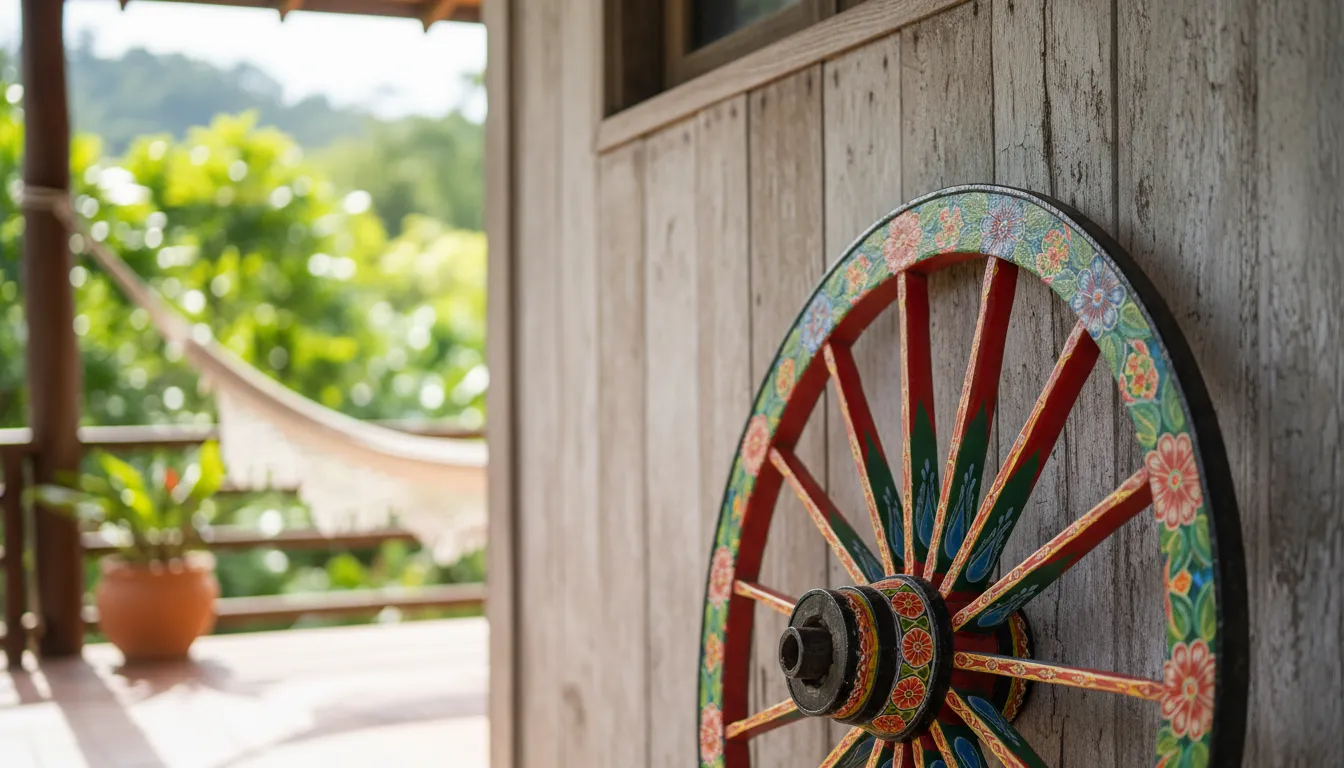
Come March, Día de los Boyeros (Oxcart Drivers’ Day) honors Costa Rica’s agricultural heritage with decorated oxcart parades and rural traditions that feel wonderfully out of place in a surf town. The contrast between brightly painted oxcarts and beachfront bars perfectly captures Jaco’s cultural duality.
July brings Festival de la Virgen del Mar, a religious procession where fishing boats decorated with flowers and ribbons parade offshore while locals pray for safe seas and good catches. It’s one of the few times you’ll see Jaco’s commercial fishing heritage take center stage, offering glimpses of the working-class Tico culture that predates the tourism boom. Arrive early for prime viewing spots along the beach, and stick around for the after-party that inevitably follows.
Independence Day: When the Whole Town Becomes a Parade Route
September 15th transforms Costa Rica into one massive celebration, and Jaco goes all in. The festivities actually begin September 14th with the Desfile de Faroles (Lantern Parade), where schoolchildren carry homemade paper lanterns through town at dusk, singing the national anthem with patriotic fervor that’ll give you chills. It’s genuinely moving, even if you can’t carry a tune in the anthem yourself.
The main Independence Day parade on the 15th features every school, sports club, and community organization marching through downtown Jaco. Marching bands compete for volume supremacy, traditional dancers twirl in full costumes despite the heat, and local businesses sponsor floats that range from elaborate to endearingly homemade. The entire town lines the parade route, waving flags and cheering. What makes Jaco’s celebration special is the intimate scale—you’re not fighting stadium crowds, but you get the full patriotic spectacle.
Pro tip: Stake out your spot by 8 AM for the best views, bring water (it gets hot), and join the locals afterward at the park for traditional foods, live music, and impromptu dancing that continues well into the afternoon. If you’re staying at a property close to downtown like Jaco Beach Zen, you can easily walk to the parade route and retreat when the midday heat becomes too much.
Weekly Markets and Artisan Gatherings
Jaco’s cultural life doesn’t wait for annual festivals. The Saturday Farmers Market at the plaza runs year-round, offering the freshest way to experience local food culture. Arrive between 7-9 AM for the best selection of tropical fruits you’ve never heard of, homemade tortillas still warm from the comal, and farmers eager to explain (in patient Spanish or enthusiastic gestures) exactly how to eat that spiky thing you just bought.
The Jaco Artisan Market, typically setting up Friday through Sunday evenings near the beach, showcases local craftspeople selling everything from carved wooden bowls to woven bracelets. Quality varies wildly—some vendors offer genuine artisan work while others peddle the same factory-made items available at every beach town in Central America. The trick is talking to the vendors; the ones who can explain their process are usually creating something worth buying.
For a deeper dive into traditional crafts, consider a cultural tour that visits working artisan studios in nearby villages. You’ll see craftspeople creating traditional oxcarts, weaving hammocks, and throwing pottery using techniques passed down for generations—skills increasingly rare in modern Costa Rica.
Traditional Food Events and Gastronomic Celebrations
Costa Rican food culture thrives in Jaco’s restaurant scene, but special events elevate traditional cuisine into celebration. Las Fiestas Patronales in various nearby towns throughout the year always feature food stalls selling classic Tico dishes at festival prices. Think ₡2,000 plates of chifrijo (rice, beans, pork, and pico de gallo), fresh churros dusted with cinnamon sugar, and granizados (shaved ice with fruit syrups) in tropical flavors.
Several restaurants host tamale-making workshops during December, when Costa Rican families traditionally gather to make hundreds of tamales for Christmas celebrations. These hands-on events teach you to spread masa on banana leaves, add the seasoned pork filling, and fold everything into neat packages for steaming. You’ll leave with deeper appreciation for the labor involved and usually a dozen tamales to take home.
The informal Sunday BBQ scene at various beach bars represents another food tradition worth experiencing. Local families set up portable grills right on the beach, cooking whole chickens, chorizo, and plantains while kids play in the waves. It’s not an official event, but it happens with such regularity that it’s become a cultural institution. Some beach bars have embraced this tradition with their own Sunday BBQ specials featuring traditional preparations.
Live Music and Nightlife Traditions
Jaco’s nightlife scene might seem dominated by international DJs and beach club vibes, but traditional Costa Rican music culture thrives if you know where to look. Paseo de las Flores along the main street occasionally hosts free concerts featuring marimba ensembles, the traditional wooden percussion instrument that’s Costa Rica’s national symbol. The sound is hypnotic—somewhere between a xylophone and steel drums, with rhythms that make standing still nearly impossible.
Several local bars host noches típicas (traditional nights) featuring live performances of Costa Rican folk music, from the romantic boleros that old-timers love to the upbeat calypso rhythms from the Caribbean coast. These events attract more locals than tourists, which is exactly why you should attend. The crowd skews older, the dress code is “nice casual,” and buying a round for the musicians is expected if you’re enjoying the show.
For authentic cultural nightlife, ask locals about current venues—the scene shifts as bars change owners and formats. The most reliable tip: wherever you hear a crowd singing along to Spanish lyrics with obvious emotional investment, you’ve found the real deal.
Religious Observances and Community Celebrations
Costa Rica’s Catholic heritage shapes the cultural calendar in ways both obvious and subtle. Semana Santa (Holy Week) in late March or early April brings Jaco nearly to a halt. Businesses close, locals fill the beaches for family gatherings, and religious processions wind through town on Good Friday. It’s Costa Rica’s biggest holiday week, which means packed accommodations and higher prices, but also a window into how Ticos balance religious tradition with beach culture.
Smaller religious celebrations happen throughout the year at the town’s Catholic church, often featuring traditional music, flower decorations, and community meals afterward. These aren’t tourist events—attending means observing respectfully and understanding you’re a guest in someone else’s tradition. But locals generally welcome respectful visitors, especially those making genuine efforts to understand the cultural significance.
The posadas tradition in December—reenactments of Mary and Joseph seeking shelter—happens in neighborhoods throughout Jaco, with families hosting nightly gatherings featuring traditional songs, hot chocolate, and tamales. Some hotels and restaurants host public versions that welcome visitors to experience this cherished Christmas tradition.
How to Experience Cultural Events Like a Respectful Guest
Attending cultural events in Jaco requires more awareness than crashing a beach party. Dress modestly for religious celebrations—shoulders covered, no beachwear. Learn basic Spanish greetings; even mangled attempts earn goodwill. Don’t photograph religious ceremonies without permission, and never interrupt processions or performances for selfies.
Bring cash to markets and festivals; most vendors don’t accept cards. Try foods you’ve never heard of—vendors love explaining their specialties to curious visitors. If music moves you to dance, dance. Costa Ricans appreciate enthusiasm more than technical skill.
Most importantly, understand that you’re witnessing living traditions, not performance art staged for tourists. These events would happen whether you attended or not, which is precisely what makes them authentic. Your role is observer and respectful participant, not star of your Instagram story.
Planning Your Visit Around Cultural Events
Timing your Jaco visit around specific cultural events requires planning since exact dates shift annually. The cultural calendar typically follows the same general schedule, but confirm dates closer to your travel time. Major festivals like Independence Day and Semana Santa are fixed on the calendar, while smaller town celebrations might change weekends depending on when organizers can secure permits and bands.
Book accommodations early for major festivals—Jaco fills up, and prices rise. Properties within walking distance of downtown offer major advantages during festivals when parking becomes impossible and taxis multiply their rates. Many cultural events happen in or near the town center, making central locations like Jaco Beach Zen strategically positioned for festival-goers who want to participate without dealing with transportation logistics.
Consider shoulder dates around major festivals. Arrive a day early to see setup and local preparations, or stay a day after when locals are still celebrating but crowds have thinned. This strategy often yields more authentic interactions and better photo opportunities without the peak-day chaos.
Frequently Asked Questions
What’s the best cultural festival to experience in Jaco for first-time visitors?
Independence Day on September 15th offers the most accessible cultural experience for visitors. The celebration is thoroughly Costa Rican yet easy to understand and participate in regardless of language skills. The parade, national anthem singing, and patriotic atmosphere need no translation. The weather is typically good in September, and the festival’s daytime schedule suits families. You’ll witness genuine national pride and community spirit without the religious context that shapes other major celebrations, making it the easiest entry point into Tico culture.
Are Jaco’s cultural events family-friendly?
Absolutely. Costa Rican culture is deeply family-oriented, and most festivals welcome children enthusiastically. Independence Day features school parades and children’s activities. Religious celebrations often include kids in starring roles. Even evening festivals typically maintain a family atmosphere until around 9 PM, when activities might shift toward adult entertainment. The only exceptions are certain nightlife events specifically marketed to adults. Street festivals and markets are perfect for families, with vendors offering kid-friendly foods and often impromptu entertainment. Just bring water, sun protection, and patience for crowds.
Do I need to speak Spanish to enjoy cultural events in Jaco?
Not essential, but helpful. Major festivals are visual spectacles that transcend language—you’ll understand parades, music, and dancing regardless of Spanish skills. Basic phrases like “¿Cuánto cuesta?” (how much?), “Gracias,” and “Delicioso” will enhance market and food experiences significantly. Many younger Costa Ricans speak some English, especially in tourist-heavy Jaco. That said, making any effort with Spanish, however clumsy, opens doors. Download a translation app, learn a dozen key phrases, and remember that genuine interest and friendly smiles communicate across language barriers better than perfect grammar.
How do cultural events in Jaco differ from those in San José or other Costa Rican cities?
Jaco’s cultural events blend traditional Tico celebrations with beach town informality and international influences from the expat community. Compared to San José’s more formal, larger-scale festivals, Jaco’s celebrations feel more intimate and spontaneous. The beach setting adds unique elements—religious processions happen on the sand, and festival-goers often arrive in flip-flops. Jaco’s events also start and end earlier than urban celebrations since the town runs on beach time. You’ll encounter more English speakers and tourist-aware vendors, but the core traditions remain authentically Costa Rican, just with a more relaxed dress code.
What traditional Costa Rican foods should I try at Jaco’s cultural events?
Prioritize chifrijo, the ultimate festival food—rice, beans, pork, and pico de gallo served in a bowl, invented right here in Costa Rica. Try patacones (fried plantain patties) topped with beans, cheese, or meat. Sample arroz con leche (rice pudding) and tres leches cake for traditional desserts. Festivals often feature chorreadas (sweet corn pancakes) and empanadas de chiverre (squash-filled pastries). Don’t miss agua dulce (raw sugarcane water) served hot or cold. Street vendors make elote (corn on the cob) slathered in mayo, cheese, and salsa. Each dish tells stories about Costa Rican agricultural heritage and home cooking traditions.
Can I buy authentic Costa Rican handicrafts at Jaco’s markets?
Yes, but quality varies dramatically. Genuine local crafts include hand-painted oxcarts (miniature versions make great souvenirs), woven bags from natural fibers, carved wooden bowls and utensils, and hand-thrown pottery. The challenge is distinguishing these from imported items. Ask vendors where items are made and by whom—artisans love discussing their craft. Higher prices often indicate genuine handwork. The Saturday farmers market tends toward more authentic items than tourist-focused evening markets. For guaranteed authenticity, consider cultural tours that visit artisan workshops directly, where you’ll watch creation processes and purchase straight from makers.
Bahía Azul, unit 7C sits right on this stretch of sand — on the quiet south end of Jacó, a few hundred feet from the water.
Book on Airbnb