Jaco’s Hidden Histories: Unearthing Culture Beyond the Sand and Surf
Let’s get this out in the open: Jaco isn’t museum country. You won’t find marble halls, velvet ropes, or hushed docents explaining ancient pottery. But here’s the thing—our lack of traditional museums isn’t a cultural deficit. It’s an invitation to experience Costa Rican culture the way it’s actually lived: vibrant, active, and unfolding right in front of you. From street art that transforms concrete walls into storytelling canvases to artisan markets where you can watch creativity happen in real-time, Jaco’s cultural “exhibits” are scattered throughout town, waiting to be discovered. The best part? You don’t need a ticket, and the only closing time is sunset—sometimes not even then. Whether you’re planning the lively local markets and what to find or wondering how a surf town developed its own distinct character, Jaco’s cultural scene rewards curiosity with authenticity.
No Museum? No Problem: Jaco’s Unconventional Cultural ‘Exhibits’
Forget everything you think you know about how a town should preserve and display its culture. Jaco doesn’t do stuffy museums with climate-controlled display cases and “please don’t touch” signs. Instead, our culture lives and breathes in the streets, markets, and community spaces where locals actually gather. This isn’t a backup plan because we couldn’t afford a proper museum—it’s a fundamentally different approach to cultural expression that mirrors the Pura Vida philosophy itself.
Our “exhibits” change with the seasons, sometimes with the week. That wall you photographed last month? It might sport entirely new artwork now, created by a different artist with a fresh perspective on Costa Rican life. The craft vendor at Saturday’s market might bring completely different pieces next week, depending on what inspired them or what materials they found. This fluidity means you’re not just viewing culture—you’re witnessing it evolve in real-time, which beats staring at artifacts behind glass any day.
The beauty of Jaco’s unconventional approach is accessibility. Cultural experiences here don’t require advance tickets, scheduled tours, or admission fees. You stumble upon them during your morning coffee run, discover them while looking for lunch, or find them unexpectedly during an evening stroll. It’s culture without pretension, education without formality, and history told by the people who are actively creating it.
More Than Just Souvenirs: Diving into Jaco’s Artisan Scene
The Saturday Feria near the Mas x Menos supermarket might technically be a farmer’s market, but calling it just that undersells the experience. Yes, you’ll find fresh mangoes and handmade tamales, but you’ll also discover local painters selling original canvases, woodworkers demonstrating their craft, and jewelry makers stringing together pieces using techniques passed down through generations. This is where Jaco’s creative community comes to share their work directly with visitors and locals alike—no middleman, no markup, just artist to customer.
Keep your eyes open for work by local legends like Lil Mena, whose distinctive style captures the energy of Costa Rican beach culture with bold colors and playful subjects. When you buy directly from these artists, you’re not just acquiring unique decor—you’re supporting the creative economy that gives Jaco much of its character. The piece you take home comes with a story: where the artist sources their materials, what inspired this particular design, maybe even a glimpse into their creative process.
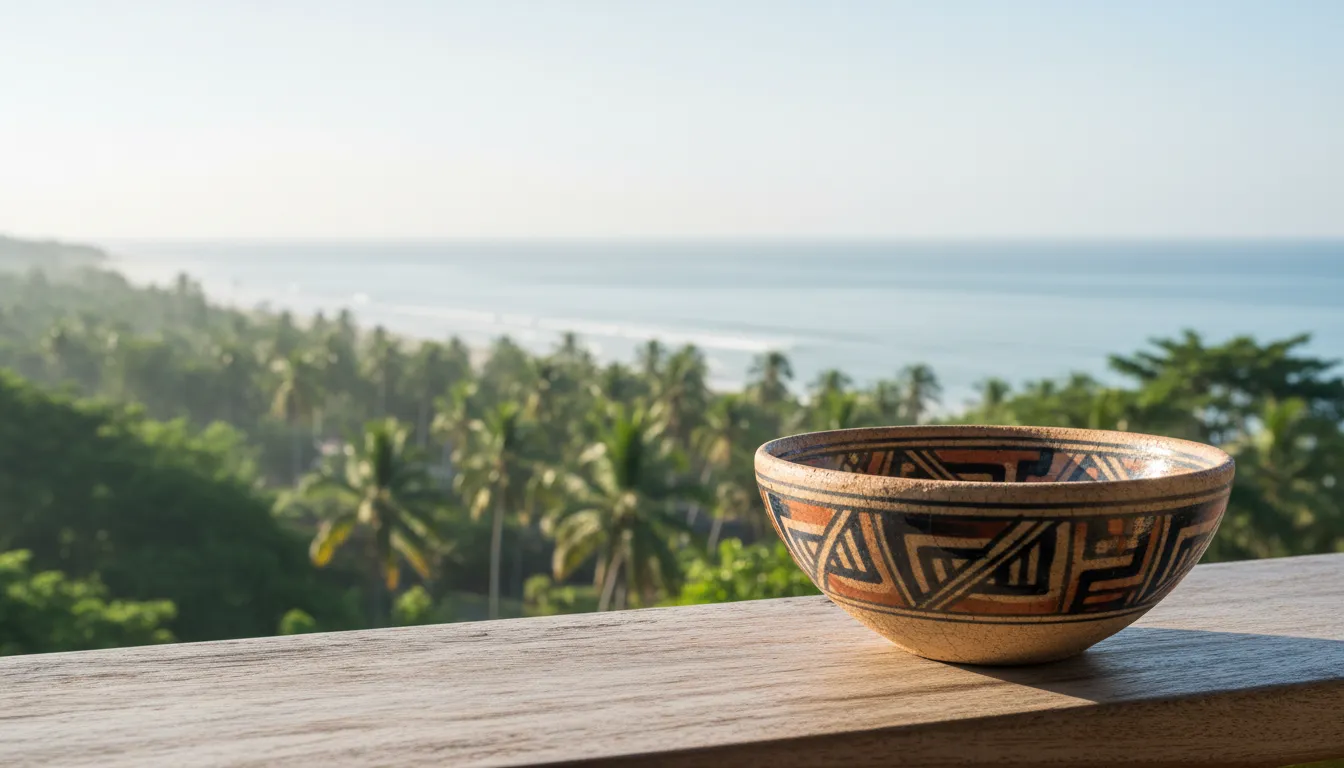
Beyond the weekly market, dedicated craft shops dot the main strip through town. These aren’t your typical tourist trap operations peddling mass-produced “Costa Rica” magnets made in China. Look for shops showcasing work from multiple local artisans—hand-painted ceramics, woven textiles using traditional techniques, carved wooden pieces from sustainably harvested lumber. Digital nomads particularly appreciate finding authentic pieces to personalize their temporary workspaces, while families enjoy the hands-on experience of watching artisans work and asking questions about their techniques.
When Walls Talk: Jaco’s Street Art and Public Displays
The hike up to El Miro viewpoint offers spectacular ocean vistas, yes, but it’s also Jaco’s answer to an open-air gallery. As you climb the best hikes around Jaco, you’ll encounter ever-evolving graffiti art—some pieces are stunning murals that took days to complete, others are quick tags that contribute to ongoing visual conversations between artists. This isn’t vandalism; it’s a legitimate art form that Costa Rican culture increasingly recognizes and celebrates. The constantly changing nature of street art means every visit reveals something new, and the ocean breezes beat museum air conditioning.
Back in town, take time to actually look at the walls as you wander. That seemingly ordinary building facade might feature a vibrant mural depicting local legends, marine life, or abstract interpretations of Pura Vida philosophy. Some murals commemorate local heroes or events, others simply exist to bring color and joy to everyday spaces. The best part? These works are designed for interaction, not reverence. Photograph yourself with them, study the details up close, share them on social media—the artists created them for public engagement, not isolated contemplation.
Adventure seekers particularly appreciate how Jaco integrates art into outdoor experiences, while families enjoy the treasure-hunt aspect of discovering murals throughout town. It’s education that doesn’t feel like education, cultural exposure that happens naturally while you’re out exploring. From Jaco Beach Zen’s location, you’re positioned perfectly to access both the El Miro trail and downtown murals—close enough to wander the cultural landscape, far enough to return to peaceful oceanfront serenity.
Unpacking the Past: Glimpses of Jaco’s Rustic History
Jaco’s story isn’t ancient. You won’t find pre-Columbian ruins or Spanish colonial architecture here—our history is younger, rougher, and more recent. This was a sleepy fishing village until relatively recently, when word spread about the consistent surf breaks and stunning coastline. That transformation from local secret to international destination is the story we tell, and it’s still being written.
A short drive toward Herradura reveals remnants of the region’s pre-surf economy: old sugar mill ruins slowly being reclaimed by jungle vegetation. These weathered structures whisper stories of agricultural Costa Rica, when the area’s economy revolved around crops rather than tourism. While not extensively preserved or interpreted, these sites offer tangible connections to the region’s past for those willing to explore a bit beyond the beach. The contrast between these quiet ruins and Jaco’s current energy illustrates just how dramatically this area has evolved.
Retirees often appreciate these gentler historical explorations—sites that offer context and connection without requiring strenuous hikes or extreme heat exposure. The stories here are recent enough that longtime locals can share firsthand accounts of the transformation, adding personal narratives to the physical evidence. Ask older residents about Jaco’s evolution, and you’ll hear fascinating tales of the town’s metamorphosis from isolated fishing community to Costa Rica’s premier surf destination.
Beyond the Beaches: Jaco’s Cultural Calendar (Festivals & Events)
Jaco’s cultural education frequently comes with a soundtrack. Throughout the year, the town hosts everything from traditional religious celebrations to contemporary arts festivals, often featuring local artisans, musicians, and performers. These events transform public spaces into vibrant cultural showcases where Costa Rican traditions meet modern creativity. Religious fiestas honor patron saints with processions, music, and traditional foods, while arts festivals spotlight contemporary talent across multiple disciplines.
The annual Festival de la Luz and Festival de las Artes bring particularly rich cultural experiences, often with free entry to many events. You’ll encounter live painting demonstrations, traditional dance performances, craft exhibitions, and musical acts spanning genres from folkloric to contemporary. For visitors staying during these festivals, it’s an unparalleled opportunity to immerse yourself in Tico culture while supporting local artists and performers. Check What’s happening in Jaco this month? for current festival dates and details.
Families love the festive atmosphere and kid-friendly activities these events typically include—face painting, craft workshops, interactive performances designed for all ages. Digital nomads appreciate the networking opportunities and creative inspiration that festivals provide, plus the chance to connect with the local community beyond typical tourist interactions. Jaco Beach Zen’s central yet serene location means you can easily walk to festival events when you want that cultural energy, then retreat to the peaceful sound of waves when you need to recharge. It’s the perfect balance between engagement and escape.
Frequently Asked Questions
Are there any traditional museums directly in Jaco Beach?
No traditional museums exist within Jaco Beach itself. The town’s cultural scene operates differently, emphasizing living culture through street art, artisan markets, festivals, and community events rather than formal museum collections. This approach reflects Jaco’s relatively recent development and the Pura Vida philosophy of experiencing culture actively rather than passively observing it. For those seeking traditional museum experiences, San Jose (about 90 minutes away) offers excellent options including the Museo Nacional and Museo de Oro Precolombino. However, Jaco’s unconventional approach provides equally valuable cultural insights—just in more interactive, accessible formats that integrate naturally into your beach vacation.
Where can I find authentic Costa Rican crafts and art in Jaco?
The Saturday Feria near Mas x Menos supermarket offers the best concentration of authentic local crafts, with artisans selling directly to visitors. Beyond the weekly market, several shops along the main strip specialize in genuine Costa Rican artisan work—look for stores showcasing multiple local artists rather than generic souvenir operations. Watch for work by recognized local artists like Lil Mena. The key is buying directly from artisans or shops clearly supporting local creators. Authentic pieces typically come with stories: the artist’s name, their inspiration, their techniques. If a shop can’t tell you about the artist behind the work, it’s probably mass-produced elsewhere.
The Saturday Feria near Mas x Menos supermarket offers the best concentration of authentic local crafts, with artisans selling directly to visitors. Beyond the weekly market, several shops along the main strip specialize in genuine Costa Rican artisan work—look for stores showcasing multiple local artists rather than generic souvenir operations. Watch for work by recognized local artists like Lil Mena. The key is buying directly from artisans or shops clearly supporting local creators. Authentic pieces typically come with stories: the artist’s name, their inspiration, their techniques. If a shop can’t tell you about the artist behind the work, it’s probably mass-produced elsewhere.
Is Jaco’s cultural scene suitable for families with young children?
Absolutely. Jaco’s cultural offerings are particularly family-friendly because they’re interactive, accessible, and often free. Street art creates a town-wide treasure hunt as kids spot murals and learn their stories. Artisan markets let children watch creativity in action and often include hands-on activities. Festivals typically feature dedicated kid zones with face painting, crafts, and performances designed for younger audiences. The informal, outdoor nature of most cultural experiences means kids can engage at their own pace without the “don’t touch” restrictions of traditional museums. Just maintain normal safety awareness in crowded markets and when exploring public art in less-trafficked areas.
What kind of historical sites can I visit near Jaco?
Jaco’s immediate area features primarily recent history—the town’s transformation from fishing village to surf destination over the past few decades. The old Herradura sugar mill ruins (short drive from Jaco) offer glimpses into the region’s agricultural past before tourism dominated. For more extensive historical sites, consider day trips to Carara National Park (pre-Columbian archaeological sites within pristine rainforest) or San Jose’s museums and colonial architecture. The area’s most compelling history is actually still being created—talking with longtime residents about Jaco’s evolution provides fascinating firsthand accounts of the town’s dramatic transformation that no museum placard could match.
How can I find out about local cultural events or festivals during my stay?
Check the local events calendar regularly for updated festival and event listings. Many hotels and vacation rentals (including Jaco Beach Zen) maintain current information about upcoming cultural happenings. Local Facebook groups and community bulletin boards at cafes and shops also post event details. Don’t underestimate the power of asking locals—bartenders, shop owners, and restaurant staff typically know about upcoming festivals, markets, or special events. Some events are planned months ahead (major festivals), while others pop up with minimal notice (impromptu art shows, community celebrations). Staying connected to local information sources ensures you don’t miss unexpected cultural opportunities.
Are there guided tours focused on Jaco’s art or history?
While Jaco doesn’t have extensive formal art or history tour infrastructure like larger cities, some local guides offer customized cultural experiences focusing on street art, artisan communities, or regional history. Ask at your accommodation about connecting with knowledgeable local guides. However, Jaco’s cultural scene is accessible enough that self-guided exploration works beautifully—the informal nature of street art and markets actually makes independent discovery more authentic than structured tours. Many visitors prefer the flexibility of exploring at their own pace, stopping to chat with artists when inspired, and following their curiosity rather than a predetermined route. The lack of formal tours is less a limitation than an invitation to create your own cultural adventure.
Is it safe to explore Jaco’s street art on my own?
Generally yes, with normal urban awareness. The El Miro trail is popular and typically has other hikers during daylight hours. Downtown murals are in well-trafficked areas visible during normal wandering. Use common sense: explore during daylight, stay aware of your surroundings, and avoid isolated areas alone. The same safety practices you’d apply anywhere apply here—don’t flash expensive camera equipment unnecessarily, keep valuables secure, and trust your instincts about which areas feel comfortable. Most street art is intentionally placed in public, accessible locations specifically so people can enjoy it safely. If uncertain about specific locations, ask locals or your accommodation staff about which areas are best for independent art exploration.
What are the best galleries to visit in Jaco Beach?
Jaco’s “gallery scene” differs from traditional art gallery districts. Rather than formal galleries with regular hours, you’ll find art integrated into cafes, shops, and public spaces. Some restaurants and bars showcase rotating exhibitions by local artists—these informal venues often provide more authentic interactions with artists than formal galleries. The Saturday Feria functions as a weekly open-air gallery where you can meet artists directly. Several shops along the main strip curate collections from multiple local artisans, functioning as semi-formal gallery spaces. This decentralized approach means discovering art becomes part of your daily exploration rather than a scheduled gallery visit. Ask artists at the Feria where else their work appears—they’ll direct you to the current hotspots for local art.
Where can I find authentic Costa Rican crafts and art in Jaco?
The Saturday Feria near Mas x Menos supermarket offers the best concentration of authentic local crafts, with artisans selling directly to visitors. Beyond the weekly market, several shops along the main strip specialize in genuine Costa Rican artisan work—look for stores showcasing multiple local artists rather than generic souvenir operations. Watch for work by recognized local artists like Lil Mena. The key is buying directly from artisans or shops clearly supporting local creators. Authentic pieces typically come with stories: the artist’s name, their inspiration, their techniques. If a shop can’t tell you about the artist behind the work, it’s probably mass-produced elsewhere.
Bahía Azul, unit 7C sits right on this stretch of sand — on the quiet south end of Jacó, a few hundred feet from the water.
Book on Airbnb