Beyond the Beach: Unearthing Jacó’s Pura Vida & Local Traditions (No Tourist Traps, Just Real Life)
Sure, you came to Jacó for the waves and the sunsets—and you’ll get plenty of both. But here’s what most visitors miss: the real magic happens when you step off the beach and into the rhythm of daily life. We’re talking about chatting with vendors at the farmer’s market, celebrating patron saint festivals with actual locals (not tour groups), and finally understanding why everyone here says “Pura Vida” with such conviction. This isn’t the sanitized, Instagram-filtered version of Costa Rican culture—it’s the lived-in, slightly chaotic, absolutely genuine experience that makes Jacó more than just another surf town. Stick around past the sunset photo op, and you’ll discover traditions that have shaped this place long before the first surfboard touched our waves. From feast days to food traditions, artisan crafts to the surf culture that defines us, here’s your insider guide to experiencing Jacó the way we actually live it.
So, What Exactly IS ‘Pura Vida’ in Jacó? (More Than Just a Slogan, It’s How We Live)
Let’s clear something up right away: “Pura Vida” isn’t just embroidered on every tank top in the souvenir shops. It’s our actual operating philosophy, the lens through which locals view everything from a flat tire to a perfect barrel. The phrase literally means “pure life,” but in practice, it’s permission to appreciate the moment you’re in without obsessing over the one you’re missing. Stuck behind a slow-moving tractor on the coastal road? Pura Vida. Your Zoom meeting can wait five minutes while you watch a scarlet macaw land in the tree outside? Absolutely Pura Vida.
This mindset permeates everything in Jacó, from the way bartenders remember your drink order after one visit to how strangers strike up genuine conversations at the beach. There’s no manufactured urgency here, no performance anxiety about “doing it all.” You’ll notice locals pausing mid-conversation to point out a stunning cloud formation or stopping to help a tourist with directions even when they’re clearly running late. It’s not that problems don’t exist—they do—but there’s a collective agreement that stressing about them won’t fix them any faster.
For digital nomads especially, this philosophy translates into something rare: a work-life balance that actually balances. Your “office” might be a beachfront café where the owner knows you take your coffee black and your calls before 10 a.m. Need to clear your head between meetings? A twenty-minute surf session is closer than the office water cooler ever was. The Pura Vida approach doesn’t mean slacking off; it means recognizing that productivity improves when you’re not constantly running on fumes. Here, taking that afternoon break to watch the sunset isn’t slacking—it’s smart living.
Feastivities and Fiestas: Jacó’s Calendar of Unmissable Cultural Events (Where the Town Truly Comes Alive)
Forget dusty museum exhibits and velvet ropes. Cultural immersion in Jacó comes with a cumbia soundtrack, the sizzle of chicharrones, and enough colorful decorations to make your eyes happy for weeks. We take our celebrations seriously here, marking everything from religious observances to the humble mango with street parties that transform the entire downtown area.
The crown jewels of our festival calendar are the Fiestas Patronales—patron saint celebrations that happen in different neighborhoods throughout the year. Don’t let the religious origin fool you into thinking these are somber church affairs. Picture instead: carnival rides spinning against the sunset, live bands playing everything from traditional folk music to modern reggaeton, and food stalls serving up the kind of home cooking that makes you understand why your hotel breakfast suddenly seems bland. Families pack the streets, kids clutching oversized stuffed animals won at impossible games, everyone sharing a collective sugar high from churros and raspados. It’s loud, chaotic, and exactly the kind of authentic experience you can’t manufacture for tourists.
Come February or March, Carnaval explodes onto the main street with the subtlety of a fireworks finale. We’re talking elaborate floats, dancers in costumes that must have taken months to construct, and a parade route that turns into one massive street party. The energy is infectious—even the most reserved visitors find themselves dancing along by the second float. If you’re traveling with kids, this is their jackpot: face painting, costume contests, and enough spectacle to create memories that outlast any souvenir.
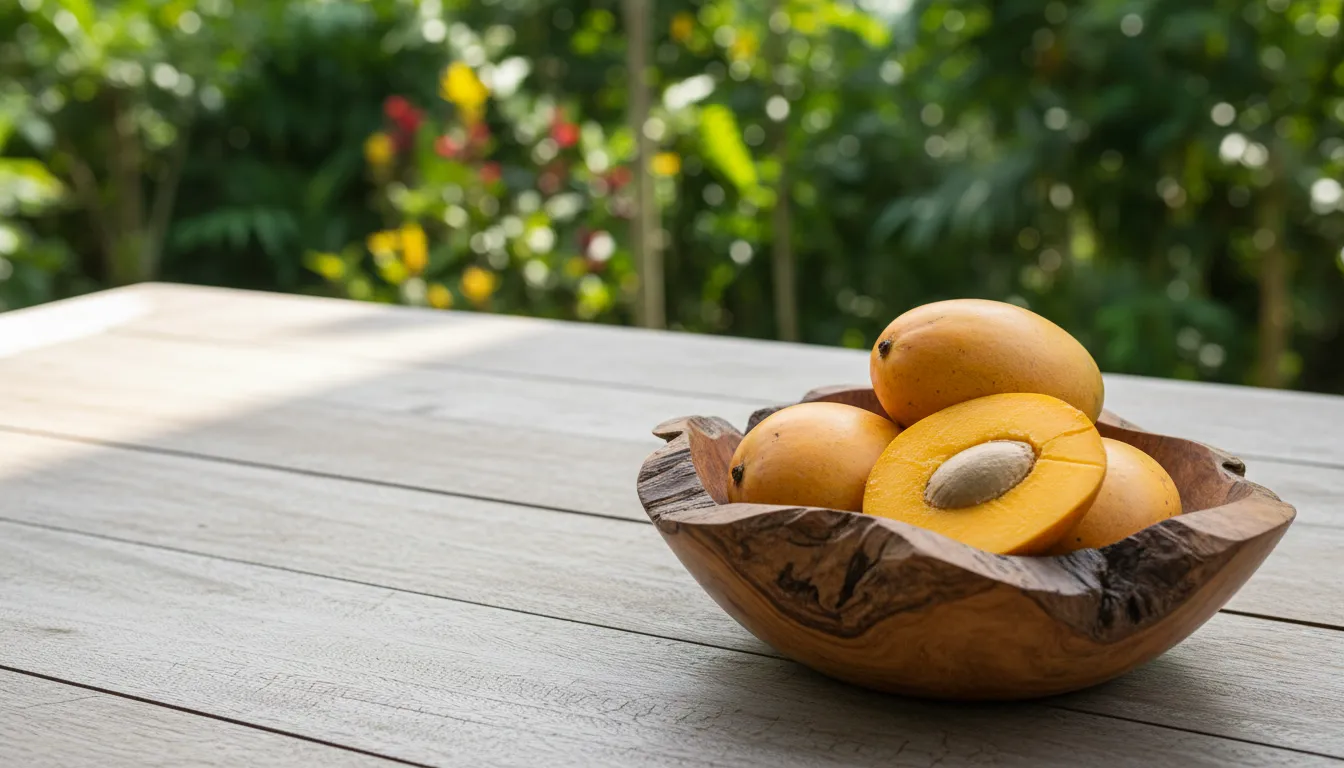
The Festival del Mango celebrates our agricultural roots with a twist of modern festival energy. Local farmers showcase different mango varieties (yes, there are way more than you think), while artisans set up market stalls and musicians provide the soundtrack. It’s smaller and more intimate than Carnaval, making it perfect for those who want cultural immersion without the overwhelming crowds. Pro tip: check our welcome guide at Jacó Beach Zen for current event dates—festival schedules can shift with true Pura Vida flexibility.
From Gallo Pinto to Ceviche: Savoring Jacó’s Authentic Culinary Traditions (Not Just Tourist Menus)
Costa Rican cuisine doesn’t win awards for complexity or Instagram-worthy plating, but it absolutely nails what food should be: fresh, satisfying, and honest. We call it “comida casera”—home cooking—and it’s designed by people who understand that a good meal fuels your day without weighing you down. This is food that tastes like someone’s grandmother made it, because often, that’s exactly who’s in the kitchen.
Start your day the local way with gallo pinto, the national breakfast dish that seems simple until you realize every family guards their specific recipe like a state secret. It’s rice and beans, yes, but the magic is in how they’re cooked together with onions, peppers, and a proprietary blend of seasonings that turns humble ingredients into something you’ll crave weeks after leaving. Pair it with eggs, fresh tortillas, and local coffee that hasn’t been sitting in a warehouse for months, and you’ve got the breakfast that powers everyone from surfers to construction workers.
For lunch, hunt down a proper casado at one of our local sodas—those small, family-run restaurants that tourists often walk past in search of fancier options. A casado is a complete balanced plate: rice, beans, salad, sweet plantains, and your choice of protein (grilled chicken, fish, or beef). It’s affordable, nutritious, and served by someone who probably knows half the people in the dining room by name. These aren’t tourist menus with inflated prices; they’re where locals actually eat, and the difference in authenticity is palpable.
Our Pacific location means ceviche here is serious business. Look for it at beachfront sodas or small stands near the fishing docks, where it’s made fresh throughout the day with fish that was swimming that morning. The marinade—lime juice, cilantro, onions, and peppers—is bright and zesty, perfect for our warm climate. It’s light enough for a beach snack but satisfying enough to count as lunch. For retirees looking for familiar comfort without tourist trap prices, our sodas offer that rare combination: genuinely good food in a relaxed atmosphere where nobody’s rushing you to free up the table.
Artistry & Ingenuity: Discovering Local Crafts and Artisan Culture (Skip the Souvenir Shops, Find the Real Gems)
The difference between a souvenir and a keepsake is simple: one was made for tourists, the other was made because someone had something to say. Jacó’s artisan scene leans heavily toward the latter, with local markets and small shops showcasing work that actually tells our story instead of regurgitating tropical clichés.
Our weekend markets are treasure hunts for the culturally curious. You’ll find hand-carved wooden figures shaped from local Guanacaste wood, each piece showcasing the natural grain patterns that make every item unique. Look for jewelry crafted from recycled materials—bottle caps transformed into colorful earrings, reclaimed wood turned into statement necklaces—proof that Pura Vida extends to environmental consciousness. These artisans aren’t just making pretty things; they’re demonstrating ingenuity born from resource awareness and creative problem-solving.
Many local artists draw directly from our natural surroundings, creating paintings and textiles that capture the specific blue of our ocean or the exact green of the jungle canopy after rain. These aren’t generic tropical scenes you could buy anywhere; they’re specific to this place, this light, this ecosystem. When you buy a piece, you’re taking home a fragment of Jacó’s visual DNA, something that will trigger precise memories years later.
Families traveling with kids should seek out the occasional artisan workshops where children can try their hand at painting or simple crafts. It’s interactive cultural education that doesn’t feel like education, and kids get to create their own Jacó memory instead of just buying someone else’s. These workshops pop up at festivals and markets, so ask around—locals are always happy to point families in the right direction.
Surf’s Up, Culture Down: How Waves Shaped Jacó’s Identity (And Why It’s More Than Just a Sport Here)
Call Jacó a surf town and you’re technically correct, but you’re also missing the point. Yes, the waves are consistent and accessible, but what really defines us is the entire culture that’s grown around those waves—a blend of respect for the ocean, laid-back social dynamics, and the democratization of adventure.
Walk our beach at dawn and you’ll see the full spectrum: six-year-olds catching their first whitewater waves on foam boards, retirees who took up surfing at sixty maintaining their morning ritual, digital nomads squeezing in a session before their first video call, and seasoned locals reading the break with the kind of intimate knowledge that only comes from decades of repetition. There’s no gatekeeping here, no territorial aggression you find at some surf spots. The vibe is genuinely inclusive—everyone remembers being a beginner, so everyone helps everyone else improve.
Local surf schools offer lessons that prioritize safety without killing the fun, making it accessible even for cautious families who weren’t sure surfing was “their thing.” Instructors grew up on these waves; they know exactly where beginners should start and how to read the conditions for maximum enjoyment with minimum risk. Many adventure seekers arrive thinking they’ll just watch from the beach and end up catching waves by day two, surprised by how achievable it actually is.
The best part about staying at Jacó Beach Zen? You’re a five-minute walk from the main break. That proximity matters more than you’d think—it’s the difference between surfing being a whole expedition versus a spontaneous decision. Dawn patrol sessions become realistic when your commute is measured in minutes, not logistics. You can check the waves, grab your board, and be paddling out before most tourists have figured out breakfast.
Beyond the Brochure: Immersing Yourself in Daily Jacó Life (Our Top Tips for Being a Local, Not Just a Tourist)
The gap between visiting Jacó and experiencing Jacó comes down to small choices repeated daily. Skip the all-inclusive bubble and make a few intentional decisions, and suddenly you’re living here temporarily instead of just passing through.
Start with the farmer’s market—the Feria del Agricultor—held Fridays and Saturdays. This is where locals do their weekly shopping, and it’s a masterclass in Costa Rican produce you’ve never heard of. Vendors are patient with Spanish practice and generous with samples. You’ll discover fruits that don’t export well (making them genuinely local experiences), pick up ingredients for cooking at your rental, and probably get invited to someone’s family gathering if you hang around long enough. The market operates on relationship economics; regulars get better prices and insider tips on what’s actually ripe this week.
Conversations are currency here. That simple “Hola, ¿cómo estás?” opens doors that standing silently never will. Jacó residents are genuinely friendly, not performing friendliness for tips. Ask the local walking their dog for restaurant recommendations and you’ll get the real answer, not the tourist answer. Chat with your server beyond just ordering and you’ll learn about tonight’s live music or tomorrow’s surf forecast. These micro-interactions accumulate into actual cultural understanding.
Eat at sodas, not international chains. Yes, you know what you’re getting at the familiar logo, but you also know exactly what you’re missing—authentic meals at local prices served by families who’ve been running the same spot for twenty years. The grandmother in the kitchen isn’t consulting TripAdvisor reviews; she’s making the same dishes she’s perfected over decades. That’s where you taste actual tradition.
Digital nomads should explore co-working spaces and cafes with reliable WiFi—these become your watercooler, your networking events, your cultural bridge. You’ll meet other remote workers, local entrepreneurs, and expats who’ve been here long enough to offer genuine insights. The line between “working” and “living” blurs in the best way when your workspace doubles as your community hub. Locals respect the hustle and appreciate when visitors contribute to the community beyond just tourist dollars.
FAQ
Is Jacó cultural immersion suitable for families with young children?
Absolutely. Jacó’s family-friendly festivals like Fiestas Patronales offer carnival rides, street food, and entertainment specifically designed for all ages. The local culture is genuinely welcoming to children—you’ll see Costa Rican families with kids everywhere, from sodas to markets. Activities like artisan workshops and beginner surf lessons are accessible for children, and the Pura Vida pace means nobody’s rushing families through experiences. Markets and beach culture provide natural learning opportunities without the stuffiness of traditional museums. Just maintain normal safety awareness and you’ll find Jacó warmly accommodates family cultural exploration.
What are the best times of year to experience Jacó’s cultural festivals?
Carnaval typically happens in February or March, bringing massive street celebrations and parades. Fiestas Patronales occur throughout the year in different neighborhoods, so there’s usually something happening regardless of when you visit. The Festival del Mango generally runs during mango season (May-July). Dry season (December-April) sees more outdoor events, but festivals happen year-round—Costa Ricans don’t let a little rain stop a good party. Check local event calendars when you arrive or ask at Jacó Beach Zen for current schedules, as exact dates can shift with true Tico flexibility and spontaneity.
Can I find vegetarian or vegan options easily when exploring traditional Costa Rican cuisine in Jacó?
Yes, though you’ll need to communicate clearly. Traditional casados can be ordered sin carne (without meat), and many sodas offer bean-and-rice based dishes that are naturally vegetarian. Fresh fruit, plantains, salads, and vegetable-based soups are staples. Coastal areas like Jacó also feature abundant fresh produce at farmer’s markets. Vegan options require more specific requests—ask for dishes prepared sin lácteos (without dairy) and sin huevo (without eggs). Staff at local eateries are generally accommodating once they understand your needs. The farm-to-table culture here means fresh vegetables are always available, making vegetarian eating easier than in more processed-food-focused destinations.
Are there opportunities for English speakers to participate in local cultural activities or classes?
Many local surf schools, cooking classes, and artisan workshops cater to international visitors with English-speaking instructors or bilingual guides. However, some of the most authentic experiences happen in Spanish-only settings—don’t let that intimidate you. Locals appreciate any effort to communicate, and many cultural activities (dancing, crafts, surfing) transcend language barriers. Markets and festivals are self-explanatory through observation. Digital nomad meetups and expat groups often organize cultural exchanges where English speakers can participate while learning. The key is showing genuine interest; enthusiasm bridges language gaps better than perfect grammar.
How can digital nomads best integrate into Jacó’s local community while working remotely?
Establish routines at local cafes and co-working spaces where you’ll see the same faces regularly—relationships develop through repeated presence. Attend community events like farmer’s markets and local festivals outside your work hours. Support local sodas and businesses consistently rather than rotating through tourist spots. Join or start interest-based groups (surf sessions, Spanish practice, beach cleanups) that connect you with both locals and established expats. Contribute to the community through your skills—many nomads offer occasional workshops or pro-bono work for local organizations. The Pura Vida culture welcomes those who engage authentically, not just extract experiences.
What safety precautions should I take when attending local festivals or markets in Jacó?
Local festivals and markets are generally safe, family-friendly events, but basic awareness applies. Keep valuables secured and avoid displaying expensive electronics or jewelry conspicuously. Stay aware of your surroundings, especially in crowded areas where pickpockets occasionally operate. Travel in groups after dark and stick to well-lit, populated areas. Keep your phone and wallet in front pockets or secure bags. Don’t leave drinks unattended. Most locals are genuinely friendly, but trust your instincts if something feels off. Festivals can get crowded—establish meeting points if you’re with family. Overall, Jacó’s cultural events are welcoming and safe when you apply common-sense precautions.
Are there any specific cultural etiquette tips I should know before visiting Jacó?
Costa Ricans value politeness and relationship-building over efficiency. Always greet people with “Buenos días,” “Buenas tardes,” or “Buenas noches” before launching into requests—it shows respect. “Por favor” (please) and “gracias” (thank you) go far. Tipping isn’t mandatory (service charges are often included) but appreciated for good service—10% is standard. Dress modestly when not at the beach; swimwear is for the beach only. Personal space is smaller than in North America—don’t be surprised by closer conversational distances. “Tico time” is real; events may start late without apology, so relax your schedule expectations. Most importantly, embrace Pura Vida—it’s not just a phrase but an invitation to slow down and appreciate the moment.
Bahía Azul, unit 7C sits right on this stretch of sand — on the quiet south end of Jacó, a few hundred feet from the water.
Book on Airbnb