Beyond the Waves: Unearthing Jaco’s Soul on a Cultural Tour
Jaco gets pigeonholed as a surf town—and sure, the waves are stellar—but reducing this coastal gem to just barrels and beach breaks is like calling a casado “just rice and beans.” You’re missing the whole delicious story. Beneath the sunburned shoulders and board wax, Jaco pulses with a cultural heartbeat that most visitors never hear: indigenous roots that run deeper than any reef, fishing village grit that predates the surf shops, and a modern Pura Vida spirit that’s equal parts resilience and revelry. The best way to tap into this authentic rhythm? A proper cultural tour, led by someone who actually lives here and knows which stories matter. Forget the cruise-ship photo ops. These experiences connect you with the abuelas guarding century-old recipes, the muralists turning alley walls into political statements, and the artisans whose workshops smell like fresh cedar and creative ambition. Whether you’re traveling with restless kids, building your Instagram portfolio between Zoom calls, or simply seeking deeper connections than a poolside piña colada provides, Jaco’s cultural tours offer that rare travel commodity: genuine local insight that can’t be Googled.
Jaco’s Secret Sauce: Why Culture Here is More Than Just a Souvenir
Most beach towns pick a lane: either they’re sleepy fishing villages clinging to tradition, or they’re glitzy resort strips scrubbed clean of local character. Jaco refuses this binary. Walk downtown and you’ll notice the contradictions immediately—a grandmother selling homemade tamales from a cooler right next to a boutique surf shop blasting reggaeton. A weathered fisherman mending nets while digital nomads tap away at adjacent café tables. This isn’t cultural confusion; it’s Jaco’s superpower. The town evolved organically from a quiet fishing outpost into Costa Rica’s closest beach destination to San José, absorbing wave after wave of influence (surfers, expats, tourists, entrepreneurs) without washing away its foundational identity. Indigenous Huetar influences still echo in place names and traditional practices. The fishing heritage remains visible in early-morning catches and the way locals still measure time by tides, not TripAdvisor reviews.
But here’s what separates authentic cultural immersion from tourist-trap pantomime: context. Anyone can wander past a colorful building or sample gallo pinto at a resort buffet. A proper cultural tour transforms those surface encounters into actual understanding. That vibrant mural you almost photographed without a second thought? It’s a local artist’s commentary on environmental protection, commissioned by a community group fighting overdevelopment. The “soda” you passed a dozen times? It’s been run by the same family for three generations, and their gallo pinto recipe involves a specific bean-soaking technique passed from abuela to nieta that fundamentally changes the texture. These layers of meaning exist everywhere in Jaco—you just need someone to peel them back. The best guides don’t just narrate facts; they introduce you to their neighbors, explain the social dynamics behind the smiles, and reveal how this town negotiates the perpetual tension between welcoming tourism and preserving identity. That’s the secret sauce: real relationships translated into memorable experiences.
Guided Journeys: Picking Your Perfect Jaco Cultural Adventure
The phrase “cultural tour” covers considerable ground, from leisurely two-hour history strolls to full-day immersion experiences that’ll leave your camera roll full and your assumptions challenged. Start by matching the tour style to your travel personality and physical comfort level. Traditional walking tours through Jaco’s town center work beautifully for families and retirees who prefer a relaxed pace with frequent shade breaks. These typically cover the downtown core’s historical development, stopping at significant landmarks like the original church site, early hotels that established Jaco as a destination, and the fishing cooperative that still operates near the northern end of the beach. Guides weave in stories about how the 1970s surf discovery changed everything, why certain streets flood during rainy season (hint: colonial-era planning meets tropical reality), and which buildings survived the last major earthquake. Every corner yields a tale, and good guides know when to let the architecture speak versus when to add the human element.
For gastronomes and adventurous eaters, specialized food tours elevate the experience considerably beyond “here’s where tourists eat tacos.” These experiences typically involve multiple stops at carefully selected sodas, markets, and family-run establishments where English menus are optional and authenticity is mandatory. You’ll learn to distinguish a proper casado (the ubiquitous worker’s plate lunch) from lazy approximations, understand why Costa Rican ceviche differs from Peruvian or Mexican versions, and discover fruits you’ve genuinely never encountered. The best food guides maintain relationships with vendors and cooks, meaning you’re not just tasting—you’re being introduced, often to the actual hands that prepared your meal. Expect generous portions, enthusiastic explanations of ingredients, and occasional recipe tips delivered in cheerful Spanglish. This represents where to find the best gallo pinto without the guesswork.
Street art walks have emerged as Jaco’s sleeper cultural hit, particularly among digital nomads and younger travelers seeking Instagram-worthy content with actual substance. These tours decode the murals transforming previously drab walls into vibrant public galleries. But unlike generic “look at the pretty painting” photo-ops, knowledgeable guides explain the artists’ backgrounds, the community approval process for public art, and the social messages embedded in the imagery. You’ll learn which pieces comment on environmental conservation, which celebrate indigenous heritage, and which subtly critique political issues. For families with older kids or teenagers glazing over at historical facts, the visual nature and contemporary relevance of street art provides excellent engagement. Some operators even combine street art appreciation with actual workshops where participants create their own small pieces under local artist guidance—mess-free creative souvenirs that beat another mass-produced t-shirt.
Physically active travelers might prefer [exploring Jaco on two wheels](https://jacobeachzen.com/Family-Friendly Activities/jaco-family-bike-rides) through bicycle-based cultural tours that extend beyond the congested main strip. These ventures typically head toward quieter neighborhoods, artisan workshops tucked into residential areas, and lesser-known viewpoints where guides can explain the town’s geographical relationship to surrounding mountains and rivers. The cycling element adds adventure-seeking appeal while covering more ground than walking permits, though families with small children should verify age requirements and bike seat availability. Most operators provide quality equipment and prioritize safety on carefully planned routes that minimize traffic interaction.
Feast for the Senses: Jaco’s Traditional Food Tours
Let’s establish something upfront: a food tour transcends glorified restaurant hopping. Done properly, it’s an edible anthropology lesson that explains how Costa Rican cuisine reflects the nation’s history, geography, and values. The typical Tico plate isn’t accidentally simple—it emerged from agricultural realities, economic constraints, and the brilliant resourcefulness of cooks maximizing flavor from humble ingredients. Your guide should articulate why rice and beans form the foundation (affordable staple crops that provide complete protein when combined), how Caribbean, indigenous, and Spanish influences each contributed distinct elements, and why certain preparations vary regionally despite Costa Rica’s compact size. This context transforms a tasty lunch into cultural education, and suddenly you’re not just enjoying food—you’re understanding a people.
The real magic happens when tours facilitate direct interaction with the cooks themselves, particularly the abuelas (grandmothers) who serve as living repositories of traditional techniques. These women didn’t learn their craft from cookbooks or culinary school—they absorbed it through decades of daily practice, seasonal rhythms, and the kind of intuitive adjustments that can’t be precisely measured. When an abuela explains that her particular picadillo recipe requires cooking the vegetables in a specific sequence to achieve the right texture balance, or demonstrates the wrist motion for properly flipping tortillas on a comal, you’re receiving knowledge that exists nowhere in written form. Many food tours arrange kitchen visits where small groups observe actual meal preparation, ask questions, and sample components at various stages. For retirees especially, these intimate encounters often become trip highlights—genuine human connections that transcend language barriers through the universal medium of good food and generous hospitality.
Practical expectations: most food tours run three to four hours and involve considerable eating, so arrive hungry and pace yourself. You’ll likely visit four to six locations ranging from market stalls to hole-in-the-wall sodas to perhaps one slightly upscale establishment showcasing contemporary Costa Rican cuisine. Dietary restrictions require advance notice, though vegetarian adaptations generally work better than vegan or gluten-free requests given traditional cooking’s reliance on animal fats and wheat tortillas. Tours typically include all tastings, bottled water, and sometimes a local beer or fresh fruit beverage. For deeper exploration of what you’ll encounter, check out the ultimate guide to Costa Rican cuisine before booking, so you arrive with informed curiosity rather than complete bewilderment.
Artisan Alleyways: Discovering Local Crafts and Creative Spirits
Souvenir shopping in most beach towns follows a depressing script: imported mass-produced trinkets branded with local place names, selling for inflated prices to tourists who know they’re buying junk but feel obligated to bring something home. Jaco certainly has its share of these operations, but dig slightly deeper and you’ll discover authentic artisan markets where local creators sell genuinely handcrafted work—and cultural tours know exactly which alleyways to explore. These aren’t curated boutiques with Instagram-perfect displays; they’re working artists’ spaces where you might navigate around half-finished projects, smell fresh wood shavings or leather treatments, and witness actual creation rather than just consumption.
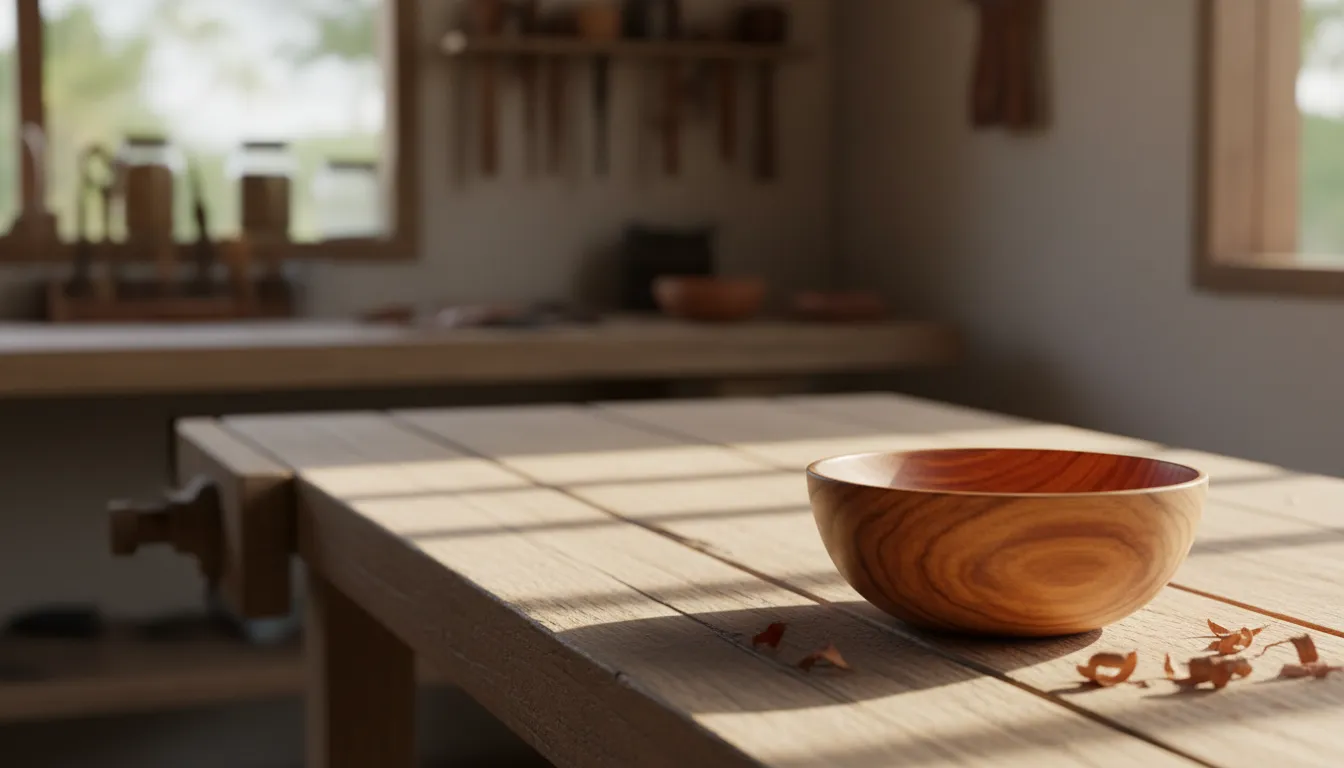
The distinction matters more than you’d think. When you purchase directly from an artisan, your money supports their continued work, funds their family’s needs, and validates the cultural preservation inherent in maintaining traditional craft techniques. That hand-carved wooden bowl wasn’t produced in a factory—it represents hours of skilled labor, material knowledge passed through generations, and design sensibilities rooted in Costa Rican aesthetic traditions. The macramé wall hanging incorporates knotting patterns indigenous to Central American textile arts. The ceramic pieces use local clay deposits and firing techniques adapted to available resources. A good cultural tour guide doesn’t just point you toward these purchases; they facilitate conversations with the artists themselves, helping you understand their process, materials, inspirations, and the stories embedded in each piece. Suddenly you’re not buying a souvenir—you’re supporting a neighbor and acquiring something with genuine provenance.
Many tours specifically include workshops or demonstrations where you can try basic techniques yourself: simple beadwork, basic weaving on small looms, or painting designs on pre-fired ceramics. These hands-on elements work particularly well for families with children old enough to follow instructions but young enough to still find creative mess appealing. Digital nomads appreciate the content opportunities, while retirees often enjoy the slower pace and detailed explanations of traditional methods. If you prefer browsing at your own pace after the tour introduction, ask your guide for a marked map showing which Jaco artisan markets operate on which days, as several operate on rotating schedules rather than daily storefronts.
Festivals & Fiestas: When Jaco Really Lets Its Hair Down
If you truly want to witness Jaco’s cultural soul without filters or tourist-friendly modifications, time your visit around a local festival. These celebrations—whether religious observances, national holidays, or community-specific traditions—transform the town into a vibrant showcase of Costa Rican heritage expressed through music, dance, elaborate costumes, and communal feasting that spills from homes into streets. Religious fiestas particularly reveal the syncretic blend of Catholic traditions with pre-colonial practices: processions featuring both saints and indigenous symbols, blessing ceremonies incorporating natural elements alongside formal liturgy, and celebrations where solemnity and exuberant party energy coexist without contradiction. The local parish church becomes the epicenter, but the real action radiates outward through food vendors, impromptu dance floors, and family gatherings that welcome friendly strangers.
Jaco’s prominence as a major beach destination means it sometimes hosts larger national cultural gatherings that might skip smaller towns. Independence Day celebrations in September bring elaborate parades featuring traditional masquerades, marching bands from schools across the region, and enough fried food to require strategic pacing. December transforms the town with holiday festivities blending northern hemisphere Christmas traditions (inexplicable in tropical heat) with distinctly Tico elements like tamale-making marathons and enormous family reunions. Local cultural tours can provide insider perspective on these events: which parade routes offer the best viewing positions, which food stalls are run by families with the best reputations, and what certain ceremonial elements actually signify beyond surface-level pageantry.
For families, festivals offer unbeatable cultural immersion with built-in entertainment—your kids won’t complain about educational content when there are colorful dancers, loud music, and sugar-coated treats involved. The communal atmosphere means locals expect and welcome children’s presence, often incorporating them into impromptu dancing or games. Retirees appreciate the opportunity to observe multigenerational traditions still actively practiced rather than preserved in museums. Digital nomads find endless content opportunities, though respectful photography etiquette applies: ask permission for close-ups of people, especially during religious moments, and be prepared to put the camera down and simply participate. Check what’s happening in Jaco soon before finalizing your travel dates—scoring a festival during your visit elevates the entire experience exponentially.
Why a Jaco Beach Zen Basecamp Makes Your Cultural Deep Dive Easier
Here’s something nobody mentions about intensive cultural exploration: it’s genuinely exhausting. Wonderful, enriching, memorable—but tiring. You’re processing new information constantly, navigating language barriers, adjusting to different social norms, and likely walking considerably more than your normal routine involves. After six hours of market visits, cooking demonstrations, artisan workshops, and enthusiastic conversations conducted partly in gestural improvisation, you need a comfortable retreat that’s close enough to downtown that getting there doesn’t require another expedition, but far enough removed that you can actually decompress.
Our location solves this beautifully. We’re genuinely walking distance from where most cultural tours launch—that town center church, the main market, the artisan quarter—meaning no expensive taxi rides or complicated logistics. You can stroll to your 9 AM meeting point, caffeinate at a local soda en route, and actually arrive relaxed rather than stressed about transportation timing. Equally important: after those tours conclude and you’ve absorbed about seventeen new concepts, tasted eight unfamiliar foods, and collected enough handcrafted purchases to require creative packing solutions, you can walk back to genuine peace. Close enough to wander downtown, far enough to hear the waves—that positioning isn’t marketing fluff; it’s the practical reality of being able to decompress by the pool while mentally cataloging the day’s experiences.
The fully equipped kitchens earn their keep after food tours particularly. You’ve just learned the proper technique for preparing plantains three different ways, or discovered that fresh cilantro quantity genuinely matters in chimichurri, or found that perfect spice blend at the market. Having an actual kitchen means you can experiment immediately while techniques and flavors remain fresh in memory, rather than filing them away as “someday I’ll try that at home” and forgetting entirely. Even if you don’t cook, having space to properly store artisan food purchases (that handcrafted hot sauce, the small-batch coffee, the tamarind candies) beats cramming everything into a mini-fridge designed for beer storage. After a day exploring Jaco’s vibrant culture, returning to a space that’s comfortable, secure, and genuinely yours for the duration creates the mental room necessary to process everything you’ve encountered—and maybe plan tomorrow’s cultural adventures.
Frequently Asked Questions
Are Jaco cultural tours suitable for families with small children?
Absolutely, with smart tour selection. Walking tours work well if your kids can handle 1-2 hours of strolling with breaks; most guides happily adjust pace for little legs. Food tours are hit-or-miss depending on your children’s adventurous eating—if they’re chicken-nugget-exclusive types, you’ll spend the tour negotiating rather than enjoying. Street art walks often engage kids better than historical lectures, especially if guides incorporate interactive elements. Many operators explicitly welcome families and can recommend age-appropriate options. The festival experiences are genuinely family-friendly, with Costa Rican culture generally very child-inclusive. Just communicate your children’s ages and attention spans when booking, so guides can set realistic expectations and perhaps suggest the best timing or format.
How long do most cultural walking tours in Jaco last?
Typical walking tours run 2-3 hours, covering manageable distances at a leisurely pace with regular stops for explanation and photography. Food tours extend longer, usually 3-4 hours, because they involve more stationary time at each tasting location plus the actual eating. Specialized experiences like artisan workshops or cooking classes might occupy half a day or more, depending on the depth of instruction. Most operators clearly state duration when advertising tours, but that timing assumes average fitness levels and moderate tropical heat—if you’re touring during peak afternoon sun or have mobility considerations, discuss this upfront. Guides can often adjust routes or incorporate additional rest stops, but they need advance notice rather than discovering limitations mid-tour.
Do I need to book cultural tours in advance, especially during peak season?
Strongly recommended, particularly November through April when tourism peaks. Popular guides and specialized tours (especially food experiences with limited capacity) often fill completely during high season, sometimes weeks ahead. Booking advance also allows tour operators to accommodate dietary restrictions, language preferences, or accessibility needs that require preparation. You’ll sometimes find same-day availability during slower periods or for larger walking tours, but you’re gambling on luck and settling for whatever’s available rather than choosing your ideal experience. Most reputable operators accept online bookings through their websites or WhatsApp, making advance planning straightforward. Early booking also locks in pricing—some operators raise rates during peak weeks without grandfathering earlier reservations.
Are English-speaking guides available for all cultural tours?
Most established tour operators in Jaco offer English-speaking guides, reflecting the town’s international tourism reality. However, fluency levels vary considerably—some guides are genuinely bilingual with nuanced English, while others have functional tourist-vocabulary English that covers basics but struggles with complex cultural explanations. When booking, explicitly request an English-speaking guide and perhaps ask about their language background if deep cultural conversation matters to you. Some of the absolute best local guides are Spanish-dominant, so if you have any Spanish ability, don’t automatically dismiss those options. Alternatively, some tours work beautifully with minimal shared language when the experience is primarily visual or hands-on, like artisan demonstrations or street art walks.
What should I wear or bring for a Jaco cultural tour?
Comfortable walking shoes are non-negotiable—you’ll cover uneven sidewalks, occasional cobblestones, and possibly dirt paths if visiting artisan workshops in residential areas. Jaco is tropical and humid, so lightweight, breathable clothing works better than anything heavy. Bring sun protection (hat, sunscreen, sunglasses) even for morning tours, as tropical sun is relentless. A small backpack or crossbody bag carries water, your phone/camera, and purchases better than juggling items in hand. For food tours, arrive genuinely hungry but avoid wearing white if you’re clumsy—sauces happen. Cash in small bills helps when buying directly from artisans who may not accept cards. If visiting during rainy season (May-November), a compact rain jacket or umbrella saves the day when afternoon showers appear. Most importantly: bring curiosity and openness to experiences that differ from home expectations.
Can I customize a cultural tour to focus on specific interests, like indigenous heritage or art?
Many operators happily customize private tours around specific interests, though this typically costs more than joining a standard group tour. If indigenous heritage particularly fascinates you, guides can emphasize pre-colonial history, arrange visits to specific sites with indigenous significance, or even facilitate meetings with local community members maintaining traditional practices. Art-focused tours can dive deeper into specific artists, include studio visits beyond the standard market stops, or incorporate more extensive street art coverage. Culinary customization works well too—focusing entirely on traditional preparation methods, or conversely, exploring how contemporary chefs reinterpret classic dishes. When requesting customization, contact operators directly rather than booking through third-party platforms, explain your specific interests clearly, and expect to pay premium pricing reflecting the personalized attention and specialized arrangements required.
Bahía Azul, unit 7C sits right on this stretch of sand — on the quiet south end of Jacó, a few hundred feet from the water.
Book on Airbnb