Beyond the Beach: Unearthing Jacó’s Rich Cultural Heritage (No Passport Required, Just Curiosity)
Let’s get something straight: Jacó isn’t going to win any UNESCO World Heritage awards. We’re not Florence, and the most historic building in town might be that slightly sketchy bar from the ’80s. But here’s the thing—dismissing Jacó as just surf-and-sand central means you’re missing the real story. Behind the beachfront condos and tourist-friendly pizza joints, there’s a living, breathing Tico community with festivals that shut down streets, artisan markets tucked in unexpected corners, and food traditions that’ll ruin generic resort buffets for you forever. You just need to know where to look. And since we actually live here at Jaco Beach Zen (close enough to wander downtown, far enough to hear the waves), we’re sharing the insider track to Jacó’s cultural pulse—the stuff that makes this place genuinely pura vida instead of just another tropical postcard.
Jaco’s Rhythm: More Than Just Waves, It’s a Cultural Pulse Point
Forget the generic “cultural tour” spiel where you’re herded through staged experiences designed for cruise ship crowds. We’re talking about the real Jacó, where traditional fiestas spill onto the streets unannounced, where the local mechanic might also be the best traditional dancer in town, and where the rhythm of life blends perfectly with the Pacific tide. Jacó might look like pure beachfront party town from the highway, but that’s just the surface.
The truth? Many families here have roots going back generations, long before the first surfer dudes discovered the breaks in the ’70s. Their kids play soccer in the same dusty lots their grandparents did, just now with better cell phone coverage. The town’s heartbeat isn’t in the tourist zone—it’s in the neighborhoods just inland, where clotheslines stretch between houses, where comadres gossip over coffee at 6 AM, and where everyone knows everyone’s business (for better or worse). This community foundation creates a cultural authenticity that no amount of resort planning can manufacture.
What makes Jacó unique in Puntarenas Province is this collision of old and new. Traditional Costa Rican values—family first, take it easy, share what you have—meet international influences from the steady stream of expats and travelers. The result? A cultural hybrid that’s distinctly Jacó: respectful of tradition but not stuck in it, welcoming to outsiders but never losing its Tico soul.
Finding the Heart of Jacó: Where Local Traditions Still Thrive
Yes, Jacó has a modern vibe with its craft beer bars and yoga studios, but dig a little deeper and you’ll find traditions passed down through generations, from everyday greetings to special celebrations. The key is knowing where locals actually spend their time—and it’s rarely where tour buses park.
Start with the local soda. No, not the sugary drink—a soda is a small, family-run restaurant where you’ll get authentic gallo pinto (rice and beans that somehow tastes nothing like what hotels serve), casado plates piled with fresh everything, and genuine conversation with people who’ve been flipping tortillas since before you were born. Our favorite spots don’t have English menus or Instagram-worthy plating. They have plastic chairs, ceiling fans that sorta work, and food that costs less than your morning latte back home. Places like Soda Garabito or the nameless spots near the soccer field—these are where you’ll overhear actual town gossip and taste Costa Rica as Ticos eat it daily.
Then there are the impromptu roadside fruit stands. Our local produce is legendary—mangoes so sweet they should be illegal, cas (a tart fruit perfect for juice), and papayas the size of small dogs. These stands pop up seasonally, run by families selling what grows in their own yards or nearby farms. Buying here means supporting the local economy directly, skipping the supermarket markup, and getting fruit picked this morning instead of last week. Plus, the vendors usually know exactly how to pick the ripest one and won’t steer you wrong.
We often share our favorite sodas and fruit stands in our guest welcome pack at Jaco Beach Zen, along with a map to find the freshest local goods. Because honestly? The best cultural experience isn’t a tour—it’s breakfast at a place where you’re the only non-Tico in sight.
Jaco’s Calendar: When the Town Comes Alive with Festivals & Fiestas
From vibrant parades to live music that goes until your neighbors politely ask you to keep it down (spoiler: they won’t, they’re at the party too), Jacó’s festival scene is where the town truly shines. These aren’t manufactured tourist attractions—they’re genuine celebrations, often tied to national holidays but with Jacó’s unique beachfront twist.
The Fiestas Cívicas are the main event, typically happening mid-year. Picture this: streets blocked off, temporary bullrings erected (yes, really), live bands playing everything from traditional marimba to reggaeton, and food vendors selling everything from chifrijo to sketchy-but-delicious mystery meat on a stick. The traditional bull riding (montas de toros) is fascinating—it’s more community rodeo-meets-dance-party than professional sport, and no, the bulls aren’t harmed. Locals of all ages take turns showing off, falling off, and laughing about it over Imperial beer afterward. Kids run wild with glow sticks, families claim their spots early with coolers and folding chairs, and the whole thing has an energy you can’t fake.
There’s also Independence Day (September 15th), when the entire country collectively loses its mind with pride. Expect parades with school marching bands, traditional costumes, and more Costa Rican flags than you knew existed. New Year’s in Jacó is its own beast—fireworks on the beach at midnight, impromptu dance parties, and a particular local tradition of burning effigies representing the old year. It’s chaotic, loud, joyful, and completely family-friendly despite what you might assume.
Here’s the insider tip: these events aren’t always firmly scheduled months in advance. Dates shift, plans change, and sometimes the best parties are the ones announced a week prior. Check local Facebook groups, ask at your soda, or just follow the sound of amplified music. If you’re planning your visit around local events, build in flexibility—Tico time is real, and it’s glorious.
Crafting Culture: Where to Find Authentic Costa Rican Souvenirs (No Tourist Traps Here!)
Skip the generic “I ♥ CR” t-shirts mass-produced in who-knows-where. We’ll point you to the artisan markets and local shops where you can find handcrafted wood carvings, vibrant pottery, and unique jewelry that tell a real story—and where your money actually reaches the artist’s hands.
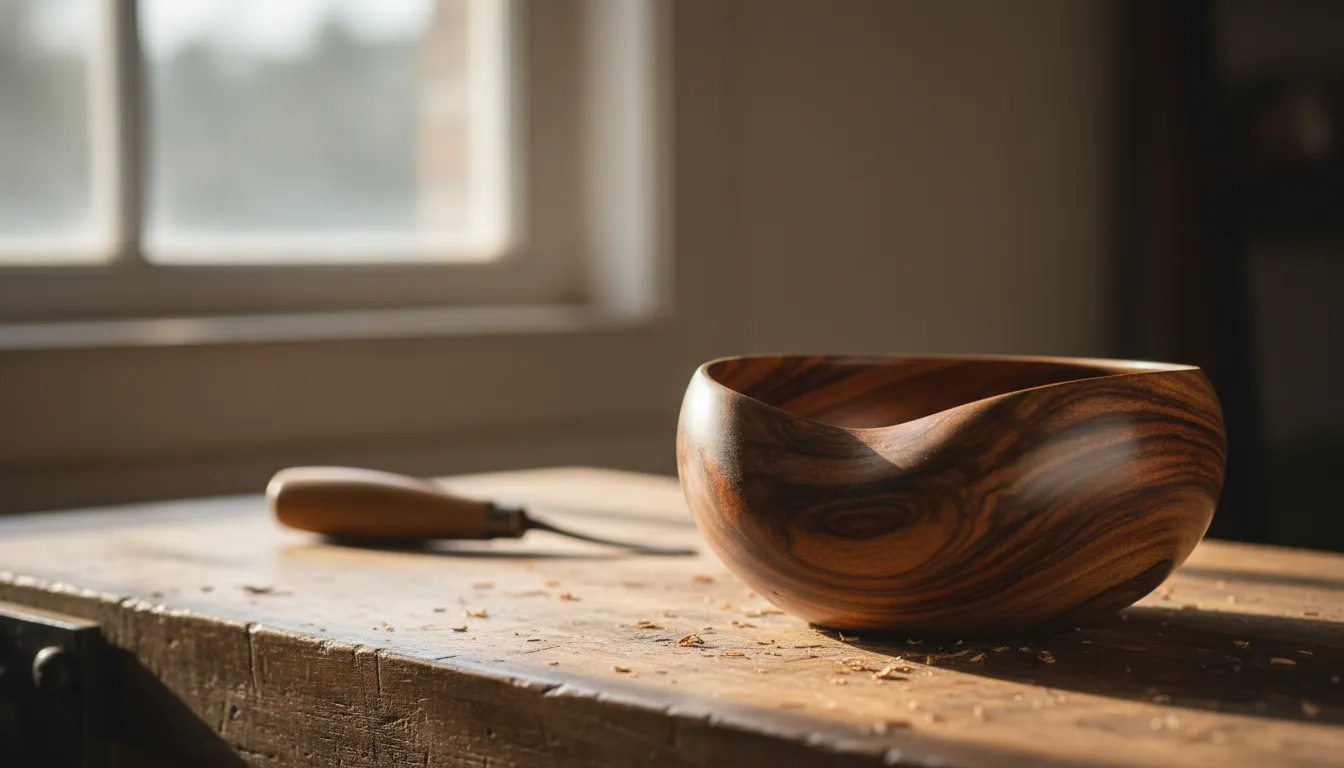
The best finds often aren’t on the main tourist drag. That’s where you’ll pay triple for items you could find at any airport gift shop. Instead, head to the weekend artisan markets that pop up near the municipal area or ask locals about smaller studios tucked into residential neighborhoods. Look for vendors selling hand-carved bowls from ron ron wood, colorful ox carts (the traditional symbol of Costa Rica, miniaturized for your suitcase), or jewelry made from seeds and sustainable materials found in nearby forests.
One spot worth seeking out is any market featuring the artesanos (artisans) from nearby communities. These craftspeople often work from home studios, perfecting techniques learned from parents and grandparents. That wooden bowl? It was turned by hand, not stamped out in a factory. That woven basket? Someone spent hours creating the pattern. The price difference between these items and tourist-shop knock-offs is often negligible, but the quality and authenticity gap is enormous.
For truly special pieces, consider items from indigenous cooperatives. While Jacó itself doesn’t have a significant indigenous population, you’ll find goods from communities throughout Puntarenas Province and beyond. The transaction goes directly to supporting cultural preservation and family livelihoods.
Pro tip: If a shop has fifty identical “hand-carved” masks, they’re not hand-carved. Real artisan work has variations, imperfections, character. Those quirks are features, not bugs. Finding sustainable, locally made goods means your souvenir fund becomes cultural support, not corporate profit. It’s the conscious traveler’s way to bring home something meaningful.
Indigenous Echoes: Exploring the Rich History Beyond Jacó’s Shores
While Jacó itself is a relatively young town (we’re talking decades, not centuries), the surrounding Puntarenas Province boasts deep indigenous history and cultural heritage stretching back millennia. Understanding this context enriches your entire Costa Rica experience and connects you to stories far older than any beach resort.
The most accessible indigenous cultural experience from Jacó is visiting the Boruca community, about three hours south. The Boruca people are famous for their hand-carved diablito masks—intricate wooden creations used in the annual Danza de los Diablitos, a traditional festival reenacting indigenous resistance to Spanish colonization. Each mask is unique, taking weeks to carve and paint with natural dyes. Watching an artisan work, hearing the stories behind the symbols, and understanding the cultural significance transforms these from “cool souvenirs” into profound artifacts of living history.
Closer to Jacó, you can explore archaeological sites and museums in the Central Pacific region that showcase pre-Columbian stone spheres, pottery, and tools from cultures that thrived here long before European contact. These aren’t crowded tourist attractions—they’re quiet, contemplative spaces where you can actually connect with history instead of just photographing it.
Here’s the critical part: respectful engagement with indigenous communities means hiring local guides, supporting their cooperative initiatives, and following their protocols. This isn’t a zoo—it’s people’s homes and living traditions. Book through community-run tour operators, ask permission before photographing, and buy directly from artisans when possible. Done right, these [day trips from Jaco](https://jacobeachzen.com/Family-Friendly Activities/jaco-family-day-trips) become exchanges of genuine cultural learning, not extractive tourism.
The indigenous heritage of this region reminds us that Costa Rican culture is layered, complex, and far richer than beach-and-rainforest stereotypes suggest. Jacó might be young, but its roots run deep.
Frequently Asked Questions
Are there guided cultural walking tours available in Jacó?
Honestly? Not in the traditional sense you’d find in European cities with professional tour guides and headsets. Jacó’s cultural experiences are more organic and less packaged. Your best bet is connecting with local guides through community centers or asking at family-run businesses about informal tours. Some expats who’ve lived here for years occasionally offer walking tours focusing on local haunts, history, and hidden spots—check local Facebook groups or community boards. The most authentic “tour” is often just wandering with curious eyes, stopping at sodas, and chatting with locals willing to share their stories.
What are the best places to find authentic Costa Rican crafts near Jacó?
Skip the main tourist strip and head to weekend artisan markets near the municipal area or smaller shops in residential neighborhoods. Ask locals for recommendations—they’ll steer you toward actual artisans, not resellers. Look for items with clear variation (proof they’re actually handmade), and don’t be afraid to ask about the artist’s process. For truly special pieces, seek out cooperatives representing indigenous communities from broader Puntarenas Province. The municipal market also occasionally features local craftspeople, though timing is inconsistent. Your best finds come from conversations and recommendations, not Google reviews.
How can I experience traditional Costa Rican cuisine without falling into tourist traps?
Eat where Ticos eat. Look for sodas with plastic chairs, Spanish-only menus, and locals lined up at lunch. If the place has tablecloths and English menus prominently displayed, keep walking. Ask residents where they grab weekday lunches—those spots prioritize taste and value over ambiance. Order the casado (daily special plate) or gallo pinto for breakfast. Hit roadside fruit stands for fresh produce. Avoid anywhere advertising “authentic Costa Rican food” in English—real authentic food doesn’t need to announce itself. Trust the spots where you’re the only tourist and the cook is someone’s grandmother.
Are Jacó’s local festivals family-friendly and safe for kids?
Absolutely. Costa Rican culture is incredibly family-oriented, and festivals reflect that. You’ll see kids of all ages running around, families staking out spots together, and a general vibe that’s energetic but not dangerous. The Fiestas Cívicas and Independence Day celebrations are particularly great for families—lots of color, music, and excitement without the chaos of adult-only events. Stick to well-lit, crowded areas, keep an eye on little ones (crowds can be dense), and you’ll be fine. Locals look out for kids at these events. Evening festivals are safe, though very young children might get overwhelmed by noise and late hours.
Is it possible to visit indigenous communities from Jacó, and what should I expect?
Yes, though it requires a day trip (3-4 hours) to communities like Boruca in the southern zone. Expect a full day commitment, respectful cultural exchange, and authentic experiences far removed from resort tourism. You’ll need to book through community-run cooperatives or approved guides who work directly with indigenous groups. Expect to learn about traditional crafts, hear oral histories, and possibly participate in workshops. This isn’t entertainment—it’s education and cultural preservation. Follow community protocols, ask permission for photos, and buy crafts directly from artisans when offered. Done right, these [day trips from Jaco](https://jacobeachzen.com/Family-Friendly Activities/jaco-family-day-trips) become exchanges of genuine cultural learning, not extractive tourism.
What’s the history behind Jacó, and how does it influence its current culture?
Jacó is remarkably young as Costa Rican towns go—it really developed in the 1970s when surfers discovered the breaks and the coastal highway improved access. Before that, it was a tiny fishing village with minimal infrastructure. This relative newness means Jacó lacks the colonial architecture and centuries-old traditions of places like Cartago or Heredia. Instead, its culture is this fascinating hybrid: traditional Tico values meeting international surf culture, longtime local families alongside expat communities, and rapid development tempered by pura vida pace. The result is a town that’s distinctly Costa Rican but with a uniquely modern, international flavor that sets it apart in Puntarenas Province.
Bahía Azul, unit 7C sits right on this stretch of sand — on the quiet south end of Jacó, a few hundred feet from the water.
Book on Airbnb