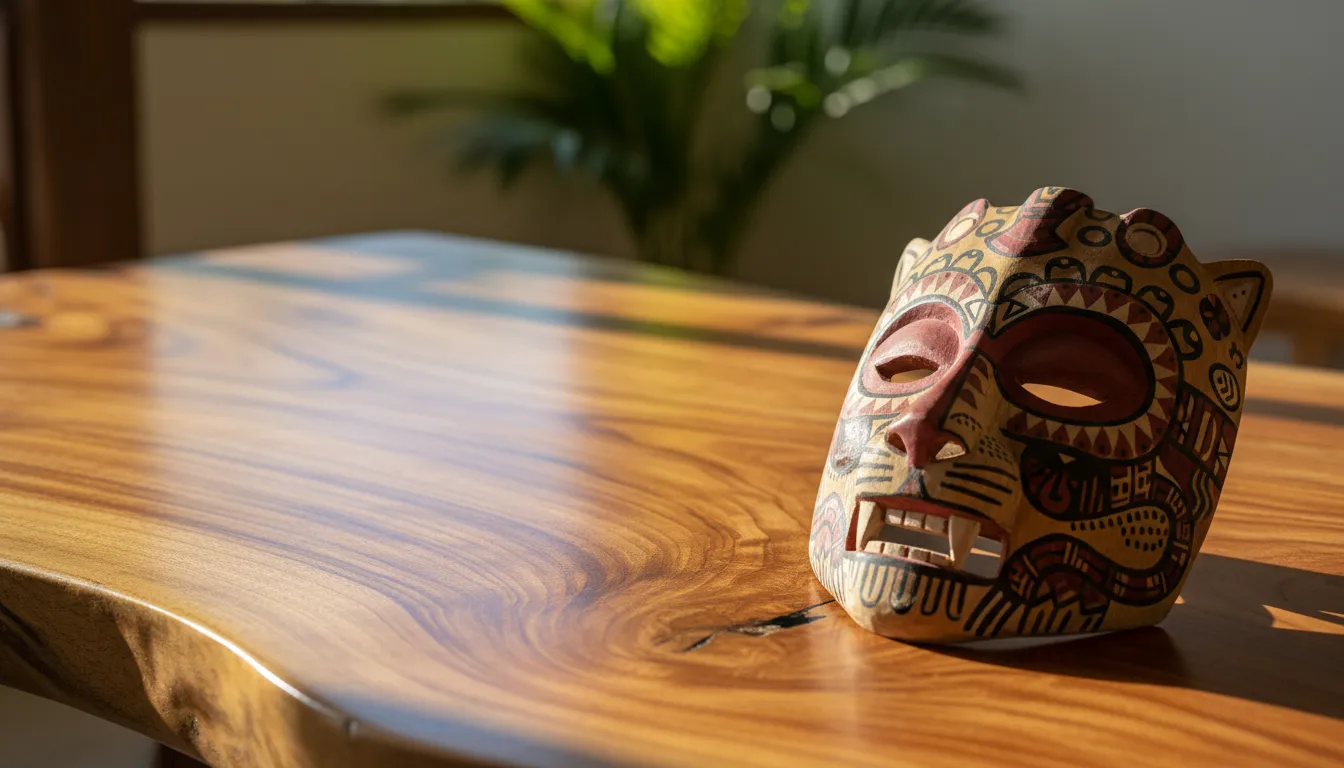
Beyond the Beach Towel: Jaco’s Artisan Crafts and Cultural Keepsakes
Let’s be honest: most beach town souvenir shops are filled with the same mass-produced “I ❤️ Costa Rica” keychains that could’ve been made anywhere from Guangzhou to Guatemala. But here’s the thing about Jaco—beyond the surf shops and beach gear, there’s a quietly thriving artisan scene that most visitors walk right past. We’re talking hand-carved masks that took days to create, textiles woven using techniques passed down through generations, and wood carvings from trees that grew in the mountains just hours from here. The trick is knowing where to look. Unlike tourist-heavy destinations where “handmade” often means “assembled in a factory,” Jaco’s craft culture connects you to actual artisans—people who can tell you why they chose that particular wood grain or what their grandmother’s weaving pattern means. Whether you’re hunting for something meaningful to hang on your wall back home or looking to create your own piece during a workshop, Jaco’s artisan scene offers the kind of cultural depth that makes a vacation feel less like checking boxes and more like collecting stories.
The Real Deal: Why Jaco’s Artisanal Scene Isn’t Your Typical Tourist Trap
Jaco doesn’t pretend to be Antigua or San Miguel de Allende—there’s no colonial plaza ringed with galleries. But that’s precisely why the craft scene here feels refreshingly genuine. The artisans selling in Jaco are often creating pieces that reflect Costa Rica’s living cultural traditions rather than manufacturing nostalgia for tourists. You’ll find woodworkers using fallen Guanacaste and coffee wood, their natural oils giving each piece a distinctive grain and scent that synthetic finishes can’t replicate.
What separates Jaco’s offerings from typical tourist traps is the direct connection to makers. Many vendors are either the artists themselves or family members who can explain the process behind each piece. That Boruca mask isn’t just colorful—it represents specific spirits from indigenous cosmology, hand-carved from balsa wood and painted with natural dyes. The woman selling woven bags might demonstrate the technique her mother taught her, fingers moving through threads with muscle memory built over decades.
This isn’t about guilt-tripping you into “shopping responsibly”—it’s about the simple fact that buying a hand-carved piece from someone who spent three days shaping it just hits different than grabbing a factory sarong. Your money goes directly into local pockets, supporting families who keep traditional skills alive. Plus, let’s face it: a genuinely handmade piece has character that mass production can’t touch. Each slight imperfection tells you a human made this, not a die-cut machine.
Hunting for Treasure: Where the Local Artisans Set Up Shop
Navigating Jaco’s Main Street means walking Pastor Diaz Avenue, where you’ll spot several craft-focused shops mixed among the surf rentals and tour operators. But here’s the local intel: the best finds often appear during Friday and Saturday evenings when vendors set up popup stands near the soccer field and along the beachfront. These aren’t advertised on TripAdvisor—you stumble onto them by being here.
The permanent shops along the main drag vary wildly in quality. Look for places displaying work from multiple named artisans rather than identical items stacked in bulk. A good sign? When the owner can tell you which village a piece came from or introduce you to the artisan’s family story. Avoid shops that feel more like warehouses—if everything looks suspiciously uniform and comes wrapped in identical packaging, you’re probably looking at wholesale imports.
Your best bet for discovering hidden gems? Ask locals directly. The folks at your favorite breakfast spot or the surf instructor who’s lived here fifteen years—they know which artists are legitimate and which workshops welcome visitors. Some of Jaco’s most talented artisans work from home studios in the hills above town, accepting visitors by appointment only. You won’t find them on Google Maps, but a local can text them and arrange a visit. These experiences—watching someone carve in their backyard workshop, surrounded by works-in-progress—are where the real cultural connection happens.
Crafting Your Own Story: Workshops and Hands-On Experiences
Watching someone create art is interesting. Creating it yourself, even badly, is transformative. Several Jaco-area artisans offer hands-on workshops that work brilliantly whether you’re traveling with kids who need a screen break or you’re a digital nomad desperate to use your hands for something other than typing.
Ceramic painting workshops are particularly popular with families. Your kids won’t produce museum-quality work, obviously, but they’ll spend two focused hours designing their own piece—usually a small bowl, plate, or decorative tile. Most workshops fire the pieces overnight and have them ready for pickup the next day, giving you a genuinely handmade souvenir with personal meaning. It beats another mass-produced stuffed animal they’ll forget in six months.
For adults seeking deeper engagement, traditional weaving and natural dyeing workshops offer meditative, hands-on cultural immersion. You’ll learn how indigenous techniques create those vibrant patterns, working with natural fibers and plant-based dyes. These sessions typically run three to four hours—long enough to actually understand the skill involved but not so long you’re checking your watch. Digital nomads particularly appreciate these breaks from screen time, using their hands in entirely different ways.
Retirees exploring Jaco’s art scene often find these workshops unexpectedly engaging. Learning a traditional craft from someone who’s practiced it for decades creates genuine cross-cultural connection that passive tourism rarely achieves. Plus, you’ll return home with both the finished piece and a new appreciation for the work behind every handmade object you see.
What to Look For: From Indigenous Roots to Modern Interpretations
Boruca masks represent Costa Rica’s most visually striking indigenous craft tradition. These aren’t decorative afterthoughts—they’re ceremonial objects depicting spirits, animals, and mythological figures from Boruca cosmology. Authentic masks are carved from lightweight balsa wood, then painted in bold, geometric patterns using brushes made from human hair. Yes, really. Each mask takes days to complete, and serious collectors can identify specific carvers by their distinctive style. They range from fist-sized pieces perfect for packing to massive wall-hanging statements that’ll dominate your living room.
Wood carvings showcase Costa Rica’s incredible timber diversity. Coffee wood pieces—bowls, boxes, serving utensils—carry a subtle coffee aroma that lasts for years. The wood’s density makes it naturally antimicrobial, which is why it’s traditionally used for kitchen items. Guanacaste wood, from Costa Rica’s national tree, features rich grain patterns in warm browns and golds. Artisans often leave sections of natural bark or incorporate the wood’s natural curves, creating pieces that feel organic rather than manufactured.
Textiles range from traditional indigenous weaving to contemporary interpretations. Hand-woven tapestries using pre-Columbian patterns make stunning wall art, while practical items like market bags and table runners bring color to daily life. Look for tight, even weaving and vibrant, colorfast dyes—quality pieces won’t fade or unravel after one washing. Many weavers now create modern designs using traditional techniques, blending cultural heritage with contemporary aesthetics.
Jaco’s art galleries offer a more refined take on local creativity. Paintings and prints depicting Pacific coast surf culture, rainforest wildlife, and coastal landscapes capture the region’s visual essence. Some artists work in mixed media, incorporating found objects from the beach or natural materials into their pieces. These aren’t typically “crafts” in the traditional sense, but they’re locally created original art that reflects Jaco’s cultural identity far better than generic beach prints.
The Practicalities: Haggling, Authenticity, and Getting Your Keepsakes Home
Haggling in Jaco isn’t as aggressive or expected as in some Latin American markets, but gentle negotiation is sometimes acceptable, especially when buying multiple items. The key word is “gentle”—this isn’t a zero-sum game. If you’re purchasing several pieces from one vendor, asking “What’s your best price for all three?” is perfectly reasonable. Offering half the asking price like you’re in a Moroccan souk? That’s going to create awkwardness. Most artisans price fairly because they know exactly how many hours went into each piece.
Authenticity verification requires a bit of detective work. Look for “Hecho a mano en Costa Rica” (Handmade in Costa Rica) labels, though many individual artisans working from home studios won’t have formal tags. Check for slight variations between pieces—if twenty supposedly handmade bowls are absolutely identical, they’re probably factory-made. Ask questions about the process, materials, and origin. Legitimate artisans love discussing their work and can provide specific details. Vendors selling imported goods often become vague or change the subject.
Transporting purchases home requires strategy, especially for fragile or bulky items. Boruca masks are surprisingly lightweight and pack well wrapped in clothing. Ceramics and glass pieces need serious padding—bubble wrap if you can find it, or multiple layers of clothing if you can’t. Large wood carvings present bigger challenges. Some artisans can arrange shipping, though it’s not cheap. For seriously valuable or fragile pieces, professional shipping through a courier service is worth considering.
If you’re staying with us at Jaco Beach Zen, we’ve got sturdy boxes and packing materials you’re welcome to use. We’ve helped guests ship everything from surf boards to massive carved turtles over the years—we know the drill. Keep receipts for any valuable purchases, both for insurance purposes and potential customs declarations.
Safety-wise, apply common sense. Don’t flash large amounts of cash while shopping. Stick to main shopping areas during daylight hours, and if you’re heading to a more remote workshop or studio, let someone know where you’re going. Follow the same guidelines outlined in our Jaco safety guide—awareness without paranoia keeps your cultural shopping adventures enjoyable and secure.
Frequently Asked Questions
Where are the best places to buy authentic Costa Rican crafts in Jaco?
Pastor Diaz Avenue hosts several reliable craft shops, but the real treasures emerge at weekend popup markets near the soccer field and beachfront. Ask locals for recommendations to individual artisans working from home studios in the hills above town—these aren’t advertised but often feature the highest quality work. Friday and Saturday evenings bring out more vendors, creating the best variety and selection.
Can I find indigenous crafts, like Boruca masks, in Jaco?
Absolutely. Several Jaco shops carry authentic Boruca masks, though selection varies by season and availability. These hand-carved, painted masks represent genuine indigenous Costa Rican tradition and range from small decorative pieces to large ceremonial masks. Prices reflect the days of work involved—authentic masks start around $30 for smaller pieces and can reach several hundred dollars for museum-quality work from recognized master carvers.
Are there any craft workshops in Jaco for visitors?
Yes, local artisans offer hands-on workshops in ceramic painting, traditional weaving, natural dyeing, and occasionally woodworking. These experiences work brilliantly for families, digital nomads seeking screen breaks, and retirees wanting cultural immersion. Most workshops run two to four hours and include all materials. Ceramic pieces are typically fired overnight and ready for pickup the next day. Ask locally for current offerings, as workshop availability shifts seasonally.
How can I tell if a craft item in Jaco is truly handmade and local?
Look for slight variations between pieces—perfect uniformity suggests factory production. Ask specific questions about materials, process, and origin; legitimate artisans enthusiastically share details while importers become vague. Check for “Hecho a mano en Costa Rica” labels, though many individual artisans lack formal tags. Touch and inspect closely—handmade pieces show tool marks, slight irregularities, and natural material variations that machines can’t replicate.
Is it normal to haggle prices for artisan crafts in Jaco?
Gentle negotiation is sometimes appropriate, especially when purchasing multiple items, but aggressive haggling isn’t the cultural norm here. Asking “What’s your best price for all three?” when buying several pieces is reasonable. Most artisans price fairly because they understand their labor investment. Offering drastically reduced prices disrespects their skill and time. Think friendly conversation, not combative bargaining.
How do I safely transport fragile or larger craft purchases home from Jaco?
Wrap ceramics and glass in multiple layers of clothing or bubble wrap if available. Boruca masks are lightweight and pack easily. Large wood carvings may require professional shipping—some artisans offer this service, or use local courier companies. Save sturdy boxes from other purchases for packing. Keep receipts for valuable items for insurance and customs. If staying at Jaco Beach Zen, we have packing materials and shipping advice from years of helping guests transport everything imaginable.
Bahía Azul, unit 7C sits right on this stretch of sand — on the quiet south end of Jacó, a few hundred feet from the water.
Book on Airbnb