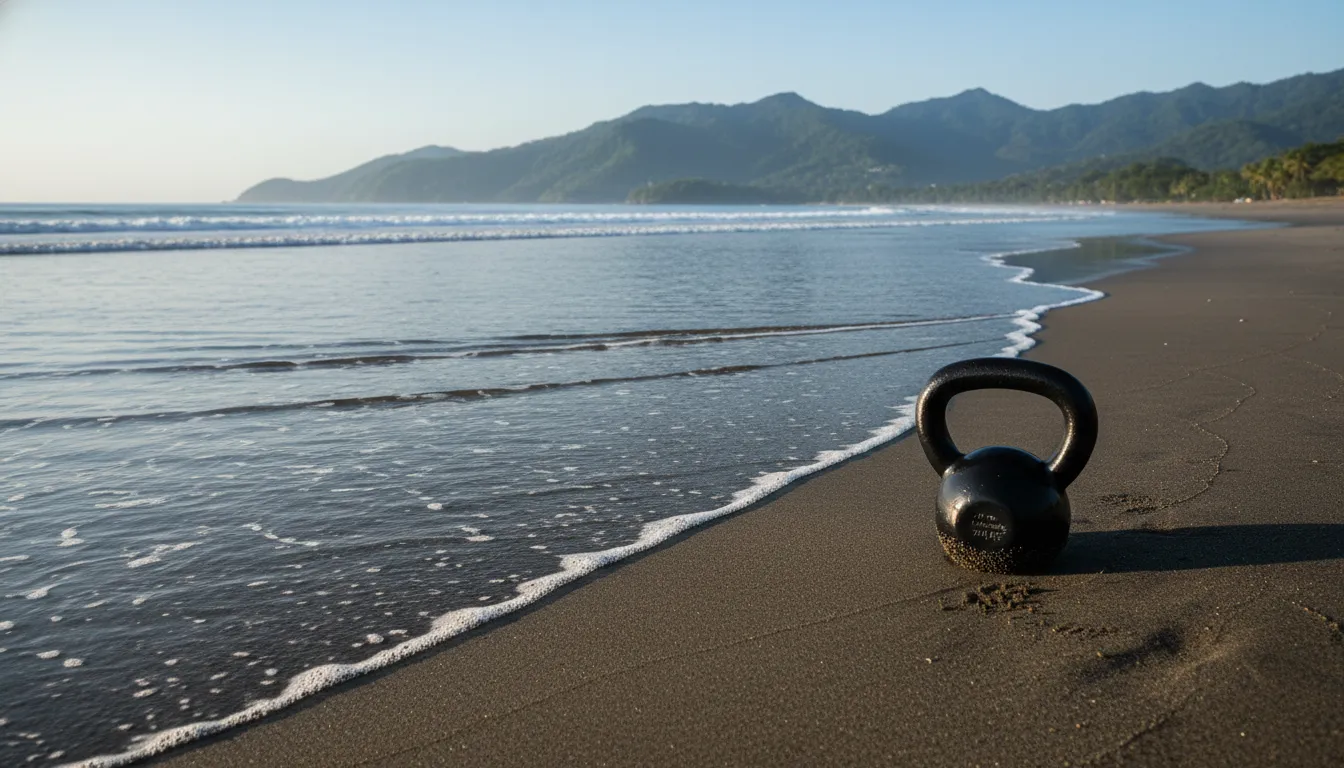
Jaco’s become something of a secret weapon for fitness junkies who’ve figured out that doing burpees on a beach at sunrise hits different than a fluorescent-lit gym back home. The town’s drawn a steady stream of bootcamp operators who’ve realized what locals have known for years: when your workout backdrop includes howler monkeys and crashing waves, motivation sort of takes care of itself. Whether you’re chasing a full wellness retreat or just want to squeeze proper workouts into your surf trip, Jaco’s fitness scene has evolved beyond the typical hotel gym situation into something genuinely worth planning around.
What Makes Jaco Different for Fitness Bootcamps
Jaco’s geography does half the work before instructors even show up. The combination of accessible beaches, nearby jungle trails, and year-round warm weather means outdoor training happens 365 days a year without the “let’s move inside” backup plan. Most bootcamps leverage the natural resistance training that sand provides—running on Hermosa Beach delivers about 1.6 times the workout of pavement, which your calves will enthusiastically confirm the next morning.
The town’s compact layout also means you’re never far from multiple training environments. Morning circuit training on the beach, afternoon trail runs in the hills behind town, evening yoga on a studio deck—all within a 10-minute radius. Unlike sprawling resort areas where you need transportation between activities, Jaco’s walkable fitness ecosystem lets you actually maintain workout momentum throughout the day. The local fitness community has also matured significantly; you’ll find certified trainers who’ve been here for years, not just seasonal instructors passing through.
Types of Bootcamp Programs Available
Jaco’s bootcamp scene splits into a few distinct categories, each attracting different crowds. Week-long intensive programs typically run Sunday to Saturday, combining twice-daily workouts with nutrition planning and recovery sessions. These tend to attract serious fitness enthusiasts or people using vacation as a reset button. Daily rates usually run $400-$800 per person depending on accommodation level and group size.
Surf-and-fitness hybrids have become particularly popular, mixing morning surf sessions with afternoon strength training designed specifically for wave riders. These programs recognize that paddling and pop-ups require specific conditioning that regular gym routines miss. For digital nomads and longer-term visitors, drop-in bootcamp classes happen throughout the week—typically $15-25 per session—allowing you to maintain routines without committing to full packages.
Some operators also offer customized small-group training, ideal for friend groups or couples with different fitness levels. These sessions cost more per person ($50-80 per session) but deliver programming tailored to your actual goals rather than one-size-fits-all group dynamics.
Beach Training: More Than Just Running on Sand
The beach bootcamp experience in Jaco goes well beyond the Instagram-friendly concept. Trainers use the environment strategically—soft sand for plyometric work that reduces joint impact, packed sand near the waterline for sprint intervals, and the ocean itself for resistance training that feels less brutal than it actually is. The natural inclines where beach meets jungle also provide hill training without needing to navigate roads.
Timing matters significantly for beach workouts. Early sessions (6:00-7:30 AM) catch cooler temperatures and smaller crowds, though sunrise over the Pacific doesn’t happen here—you’re on the west coast. Late afternoon sessions (4:30-6:00 PM) work better for avoiding midday heat but compete with beach traffic. Most experienced bootcamps schedule harder cardio work for mornings and reserve afternoons for strength training or yoga sessions that benefit from warmer, looser muscles.
The beach also introduces variables that gym training can’t replicate. Wind resistance, uneven surfaces, and changing sand conditions force constant micro-adjustments that engage stabilizer muscles and improve functional fitness. It’s genuinely harder work, which explains why a 30-minute beach circuit often feels equivalent to 45 minutes indoors.
Jungle Trail Workouts and Hill Training
The trails behind Jaco provide completely different training environments than beach work. The coastal mountain range creates natural elevation challenges within 15 minutes of downtown—trails that gain 500-800 feet in under two miles, perfect for HIIT-style hill repeats or sustained cardio efforts. The canopy cover also means training in shade, a significant advantage during hotter months.
Local bootcamp operators have mapped specific routes for different intensity levels. The trail network near Rainforest Adventures offers moderate inclines with well-maintained paths, suitable for groups with mixed fitness levels. More adventurous programs head toward trails around the Carara National Park buffer zones, where steeper grades and technical terrain demand both cardiovascular fitness and coordination.
Jungle training does require reasonable precautions. Trails can be slippery after rain, and proper footwear (trail runners with decent tread) matters more than on beach sand. Most reputable bootcamps provide orientation to trail etiquette and wildlife awareness—you’ll share these spaces with howler monkeys, iguanas, and occasionally nervous tourists convinced every sound is a jaguar.
What to Expect from a Typical Bootcamp Week
Most structured programs follow similar rhythms regardless of operator. Days typically begin between 6:00-7:00 AM with the most demanding workout—cardio-focused beach circuits, hill repeats, or combination training that leaves you genuinely grateful for breakfast. Post-workout recovery includes proper cool-down and stretching, often incorporating yoga elements that double as flexibility training.
Afternoons usually deliver strength-focused sessions—bodyweight circuits, resistance training, or sport-specific conditioning. These run shorter and less intense than morning work, acknowledging that training twice daily requires smart load management. Many programs block out mid-afternoon for personal time, meals, or optional activities like surfing lessons or ATV tours.
Evenings might include group dinners emphasizing nutrition education, recovery sessions (foam rolling, stretching), or educational components about maintaining fitness post-bootcamp. The better programs recognize that the point isn’t just surviving the week but building sustainable habits you’ll actually continue.
Combining Bootcamps with Surf Training
The surf-and-fitness combination has become Jaco’s signature offering, and it makes genuine sense beyond marketing. Surfing demands explosive power, core stability, shoulder endurance, and cardiovascular fitness—precisely what well-designed bootcamp training develops. Programs that integrate both typically schedule surf sessions during optimal tide and swell conditions (usually mornings), then design afternoon workouts addressing specific surfing demands.
Cross-training benefits work both directions. Bootcamp conditioning improves paddle endurance and pop-up speed, while surfing provides low-impact cardio that aids recovery from high-intensity land training. The combination also keeps training mentally fresh; alternating between ocean and land workouts prevents the monotony that sometimes derails single-focus programs.
For beginners attempting both simultaneously, expect genuine soreness. Surfing uses muscles that most gym routines ignore, and adding structured bootcamp work on top creates cumulative fatigue that requires honest recovery time. Smart programs build in adequate rest days and emphasize nutrition and sleep rather than just grinding harder daily.
Nutrition and Recovery Support
Serious bootcamp programs include nutrition components because no amount of beach burpees overcomes consistently poor fueling. Jaco’s restaurant scene has evolved to support fitness-focused visitors, with several spots offering genuinely healthy options beyond sad chicken salads. Programs often coordinate with specific restaurants or provide meal plans emphasizing local ingredients—fresh fish, tropical fruits, and vegetables that don’t require supplement pills to meet micronutrient needs.
Recovery matters as much as the workouts themselves, particularly in tropical heat that increases fluid and electrolyte demands. Better bootcamps emphasize hydration protocols, rest day programming, and recovery modalities beyond just “take the day off.” Some include massage therapy, contrast water therapy (ocean swims followed by cool showers), or guided meditation sessions that address the mental training component often overlooked in pure fitness programming.
The local environment also naturally supports recovery. Ocean swimming provides natural contrast therapy and low-impact movement that aids muscle recovery without additional training stress. Evening beach walks offer active recovery while maintaining the vacation aspect that makes bootcamp weeks sustainable rather than just punishing.
Choosing the Right Program for Your Level
Jaco’s bootcamp options range from genuinely challenging programs designed for already-fit athletes to accessible options welcoming beginners who haven’t worked out consistently in months. Honest self-assessment prevents the miserable experience of signing up for advanced programming when you’re actually intermediate, or the disappointment of coasting through workouts that don’t challenge you.
Look for programs offering initial fitness assessments and multiple intensity tiers within group sessions. The best operators provide modifications for exercises, allowing mixed-ability groups to train together without holding back advanced participants or destroying beginners. Red flags include programs promising dramatic transformations in unrealistic timeframes or those lacking certified instruction credentials.
Consider your actual goals beyond just “get in shape.” If you’re training for a specific event, look for sport-specific programming. If you’re using the bootcamp as a reset to establish long-term habits, prioritize programs emphasizing education and sustainable practices over just maximum suffering. And if you’re combining bootcamp training with a legitimate vacation, ensure the schedule includes actual downtime rather than just programmed activities from dawn until dark.
Practical Logistics: Costs, Schedules, and Booking
Full-week bootcamp programs in Jaco typically range $600-1500 per person, with considerable variation based on accommodation quality, group size, and included amenities. Budget options might include just training sessions, while premium packages incorporate lodging, meals, massage therapy, and additional activities. Drop-in classes for those staying longer-term usually run $15-25 per session with discounts for class packs.
Most programs require deposits to secure spots, with full payment due 2-4 weeks before arrival. Cancellation policies vary significantly, so read actual terms rather than assuming flexibility. Peak season (December through April) sees higher prices and earlier booking requirements, while green season (May through November) offers better rates and more availability, though with increased rain probability.
Many bootcamp operators coordinate accommodation recommendations or packages with local hotels and vacation rentals. Jaco Beach Zen, located just north of downtown, offers the proximity to both beach training areas and town conveniences that bootcamp participants appreciate—close enough to walk to sessions, far enough to actually hear ocean waves rather than bar music when recovering.
Safety Considerations and Health Precautions
Training in tropical environments introduces considerations beyond typical gym safety. Heat management becomes critical—early morning sessions help, but proper hydration starts the night before, not when you’re already thirsty during workouts. Electrolyte replacement matters more in conditions where you’re sweating constantly, and underestimating this contributes to the fatigue and cramping that sideline participants mid-week.
Sun exposure accumulates quickly during outdoor training. Quality sunscreen (reef-safe formulas protect both your skin and the ocean ecosystem) applied 30 minutes before workouts, plus reapplication during water breaks, prevents the burns that make even wearing a backpack miserable. Many experienced bootcamp participants also invest in UV-protective workout gear rather than relying solely on sunscreen.
Understand your actual fitness baseline before committing to intensive programs. If you haven’t maintained regular exercise recently, jumping into twice-daily bootcamp training risks injury rather than transformation. Some programs require medical clearance for participants over certain ages or with specific health conditions—take these requirements seriously rather than as bureaucratic annoyances.
Frequently Asked Questions
What fitness level do I need for bootcamp programs in Jaco?
Most Jaco bootcamps accommodate intermediate fitness levels—you should handle 30 minutes of continuous moderate exercise without stopping. Many programs offer beginner modifications, but basic cardiovascular endurance and joint health matter for injury prevention. If you haven’t exercised regularly in six months, consider starting with drop-in classes rather than intensive week-long programs, or dedicate 4-6 weeks of preparation training before arrival.
Can I do a bootcamp program while staying at Jaco Beach Zen?
Absolutely. Jaco Beach Zen’s location north of downtown puts you within easy reach of beach training areas and established bootcamp meeting points, while the property’s quieter setting supports the recovery and sleep that intensive training demands. Many guests combine structured bootcamp programming with the flexibility of vacation rental accommodations rather than being locked into program-provided lodging.
What should I pack for a fitness bootcamp in Jaco?
Prioritize moisture-wicking workout clothes (cotton stays wet and causes chafing in humid conditions), quality trail running shoes with drainage, reef-safe sunscreen, and a refillable water bottle. Pack more workout clothes than you think necessary—you’ll be changing twice daily and laundry turnaround isn’t instant. Also bring recovery gear like foam rollers if you have specific needs, blister treatment supplies, and any supplements or nutrition products you rely on, as availability in Jaco varies.
How do bootcamps handle rainy season training?
Reputable programs train through rain rather than canceling—this is Costa Rica, where brief downpours happen year-round. Actually, many participants discover they prefer training in warm rain versus brutal sunshine. Lightning causes session modifications or delays, but general rainfall doesn’t stop beach or trail workouts. The main adjustment involves footwear (trails get slippery) and expectations (you’ll be completely soaked, which matters less than you’d think when it’s 80°F).
Are bootcamp programs family-friendly, or adults only?
Most structured bootcamp programs cater to adults 18+ due to intensity levels and liability considerations, though some operators offer family fitness weeks with age-appropriate modifications during school vacation periods. For families wanting active vacations without formal bootcamps, Jaco provides plenty of independent fitness options—beach workouts, hiking trails, and water sports—that accommodate various ages and abilities without structured programming requirements.
Bahía Azul, unit 7C sits right on this stretch of sand — on the quiet south end of Jacó, a few hundred feet from the water.
Book on Airbnb