Jaco’s Underwater World: From Snorkel Splashes to Deep-Sea Dives
Sure, Jaco’s waves get all the glory—and rightfully so. But here’s what the surf magazines don’t tell you: there’s an entire universe thriving just below those breakers, and it’s honestly a little miffed about being upstaged. We’re talking volcanic rock gardens where white-tip reef sharks cruise by like they own the place (spoiler: they do), hidden coves where sea turtles give zero concern to your Instagram agenda, and dive sites so teeming with life you’ll wonder if someone forgot to turn off the fish faucet. Whether you’re curious about dipping your masked face in for a snorkel peek or ready to earn your PADI stripes in warm Pacific waters, Jaco’s underwater scene delivers—minus the crowds you’d find at those “famous” Caribbean spots. Ready to see what happens when you stop staring at the horizon and start looking underneath it?
Welcome to Jaco’s Other Half: The Underwater Wonderland
Let’s clear something up right away: Jaco isn’t just about surfable swells and sunset beers. Beneath that energetic Pacific surface lies a volcanic underwater landscape that most visitors never discover, which is honestly their loss and your gain. These aren’t the bleached-out, Instagram-filtered reefs you’ve seen everywhere—we’re talking rugged rock formations forged by ancient geology, creating the perfect habitat for an unexpectedly rich marine ecosystem.
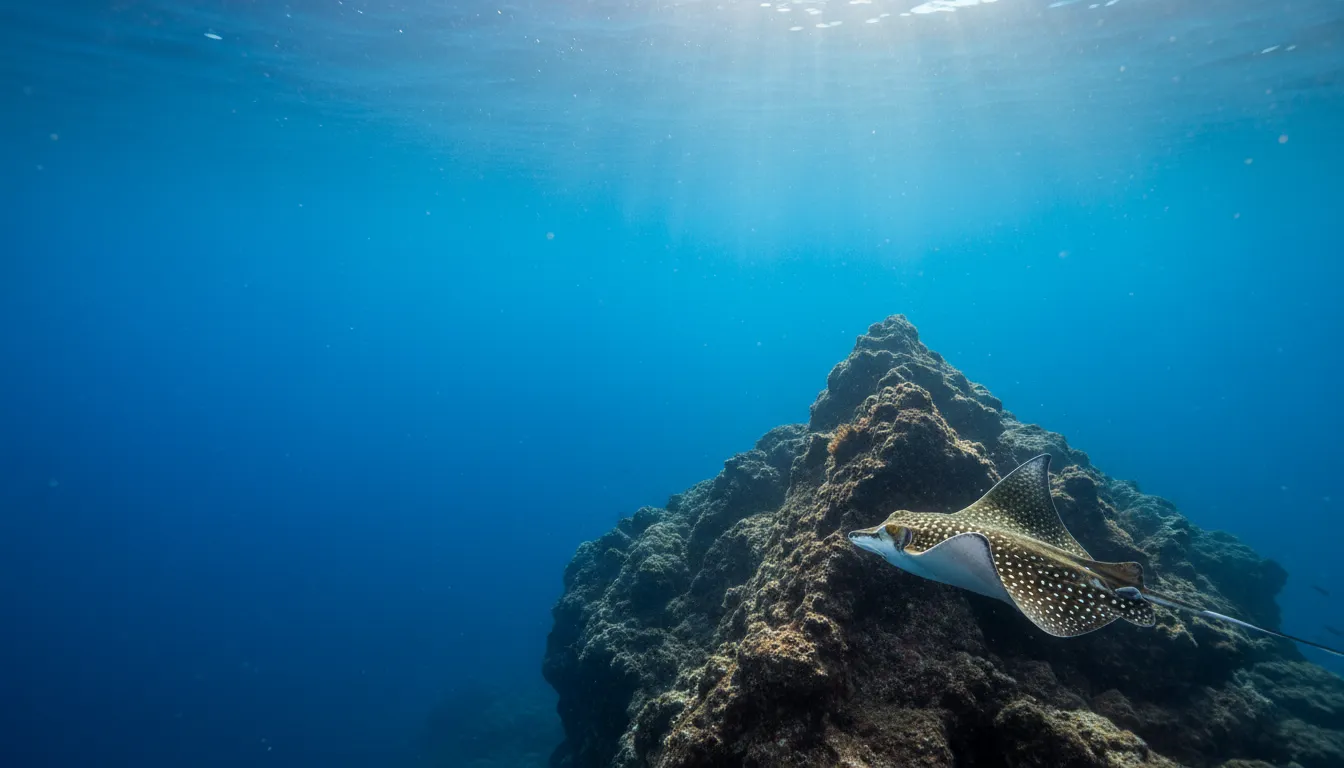
The volcanic substrate around Herradura Bay and nearby dive sites creates dramatic underwater topography—think towering pinnacles, swim-throughs, and crevices that host everything from tiny nudibranchs to impressive pelagics. You’ll spot angelfish flitting between rocks, schools of surgeonfish so thick they look like underwater traffic jams, and if you’re lucky, eagle rays gliding past with that effortless grace that makes you question your own coordination. The water temperature hovers around a comfortable 78-82°F year-round, meaning you won’t need to bundle up like you’re diving the North Atlantic.
What makes Jaco’s underwater world special isn’t just what lives there—it’s that it remains relatively undiscovered compared to overhyped destinations. While other spots are dealing with reef damage from excessive tourism, our sites maintain their wild character. It’s the Pacific’s personality showing through: a bit rougher around the edges than the Caribbean, less coddling, but absolutely authentic.
Snorkeling in Jaco: Wetting Your Whistle Without the Wetsuit
Here’s the truth about snorkeling directly from Jaco Beach: our waves are too busy being excellent surf breaks to moonlight as calm snorkeling pools. The beach’s dynamic energy means visibility and conditions favor those who prefer riding waves over observing what’s beneath them. But don’t close this tab yet—some of Costa Rica’s best snorkel spots are a quick 10-minute drive north.
Herradura Bay is where the magic happens for snorkelers. This protected horseshoe-shaped bay offers calmer waters and rocky outcrops that marine life absolutely adores. Local tour operators know exactly which coves are firing on any given day, accounting for tides, visibility, and seasonal movements. They’ll typically shuttle you to spots like hidden beaches near Punta Leona or small islands where the Pacific decides to behave itself for a few hours.
Most reputable snorkel tours include all the gear—mask, fins, snorkel, and often a wetsuit if you’re the type who gets chilly (though honestly, our water is like bathwater most of the year). Expect to see parrotfish chomping on coral, sergeant majors defending their territory with adorable aggression, and maybe a stingray doing its best impression of an underwater Roomba. Tours usually last 3-4 hours, including boat time, and they’re family-friendly enough that your eight-year-old and your sixty-year-old can both have a blast. Just remember: touching marine life is a hard no, and your guide will side-eye you faster than a moray eel can retreat into its hole.
Taking the Plunge: Scuba Diving Adventures from Jaco
When you’re ready to graduate from surface-level sightseeing to the real depths, scuba diving from Jaco means a short hop to Los Sueños Marina in Herradura—about 10 minutes from Jaco Beach Zen, which makes logistics blissfully simple. From the marina, dive boats reach prime sites in 15-30 minutes, meaning you’re spending more time underwater than you are staring at the boat’s wake.
The dive sites around here don’t mess around. Spots like “The Rock Garden” and various volcanic pinnacles feature dramatic topography dropping to 60-100 feet, creating perfect conditions for both marine life and the divers who love them. White-tip reef sharks are common sightings—they’re the chill locals of the shark world, often found napping in caves or cruising the bottom. Eagle rays make appearances that feel like underwater royalty passing through, and schools of jacks sometimes swirl around you in silvery tornado formations that make you forget how to exhale properly.
Visibility varies with seasons and conditions, typically ranging from 30-60 feet. The dry season (December through April) generally offers the clearest water, though dive operators run trips year-round because conditions remain diveable even during the green season. Water temperature stays warm enough that a 3mm wetsuit is usually plenty, though some divers skip it altogether. The Pacific here has personality—you might encounter currents that keep things interesting, which is why going with experienced local operators who know these waters intimately isn’t just smart, it’s essential.
PADI Certified in Paradise: Getting Your Dive On in Jaco
Ever fantasized about earning your scuba certification somewhere that doesn’t involve quarries or cold lakes where you can’t see your own fins? Jaco and Herradura offer an embarrassing abundance of PADI and SSI certified dive centers ready to take you from nervous beginner to certified diver in 3-4 days. The Open Water certification process here includes classroom sessions, pool or confined water practice, and open water dives at actual dive sites where you’ll immediately see why you bothered with all that theory.
Reputable shops in the area maintain small class sizes and provide instruction in multiple languages—critical when you’re learning hand signals and trying to remember if the regulator goes in your mouth or your ear (it’s the mouth, definitely the mouth). The beauty of certifying in Jaco is that your training dives happen at the same spectacular sites where experienced divers pay to visit. You’re not practicing in some boring training tank; you’re potentially seeing rays and reef sharks during your very first ocean dive.
After a long day of mastering buoyancy control and remembering to breathe (harder than it sounds when you’re 40 feet down), you’ll appreciate coming back to a private retreat where you can properly rinse your gear, dry out your logbook, and process the fact that you just became a certified diver in one of the most biodiverse ocean regions on the planet. Several dive shops offer advanced certifications too, so if you catch the diving bug hard, you can keep progressing without leaving the area.
Night Diving in Jaco: When the Ocean Throws a Party
Think you’ve seen everything a dive site has to offer during daylight? The ocean would like a word. Night diving transforms familiar sites into completely different ecosystems as diurnal creatures tuck in and nocturnal hunters emerge. Moray eels that hide shyly during the day become bold hunters, octopuses venture out on tentacled reconnaissance missions, and if you’re exceptionally fortunate, you might witness bioluminescent plankton creating underwater fireworks with every movement.
The same volcanic formations you visited at noon become mysterious silhouettes in your dive light’s beam, creating an atmosphere that’s equal parts thrilling and slightly spooky (in the best way). Lobsters emerge from crevices, crabs scuttle about their nighttime business, and fish that were vibrant during the day appear completely different under artificial light. It’s like the ocean decided to throw an exclusive after-hours party and you scored an invitation.
Night diving definitely falls into advanced territory and requires additional training beyond basic Open Water certification. Reputable Jaco operators require proof of night diving experience or completion of a night diving specialty course. They’ll provide dive lights and typically stick to familiar sites with easy navigation. If you’re an experienced diver looking to add some edge to your logbook, night diving in Jaco delivers bragging rights worth the slightly elevated adrenaline. Just always—and we cannot stress this enough—go with established local operators who know these sites in pitch darkness.
Safety First, Always: What to Look for in a Jaco Dive or Snorkel Tour
Choosing a dive or snorkel operator isn’t the time to pinch pennies or go with whoever has the cheapest Facebook ad. For families, solo travelers, and especially first-timers, selecting a reputable operator literally makes or breaks your experience—and possibly your safety. Look for PADI or SSI certification prominently displayed, check that equipment looks maintained rather than held together with hope and duct tape, and don’t hesitate to ask about instructor-to-student ratios.
Smaller groups almost always mean better experiences. You’ll get more personalized attention, instructors can actually watch everyone instead of playing underwater babysitter to a mob, and you’ll spend less time waiting for that one person who can’t figure out their weight belt. Ask about the operator’s approach to marine conservation—responsible outfits actively educate about not touching coral, maintaining proper buoyancy, and respecting wildlife. If an operator encourages harassment of marine life for photos, walk away. Better yet, run.
Weather and ocean conditions in the Pacific can change personality faster than a toddler denied ice cream. Professional operators monitor conditions constantly and won’t hesitate to reschedule if safety becomes questionable. If someone’s willing to take you out in sketchy conditions because you already paid, that’s your cue to request a refund and find someone who values your continued existence. Local Jaco operators are intimately familiar with Pacific patterns, seasonal changes, and site-specific quirks—trust their judgment, even when it means postponing your adventure.
Frequently Asked Questions
Is Jaco Beach good for snorkeling directly from the shore?
Not really, and here’s why: Jaco Beach’s wave action and sandy bottom make it fantastic for surfing but less ideal for snorkeling. The visibility tends to be limited due to natural sediment stirred up by those beautiful waves everyone comes here to ride. For quality snorkeling, you’ll want to head 10 minutes north to Herradura Bay or join a tour that takes you to protected coves and rocky areas where marine life congregates. The good news? Those better spots are close enough that accessing them doesn’t require an expedition—just a short drive or boat ride from your base in Jaco.
Where are the best snorkel spots near Jaco that tours visit?
Local snorkel tours typically head to Herradura Bay’s calmer coves, the rocky areas around Punta Leona, or small islands offshore where visibility improves significantly. These protected spots offer encounters with tropical fish, rays, sea turtles, and healthier marine ecosystems than you’d find at the main beach. Tour operators choose sites based on daily conditions—tides, visibility, and weather all factor in. Some tours venture slightly further to truly pristine spots, but most prime snorkeling happens within 30 minutes of Los Sueños Marina. Reputable operators scout conditions before trips, ensuring you’re visiting spots actually worth visiting rather than just going through motions.
Can I get PADI certified in Jaco, and how long does it take?
Absolutely—several dive centers in Jaco and Herradura offer PADI Open Water certification, typically completed in 3-4 days. The course includes classroom learning (or online eLearning you can complete beforehand), confined water training in pools, and four open water dives at actual dive sites. You’ll need to demonstrate basic swimming ability and be reasonably comfortable in water, but you don’t need prior experience. Many shops also offer Advanced Open Water, Rescue Diver, and specialty certifications if you’re already certified and want to level up. Getting certified here beats freezing in some quarry back home—you’re learning in warm, biodiverse Pacific waters where your certification dives might include reef shark sightings.
What kind of marine life can I expect to see while diving or snorkeling in Jaco?
The cast of characters includes white-tip reef sharks (the friendly, lazy ones), eagle rays, manta rays, several species of sea turtles, moray eels, octopuses, massive schools of jacks and snappers, angelfish, parrotfish, pufferfish, and if you’re diving during the right season, possibly even humpback whales in the distance or whale sharks passing through. The volcanic rock formations host smaller critters too—nudibranchs, crabs, lobsters, and an impressive variety of tropical reef fish. Seasonal variations affect what you’ll encounter, with certain pelagics visiting during specific months. Your dive guide will know what’s been spotted recently and where your best chances lie for specific sightings.
Are there options for beginners who’ve never dived before in Jaco?
Yes—most dive shops offer “Discover Scuba” programs, essentially try-before-you-certify introductions to diving. These typically include brief instruction, shallow water practice, and a guided dive to modest depths (usually 30-40 feet maximum) so you can experience actual diving without committing to full certification. It’s perfect for testing whether diving appeals to you before investing time and money in certification courses. Snorkeling tours also welcome absolute beginners, providing instruction on equipment use and water safety. Operators accustomed to beginners will take extra time ensuring comfort and confidence, making Jaco’s accessible dive sites ideal for first-timers who want supportive environments without sacrificing quality experiences.
How far do I have to travel from Jaco to go scuba diving?
Actually refreshingly close—Los Sueños Marina in Herradura, where most dive boats depart, sits about 10 minutes north of Jaco. From there, boats reach primary dive sites in another 15-30 minutes depending on which sites you’re visiting that day. Total travel time from Jaco to being underwater rarely exceeds 45 minutes, making it logistically simple compared to destinations requiring hours of travel before diving begins. This proximity means you can enjoy morning dives and still have your entire afternoon free, or vice versa. The convenience factor is genuinely one of Jaco’s underrated advantages—you’re close enough to excellent diving without needing to relocate your entire vacation.
Is night diving available, and is it safe for experienced divers?
Night diving is definitely available through several Jaco-area operators, and yes, it’s safe when conducted properly with reputable dive centers. You’ll need Advanced Open Water certification or completion of a night diving specialty course, as navigating dive sites in darkness requires skills beyond basic Open Water training. Operators provide powerful dive lights and typically visit familiar daytime sites with straightforward navigation and limited currents. The experience reveals completely different marine behavior—hunting predators, bioluminescence, and nocturnal species rarely seen during day dives. Safety protocols include buddy systems, surface marker buoys, and experienced guides who know these sites intimately even in total darkness. If you’re an experienced diver seeking something beyond standard tourism diving, night dives in Jaco deliver memorable experiences worth the extra preparation.
Bahía Azul, unit 7C sits right on this stretch of sand — on the quiet south end of Jacó, a few hundred feet from the water.
Book on Airbnb