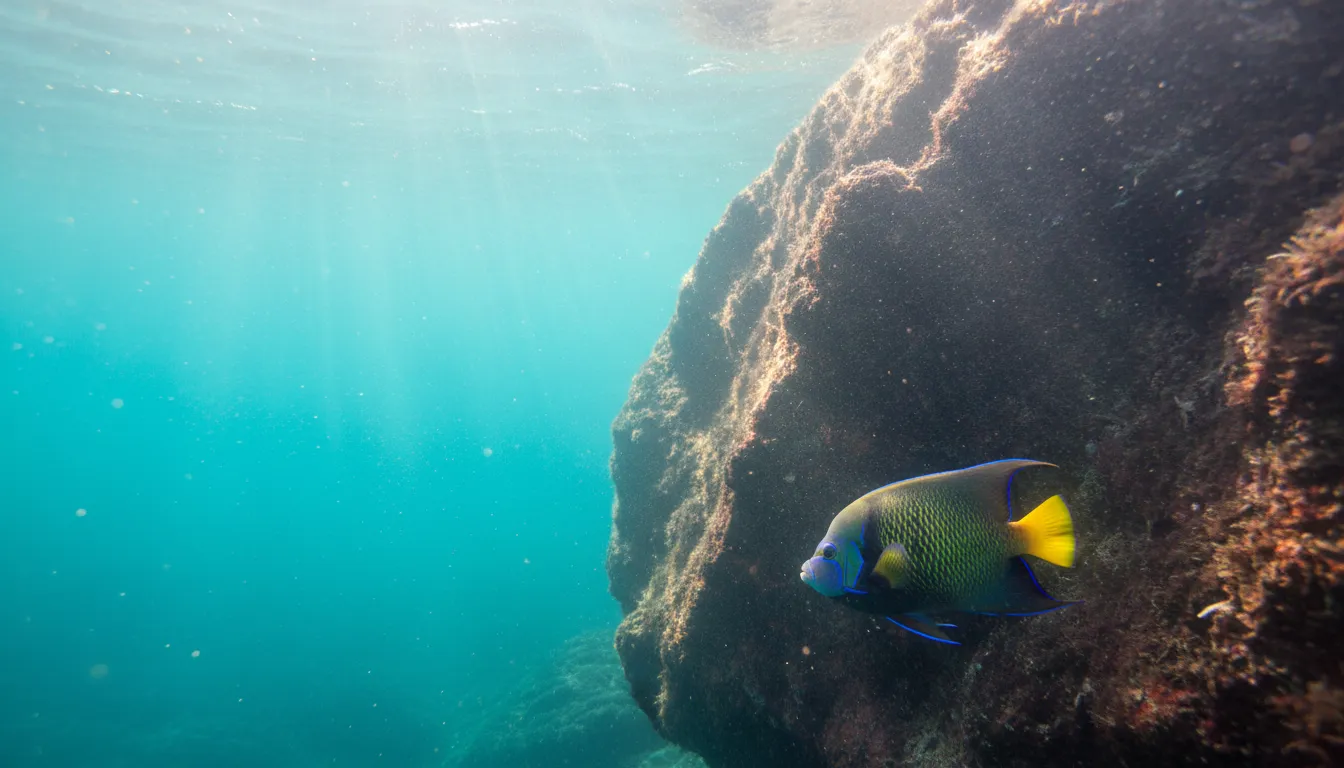
Let’s get something straight: Jaco’s main beach is a surfer’s paradise, not exactly a snorkeling haven. The waves that make it legendary for boarders also kick up sand and limit visibility. But here’s the insider secret—just a short boat ride away, the Pacific reveals an entirely different personality. We’re talking crystalline waters, vibrant reef fish darting between rocky outcrops, and secluded coves that look like they’ve been photoshopped for perfection. I’ve lived here long enough to know which tour operators actually deliver on those “pristine natural reserve” promises (hint: not all of them). Whether you’re a first-timer who gets nervous around anything deeper than a bathtub or an experienced snorkeler hunting for that perfect ray sighting, Jaco’s surrounding waters have something legitimately special to offer. The best part? The water’s so warm you genuinely won’t need a wetsuit most of the year.
Why Jaco’s Snorkeling is More Than Just a Pretty Face (and Where to Find It)
Jaco Beach itself serves surfing brilliantly, but for underwater exploration, we head to those spots the brochures casually call “nearby”—which actually means hopping on a boat for 20-30 minutes to reach where the magic happens. These aren’t Instagram-filtered fantasies; they’re legitimate pockets of calm, bath-warm water tucked around rocky peninsulas and offshore islands where marine life thrives without fighting surf break currents.
Timing matters here. The dry season (December through April) offers your best visibility, though early mornings during green season can surprise you with glass-smooth conditions and fewer boats. The difference between mediocre snorkeling and spectacular snorkeling often comes down to choosing the right day and the right guide who actually checks weather patterns rather than just running tours on autopilot.
What really sets these spots apart is their protected status and active conservation. MareBlu’s coral restoration project has been quietly transforming certain sites into budding ecosystems with more diversity than you’d find at many heavily-trafficked Caribbean reefs. The local operators who know these restoration zones treat them with proper respect—meaning you’ll see healthy coral formations and fish populations that haven’t been harassed into skittishness by poorly-managed tourism.
Staying at Jaco Beach Zen means you’re perfectly positioned for these excursions without the hassle of coordinating transportation from distant hotels. We maintain a curated list of trusted local tour operators who consistently deliver quality experiences, saving you from the guesswork of sorting through generic online reviews. Our guests regularly report back that having vetted recommendations made all the difference between a good tour and an exceptional one.
The Lowdown on Jaco’s Snorkeling Hotspots: Beyond the Brochure
Playa Mantas and Playa Blanca sit roughly 25 minutes north by boat, and they’re not exaggerating when they call them white-sand gems. These beaches offer tranquil coves where the water clarity makes you question whether you’re still in the Pacific. The sandy bottom reflects light upward, creating that postcard-perfect turquoise you usually associate with the Caribbean. Rocky outcrops on either end of these beaches create natural habitats where tropical fish congregate in numbers that’ll make your underwater camera work overtime.
Herradura Bay presents a different underwater landscape entirely. Its horseshoe shape provides natural protection from swells, making it an excellent backup option when conditions get choppy elsewhere. Many operators include Herradura in combo tours because its sheltered waters nearly guarantee calm snorkeling conditions regardless of what’s happening offshore. The bay’s mixture of sandy patches and rocky formations creates diverse micro-habitats—you’ll spot different species depending on whether you’re floating over sand, rock, or the transition zones between them.
Then there are the spots tour operators legitimately describe as “hidden” or “exclusive”—and they’re not just marketing fluff. These hard-to-access beaches require local knowledge to navigate safely, which is precisely why they’ve remained relatively undisturbed. Fewer snorkelers means less stressed marine life, which translates to bolder fish behavior and healthier ecosystems. When a tour company promises these exclusive locations, they’re worth the typically higher price point for the experience alone.
Booking Your Underwater Adventure: What the Locals Know About Tours
Quality snorkeling tours in Jaco operate with a family-friendly mindset, providing comprehensive gear packages including masks, snorkels, and fins suited for various sizes. They’ll also offer basic instruction for anyone who’s never stuck their face underwater with a breathing tube attached—which is more people than you’d think, and there’s zero shame in it. Unless you’re particular about gear fit or have specific prescription mask needs, there’s genuinely no reason to haul your own equipment.
The boat ride to snorkeling sites doubles as bonus entertainment. Dolphins frequently play in the bow wake, and if you’re lucky, you might spot sea turtles surfacing or even a whale breach during migration seasons. Tour operators who’ve been running these routes for years develop an eye for where marine life congregates, often adjusting routes mid-journey to maximize wildlife encounters without feeling forced or artificial.
Typical tours run three to four hours total—enough time to explore multiple snorkeling sites, take a beach break on pristine sand, and return to Jaco before the afternoon heat peaks or your lunch reservation. This timing works brilliantly whether you’re squeezing adventure into a work-from-paradise schedule or planning a full day that includes other Jaco activities.
Operators like Snorkel Jaco earn their consistently glowing reviews through attention to small details that matter: checking equipment before departure, limiting group sizes for personalized attention, and employing guides who genuinely love marine biology rather than just tolerating it as a job. When reviews repeatedly mention phrases like “best day of our vacation,” there’s usually substance behind the praise.
What to Expect Under the Surface: A Fin-tastic World Awaits
Prepare yourself for a legitimate kaleidoscope situation down there. Angelfish drift past with their distinctive vertical stripes, parrotfish crunch coral with beaks you can actually hear underwater, and pufferfish hover with expressions that somehow manage to look perpetually surprised. If you’re patient and still, rays often glide past close enough to appreciate their graceful swimming mechanics—they move like underwater birds rather than fish.
The rocky outcrops and artificial reef structures from MareBlu’s restoration work create the underwater equivalent of apartment complexes for fish. These structures provide hiding spots from predators, feeding opportunities, and breeding grounds—which is exactly why you’ll see such diversity concentrated in relatively small areas. Eels peek out from crevices, tiny cleaning stations attract larger fish, and schools of smaller species move in synchronized clouds that shift direction with mesmerizing coordination.
Visibility makes or breaks the experience. During dry season, you’re regularly looking at 50-70 feet of clarity on good days—enough to spot interesting formations well before you reach them and plan your exploration route. Green season can be more variable; recent rains reduce visibility temporarily, but the flip side is fewer tourists and occasionally even better marine life activity. Morning tours after several calm weather days offer your best bet for crystal-clear conditions regardless of season. The difference between 20-foot visibility and 60-foot visibility is genuinely the difference between a nice outing and a breathtaking experience you’ll remember for years.
Practical Pointers for a Smooth Snorkeling Expedition (For Every Type of Traveler)
Pacific sun doesn’t mess around, especially when you’re floating on reflective water for extended periods. Reef-safe sunscreen is non-negotiable—regular sunscreen damages coral systems, and many tour operators now require reef-safe formulas. Rashguards provide better sun protection than sunscreen alone, plus they prevent that annoying neck chafing from snorkel straps. Wide-brimmed hats work great on the boat but obviously stay behind when you enter the water.
While tours provide gear, rental equipment quality varies dramatically between operators. If you’re planning multiple snorkeling sessions or have specific fit preferences, investing in a quality personal mask and snorkel eliminates the “does this mask actually seal” uncertainty that can derail the first 20 minutes of your snorkeling time. Nothing kills the vibe faster than a leaky mask and a mouthpiece that triggers your gag reflex.
Morning departures offer significant advantages beyond just visibility. Waters are typically calmest before afternoon winds pick up, you’ll return with most of your day still ahead for other activities, and you’ll avoid the midday sun intensity that turns boat rides into endurance tests. Plus, morning light angles create better underwater photography conditions if you’re shooting without professional equipment.
Your packing list should include a waterproof camera or housing for your phone—you’ll regret not capturing these moments. A microfiber towel dries quickly and packs smaller than traditional beach towels. Reusable water bottles matter both for staying hydrated and reducing plastic waste in these pristine areas. Motion sickness medication is worth considering if you’re prone to seasickness; even calm days involve some boat movement.
Families should specifically seek tours advertising kid-friendly approaches with experienced guides trained in working with children. The best operators maintain higher guide-to-guest ratios for family groups and know how to make snorkeling exciting rather than scary for little ones. Safety equipment like properly-fitted life vests in children’s sizes should be standard, not an afterthought. Digital nomads appreciate tours that respect time efficiency—getting you back to Jaco by early afternoon means you can still knock out several productive work hours if needed. Retirees often prefer operators emphasizing comfort and accessibility, with easy boat boarding, calm water guarantees, and guides who pace activities for varied fitness levels rather than rushing through an itinerary. Adventure seekers should ask specifically about tours accessing more challenging sites with stronger currents, deeper coral formations, or opportunities to spot larger pelagic species that casual tours might avoid.
FAQ
Is Jaco Beach good for snorkeling, or do I need to go elsewhere?
Jaco Beach itself isn’t ideal for snorkeling due to waves and sand suspension that limit visibility. However, the surrounding area offers excellent snorkeling at sites like Playa Mantas, Playa Blanca, and Herradura Bay—all easily accessible via short boat trips. These locations provide calm, clear waters with vibrant marine life. Tours departing from Jaco reach these spots in 20-30 minutes, making it convenient without requiring you to relocate your accommodations. The key is booking with operators who know which sites offer the best conditions on any given day.
What’s the best time of year for snorkeling tours near Jaco?
Dry season (December through April) offers the most consistent conditions with calm seas and excellent visibility, often reaching 60+ feet on good days. However, green season (May through November) can surprise you with spectacular morning conditions, fewer crowds, and more aggressive pricing. The secret is booking tours after several days of calm weather regardless of season. Early morning departures always provide better visibility and calmer waters than afternoon trips. Avoid periods immediately following heavy rains, which temporarily reduce water clarity.
Do snorkeling tours in Jaco provide all the gear, or should I bring my own?
Reputable tours include masks, snorkels, fins, and life vests in all sizes as part of the package price. They’ll also provide basic instruction for beginners. Gear quality varies between operators, so if you’re particular about fit or planning multiple snorkeling sessions, bringing personal equipment ensures consistency. Prescription masks are worth investing in if you need vision correction—rental options rarely accommodate this. Most tour boats have fresh water for rinsing gear, though bringing your own defog solution can help with mask clarity.
Are there beginner-friendly snorkeling options for non-swimmers or kids?
Absolutely. Many tours specifically cater to beginners with calm, shallow sites where you can stand if needed. Guides provide thorough instruction and stay close to nervous snorkelers throughout the experience. Life vests are standard equipment, allowing even non-swimmers to float comfortably while observing marine life. For children, look for operators explicitly mentioning kid-friendly approaches with experienced guides trained in working with young snorkelers. The best family tours maintain higher guide-to-guest ratios and choose protected locations with minimal currents, making the experience exciting rather than intimidating.
Can I see dolphins or other marine life besides fish on Jaco snorkeling trips?
Dolphin sightings during boat rides to snorkeling sites happen frequently—they often play in bow wakes and seem to enjoy the interaction. While you’re unlikely to snorkel directly with dolphins (they’re mobile and skittish around swimmers), rays are common sightings at snorkeling sites, gliding gracefully along the bottom. Sea turtles occasionally surface near boats or feeding areas. During whale migration seasons (July through October and December through March), humpback whales breach offshore, visible from tour boats. Eels, octopuses, and larger fish species inhabit the rocky areas and coral formations.
How safe are snorkeling tours in Jaco, especially for families?
Reputable operators prioritize safety with certified guides, comprehensive equipment checks, and appropriate life vests for all ages. They monitor weather and water conditions, canceling or rescheduling tours when conditions aren’t suitable. Guides maintain visual contact with all snorkelers and know the locations’ underwater topography, currents, and potential hazards. Boats carry safety equipment including first aid kits, communication devices, and emergency oxygen. For families, choosing operators with specific family-friendly credentials and strong safety track records matters more than price. Reading recent reviews specifically mentioning safety practices helps identify consistently responsible operators.
Are there private snorkeling excursions available for a more exclusive experience?
Private charters are definitely available, offering customized itineraries, flexible timing, and exclusive access to less-visited sites. Private tours cost more but provide significant value for groups wanting personalized attention, custom pacing, or specific site requests. You’ll avoid the “hurry up and wait” rhythm of larger group tours and can spend more time at locations where you’re seeing great marine life. Private charters also accommodate special requests like extended beach time, specific departure times, or combining snorkeling with other activities like fishing or coastal exploration.
What are the typical costs for snorkeling tours from Jaco?
Standard group tours typically range from $65-95 per person, including equipment, guide services, and often beverages or light snacks. Half-day tours run cheaper than full-day excursions, which may include meals. Private charters start around $400-600 for small groups, with pricing varying based on boat size, duration, and included amenities. Premium tours accessing exclusive sites or offering smaller group sizes command higher prices but often deliver significantly better experiences. Budget operators exist but sometimes cut corners on equipment quality, guide expertise, or safety protocols—this isn’t the activity to prioritize bargain hunting over quality.
Bahía Azul, unit 7C sits right on this stretch of sand — on the quiet south end of Jacó, a few hundred feet from the water.
Book on Airbnb