Sure, Jaco’s surf breaks get all the Instagram glory, but beneath those waves? That’s where things get interesting. While everyone else is focused on riding the surface, you could be hanging out with white-tip reef sharks, chasing eagle rays, and exploring volcanic rock formations that look like they belong in a sci-fi movie. Jaco’s scuba diving scene isn’t about picture-perfect coral gardens—it’s about rugged Pacific underwater terrain teeming with life that most beachgoers never even know exists. Whether you’re a certified diver looking for your next adventure or someone who’s always wondered what it’s like to breathe underwater, Jaco’s dive sites deliver experiences that’ll make you forget about those poolside piña coladas. From Herradura’s protected marina launches to night dives that reveal a completely different ocean, this guide cuts through the surface chatter to show you what’s really happening down there.
Jaco’s Underwater World: More Than Just Surfing Spectacles
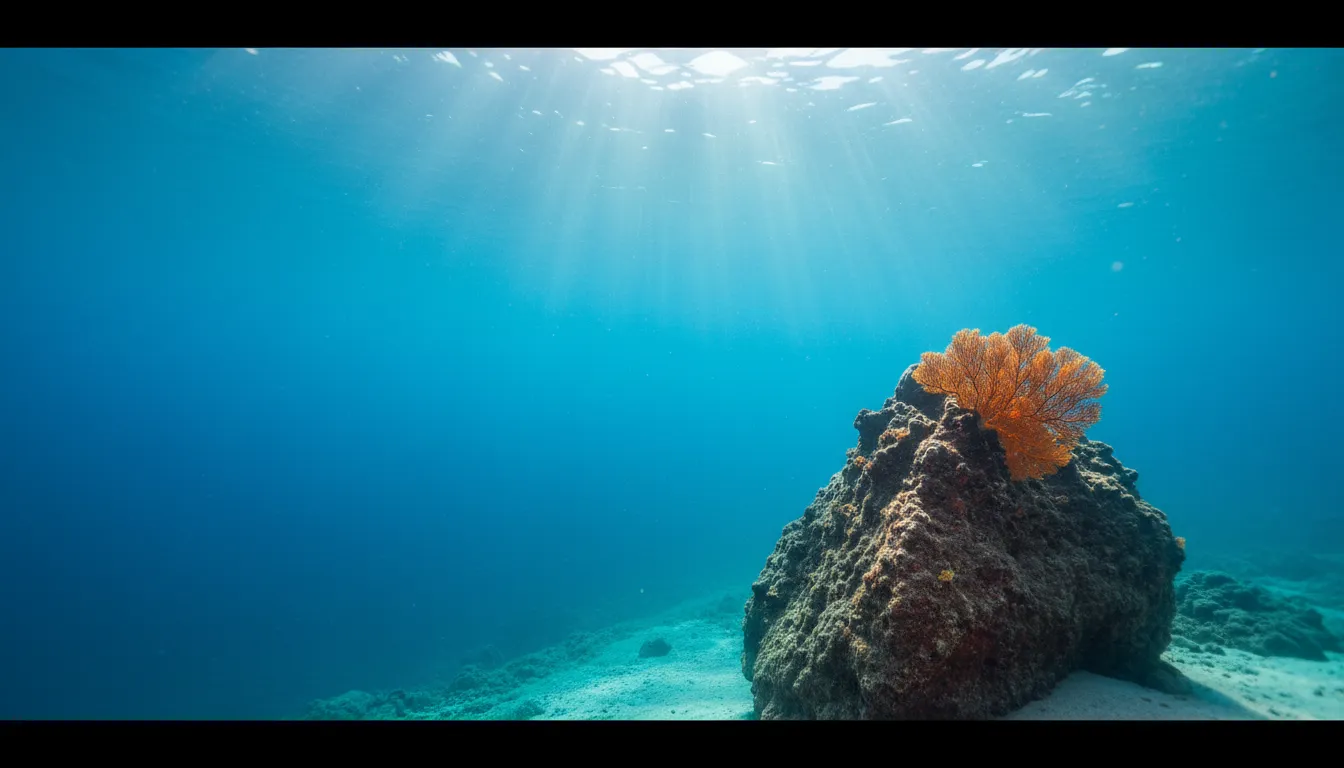
Forget your typical Caribbean reef daydreams with endless pastel corals swaying gently in crystalline water. Jaco’s underwater landscape is something entirely different—think dramatic volcanic rock formations, towering pinnacles, and boulder fields that create a rugged, almost lunar seascape. This isn’t delicate; it’s bold, shaped by the same geological forces that built Costa Rica’s volcanic spine. And that rough-edged terrain? It attracts an impressive cast of Pacific marine life that thrives in these nutrient-rich waters.
While Jaco’s main beach is famous for catching air above the waves, just a quick boat ride from neighboring Herradura takes you to dive sites where white-tip reef sharks doze in the shadows, massive manta rays glide overhead during their December-to-May visits, and green sea turtles cruise past like they own the place. Our local spots might lack those endless coral gardens you’ve seen in tropical dive magazines, but what they lack in delicate polyps they more than make up for in personality. Schools of jacks swirl in synchronized chaos, octopuses hide in rocky crevices waiting to show off their color-changing superpowers, and moray eels peek out from their lairs with faces only a marine biologist could love.
Visibility typically hovers around the 10-15 meter mark—that’s roughly 30-45 feet for those still thinking in imperial—which means it’s not always aquarium-clear. Some days you get lucky with 20 meters of visibility; other days the plankton party reduces it to more intimate encounters. But here’s the thing: our warm Pacific waters, sitting comfortably at 26-29°C (79-84°F) year-round, make the trade-off absolutely worth it. You’re not shivering in a thick wetsuit, and the nutrient-rich water that occasionally clouds visibility is exactly what feeds this thriving ecosystem.
Herradura: Your Launchpad to Jaco’s Deep Blue Wonderland
Here’s a little insider knowledge: most serious dive operations don’t actually depart from Jaco’s main beach. Instead, you’ll head about 10 minutes north to the Los Sueños Marina in Herradura, a well-equipped hub for everything ocean-related. This isn’t some dusty dock operation—Los Sueños is a proper marina with infrastructure, which means your dive boat is likely well-maintained, your captain knows what they’re doing, and you’re not loading gear while dodging surf breaks.
The commute time from Herradura to the best dive sites is refreshingly short: 15-30 minutes by boat, which means less time bouncing over waves and more time actually underwater. Compare that to some dive destinations where you’re burning two hours just getting to the site, and you start to appreciate Jaco’s geography. This proximity means morning dive trips can easily turn into half-day affairs, leaving your afternoon free for other pursuits—say, lounging by your private pool back at your beachfront rental, cocktail in hand, reliving those shark encounters.
The protected waters of Herradura Bay deliver another crucial advantage: smooth starts to your dive day. While Jaco’s main beach can get churned up with surf, Herradura’s bay offers calmer conditions for boat launches, making it ideal for beginners who might be nervous about ocean entries and experienced divers who just prefer not fighting waves before they’ve even descended. The bay acts as a natural buffer, and on those rare days when the Pacific gets truly angry, you’ll be grateful your dive boat is leaving from here rather than straight into the swell.
Beyond the Basics: Essential Dive Sites and What You’ll Spot
El Tesoro (The Treasure) isn’t just marketing fluff—this site genuinely delivers. The volcanic pinnacles here rise from the seafloor like ancient monuments, creating natural highways for marine life. White-tip reef sharks frequently lounge on sandy patches between the rocks, perfectly still except for the rhythmic movement of their gills. They’re not interested in divers; you’re just another weird bubble-blowing tourist to them. Schools of jacks—those sleek, silver speedsters—form massive baitballs that swirl around the pinnacles in hypnotic patterns. It’s one of those sights that makes you wish your GoPro’s memory card was infinite.
Los Arcos (The Arches) features exactly what the name promises: natural rock formations that create swim-throughs, hidden alcoves, and dramatic archways. This is where the smaller, weirder creatures hang out. Vibrant nudibranchs—basically underwater slugs dressed in haute couture—cling to rocks in electric blues and neon oranges. Shy lobsters wedge themselves into crevices, antennae twitching. The rock formations channel currents in ways that bring nutrient-rich water through the arches, which means the walls are often carpeted with sponges, anemones, and small corals taking advantage of the flow.
Coral Gardens sounds optimistic given Jaco’s predominantly rocky terrain, but specific spots do feature surprising coral growth where conditions allow. These patches won’t rival the Great Barrier Reef, but they’re vibrant ecosystems in their own right, hosting schools of tiny, colorful reef fish that dart between branches. Butterflyfish, angelfish, and damselfish claim their territories with the kind of aggressive confidence usually reserved for downtown parking spots.
Keep your eyes scanning the blue for the real celebrities: seahorses occasionally cling to gorgonian sea fans, their tails wrapped tight while they rock gently with the surge. Eagle rays glide past with effortless grace, their spotted wings flapping in slow motion like they’re flying through water. And if you’re extraordinarily lucky during the right season, whale sharks—the planet’s largest fish—cruise through Jaco’s waters, filtering plankton with their cavernous mouths while divers hover nearby in respectful awe.
Getting Your Fins Wet: Certification, Tours, and Rentals in Jaco
Never been scuba diving before? Getting your PADI or SSI certification right here in Jaco makes excellent sense. Local dive instructors have spent years in these specific waters, which means they know exactly where the tricky currents run, which sites work best for nervous beginners, and how to explain concepts in ways that stick. The pool sessions happen in calm, controlled environments, and your open water certification dives take place at beginner-friendly sites where you can focus on mastering buoyancy rather than fighting conditions. Most certification courses run 3-4 days, which fits nicely into a week-long vacation.
Half-day and full-day dive tours cater to every experience level. Intro dives—sometimes called “Discover Scuba” experiences—require no certification and minimal training; you’ll spend an hour learning the absolute basics, then make a shallow dive with an instructor literally holding your hand. Two-tank dive trips appeal to certified divers who want to maximize bottom time, typically visiting two different sites with a surface interval for snacks and shark stories. Advanced multi-tank excursions target the truly addicted, those divers who measure vacation success in nitrogen absorption rates.
Skip the airline baggage fees and rent your gear locally. Jaco’s dive shops maintain reliable equipment that’s regularly serviced—BCDs that actually inflate properly, regulators that don’t free-flow at depth, and wetsuits without mysterious holes. Quality operators replace gear on proper schedules rather than running equipment until it fails spectacularly. Your back will thank you for not lugging 50 pounds of dive gear through airports.
Planning ahead matters, especially during peak season when everyone suddenly decides they want to see sharks. Book your dives a few days in advance rather than showing up morning-of expecting immediate availability. When choosing operators, prioritize safety and local knowledge over rock-bottom prices. Ask about instructor-to-student ratios, safety protocols, equipment maintenance schedules, and emergency oxygen availability. A shop that gets defensive about these questions probably isn’t worth your time—or your life.
For families where some members dive and others prefer to stay closer to the surface, many dive operators offer snorkeling from the same boats. The boat heads to the dive site, divers descend while snorkelers explore the shallows above, everyone reunites topside with different but equally enthusiastic stories about what they saw. It’s a practical compromise that keeps everyone happy.
Diving In: Best Times & Conditions for Jaco’s Deep End
Dry season—December through April—generally delivers calmer seas and better visibility, which is why it’s considered prime diving time. The Pacific settles down, underwater visibility improves to its maximum potential, and conditions are reliably good enough that dive operators rarely cancel trips. But here’s a secret that experienced divers know: wet season (May through November) can surprise you with incredible marine life activity. Nutrient upwelling increases during these months, which clouds the water but also attracts larger pelagics. The trade-off between visibility and wildlife encounters becomes a real consideration.
Currents in Jaco’s dive sites are typically mild, rarely reaching the screaming drift dive intensity you’d find in places like Cocos Island. That said, Pacific currents are moody and unpredictable, which is why you always, always listen to your divemaster’s briefing. These folks know how the water moves around these rocks, where eddies form, and when to abort a dive because conditions are sketchy. Their local knowledge keeps you safe and ensures you actually enjoy the experience rather than spending 45 minutes fighting current.
Water temperatures remain delightfully warm year-round, consistently hovering in that magical 26-29°C (79-84°F) range. Many divers happily wear just a 3mm shorty wetsuit or even a simple rashguard for sun and scrape protection. Compare this to destinations where 7mm wetsuits and hoods are mandatory, and you realize Jaco’s tropical location delivers serious comfort advantages. No thick neoprene constriction, no post-dive shivering, just comfortable diving that lets you focus on the underwater spectacle.
Night diving in Jaco reveals a completely different ocean. Bioluminescence sparkles in your wake like underwater fireflies. Reef sharks that seemed sleepy during the day become active hunters, their movements purposeful and focused. Crustaceans emerge from daytime hiding spots, their eyes glowing red in your dive light like tiny underwater demons. Octopuses hunt actively across the rocks, color-shifting from one texture to another with alien precision. It’s an otherworldly experience that feels more like exploring another planet than just diving the same sites you visited that morning. Think of it as Jaco’s alternative nightlife scene—no cover charge, no velvet ropes, just you and the nocturnal ocean doing its thing.
Frequently Asked Questions
Is scuba diving in Jaco good for beginners or do I need prior experience?
Jaco welcomes beginners enthusiastically. Multiple dive shops offer intro dives requiring zero certification—just basic swimming ability and a willingness to breathe through a regulator. These shallow, guided experiences let you test whether scuba diving appeals to you before committing to full certification. If you decide you love it, 3-4 day PADI or SSI courses get you certified right here in Jaco, with patient instructors who’ve taught hundreds of nervous first-timers. The local dive sites include beginner-friendly spots with minimal current, good visibility, and manageable depths, so you’re not thrown into advanced conditions on your first ocean dive. Experienced divers also find plenty to explore, but beginners absolutely have a place in Jaco’s underwater world.
What kind of marine life can I expect to see on a dive trip near Jaco?
Jaco’s marine life reads like a Pacific greatest hits compilation. White-tip reef sharks are practically guaranteed—they lounge on sandy patches looking perpetually annoyed at your presence. Sea turtles cruise past with surprising frequency, green and hawksbill varieties munching on sponges and algae. Manta rays visit during their seasonal December-to-May run, those graceful giants filtering plankton with ballet-like movements. Eagle rays glide through the blue hunting for mollusks. Schools of jacks, snappers, and grunts swirl around rock formations. Octopuses hide in crevices, moray eels peer from holes, and seahorses cling to gorgonians if you’re patient enough to spot them. The occasional whale shark passes through, and if you’re diving during the right season, you might even spot migrating humpback whales in the distance. It’s a robust ecosystem.
Are there any specific safety precautions I should be aware of when diving in Jaco?
Standard scuba safety protocols apply: never hold your breath, ascend slowly, stay within your certification limits, and buddy up. Specific to Jaco, pay attention to divemaster briefings about currents—Pacific currents can strengthen unexpectedly, and local knowledge keeps you safe. Check that your operator maintains proper safety equipment including oxygen, first aid kits, and radio communication. Herradura’s marina location means you’re relatively close to shore and medical facilities compared to remote dive destinations, but that doesn’t mean carelessness is acceptable. Book with established operators who prioritize safety over cramming maximum divers onto boats. If conditions look sketchy, respect the divemaster’s call to cancel or modify the dive plan. The ocean will still be there tomorrow, and your safety matters more than completing a dive at all costs.
How far out are the best dive sites from Jaco, and how do I get there?
Most dive sites sit 15-30 minutes by boat from Los Sueños Marina in Herradura, which is about a 10-minute drive north of Jaco proper. You’ll meet at the marina, load onto a dive boat designed for the purpose, and cruise out to the sites. This proximity means minimal travel time compared to destinations where you’re burning hours reaching dive sites. The boat ride itself is usually pleasant—calm mornings on protected Herradura Bay transitioning to open Pacific as you round the point. Some operators also access sites from other nearby launching points, but Herradura’s marina infrastructure makes it the most common departure location. You don’t need to arrange separate transportation to the sites; your dive package includes the boat ride as part of the experience.
Can I get scuba certified in Jaco, and how long does it take?
Absolutely—Jaco hosts several reputable dive shops offering PADI and SSI certification courses. The standard Open Water certification takes 3-4 days, combining classroom sessions, confined water training in a pool, and four open water dives at local sites. You’ll learn dive theory, practice skills in controlled conditions, then apply everything during actual ocean dives with an instructor. Some shops offer accelerated schedules for people with limited vacation time, while others spread the course over more days for a relaxed pace. If you’re already certified elsewhere, Jaco also offers advanced certifications, specialties like underwater photography or night diving, and divemaster training for those considering professional paths. Local instructors bring years of experience teaching in these specific waters, which translates to practical, relevant training rather than generic textbook instruction.
Is it possible to combine scuba diving with other water activities in Jaco?
Definitely—Jaco’s diverse water activity scene makes multi-sport days entirely feasible. Morning dive trips typically return by early afternoon, leaving time for surfing, stand-up paddleboarding, kayaking, or sportfishing the same day. Some operators offer combination packages bundling diving with snorkeling, allowing certified divers and non-certified family members to share the boat trip while pursuing different activities. Your energy levels and nitrogen absorption times will dictate how much you pack into one day—diving in the morning then surfing in the afternoon works great, but doing multiple dives plus energetic activities requires smart planning. The point is Jaco’s water playground doesn’t force you to choose one activity for your entire trip; mix and match according to your interests and energy.
What are the water temperatures like for diving in Jaco year-round?
Jaco’s water temperatures remain consistently warm throughout the year, typically ranging from 26-29°C (79-84°F). This tropical consistency means you’ll never need the thick 7mm wetsuits and hoods required in colder destinations. Most divers comfortably wear 3mm shorty wetsuits or even just rashguards for sun and scrape protection. Seasonal variations exist—dry season sometimes brings slightly cooler upwelling currents while wet season water stays bathwater warm—but these differences rarely exceed a few degrees. The warmth isn’t just comfort; it affects your dive profiles too, allowing longer bottom times without the accelerated heat loss that occurs in cold water. If you’ve only dived in temperate or cold locations, Jaco’s warm Pacific waters will feel like luxury.
Are facilities available nearby if I need to rent gear or get my own serviced?
Jaco and Herradura host multiple dive shops offering full rental gear and equipment servicing. These aren’t fly-by-night operations—established shops maintain proper maintenance schedules, regularly service regulators, and replace aging equipment before it fails underwater. You can rent everything from BCDs and regulators to wetsuits, fins, masks, and dive computers. If you travel with your own gear but need servicing or emergency repairs, local shops have qualified technicians who can handle most issues. Some shops even offer nitrox fills for certified enriched air divers looking to extend bottom times. The infrastructure here supports both casual vacation divers renting everything and serious divers traveling with their own rigs who need occasional support services.
Ready to explore what’s beneath Jaco’s famous surf breaks? The underwater world doesn’t advertise itself with flashy beach clubs or sunset selfie spots—it just quietly goes about being extraordinary. Whether you’re earning your first certification or logging your 500th dive, Jaco’s volcanic seascape and thriving Pacific ecosystem deliver experiences worth descending for. And when you surface? There’s a beachfront sanctuary waiting with your name on it, close enough to hear the waves, far enough to actually relax.
Bahía Azul, unit 7C sits right on this stretch of sand — on the quiet south end of Jacó, a few hundred feet from the water.
Book on Airbnb